Graham Holdings Declares $1.88 Quarterly Dividend Payable February 2026
Written by Emily J. Thompson, Senior Investment Analyst
Updated: Jan 16 2026
0mins


Should l Buy COST?
Source: NASDAQ.COM
- Quarterly Dividend Announcement: Graham Holdings declared a quarterly dividend of $1.88 per share, payable on February 19, 2026, to shareholders of record on February 4, 2026, demonstrating the company's commitment to shareholder returns amid stable cash flow.
- Dividend Payment Schedule: Qualcomm announced a quarterly cash dividend of $0.89 per common share, payable on March 26, 2026, to stockholders of record at the close of business on March 5, 2026, reflecting the company's ongoing shareholder rewards based on stable profitability.
- Costco Dividend Declaration: Costco Wholesale announced a quarterly cash dividend of $1.30 per share, payable on February 13, 2026, to shareholders of record at the close of business on January 30, 2026, indicating the company's ability to maintain shareholder returns supported by strong sales and membership growth.
- Independent Bank Dividend: Michigan-based Independent Bank declared a quarterly cash dividend of $0.28 per share, payable on February 13, 2026, to shareholders of record on February 3, 2026, showcasing the community bank's robust performance in the local economy and commitment to its shareholders.
Trade with 70% Backtested Accuracy
Stop guessing "Should I Buy COST?" and start using high-conviction signals backed by rigorous historical data.
Sign up today to access powerful investing tools and make smarter, data-driven decisions.
Analyst Views on COST
Wall Street analysts forecast COST stock price to rise
24 Analyst Rating
19 Buy
4 Hold
1 Sell
Strong Buy
Current: 1012.050

Low
769.00
Averages
1061
High
1205
Current: 1012.050
Low
769.00
Averages
1061
High
1205
About COST
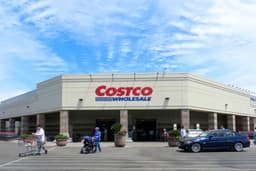
Costco Wholesale Corporation (Costco) operates membership warehouses and e-commerce sites that offer a selection of nationally branded and private-label products in a wide range of categories. The Company buys the majority of its merchandise directly from suppliers and route it to cross-docking consolidation points (depots) or directly to its warehouses. It operates 891 warehouses, including 614 in the United States and Puerto Rico, 108 in Canada, 40 in Mexico, 35 in Japan, 29 in the United Kingdom, 19 in Korea, 15 in Australia, 14 in Taiwan, seven in China, five in Spain, two in France, and one each in Iceland, New Zealand and Sweden. It also operates e-commerce sites in the United States, Canada, the United Kingdom, Mexico, Korea, Taiwan, Japan and Australia. The Company provides wide selection of merchandise, plus the convenience of specialty departments and exclusive member services.
About the author

Emily J. Thompson
Emily J. Thompson, a Chartered Financial Analyst (CFA) with 12 years in investment research, graduated with honors from the Wharton School. Specializing in industrial and technology stocks, she provides in-depth analysis for Intellectia’s earnings and market brief reports.
Costco's Nike Collaboration Sneaker Creates Viral Buzz
- Limited Release Generates Buzz: Costco's surprise drop of the Nike SB Dunk Low x Kirkland Signature sneaker at select warehouses, priced at $135 with a one-pair limit per member, has led to resale prices exceeding $600, indicating strong consumer interest.
- Design and Brand Synergy: Featuring a grey fleece upper inspired by Kirkland loungewear, the sneaker showcases prominent Kirkland Signature branding, appealing to younger consumers, particularly Generation Z, who have made it a social media sensation.
- Market Response and Potential Expansion: While neither Nike nor Costco has confirmed final production numbers or restock plans, analysts suggest that the collaboration could extend with additional products, enhancing brand influence and market share.
- Social Media Phenomenon: The sneaker's retro appeal has resonated with both Generation X and Z, becoming a trending topic among young consumers, which boosts brand visibility and sales potential.
See More
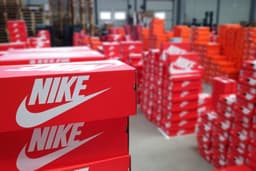
Nike's Turnaround: Cutting Classics Sales to Rebuild Brand

- Brand Restructuring Strategy: Under CEO Elliott Hill, Nike plans to cut Classics sales by over $4 billion by the end of fiscal 2026, aiming to rebuild its brand image through reduced promotions and a return to scarcity, thereby enhancing market competitiveness.
- Collaborative Innovation: Nike's partnership with Costco to launch the Kirkland Signature x Nike SB Dunk Low, limited to 8 Costco locations at a price of $135, has seen resale values exceed $400, demonstrating Nike's ability to generate market buzz through scarcity.
- North American Market Recovery: Although Nike's overall revenue grew by only 1% in Q2 of fiscal 2026, its North America wholesale business saw a 20% year-over-year increase, indicating that retail partners are re-engaging with Nike following the company's strategic adjustments.
- Long-term Investment Signal: The reduction in Classics sales and the collaboration with Costco provide positive signals for long-term investors, indicating that Nike is laying the groundwork for a successful turnaround, even though the recovery path may not be straightforward.
See More
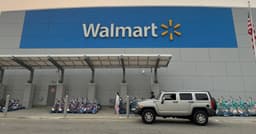
Walmart Earnings Preview: Digital Transformation and New CEO Strategy


- Earnings Expectations: Walmart is expected to report Q4 earnings of 73 cents per share and revenue of $190.43 billion, reflecting the company's ongoing investment and transformation in digital business and artificial intelligence.
- Full-Year Sales Outlook: The company anticipates full-year net sales growth between 4.8% and 5.1%, with adjusted earnings per share ranging from $2.58 to $2.63, indicating a positive outlook for future market conditions.
- New CEO Strategy: New CEO John Furner is set to continue focusing on online business growth and attracting more middle to high-income customers, aiming to increase the company's share in higher-margin sectors like third-party marketplaces and advertising.
- Market Dynamics: Despite Walmart's stock rising about 22% over the past year, it is expected to lose the title of largest retailer by annual revenue, as Amazon has already surpassed Walmart in quarterly revenue, highlighting intensifying competition in the retail market.
See More

Market Analysis: Software vs. Value Stocks


- Market Situation: As of February 13, 2026, software and AI stocks are facing sell-offs, while value stocks are trading at a high price-to-earnings ratio of 50, indicating a divergence in market sentiment towards different stock types.
- Investor Sentiment: The decline in software and AI stocks reflects investor concerns over high-valuation tech stocks, potentially leading to a shift in capital towards more value-oriented investments, thereby impacting overall market dynamics.
- Value Stock Performance: Despite economic uncertainties, value stocks continue to perform strongly with a P/E ratio of 50, indicating sustained market confidence and demand for these equities.
- Future Outlook: As the market adopts a cautious stance towards tech stocks, investors may reassess their portfolios, shifting towards more stable value stocks to mitigate potential market volatility.
See More

The 'Boomcession' Phenomenon in the U.S. Economy


- Disconnect Between Data and Sentiment: Despite rising economic output and stock market gains, ordinary Americans are feeling increased financial pressure, as evidenced by credit card debt reaching a record $1.28 trillion in Q4 last year, indicating that economic prosperity is not benefiting the majority.
- Uneven Inflation Impact: According to Morgan Stanley, lower-income consumers faced significantly higher inflation rates for food and housing in 2024 compared to wealthier counterparts, exacerbating the gap between economic growth and consumer confidence and highlighting social inequality.
- 'Hiring Recession' in Job Market: While economic output per hour hit new highs, ordinary workers are anxious as the job market tightens, with December job openings falling to their lowest level since 2020, reflecting the disparity in economic benefits between high-income stockholders and the general workforce.
- Crisis of Trust in Economic Data: Surveys reveal that nearly 60% of Americans believe the economy is in recession, particularly among low-income households facing unstable financial situations, leading to a decline in trust in government economic data and highlighting the significant gap between economic prosperity and public sentiment.
See More

Walmart and Target's New CEOs Face Challenges Ahead
- Leadership Changes: Walmart and Target welcomed new CEOs on February 1, with John Furner and Michael Fiddelke being promoted from within, reflecting differing strategic directions as both companies navigate economic challenges.
- Performance Discrepancy: Walmart's stock has surged approximately 163% over the past five years, while Target's has plummeted about 40%, indicating Walmart's success in attracting consumers across income levels and boosting online sales, whereas Target struggles with declining sales and store traffic.
- Future Outlook: Walmart anticipates a full-year net sales increase of 4.8% to 5.1%, contrasting with Target's expected sales decline, highlighting significant differences in market performance and investor sentiment favoring Walmart's prospects.
- Strategic Adjustments: Target's new CEO Fiddelke aims to revitalize the brand by enhancing product quality and customer experience while strengthening the workforce, demonstrating a commitment to future growth despite facing numerous challenges.
See More
Costco's Nike Collaboration Sneaker Creates Viral Buzz
- Limited Release Generates Buzz: Costco's surprise drop of the Nike SB Dunk Low x Kirkland Signature sneaker at select warehouses, priced at $135 with a one-pair limit per member, has led to resale prices exceeding $600, indicating strong consumer interest.
- Design and Brand Synergy: Featuring a grey fleece upper inspired by Kirkland loungewear, the sneaker showcases prominent Kirkland Signature branding, appealing to younger consumers, particularly Generation Z, who have made it a social media sensation.
- Market Response and Potential Expansion: While neither Nike nor Costco has confirmed final production numbers or restock plans, analysts suggest that the collaboration could extend with additional products, enhancing brand influence and market share.
- Social Media Phenomenon: The sneaker's retro appeal has resonated with both Generation X and Z, becoming a trending topic among young consumers, which boosts brand visibility and sales potential.
See More
Nike's Turnaround: Cutting Classics Sales to Rebuild Brand
- Brand Restructuring Strategy: Under CEO Elliott Hill, Nike plans to cut Classics sales by over $4 billion by the end of fiscal 2026, aiming to rebuild its brand image through reduced promotions and a return to scarcity, thereby enhancing market competitiveness.
- Collaborative Innovation: Nike's partnership with Costco to launch the Kirkland Signature x Nike SB Dunk Low, limited to 8 Costco locations at a price of $135, has seen resale values exceed $400, demonstrating Nike's ability to generate market buzz through scarcity.
- North American Market Recovery: Although Nike's overall revenue grew by only 1% in Q2 of fiscal 2026, its North America wholesale business saw a 20% year-over-year increase, indicating that retail partners are re-engaging with Nike following the company's strategic adjustments.
- Long-term Investment Signal: The reduction in Classics sales and the collaboration with Costco provide positive signals for long-term investors, indicating that Nike is laying the groundwork for a successful turnaround, even though the recovery path may not be straightforward.
See More
Walmart Earnings Preview: Digital Transformation and New CEO Strategy
- Earnings Expectations: Walmart is expected to report Q4 earnings of 73 cents per share and revenue of $190.43 billion, reflecting the company's ongoing investment and transformation in digital business and artificial intelligence.
- Full-Year Sales Outlook: The company anticipates full-year net sales growth between 4.8% and 5.1%, with adjusted earnings per share ranging from $2.58 to $2.63, indicating a positive outlook for future market conditions.
- New CEO Strategy: New CEO John Furner is set to continue focusing on online business growth and attracting more middle to high-income customers, aiming to increase the company's share in higher-margin sectors like third-party marketplaces and advertising.
- Market Dynamics: Despite Walmart's stock rising about 22% over the past year, it is expected to lose the title of largest retailer by annual revenue, as Amazon has already surpassed Walmart in quarterly revenue, highlighting intensifying competition in the retail market.
See More
Market Analysis: Software vs. Value Stocks
- Market Situation: As of February 13, 2026, software and AI stocks are facing sell-offs, while value stocks are trading at a high price-to-earnings ratio of 50, indicating a divergence in market sentiment towards different stock types.
- Investor Sentiment: The decline in software and AI stocks reflects investor concerns over high-valuation tech stocks, potentially leading to a shift in capital towards more value-oriented investments, thereby impacting overall market dynamics.
- Value Stock Performance: Despite economic uncertainties, value stocks continue to perform strongly with a P/E ratio of 50, indicating sustained market confidence and demand for these equities.
- Future Outlook: As the market adopts a cautious stance towards tech stocks, investors may reassess their portfolios, shifting towards more stable value stocks to mitigate potential market volatility.
See More
The 'Boomcession' Phenomenon in the U.S. Economy
- Disconnect Between Data and Sentiment: Despite rising economic output and stock market gains, ordinary Americans are feeling increased financial pressure, as evidenced by credit card debt reaching a record $1.28 trillion in Q4 last year, indicating that economic prosperity is not benefiting the majority.
- Uneven Inflation Impact: According to Morgan Stanley, lower-income consumers faced significantly higher inflation rates for food and housing in 2024 compared to wealthier counterparts, exacerbating the gap between economic growth and consumer confidence and highlighting social inequality.
- 'Hiring Recession' in Job Market: While economic output per hour hit new highs, ordinary workers are anxious as the job market tightens, with December job openings falling to their lowest level since 2020, reflecting the disparity in economic benefits between high-income stockholders and the general workforce.
- Crisis of Trust in Economic Data: Surveys reveal that nearly 60% of Americans believe the economy is in recession, particularly among low-income households facing unstable financial situations, leading to a decline in trust in government economic data and highlighting the significant gap between economic prosperity and public sentiment.
See More
Walmart and Target's New CEOs Face Challenges Ahead
- Leadership Changes: Walmart and Target welcomed new CEOs on February 1, with John Furner and Michael Fiddelke being promoted from within, reflecting differing strategic directions as both companies navigate economic challenges.
- Performance Discrepancy: Walmart's stock has surged approximately 163% over the past five years, while Target's has plummeted about 40%, indicating Walmart's success in attracting consumers across income levels and boosting online sales, whereas Target struggles with declining sales and store traffic.
- Future Outlook: Walmart anticipates a full-year net sales increase of 4.8% to 5.1%, contrasting with Target's expected sales decline, highlighting significant differences in market performance and investor sentiment favoring Walmart's prospects.
- Strategic Adjustments: Target's new CEO Fiddelke aims to revitalize the brand by enhancing product quality and customer experience while strengthening the workforce, demonstrating a commitment to future growth despite facing numerous challenges.
See More