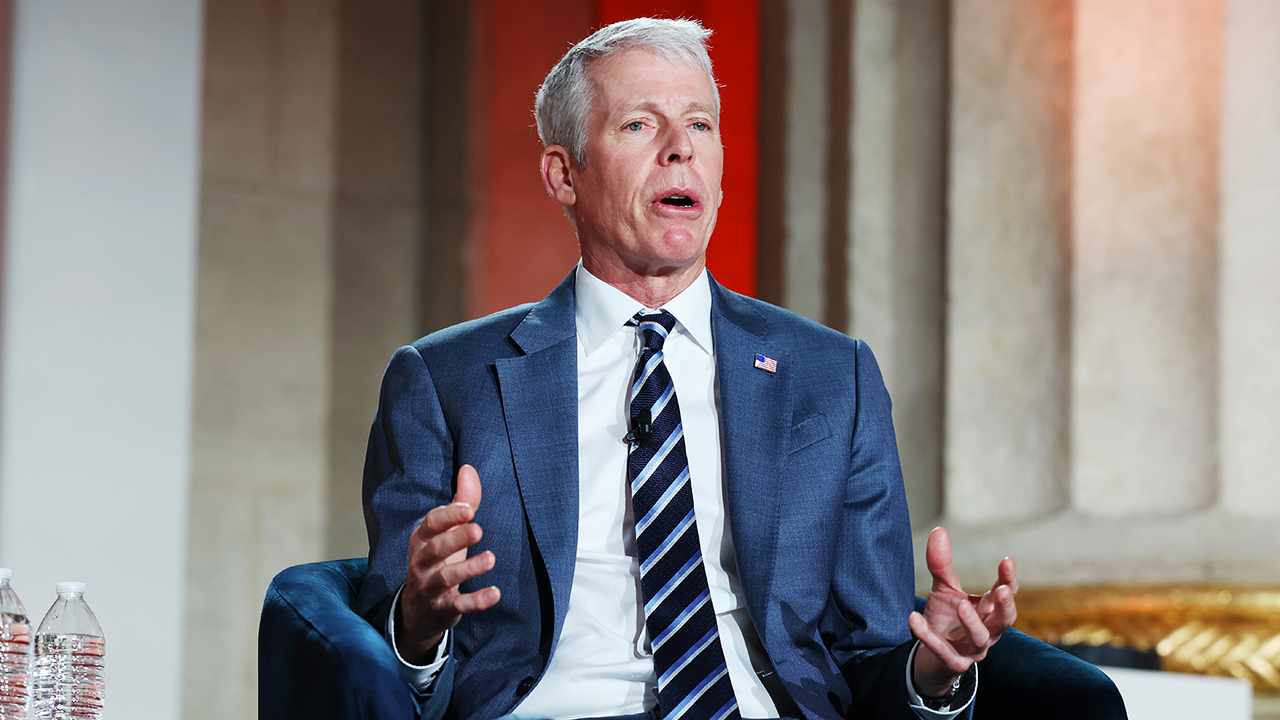
Google's Leading Position in Agentic AI
- Rise of Agentic AI: Jensen Huang, CEO of Nvidia, emphasizes the significance of agentic AI, representing the next leap in AI technology; although still in its infancy, its potential could transform human-computer interaction.
- Google's Market Advantage: Alphabet reported $113.8 billion in revenue for Q4 2025, an 18% increase year-over-year, with a net profit margin of 32.81%, showcasing its strong resources and profitability in AI, far surpassing OpenAI and Anthropic.
- Market Share Shifts: By the end of 2025, Google's Gemini AI market share rose to 21%, while ChatGPT's share fell to 27%, indicating Google's rapid ascent in the enterprise large language model market, likely to soon surpass competitors.
- Hardware Innovation: Unique among its AI peers, Alphabet is developing its own tensor processing units (TPUs), competing with Nvidia's GPUs; Anthropic plans to add one million TPUs by 2026, further solidifying Google's leading position in AI hardware.
Trade with 70% Backtested Accuracy
Analyst Views on GOOG

About GOOG
About the author


Alphabet's Leading Position in the Enterprise LLM Market


- Market Share Growth: Alphabet's Google Gemini has captured 21% of the enterprise large language model (LLM) market, indicating strong growth potential in AI, especially compared to competitors like OpenAI and Anthropic.
- Project Mariner Launch: Alphabet offers its high-paying customers the experimental AI agent Project Mariner for $250 per month, which can perform online tasks like purchasing tickets and groceries through Chrome, showcasing its innovative approach to AI applications despite current limitations in physical interactions.
- Hardware Advantage: Unlike competitors relying on Nvidia GPUs, Alphabet is developing its own tensor processing units (TPUs), providing a unique competitive edge in AI hardware, with Anthropic planning to add one million TPUs by 2026, further solidifying Alphabet's market position.
- Profitability Comparison: In Q4 2025, Alphabet generated $113.8 billion in revenue with a net profit margin of 32.81%, while competitors OpenAI and Anthropic have yet to achieve profitability, highlighting Alphabet's significant resource and financial strength to invest in ongoing AI innovation and development.

Google's Leading Position in Agentic AI
- Rise of Agentic AI: Jensen Huang, CEO of Nvidia, emphasizes the significance of agentic AI, representing the next leap in AI technology; although still in its infancy, its potential could transform human-computer interaction.
- Google's Market Advantage: Alphabet reported $113.8 billion in revenue for Q4 2025, an 18% increase year-over-year, with a net profit margin of 32.81%, showcasing its strong resources and profitability in AI, far surpassing OpenAI and Anthropic.
- Market Share Shifts: By the end of 2025, Google's Gemini AI market share rose to 21%, while ChatGPT's share fell to 27%, indicating Google's rapid ascent in the enterprise large language model market, likely to soon surpass competitors.
- Hardware Innovation: Unique among its AI peers, Alphabet is developing its own tensor processing units (TPUs), competing with Nvidia's GPUs; Anthropic plans to add one million TPUs by 2026, further solidifying Google's leading position in AI hardware.

Broadcom Reports 106% Revenue Growth in AI Segment


- AI Revenue Surge: Broadcom's AI revenue reached $8.4 billion in Q1 2026, reflecting a remarkable 106% year-over-year growth, which underscores its robust momentum in the AI hardware sector and solidifies its market position.
- Overall Financial Performance: The company reported total revenue of $19.31 billion for the quarter, a 29% increase year-over-year, with diluted earnings per share (EPS) at $1.50, up 32% from Q1 2024, indicating a strong overall financial health.
- Significant Customer Orders: Broadcom's partnership with Anthropic has deepened, with the latter placing an additional $11 billion order for TPUs after a previous $10 billion order, aiming to add 1 million TPU chips by 2026, which will further drive Broadcom's revenue growth.
- Strategic Partnerships: Beyond designing TPUs for Google, Broadcom collaborates with companies like OpenAI, highlighting its critical role in the AI hardware landscape and reinforcing its status as an
Broadcom's Partnership with Google on TPU Shows Huge Potential
- AI Revenue Surge: Broadcom's AI revenue more than doubled in Q1 2026, reaching $8.4 billion, reflecting a robust growth trajectory in the AI hardware sector that solidifies its market position.
- Total Revenue Growth: The company's total revenue for the quarter was $19.31 billion, a 29% increase from Q1 2025, indicating strong performance across multiple business segments and boosting investor confidence in its future prospects.
- Strong Profitability: Broadcom reported diluted earnings per share (EPS) of $1.50, up 32% year-over-year, with a net profit margin of 36.57%, showcasing its excellence in cost control and profitability enhancement.
- Strategic Partnerships: The collaboration with Google on TPU and significant orders from Anthropic worth $10 billion and $11 billion highlight Broadcom's critical role in AI chip design, with potential for further market share expansion in the future.

Meta Recruits Former Google and Stripe Visionaries for Superintelligence Initiative Without Tech Focus: Report

New Hires at Meta: Three co-founders of the AI startup Dreamer, who have experience at major tech companies like Google and Meta, will join Meta to work on AI agents and related projects, although they will not be integrating Dreamer's technology.
Increased Capital Expenditure: Meta plans to significantly increase its capital expenditures for 2026, focusing on enhancing its Superintelligence Labs, with projected spending between $115 billion and $135 billion.
AI Acceleration Goals: CEO Mark Zuckerberg indicated that AI acceleration in 2026 would enhance various aspects of the company, suggesting that agents are beginning to show effective performance.
Stock Market Sentiment: Meta's stock has seen a decline of over 6% this year, with current retail sentiment categorized as 'neutral' amidst high message volumes regarding the company's performance.
JPMorgan Introduces a Portfolio of Credit Default Swaps for Alphabet Inc., Amazon.com, Meta Platforms, Microsoft, and Oracle Corp - Bloomberg News

Launch of Credit Default Swaps: JPMorgan recently launched a basket of credit default swaps involving major companies like Alphabet, Amazon, Meta Platforms, Microsoft, and Oracle.
Market Impact: This new financial product aims to provide investors with a way to hedge against credit risk in a diversified manner across prominent tech firms.
Alphabet's Leading Position in the Enterprise LLM Market
- Market Share Growth: Alphabet's Google Gemini has captured 21% of the enterprise large language model (LLM) market, indicating strong growth potential in AI, especially compared to competitors like OpenAI and Anthropic.
- Project Mariner Launch: Alphabet offers its high-paying customers the experimental AI agent Project Mariner for $250 per month, which can perform online tasks like purchasing tickets and groceries through Chrome, showcasing its innovative approach to AI applications despite current limitations in physical interactions.
- Hardware Advantage: Unlike competitors relying on Nvidia GPUs, Alphabet is developing its own tensor processing units (TPUs), providing a unique competitive edge in AI hardware, with Anthropic planning to add one million TPUs by 2026, further solidifying Alphabet's market position.
- Profitability Comparison: In Q4 2025, Alphabet generated $113.8 billion in revenue with a net profit margin of 32.81%, while competitors OpenAI and Anthropic have yet to achieve profitability, highlighting Alphabet's significant resource and financial strength to invest in ongoing AI innovation and development.
Google's Leading Position in Agentic AI
- Rise of Agentic AI: Jensen Huang, CEO of Nvidia, emphasizes the significance of agentic AI, representing the next leap in AI technology; although still in its infancy, its potential could transform human-computer interaction.
- Google's Market Advantage: Alphabet reported $113.8 billion in revenue for Q4 2025, an 18% increase year-over-year, with a net profit margin of 32.81%, showcasing its strong resources and profitability in AI, far surpassing OpenAI and Anthropic.
- Market Share Shifts: By the end of 2025, Google's Gemini AI market share rose to 21%, while ChatGPT's share fell to 27%, indicating Google's rapid ascent in the enterprise large language model market, likely to soon surpass competitors.
- Hardware Innovation: Unique among its AI peers, Alphabet is developing its own tensor processing units (TPUs), competing with Nvidia's GPUs; Anthropic plans to add one million TPUs by 2026, further solidifying Google's leading position in AI hardware.
Broadcom Reports 106% Revenue Growth in AI Segment
- AI Revenue Surge: Broadcom's AI revenue reached $8.4 billion in Q1 2026, reflecting a remarkable 106% year-over-year growth, which underscores its robust momentum in the AI hardware sector and solidifies its market position.
- Overall Financial Performance: The company reported total revenue of $19.31 billion for the quarter, a 29% increase year-over-year, with diluted earnings per share (EPS) at $1.50, up 32% from Q1 2024, indicating a strong overall financial health.
- Significant Customer Orders: Broadcom's partnership with Anthropic has deepened, with the latter placing an additional $11 billion order for TPUs after a previous $10 billion order, aiming to add 1 million TPU chips by 2026, which will further drive Broadcom's revenue growth.
- Strategic Partnerships: Beyond designing TPUs for Google, Broadcom collaborates with companies like OpenAI, highlighting its critical role in the AI hardware landscape and reinforcing its status as an
Broadcom's Partnership with Google on TPU Shows Huge Potential
- AI Revenue Surge: Broadcom's AI revenue more than doubled in Q1 2026, reaching $8.4 billion, reflecting a robust growth trajectory in the AI hardware sector that solidifies its market position.
- Total Revenue Growth: The company's total revenue for the quarter was $19.31 billion, a 29% increase from Q1 2025, indicating strong performance across multiple business segments and boosting investor confidence in its future prospects.
- Strong Profitability: Broadcom reported diluted earnings per share (EPS) of $1.50, up 32% year-over-year, with a net profit margin of 36.57%, showcasing its excellence in cost control and profitability enhancement.
- Strategic Partnerships: The collaboration with Google on TPU and significant orders from Anthropic worth $10 billion and $11 billion highlight Broadcom's critical role in AI chip design, with potential for further market share expansion in the future.
Meta Recruits Former Google and Stripe Visionaries for Superintelligence Initiative Without Tech Focus: Report
New Hires at Meta: Three co-founders of the AI startup Dreamer, who have experience at major tech companies like Google and Meta, will join Meta to work on AI agents and related projects, although they will not be integrating Dreamer's technology.
Increased Capital Expenditure: Meta plans to significantly increase its capital expenditures for 2026, focusing on enhancing its Superintelligence Labs, with projected spending between $115 billion and $135 billion.
AI Acceleration Goals: CEO Mark Zuckerberg indicated that AI acceleration in 2026 would enhance various aspects of the company, suggesting that agents are beginning to show effective performance.
Stock Market Sentiment: Meta's stock has seen a decline of over 6% this year, with current retail sentiment categorized as 'neutral' amidst high message volumes regarding the company's performance.
JPMorgan Introduces a Portfolio of Credit Default Swaps for Alphabet Inc., Amazon.com, Meta Platforms, Microsoft, and Oracle Corp - Bloomberg News
Launch of Credit Default Swaps: JPMorgan recently launched a basket of credit default swaps involving major companies like Alphabet, Amazon, Meta Platforms, Microsoft, and Oracle.
Market Impact: This new financial product aims to provide investors with a way to hedge against credit risk in a diversified manner across prominent tech firms.