Google Introduces Eighth Generation Custom TPU Processors

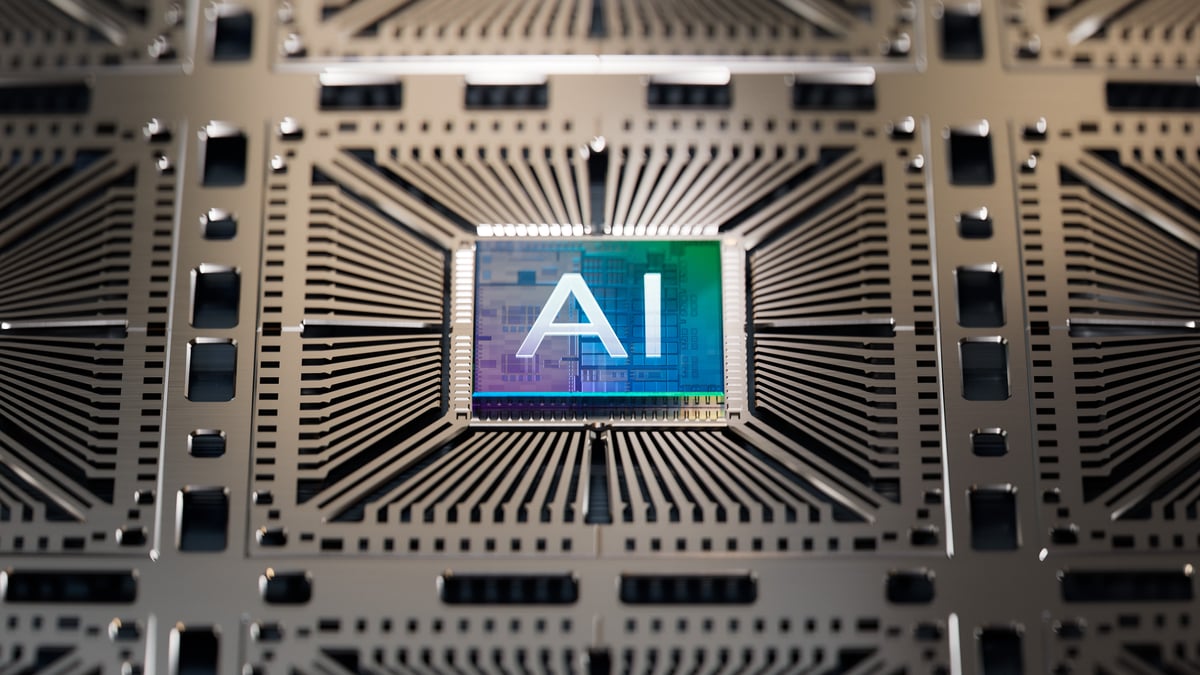
In a blog post, Google writes: "Today at Google Cloud Next, we are introducing the eighth generation of Google's custom Tensor Processor Unit, coming soon with two distinct, purpose-built architectures for training and inference: TPU 8t and TPU 8i. These two chips are designed to power our custom-built supercomputers, to drive everything from cutting-edge model training and agent development, to massive inference workloads. TPUs have been powering leading foundation models, including Gemini, for years. These 8th generation TPUs together will deliver scale, efficiency and capabilities across training, serving and agentic workloads. In this age of AI agents, models must reason through problems, execute multi-step workflows and learn from their own actions in continuous loops. This places a new set of demands on infrastructure, and TPU 8t and TPU 8i were designed in partnership with Google DeepMind to take on the most demanding AI workloads and adapt to evolving model architectures at scale."
Trade with 70% Backtested Accuracy
Analyst Views on GOOGL

About GOOGL
About the author

Tech Rally: Promising Prospects for AMD and Alphabet


- Nasdaq Reaches New High: The Nasdaq index recently hit an all-time high, reflecting strong market confidence in tech stocks despite near-term uncertainties from the Iran conflict, positioning AI stocks as long-term investment opportunities.
- AMD's AI Potential: AMD is strategically positioned at the intersection of inference and agentic AI trends, leveraging improved ROCm software and chip design, and is expected to benefit from a 6GW power supply partnership with Meta and OpenAI, solidifying its leadership in the data center CPU market.
- Alphabet's Chip Advantage: Alphabet stands out in the AI race with its custom tensor processing units (TPUs), developed over a decade, allowing it to train and run its leading Gemini model at significantly lower costs than competitors, enhancing its cloud computing business competitiveness.
- Optimistic Market Outlook: With rapid advancements in AI technology, both AMD and Alphabet are actively positioning themselves for growth, with AMD focusing on developing data center CPUs and Alphabet attracting more customers through its open TPU framework, indicating strong growth potential for both companies in the future.

AMD and Alphabet Seize Opportunities in AI Sector
- AMD's AI Potential: AMD is positioned at the intersection of inference and agentic AI trends, enhancing its competitive edge in AI infrastructure through partnerships with Meta and OpenAI, providing 6 gigawatts of power, and securing warrants in AMD stock, which boosts its market standing.
- Data Center CPU Market: AMD is developing CPUs specifically for agentic AI, and with the surging demand for AI agents in data centers, the company is poised to lead in this rapidly growing market, becoming a key supplier of future AI hardware.
- Alphabet's Custom Chip Advantage: Alphabet stands out in the AI race with its tensor processing units (TPUs) introduced over a decade ago, and the recent evolution of TPUs for separate training and inference will further reduce costs for running its leading AI models.
- Cloud Computing Business Growth: Alphabet's cloud computing business benefits from its low-cost TPUs, and through collaboration with Broadcom, it has started selling TPUs directly to customers, creating a new high-margin revenue stream that solidifies its leadership in the AI market.

Corporate Earnings Season Shows Strong Performance


- Earnings Beat: So far, about 28% of S&P 500 companies have reported Q1 results, with over 81% exceeding analyst expectations, indicating strong profitability and market confidence.
- Growth Rate Surge: The blended S&P 500 earnings growth rate stands at 15.1%, surpassing the five-year average of 13%, marking the sixth consecutive quarter of double-digit profit growth, reflecting resilience in a challenging macroeconomic environment.
- Outperformance Margin: S&P 500 companies are exceeding earnings estimates by an average of 12.3%, significantly above the five-year average of 7.3%, showcasing remarkable revenue and net income growth that boosts investor confidence.
- Optimistic Market Outlook: Despite geopolitical tensions between the U.S. and Iran keeping oil prices elevated, with West Texas Intermediate futures rising 2% to trade above $96 per barrel, the optimistic outlook for corporate earnings may drive the index to new highs.

OpenAI and Microsoft Revamp Partnership Agreement
- Revenue Share Cap: The new agreement between OpenAI and Microsoft establishes a total cap on revenue share payments, maintaining a 20% payment rate, which ensures revenue stability for OpenAI through 2030 while reducing reliance on technological advancements.
- Cloud Service Flexibility: The revamped partnership allows OpenAI to serve products across any cloud provider, although Microsoft remains its primary cloud partner, enhancing OpenAI's competitive edge in the market and better addressing customer needs.
- Strategic Investment Context: Microsoft has invested over $13 billion in OpenAI since 2019, and despite signs of strain in their relationship, it continues to be viewed as a core strategic partnership, highlighting the long-term collaborative potential in the AI sector.
- Diversification Cooperation Trend: OpenAI is actively seeking partnerships with Microsoft competitors like Amazon, planning to expand its agreement with Amazon to $100 billion over the next eight years, indicating a proactive approach to market share expansion amid competitive pressures.
Microsoft Loses Exclusive Access to OpenAI Technology

- Partnership Shift: Microsoft will no longer have exclusive access to OpenAI's AI models and products, a significant change that allows OpenAI to sell its technology to rival cloud platforms like Amazon and Google, thereby breaking Microsoft's monopoly in the AI sector.
- Market Reaction: Following the announcement, Microsoft's shares fell nearly 3%, while Alphabet and Amazon saw slight gains, indicating the market's mixed response to this partnership change, which could impact Microsoft's competitive edge.
- Ongoing Collaboration: Despite losing exclusivity, Microsoft will remain OpenAI's primary cloud partner and retain a license for OpenAI's intellectual property through 2032, indicating that their partnership remains strong and that Microsoft's positioning in the AI landscape is still crucial.
- Increased Competition: This change may intensify competition in the AI market, particularly in cloud computing, as Microsoft faces greater pressure from companies like Amazon and Google, potentially affecting its future market share and technology development strategy.

Google Partners with MediaTek for New TPU Chips

- Next-Gen Processor Launch: Google has announced its eighth-generation Tensor Processing Units (TPUs), with the TPU 8t designed for training AI models and the TPU 8i for inference, highlighting the company's ongoing innovation in the AI sector.
- Partnership Development: According to Taiwan's Commercial Times, Google is likely to collaborate with MediaTek, which will provide I/O dies and back-end design services, enhancing Google's capabilities in chip design and manufacturing.
- Manufacturing Technology Upgrade: Taiwan Semiconductor Manufacturing Company (TSMC) will utilize its 3-nanometer technology to manufacture the TPU 8t and provide advanced chip packaging technology, significantly improving chip performance and energy efficiency, thereby solidifying Google's position in the high-performance computing market.
- Market Impact: The launch of these new chips not only strengthens Google's competitiveness in AI training and inference but also has the potential to drive growth in its cloud computing business, attracting more enterprise customers to utilize its AI services.
Tech Rally: Promising Prospects for AMD and Alphabet
- Nasdaq Reaches New High: The Nasdaq index recently hit an all-time high, reflecting strong market confidence in tech stocks despite near-term uncertainties from the Iran conflict, positioning AI stocks as long-term investment opportunities.
- AMD's AI Potential: AMD is strategically positioned at the intersection of inference and agentic AI trends, leveraging improved ROCm software and chip design, and is expected to benefit from a 6GW power supply partnership with Meta and OpenAI, solidifying its leadership in the data center CPU market.
- Alphabet's Chip Advantage: Alphabet stands out in the AI race with its custom tensor processing units (TPUs), developed over a decade, allowing it to train and run its leading Gemini model at significantly lower costs than competitors, enhancing its cloud computing business competitiveness.
- Optimistic Market Outlook: With rapid advancements in AI technology, both AMD and Alphabet are actively positioning themselves for growth, with AMD focusing on developing data center CPUs and Alphabet attracting more customers through its open TPU framework, indicating strong growth potential for both companies in the future.
AMD and Alphabet Seize Opportunities in AI Sector
- AMD's AI Potential: AMD is positioned at the intersection of inference and agentic AI trends, enhancing its competitive edge in AI infrastructure through partnerships with Meta and OpenAI, providing 6 gigawatts of power, and securing warrants in AMD stock, which boosts its market standing.
- Data Center CPU Market: AMD is developing CPUs specifically for agentic AI, and with the surging demand for AI agents in data centers, the company is poised to lead in this rapidly growing market, becoming a key supplier of future AI hardware.
- Alphabet's Custom Chip Advantage: Alphabet stands out in the AI race with its tensor processing units (TPUs) introduced over a decade ago, and the recent evolution of TPUs for separate training and inference will further reduce costs for running its leading AI models.
- Cloud Computing Business Growth: Alphabet's cloud computing business benefits from its low-cost TPUs, and through collaboration with Broadcom, it has started selling TPUs directly to customers, creating a new high-margin revenue stream that solidifies its leadership in the AI market.
Corporate Earnings Season Shows Strong Performance
- Earnings Beat: So far, about 28% of S&P 500 companies have reported Q1 results, with over 81% exceeding analyst expectations, indicating strong profitability and market confidence.
- Growth Rate Surge: The blended S&P 500 earnings growth rate stands at 15.1%, surpassing the five-year average of 13%, marking the sixth consecutive quarter of double-digit profit growth, reflecting resilience in a challenging macroeconomic environment.
- Outperformance Margin: S&P 500 companies are exceeding earnings estimates by an average of 12.3%, significantly above the five-year average of 7.3%, showcasing remarkable revenue and net income growth that boosts investor confidence.
- Optimistic Market Outlook: Despite geopolitical tensions between the U.S. and Iran keeping oil prices elevated, with West Texas Intermediate futures rising 2% to trade above $96 per barrel, the optimistic outlook for corporate earnings may drive the index to new highs.
OpenAI and Microsoft Revamp Partnership Agreement
- Revenue Share Cap: The new agreement between OpenAI and Microsoft establishes a total cap on revenue share payments, maintaining a 20% payment rate, which ensures revenue stability for OpenAI through 2030 while reducing reliance on technological advancements.
- Cloud Service Flexibility: The revamped partnership allows OpenAI to serve products across any cloud provider, although Microsoft remains its primary cloud partner, enhancing OpenAI's competitive edge in the market and better addressing customer needs.
- Strategic Investment Context: Microsoft has invested over $13 billion in OpenAI since 2019, and despite signs of strain in their relationship, it continues to be viewed as a core strategic partnership, highlighting the long-term collaborative potential in the AI sector.
- Diversification Cooperation Trend: OpenAI is actively seeking partnerships with Microsoft competitors like Amazon, planning to expand its agreement with Amazon to $100 billion over the next eight years, indicating a proactive approach to market share expansion amid competitive pressures.
Microsoft Loses Exclusive Access to OpenAI Technology
- Partnership Shift: Microsoft will no longer have exclusive access to OpenAI's AI models and products, a significant change that allows OpenAI to sell its technology to rival cloud platforms like Amazon and Google, thereby breaking Microsoft's monopoly in the AI sector.
- Market Reaction: Following the announcement, Microsoft's shares fell nearly 3%, while Alphabet and Amazon saw slight gains, indicating the market's mixed response to this partnership change, which could impact Microsoft's competitive edge.
- Ongoing Collaboration: Despite losing exclusivity, Microsoft will remain OpenAI's primary cloud partner and retain a license for OpenAI's intellectual property through 2032, indicating that their partnership remains strong and that Microsoft's positioning in the AI landscape is still crucial.
- Increased Competition: This change may intensify competition in the AI market, particularly in cloud computing, as Microsoft faces greater pressure from companies like Amazon and Google, potentially affecting its future market share and technology development strategy.
Google Partners with MediaTek for New TPU Chips
- Next-Gen Processor Launch: Google has announced its eighth-generation Tensor Processing Units (TPUs), with the TPU 8t designed for training AI models and the TPU 8i for inference, highlighting the company's ongoing innovation in the AI sector.
- Partnership Development: According to Taiwan's Commercial Times, Google is likely to collaborate with MediaTek, which will provide I/O dies and back-end design services, enhancing Google's capabilities in chip design and manufacturing.
- Manufacturing Technology Upgrade: Taiwan Semiconductor Manufacturing Company (TSMC) will utilize its 3-nanometer technology to manufacture the TPU 8t and provide advanced chip packaging technology, significantly improving chip performance and energy efficiency, thereby solidifying Google's position in the high-performance computing market.
- Market Impact: The launch of these new chips not only strengthens Google's competitiveness in AI training and inference but also has the potential to drive growth in its cloud computing business, attracting more enterprise customers to utilize its AI services.