Goldman Sachs and Nasdaq Leaders to Attend Finance Forum


The walls between Wall Street and the digital frontier continue to fall as banking titans and exchange leaders align with the administration for a historic policy summit. While institutional giants solidify their crypto roadmaps, retail investors are navigating a complex "milder" crypto winter and a transformative tax reporting landscape .Stay up on the crypto news that matters with "Crypto Currents," daily from The Fly. Join us at 2 PM ET for your essential briefing on the fast-moving world of cryptocurrency on FlyCast radio.WALL STREET LEADERSHIP AND POLICYMAKERS TO ALIGN AT FINANCE FORUM:The nexus of traditional finance and the digital asset industry is set to reach a new milestone as executive leadership from Goldman Sachsand Nasdaqprepare to join a high-stakes "future of finance" forum., CEOs of these major financial institutions will headline the event at Mar-a-Lago alongside political figures, signaling a profound tightening of ties between the administration's crypto initiatives and the banking sector. Reinforcing this trend, Intercontinental Exchangeannounced thatto increase institutional access to digital asset markets. This institutional shift is mirrored in Washington, D.C., wherethe launch of its new Policy Center led by veteran crypto lawyer Jake Chervinsky. The center's primary objective is to draft a legal framework for perpetual derivatives and create a clear adoption pathway for decentralized finance within the United States.STARBOARD VALUE PRESSES RIOT PLATFORMS ON AI PIVOT AS ANALYSTS IDENTIFY MINING LEADERS:Infrastructure is becoming the primary battleground for crypto growth, with activist investor Starboard Value formally urging bitcoinminer Riot Platformsto accelerate its transition into artificial intelligence data centers.that Starboard believes Riot is significantly undervalued compared to competitors who have more aggressively courted hyperscaler tenants. This focus on infrastructure efficiency is echoed by JPMorgan, which has officially named Bitdeeras a leader in the mining sector. Amidst these shifts, Strategyexecutive chairman Michael Saylor noted onthatwhile the market is in a "crypto winter," it appears to be far milder and shorter than previous cycles.ETORO SURGES ON EARNINGS BEAT AS FIGURE TECHNOLOGY UPSIZES SECONDARY OFFERING:Publicly traded crypto-adjacent firms are seeing significant market action, with eToroshares jumping over 20% following a fourth-quarter earnings report that exceeded analyst expectations.that cryptoasset activity was the primary driver for eToro's $3.87B in Q4 revenue. Simultaneously, Figure Technology Solutionsannounced the pricing and upsizing of a secondary public offering for its Series A Blockchain Common Stock at $32.00 per share, as detailed in a. The deal, led by Goldman Sachs, Morgan Stanley, and Cantor, includes a $10M share repurchase of Class A common stock by Figure.IRS REPORTING SHAKEUP LEAVES RETAIL INVESTORS WARY AHEAD OF TAX SEASON:While institutions find their footing, retail sentiment is being tested by new transparency mandates from the Internal Revenue Service.that a survey of 1,000 investors found over half are fearful of penalties related to the new Form 1099-DA, which requires brokers like Coinbaseto automatically report transactions. Despite these concerns, Wells Fargo analysts are predicting a massive liquidity injection, suggesting a "YOLO" trade could send $150B into risk assets like bitcoin and etherby the end of March as taxpayers receive larger refunds, per.PRICE ACTION:As of time of writing, bitcoin was trading at$67,191.01, while ether was trading at $1,972.89,.
Trade with 70% Backtested Accuracy
Analyst Views on GS

About GS
About the author


Iran Conflict Sparks Structural Inflation Concerns

- Surging Energy Costs: The military strikes by the U.S. and Israel on Iran have caused crude oil futures to rise 74% year-to-date to approximately $100, leading to a long-term crisis in the global energy market that impacts operational costs across various sectors.
- Refining Capacity Damage: According to the French government, 30% to 40% of Gulf oil refining capacity has been damaged during the conflict, resulting in a shortage of 11 million barrels per day, with repairs potentially taking years, further exacerbating market uncertainty.
- Rising Inflation Expectations: Analysts at Goldman Sachs predict that the war will increase U.S. inflation by 0.2 percentage points to 3.1% by the end of 2026, which could undermine consumer confidence and heighten the risk of an economic recession.
- AI Projects Struggling: As energy costs rise, many AI projects are facing profitability challenges, exemplified by OpenAI's decision to shut down its video generation platform Sora, indicating a cautious investment attitude among companies amid the uncertainty of the Trump economy.
Trump's Election Sparks Economic Concerns Ahead
- Energy Crisis Impact: The U.S. and Israel's military strikes on Iran have led to a 74% surge in global oil prices to around $100, with 30%-40% of Gulf oil refining capacity damaged, creating a daily shortfall of 11 million barrels, and repairs could take years, potentially increasing investment risks and stifling economic growth.
- Inflation Rebound Risk: Rising energy costs are expected to push U.S. inflation up by 0.2 percentage points to 3.1% by the end of 2026, which, while seemingly minor, could exacerbate declining consumer confidence and trigger a recession, complicating the Federal Reserve's efforts to manage inflation.
- AI Economics Strained: Despite a $700 billion investment in generative AI over the past three years, rising energy costs are pressuring many AI projects, with OpenAI shutting down its video generation platform Sora due to high compute costs, indicating the financial strain on the AI sector and signaling increasing uncertainty in Trump's economy.
- Market Outlook Dim: As the energy crisis and inflation pressures mount, investors should expect interest rates to remain elevated, increasing corporate financing costs and leading to poor stock performance, suggesting that the
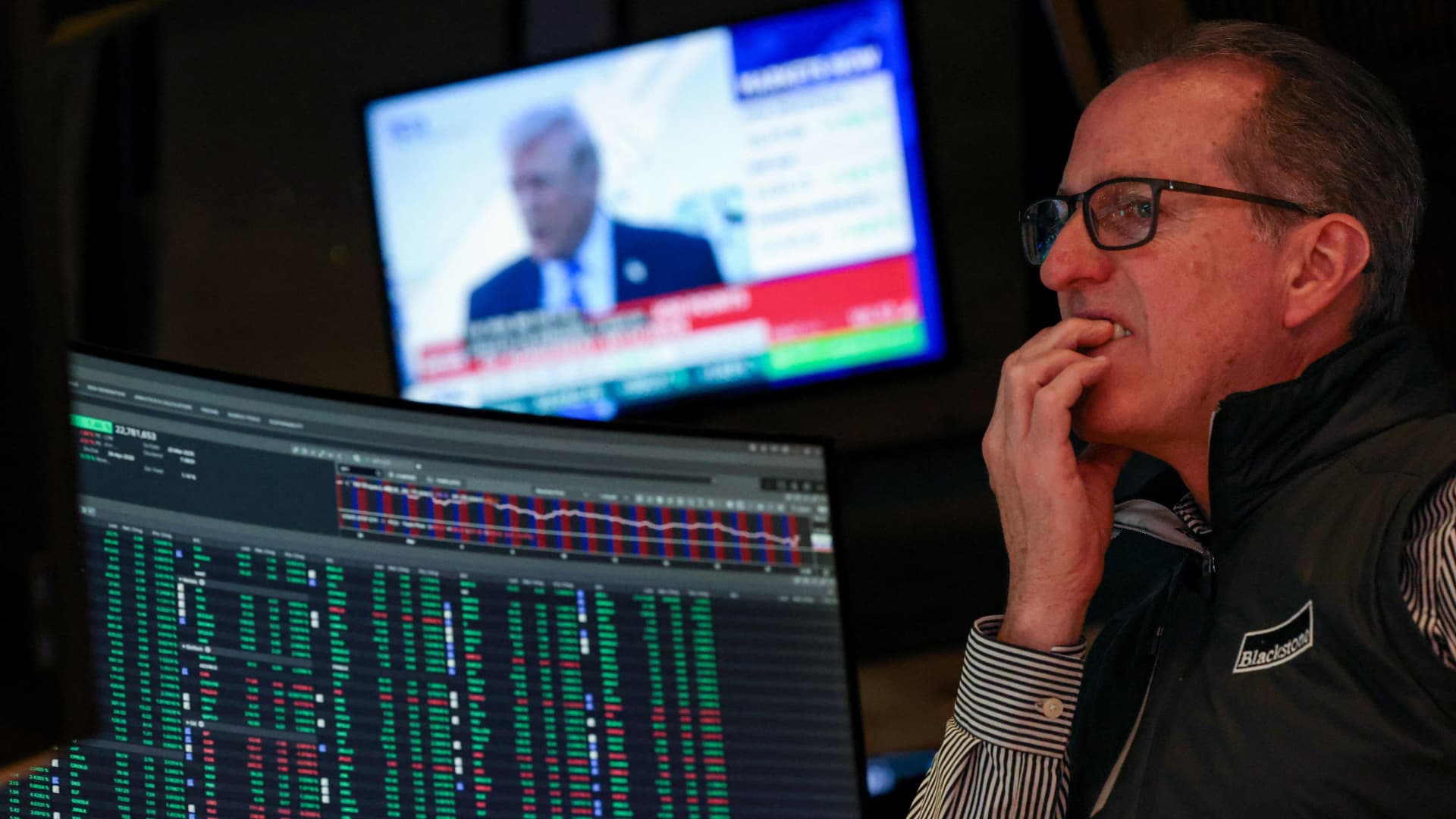
Stock Market Rallies on Optimism Over Iran War Resolution

- Market Rebound: The S&P 500 and Nasdaq Composite rose 3.4% and 4.4% respectively during the holiday-shortened trading week, breaking a five-week losing streak, reflecting optimism about a potential resolution to the Iran war.
- Oil Price Volatility: Despite an 11.4% surge in oil prices on Thursday, the stock market still rallied, indicating a new understanding of the inverse relationship between oil prices and stocks, which may signal increased investor confidence for the future.
- Strong Employment Data: The U.S. March jobs report revealed an addition of 178,000 jobs, significantly surpassing the Dow Jones estimate of 59,000, suggesting a healthy labor market that could alleviate concerns about stagflation driven by rising oil prices.
- IPO Surge: SpaceX confidentially filed for an IPO, potentially valued at $1.75 trillion, while OpenAI and other startups are also considering going public, which could bring new capital inflows and investment opportunities to the market.

U.S. Nonfarm Payrolls Surge in March, Unemployment Rate Drops

- Nonfarm Payroll Growth: U.S. nonfarm payrolls increased by 178K in March, significantly surpassing the consensus of 51K, indicating strong economic recovery, particularly in healthcare and construction sectors, which reflects heightened business hiring activity.
- Unemployment Rate Decline: The unemployment rate fell to 4.3%, below the expected 4.4%, although the labor force participation rate slightly dropped to 61.9%, suggesting that while the job market is improving, many individuals may be exiting the workforce, potentially impacting future economic growth.
- Wage Growth Slowdown: Average hourly earnings rose by 0.2% month-over-month, below the expected 0.3%, with a year-over-year increase of 3.5%, indicating that slowing wage growth may face inflationary pressures, which could affect consumer spending and overall economic vitality.
- Divergent Industry Performance: While the leisure and hospitality sectors show resilience, financial activities saw a decline of 15K jobs, reflecting concerns over economic slowdown, particularly as major banks' stock performances falter, potentially signaling future economic challenges.

Goldman Sachs Preferred Stock Performance Review
- Stock Performance: Goldman Sachs Group's Floating Rate Non-Cumulative Preferred Stock (GS.PRC) rose approximately 0.9% on Thursday, while common shares (GS) increased by only about 0.1%, indicating the preferred stock's relative strength amid market fluctuations.
- Dividend History: The dividend history chart for GS.PRC illustrates the historical dividend payments, highlighting its appeal as a stable income investment, particularly in the current economic climate.
- Market Reaction: Despite a lackluster overall market performance, the upward trend of GS.PRC may attract investors seeking stable returns, thereby enhancing its significance in investment portfolios.
- Investor Perspectives: The views expressed are those of the author and do not necessarily reflect those of Nasdaq, underscoring the importance of diverse opinions in market analysis.
CFTC Sues Three States Over Prediction Market Regulations

- Legal Action: The Commodity Futures Trading Commission (CFTC) has filed a lawsuit against Arizona, Connecticut, and Illinois, accusing these states of unlawfully attempting to regulate prediction markets, despite CFTC's exclusive jurisdiction under the Commodity Exchange Act.
- Regulatory Challenges: CFTC Chairman Michael Selig emphasized that states imposing inconsistent regulatory obligations lead to inadequate consumer protection and increased fraud risks, highlighting the uncertainty in the regulatory environment for market participants.
- Industry Development Dynamics: Although prediction markets have operated within the CFTC's regulatory framework for over two decades, many view them as novel or unsettled, resulting in uncertainty that negatively impacts public interest and market stability.
- Market Participant Response: With major prediction markets like Polymarket and Kalshi in operation, and even Wall Street banks like Goldman Sachs considering entry into this space, there is a growing interest and potential for growth in prediction markets.
Iran Conflict Sparks Structural Inflation Concerns
- Surging Energy Costs: The military strikes by the U.S. and Israel on Iran have caused crude oil futures to rise 74% year-to-date to approximately $100, leading to a long-term crisis in the global energy market that impacts operational costs across various sectors.
- Refining Capacity Damage: According to the French government, 30% to 40% of Gulf oil refining capacity has been damaged during the conflict, resulting in a shortage of 11 million barrels per day, with repairs potentially taking years, further exacerbating market uncertainty.
- Rising Inflation Expectations: Analysts at Goldman Sachs predict that the war will increase U.S. inflation by 0.2 percentage points to 3.1% by the end of 2026, which could undermine consumer confidence and heighten the risk of an economic recession.
- AI Projects Struggling: As energy costs rise, many AI projects are facing profitability challenges, exemplified by OpenAI's decision to shut down its video generation platform Sora, indicating a cautious investment attitude among companies amid the uncertainty of the Trump economy.
Trump's Election Sparks Economic Concerns Ahead
- Energy Crisis Impact: The U.S. and Israel's military strikes on Iran have led to a 74% surge in global oil prices to around $100, with 30%-40% of Gulf oil refining capacity damaged, creating a daily shortfall of 11 million barrels, and repairs could take years, potentially increasing investment risks and stifling economic growth.
- Inflation Rebound Risk: Rising energy costs are expected to push U.S. inflation up by 0.2 percentage points to 3.1% by the end of 2026, which, while seemingly minor, could exacerbate declining consumer confidence and trigger a recession, complicating the Federal Reserve's efforts to manage inflation.
- AI Economics Strained: Despite a $700 billion investment in generative AI over the past three years, rising energy costs are pressuring many AI projects, with OpenAI shutting down its video generation platform Sora due to high compute costs, indicating the financial strain on the AI sector and signaling increasing uncertainty in Trump's economy.
- Market Outlook Dim: As the energy crisis and inflation pressures mount, investors should expect interest rates to remain elevated, increasing corporate financing costs and leading to poor stock performance, suggesting that the
Stock Market Rallies on Optimism Over Iran War Resolution
- Market Rebound: The S&P 500 and Nasdaq Composite rose 3.4% and 4.4% respectively during the holiday-shortened trading week, breaking a five-week losing streak, reflecting optimism about a potential resolution to the Iran war.
- Oil Price Volatility: Despite an 11.4% surge in oil prices on Thursday, the stock market still rallied, indicating a new understanding of the inverse relationship between oil prices and stocks, which may signal increased investor confidence for the future.
- Strong Employment Data: The U.S. March jobs report revealed an addition of 178,000 jobs, significantly surpassing the Dow Jones estimate of 59,000, suggesting a healthy labor market that could alleviate concerns about stagflation driven by rising oil prices.
- IPO Surge: SpaceX confidentially filed for an IPO, potentially valued at $1.75 trillion, while OpenAI and other startups are also considering going public, which could bring new capital inflows and investment opportunities to the market.
U.S. Nonfarm Payrolls Surge in March, Unemployment Rate Drops
- Nonfarm Payroll Growth: U.S. nonfarm payrolls increased by 178K in March, significantly surpassing the consensus of 51K, indicating strong economic recovery, particularly in healthcare and construction sectors, which reflects heightened business hiring activity.
- Unemployment Rate Decline: The unemployment rate fell to 4.3%, below the expected 4.4%, although the labor force participation rate slightly dropped to 61.9%, suggesting that while the job market is improving, many individuals may be exiting the workforce, potentially impacting future economic growth.
- Wage Growth Slowdown: Average hourly earnings rose by 0.2% month-over-month, below the expected 0.3%, with a year-over-year increase of 3.5%, indicating that slowing wage growth may face inflationary pressures, which could affect consumer spending and overall economic vitality.
- Divergent Industry Performance: While the leisure and hospitality sectors show resilience, financial activities saw a decline of 15K jobs, reflecting concerns over economic slowdown, particularly as major banks' stock performances falter, potentially signaling future economic challenges.
Goldman Sachs Preferred Stock Performance Review
- Stock Performance: Goldman Sachs Group's Floating Rate Non-Cumulative Preferred Stock (GS.PRC) rose approximately 0.9% on Thursday, while common shares (GS) increased by only about 0.1%, indicating the preferred stock's relative strength amid market fluctuations.
- Dividend History: The dividend history chart for GS.PRC illustrates the historical dividend payments, highlighting its appeal as a stable income investment, particularly in the current economic climate.
- Market Reaction: Despite a lackluster overall market performance, the upward trend of GS.PRC may attract investors seeking stable returns, thereby enhancing its significance in investment portfolios.
- Investor Perspectives: The views expressed are those of the author and do not necessarily reflect those of Nasdaq, underscoring the importance of diverse opinions in market analysis.
CFTC Sues Three States Over Prediction Market Regulations
- Legal Action: The Commodity Futures Trading Commission (CFTC) has filed a lawsuit against Arizona, Connecticut, and Illinois, accusing these states of unlawfully attempting to regulate prediction markets, despite CFTC's exclusive jurisdiction under the Commodity Exchange Act.
- Regulatory Challenges: CFTC Chairman Michael Selig emphasized that states imposing inconsistent regulatory obligations lead to inadequate consumer protection and increased fraud risks, highlighting the uncertainty in the regulatory environment for market participants.
- Industry Development Dynamics: Although prediction markets have operated within the CFTC's regulatory framework for over two decades, many view them as novel or unsettled, resulting in uncertainty that negatively impacts public interest and market stability.
- Market Participant Response: With major prediction markets like Polymarket and Kalshi in operation, and even Wall Street banks like Goldman Sachs considering entry into this space, there is a growing interest and potential for growth in prediction markets.