GM's Chevy Bolt EV Revival Cut Short by Policy Changes
Written by Emily J. Thompson, Senior Investment Analyst
Updated: 1 hour ago
0mins
Should l Buy GM?
Source: Fool
- Policy Impact: The Trump administration's adjustments to U.S. vehicle emissions policies and the elimination of the $7,500 EV tax credit have significantly hindered GM's plans for the Chevy Bolt EV revival, with analysts predicting production could cease as early as January 2024, directly affecting the company's competitiveness in the EV market.
- Sales History Recap: The Bolt EV experienced a 50% sales surge in 2022 and achieved a record 62,000 units sold in 2023; however, its discontinuation reflects a lack of confidence in its future, which could adversely affect GM's brand loyalty among consumers.
- Customer Attraction: Priced under $30,000, the Bolt attracted a significant number of new customers, with 75% of Bolt owners previously driving non-GM vehicles, showcasing its success in customer conquest, yet policy changes threaten the sustainability of this success.
- Future Strategic Challenges: GM must identify a new model to carry forward the customer loyalty and market share achieved by the Bolt, as its short-lived revival highlights the policy and market challenges the company faces in the EV sector, impacting its future electric vehicle development strategy.
Trade with 70% Backtested Accuracy
Stop guessing "Should I Buy GM?" and start using high-conviction signals backed by rigorous historical data.
Sign up today to access powerful investing tools and make smarter, data-driven decisions.
Analyst Views on GM
Wall Street analysts forecast GM stock price to rise
19 Analyst Rating
14 Buy
4 Hold
1 Sell
Moderate Buy
Current: 73.790

Low
57.00
Averages
95.06
High
122.00
Current: 73.790
Low
57.00
Averages
95.06
High
122.00
About GM
General Motors Company designs, builds and sells trucks, crossovers, cars and automobile parts and provides software-enabled services and subscriptions worldwide. The Company's segments include GMNA, GMI, Cruise and GM Financial. Its GM North America (GMNA) and GM International (GMI) develop, manufacture and/or markets vehicles under the Buick, Cadillac, Chevrolet and GMC brands. The Company provides automotive financing services through its General Motors Financial Company, Inc. (GM Financial) segment. Its Cruise segment is engaged in the development and commercialization of autonomous vehicle technology. Its software-enabled services and subscriptions, including OnStar, its advanced driver-assistance systems (ADAS), including Super Cruise driver assistance technology, and its end-to-end software platform. The Company is also focused on investing in electric vehicles (EVs) and AVs, software-enabled services and subscriptions and new business opportunities.
About the author

Emily J. Thompson
Emily J. Thompson, a Chartered Financial Analyst (CFA) with 12 years in investment research, graduated with honors from the Wharton School. Specializing in industrial and technology stocks, she provides in-depth analysis for Intellectia’s earnings and market brief reports.

Trump Administration's Major Changes to Automotive Policies

- Tax Policy Impact: The Trump administration's elimination of the $7,500 EV tax credit significantly diminished the Chevrolet Bolt's value, posing substantial challenges to GM's revival plans and impacting its competitiveness in the electric vehicle market.
- Sales Data Review: Despite a 50% sales surge in 2022 and a record 62,000 units sold in 2023, GM's decision to limit the Bolt's revival to a short production run, potentially ending in January, threatens its future market share due to changing policies.
- Customer Loyalty Analysis: The Bolt attracted a significant number of new customers, with 75% of owners previously driving non-GM vehicles, and 72% of Bolt owners opting for GM brands in their next purchase, highlighting the model's importance in customer conversion and brand loyalty.
- Future Strategic Challenges: GM must identify a new model to sustain the customer base and market influence established by the Bolt, ensuring its ongoing competitiveness in the EV sector, particularly against pressures from rivals like Ford.
See More
GM's Chevy Bolt EV Revival Cut Short by Policy Changes
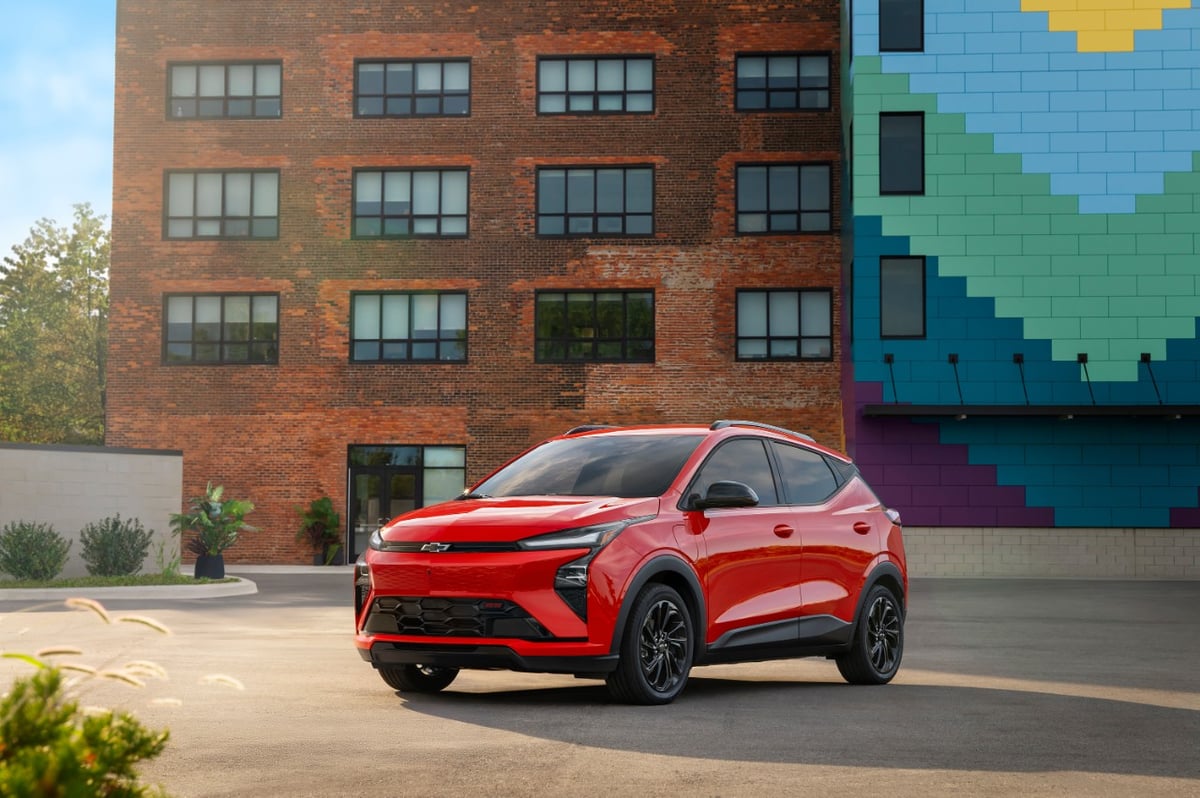
- Policy Impact: The Trump administration's adjustments to U.S. vehicle emissions policies and the elimination of the $7,500 EV tax credit have significantly hindered GM's plans for the Chevy Bolt EV revival, with analysts predicting production could cease as early as January 2024, directly affecting the company's competitiveness in the EV market.
- Sales History Recap: The Bolt EV experienced a 50% sales surge in 2022 and achieved a record 62,000 units sold in 2023; however, its discontinuation reflects a lack of confidence in its future, which could adversely affect GM's brand loyalty among consumers.
- Customer Attraction: Priced under $30,000, the Bolt attracted a significant number of new customers, with 75% of Bolt owners previously driving non-GM vehicles, showcasing its success in customer conquest, yet policy changes threaten the sustainability of this success.
- Future Strategic Challenges: GM must identify a new model to carry forward the customer loyalty and market share achieved by the Bolt, as its short-lived revival highlights the policy and market challenges the company faces in the EV sector, impacting its future electric vehicle development strategy.
See More

Tesla Faces Intensified Competition Ahead


- Market Share Analysis: As of last quarter, Tesla controls over 50% of the U.S. electric vehicle market, maintaining its dominance despite increased competition, which underscores its brand strength and market penetration.
- Sales Concentration Trend: In 2025, Tesla delivered 418,227 vehicles, with over 350,000 being Model Y, accounting for more than 80% of total sales, indicating the model's critical role in the company's performance and its future as a primary revenue and profit driver.
- Escalating Competitive Threats: With Rivian set to launch its R2 SUV and two additional models, Tesla's Model Y faces unprecedented competitive pressure, as Rivian's pricing strategy may attract budget-conscious consumers, potentially impacting Tesla's market share.
- Traditional Automakers Scaling Back: Companies like Ford and General Motors are reducing their EV plans, with Ford selling only 84,000 EVs in 2025 and incurring nearly $5 billion in losses due to declining demand, which may provide Tesla with a short-term competitive advantage.
See More
Tesla Faces Intensified Competition and Investment Cutbacks
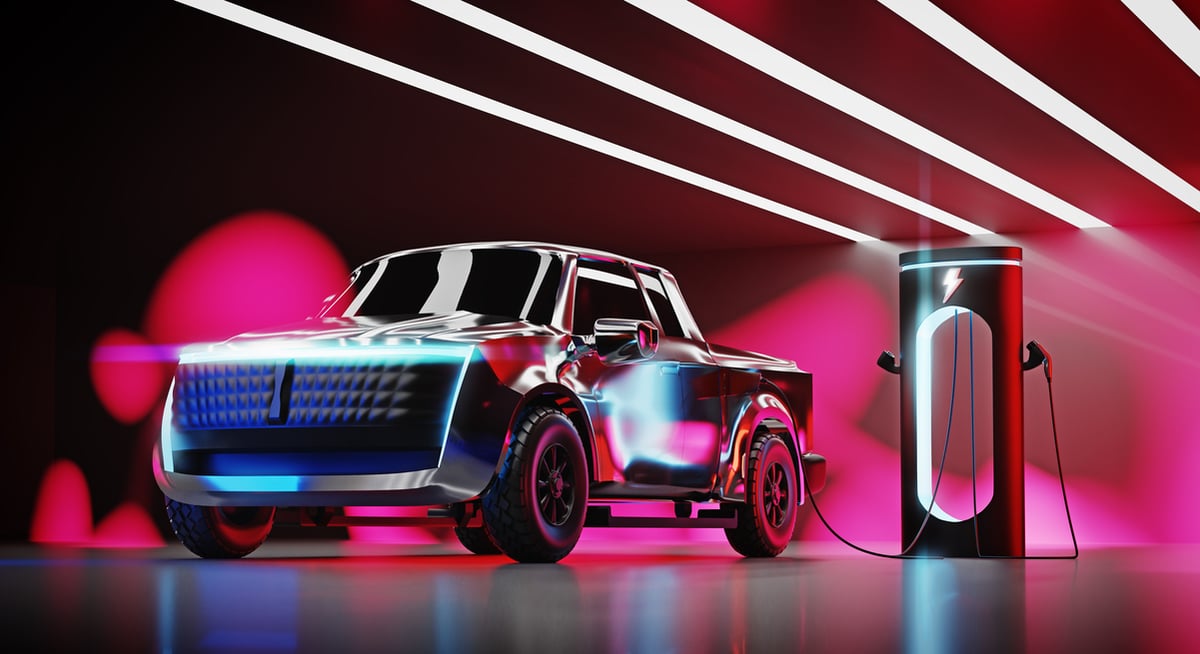
- Market Share Status: As of last quarter, Tesla controls over 50% of the U.S. electric vehicle market, maintaining its leading position despite increasing competition, which underscores its strong influence in the EV sector.
- Increased Competitive Threats: Tesla's Model Y accounted for over 80% of its sales in 2025, yet the upcoming Rivian R2 SUV and its subsequent models pose a significant threat, potentially impacting Tesla's market share and profitability.
- Traditional Automakers Scaling Back: While Rivian is ramping up production, traditional automakers like Ford and GM are cutting back on EV investments, with Ford selling only 84,000 EVs in 2025, leading to nearly $5 billion in losses in its EV segment, indicating a trend of weakening market demand.
- Uncertain Industry Outlook: With 18 automakers canceling or delaying EV plans, Tesla investors need to monitor this unusual market dynamic to assess its potential impact on Tesla's future growth.
See More
Nissan Introduces New e-Power Hybrid System to U.S. Market


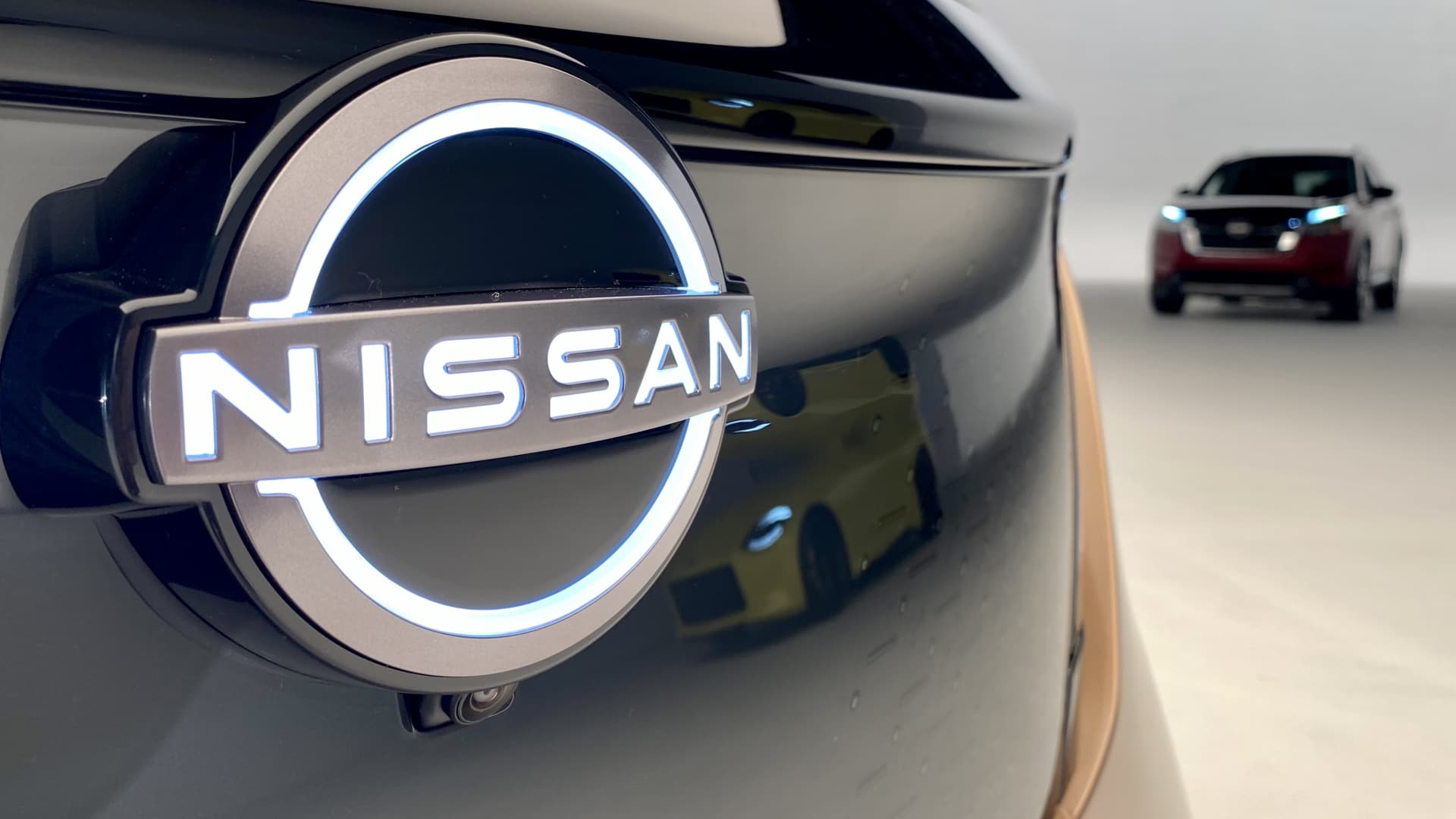
- e-Power Hybrid System: Nissan plans to introduce its new e-Power hybrid system in the U.S. market, which uses a traditional gasoline engine to generate power for electric motors, providing an all-electric driving experience and potentially enhancing Nissan's competitiveness in the hybrid market.
- Market Timing: With rising gas prices and slow EV adoption, Nissan's e-Power system is expected to meet consumer demands for fuel economy, as S&P Global Mobility forecasts hybrid sales to rise to 18.4% of new vehicle sales in 2023, a significant increase from last year.
- Powertrain Upgrade: Nissan has developed a more powerful 1.5-liter three-cylinder turbocharged engine for the e-Power system to improve efficiency at higher speeds and enhance driving dynamics, aiming to attract consumers who are hesitant about traditional hybrids.
- Global Success: Since its debut in Japan in 2016, Nissan's e-Power system has sold over 1.6 million vehicles in nearly 70 countries, demonstrating its global success and potential for similar recognition in the U.S. market.
See More
Tesla and General Motors Competitive Landscape
- Market Share Shift: While Tesla retains the top market share in the U.S. electric vehicle market, General Motors has quietly become the second-largest EV seller, posting a 48% year-over-year growth in electric vehicle sales for 2025, indicating its strong competitive position in the EV sector.
- Product Performance: GM's Sierra EV achieved a 32% year-over-year sales increase in Q4, while the Chevy Equinox EV has become the best-selling non-Tesla EV in the U.S., demonstrating strong consumer acceptance of its products.
- Strategic Adjustments and Future Plans: Although GM has recently slowed its EV strategy by reallocating some EV production capacity to gas-powered vehicles, management has reiterated that EVs are the company's future, with CEO Barra emphasizing that an EV-centered strategy remains the endgame.
- Tesla's Diversified Business: Tesla's energy business saw a 27% revenue growth last year, and its plans for robotaxis and humanoid robot production indicate higher profit potential, suggesting that Tesla's future growth is not solely dependent on EV sales.
See More
Trump Administration's Major Changes to Automotive Policies
- Tax Policy Impact: The Trump administration's elimination of the $7,500 EV tax credit significantly diminished the Chevrolet Bolt's value, posing substantial challenges to GM's revival plans and impacting its competitiveness in the electric vehicle market.
- Sales Data Review: Despite a 50% sales surge in 2022 and a record 62,000 units sold in 2023, GM's decision to limit the Bolt's revival to a short production run, potentially ending in January, threatens its future market share due to changing policies.
- Customer Loyalty Analysis: The Bolt attracted a significant number of new customers, with 75% of owners previously driving non-GM vehicles, and 72% of Bolt owners opting for GM brands in their next purchase, highlighting the model's importance in customer conversion and brand loyalty.
- Future Strategic Challenges: GM must identify a new model to sustain the customer base and market influence established by the Bolt, ensuring its ongoing competitiveness in the EV sector, particularly against pressures from rivals like Ford.
See More
GM's Chevy Bolt EV Revival Cut Short by Policy Changes
- Policy Impact: The Trump administration's adjustments to U.S. vehicle emissions policies and the elimination of the $7,500 EV tax credit have significantly hindered GM's plans for the Chevy Bolt EV revival, with analysts predicting production could cease as early as January 2024, directly affecting the company's competitiveness in the EV market.
- Sales History Recap: The Bolt EV experienced a 50% sales surge in 2022 and achieved a record 62,000 units sold in 2023; however, its discontinuation reflects a lack of confidence in its future, which could adversely affect GM's brand loyalty among consumers.
- Customer Attraction: Priced under $30,000, the Bolt attracted a significant number of new customers, with 75% of Bolt owners previously driving non-GM vehicles, showcasing its success in customer conquest, yet policy changes threaten the sustainability of this success.
- Future Strategic Challenges: GM must identify a new model to carry forward the customer loyalty and market share achieved by the Bolt, as its short-lived revival highlights the policy and market challenges the company faces in the EV sector, impacting its future electric vehicle development strategy.
See More
Tesla Faces Intensified Competition Ahead
- Market Share Analysis: As of last quarter, Tesla controls over 50% of the U.S. electric vehicle market, maintaining its dominance despite increased competition, which underscores its brand strength and market penetration.
- Sales Concentration Trend: In 2025, Tesla delivered 418,227 vehicles, with over 350,000 being Model Y, accounting for more than 80% of total sales, indicating the model's critical role in the company's performance and its future as a primary revenue and profit driver.
- Escalating Competitive Threats: With Rivian set to launch its R2 SUV and two additional models, Tesla's Model Y faces unprecedented competitive pressure, as Rivian's pricing strategy may attract budget-conscious consumers, potentially impacting Tesla's market share.
- Traditional Automakers Scaling Back: Companies like Ford and General Motors are reducing their EV plans, with Ford selling only 84,000 EVs in 2025 and incurring nearly $5 billion in losses due to declining demand, which may provide Tesla with a short-term competitive advantage.
See More
Tesla Faces Intensified Competition and Investment Cutbacks
- Market Share Status: As of last quarter, Tesla controls over 50% of the U.S. electric vehicle market, maintaining its leading position despite increasing competition, which underscores its strong influence in the EV sector.
- Increased Competitive Threats: Tesla's Model Y accounted for over 80% of its sales in 2025, yet the upcoming Rivian R2 SUV and its subsequent models pose a significant threat, potentially impacting Tesla's market share and profitability.
- Traditional Automakers Scaling Back: While Rivian is ramping up production, traditional automakers like Ford and GM are cutting back on EV investments, with Ford selling only 84,000 EVs in 2025, leading to nearly $5 billion in losses in its EV segment, indicating a trend of weakening market demand.
- Uncertain Industry Outlook: With 18 automakers canceling or delaying EV plans, Tesla investors need to monitor this unusual market dynamic to assess its potential impact on Tesla's future growth.
See More
Nissan Introduces New e-Power Hybrid System to U.S. Market
- e-Power Hybrid System: Nissan plans to introduce its new e-Power hybrid system in the U.S. market, which uses a traditional gasoline engine to generate power for electric motors, providing an all-electric driving experience and potentially enhancing Nissan's competitiveness in the hybrid market.
- Market Timing: With rising gas prices and slow EV adoption, Nissan's e-Power system is expected to meet consumer demands for fuel economy, as S&P Global Mobility forecasts hybrid sales to rise to 18.4% of new vehicle sales in 2023, a significant increase from last year.
- Powertrain Upgrade: Nissan has developed a more powerful 1.5-liter three-cylinder turbocharged engine for the e-Power system to improve efficiency at higher speeds and enhance driving dynamics, aiming to attract consumers who are hesitant about traditional hybrids.
- Global Success: Since its debut in Japan in 2016, Nissan's e-Power system has sold over 1.6 million vehicles in nearly 70 countries, demonstrating its global success and potential for similar recognition in the U.S. market.
See More
Tesla and General Motors Competitive Landscape
- Market Share Shift: While Tesla retains the top market share in the U.S. electric vehicle market, General Motors has quietly become the second-largest EV seller, posting a 48% year-over-year growth in electric vehicle sales for 2025, indicating its strong competitive position in the EV sector.
- Product Performance: GM's Sierra EV achieved a 32% year-over-year sales increase in Q4, while the Chevy Equinox EV has become the best-selling non-Tesla EV in the U.S., demonstrating strong consumer acceptance of its products.
- Strategic Adjustments and Future Plans: Although GM has recently slowed its EV strategy by reallocating some EV production capacity to gas-powered vehicles, management has reiterated that EVs are the company's future, with CEO Barra emphasizing that an EV-centered strategy remains the endgame.
- Tesla's Diversified Business: Tesla's energy business saw a 27% revenue growth last year, and its plans for robotaxis and humanoid robot production indicate higher profit potential, suggesting that Tesla's future growth is not solely dependent on EV sales.
See More