Global Memory Market Tightens Further
Written by Emily J. Thompson, Senior Investment Analyst
Updated: Feb 09 2026
0mins

Should l Buy MU?
Source: Benzinga
- Tightening Supply/Demand: Goldman Sachs analysts highlight that DRAM, NAND, and high-bandwidth memory are entering the tightest supply-demand landscape in over a decade, with a projected 4.9% DRAM undersupply in 2026, significantly above prior forecasts, indicating robust market demand for memory.
- Surge in Server Memory Demand: With strong deployments in AI servers and data centers, server-related memory is expected to account for over 50% of total DRAM demand in 2026 and 2027, driving rapid growth in the memory market, while demand from personal computers and smartphones is slowing.
- Price Surge Expectations: Goldman anticipates conventional DRAM prices to rise by 176% year-over-year in 2026, with operating margins reaching 70%-80%, near record levels, while NAND prices are expected to increase by 100%-120%, indicating a significant boost in profitability for memory producers.
- Positive Company Outlook: Goldman favors SK Hynix and SanDisk, expecting SK Hynix to achieve unprecedented operating margins, while SanDisk is set for upward earnings revisions due to accelerating enterprise demand, with a target price of $700, implying a 20% upside potential.
Trade with 70% Backtested Accuracy
Stop guessing "Should I Buy MU?" and start using high-conviction signals backed by rigorous historical data.
Sign up today to access powerful investing tools and make smarter, data-driven decisions.
Analyst Views on MU
Wall Street analysts forecast MU stock price to fall
26 Analyst Rating
24 Buy
2 Hold
0 Sell
Strong Buy
Current: 518.460

Low
235.00
Averages
336.12
High
500.00
Current: 518.460
Low
235.00
Averages
336.12
High
500.00
About MU
Micron Technology, Inc. provides memory and storage solutions. The Company delivers a portfolio of high-performance dynamic random-access memory (DRAM), NAND, and NOR memory and storage products through its Micron and Crucial brands. The Company's products enable advancing in artificial intelligence (AI) and compute-intensive applications. Its segments include Cloud Memory Business Unit (CMBU), Core Data Center Business Unit (CDBU), Mobile and Client Business Unit (MCBU) and Automotive and Embedded Business Unit (AEBU). CMBU is focused on memory solutions for large hyperscale cloud customers, and high bandwidth memory (HBM) for all data center customers. CDBU is focused on memory solutions for mid-tier cloud, enterprise, and OEM data center customers and storage solutions for all data center customers. MCBU is focused on memory and storage solutions for mobile and client segments. AEBU is focused on memory and storage solutions for the automotive, industrial, and consumer segments.
About the author

Emily J. Thompson
Emily J. Thompson, a Chartered Financial Analyst (CFA) with 12 years in investment research, graduated with honors from the Wharton School. Specializing in industrial and technology stocks, she provides in-depth analysis for Intellectia’s earnings and market brief reports.
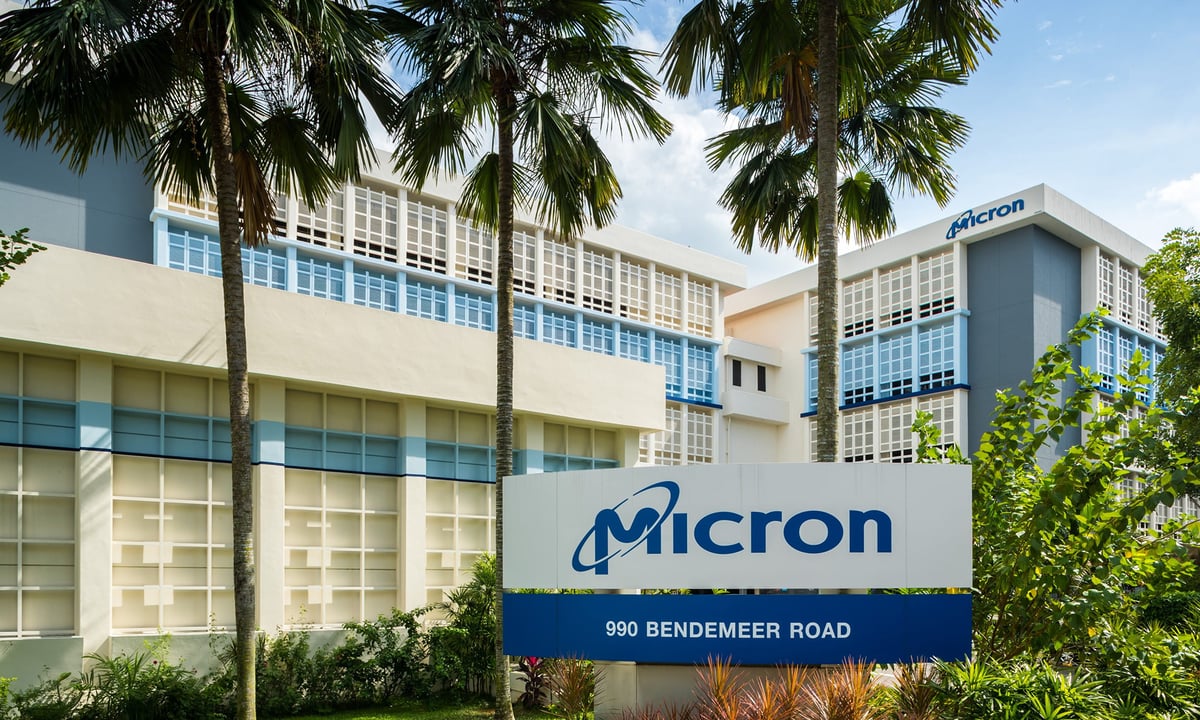
Micron Technology Stock Soars 522% Amid AI Chip Demand

- Surging Market Demand: Micron Technology's stock has skyrocketed by 522% over the past year, primarily driven by the rapid growth in demand for memory chips from AI data centers, with expectations that this demand will continue to fuel the company's growth in the coming years.
- Memory Chip Shortage: It is estimated that data centers will consume 70% of global memory production in 2023, leading to a significant supply gap for other applications like smartphones and PCs, further solidifying Micron's position in the market.
- Upgraded Earnings Forecast: Analysts predict that Micron's earnings per share will grow at an annual rate of 15% through 2030, potentially reaching $108.80 per share, indicating strong profitability potential and market confidence in the company.
- Attractive Valuation: Currently trading at a price-to-earnings ratio of 23, below the Nasdaq-100's 33.4, Micron's stock could reach $3,264 if valued at 30 times earnings, presenting a compelling buying opportunity for investors.
See More

Micron Technology's Huge Growth Potential Ahead
- Surging Market Demand: Micron Technology anticipates the high-bandwidth memory market will grow from $25 billion in 2025 to $100 billion by 2028, indicating strong demand driven by AI products, which will significantly boost future revenue.
- Capacity Constraints: Micron has stated it can only meet 50% to 66% of client demand in the medium term, suggesting that demand is expected to triple over the next three years, although current supply shortages may lead to profit fluctuations.
- Cyclical Industry Challenges: Despite being in a chip boom, Micron and others are building new fabrication facilities to meet rising demand; however, once supply normalizes, profits and revenues may decline, prompting investors to carefully assess long-term investment value.
- Low Market Valuation: Micron's stock currently trades at a forward P/E ratio of 8.3, indicating that the market believes the demand crunch will be resolved soon, thus valuing it as a cyclical business rather than a typical tech company, requiring investors to evaluate the validity of this market expectation.
See More

Semiconductor Sector Faces Helium Shortage Risks


- Helium Supply Crisis: An estimated 30% of global helium production is offline due to geopolitical tensions in the Strait of Hormuz, leading to rising helium prices that could impact semiconductor production, particularly for AI chip manufacturers reliant on helium.
- TSMC Impact: As the primary manufacturer of over 70% of the world's chips, TSMC's production of 2nm and 3nm chips will be directly affected by the helium shortage, potentially slowing its revenue and profit growth, prompting investors to exercise caution.
- Micron's Challenges: Micron's revenue surged 123% year-on-year in the first half of fiscal 2026, but its reliance on helium sourced from the Middle East may hinder production capacity, leading to stock price volatility and necessitating investor vigilance.
- Nvidia's Dependency: With 91% of its revenue coming from data centers, Nvidia's growth could be constrained by helium shortages affecting its 2nm and 3nm chip production; despite rapid growth, the uncertainty surrounding future growth makes cautious investment advisable.
See More

Helium Shortage Impacts Semiconductor Production
- Helium Supply Crisis: An estimated 30% of global helium production is offline due to geopolitical tensions in the Strait of Hormuz, causing production delays for semiconductor manufacturers like TSMC and Micron, which could impact their market share and profitability.
- TSMC Performance Growth: Despite the helium shortage, TSMC reported a 35% year-over-year revenue increase and a 65% net income growth in Q1 2026, indicating strong performance in the high-end chip market; however, future growth may be constrained by raw material shortages.
- Micron's Challenges: Micron's revenue surged 123% year-over-year in the first half of fiscal 2026, but its Asian production facilities rely on helium supplies from the Middle East, and any disruption could lead to a sharp stock price pullback, despite strong current market demand.
- Nvidia's Data Center Dependency: Nvidia derives 91% of its revenue from data centers, and while it has excelled in the AI chip market, the helium shortage may slow production, affecting future growth expectations, prompting investors to approach current valuations with caution.
See More

Mixed Close for US Stocks as Oil Prices Surge


- Oil Price Surge Impacts Market: WTI crude oil prices surged over 6% on Wednesday to a three-week high due to the US maintaining its naval blockade of Iran, raising inflation expectations and negatively impacting the stock market.
- Fed Policy Influence: The Federal Reserve kept the federal funds rate unchanged at 3.50% to 3.75% during its latest meeting, despite dissent from four members against easing bias, reflecting concerns over economic uncertainty that may dampen investor confidence.
- Strong Tech Stock Performance: The Nasdaq 100 index rose 0.58%, driven by strong earnings from NXP Semiconductors and Seagate Technology, with shares up 25% and over 10% respectively, indicating robust demand for AI infrastructure.
- Housing Data Exceeds Expectations: US March housing starts unexpectedly rose 10.8% to 1.502 million, significantly surpassing the expected decline to 1.380 million, demonstrating resilience in the housing market that could provide support for stocks.
See More

Surge in AI Infrastructure Investment

- Market Demand Forecast: A study by McKinsey predicts that nearly $7 trillion in capital expenditures will be required for AI infrastructure by 2030, driving growth for related companies, particularly chip manufacturers.
- TSMC's Advantage: As the world's leading logic chip fabricator, Taiwan Semiconductor Manufacturing is poised to benefit from increased AI spending, with a projected 25% compound annual growth rate from 2024 to 2029, making it a solid investment choice.
- Nvidia's Growth: Nvidia has reached a market cap of $5 trillion, with first-quarter revenue growth expected to hit 79% and 85% in the second quarter, demonstrating its strong performance amid surging AI computing demand.
- Broadcom's Market Strategy: Broadcom's AI semiconductor division saw a 106% sales increase last quarter, with projections of exceeding $100 billion in annual revenue by 2027, challenging Nvidia's dominance in the AI chip market and showcasing the success of its custom chip strategy.
See More
Micron Technology Stock Soars 522% Amid AI Chip Demand
- Surging Market Demand: Micron Technology's stock has skyrocketed by 522% over the past year, primarily driven by the rapid growth in demand for memory chips from AI data centers, with expectations that this demand will continue to fuel the company's growth in the coming years.
- Memory Chip Shortage: It is estimated that data centers will consume 70% of global memory production in 2023, leading to a significant supply gap for other applications like smartphones and PCs, further solidifying Micron's position in the market.
- Upgraded Earnings Forecast: Analysts predict that Micron's earnings per share will grow at an annual rate of 15% through 2030, potentially reaching $108.80 per share, indicating strong profitability potential and market confidence in the company.
- Attractive Valuation: Currently trading at a price-to-earnings ratio of 23, below the Nasdaq-100's 33.4, Micron's stock could reach $3,264 if valued at 30 times earnings, presenting a compelling buying opportunity for investors.
See More
Micron Technology's Huge Growth Potential Ahead
- Surging Market Demand: Micron Technology anticipates the high-bandwidth memory market will grow from $25 billion in 2025 to $100 billion by 2028, indicating strong demand driven by AI products, which will significantly boost future revenue.
- Capacity Constraints: Micron has stated it can only meet 50% to 66% of client demand in the medium term, suggesting that demand is expected to triple over the next three years, although current supply shortages may lead to profit fluctuations.
- Cyclical Industry Challenges: Despite being in a chip boom, Micron and others are building new fabrication facilities to meet rising demand; however, once supply normalizes, profits and revenues may decline, prompting investors to carefully assess long-term investment value.
- Low Market Valuation: Micron's stock currently trades at a forward P/E ratio of 8.3, indicating that the market believes the demand crunch will be resolved soon, thus valuing it as a cyclical business rather than a typical tech company, requiring investors to evaluate the validity of this market expectation.
See More
Semiconductor Sector Faces Helium Shortage Risks
- Helium Supply Crisis: An estimated 30% of global helium production is offline due to geopolitical tensions in the Strait of Hormuz, leading to rising helium prices that could impact semiconductor production, particularly for AI chip manufacturers reliant on helium.
- TSMC Impact: As the primary manufacturer of over 70% of the world's chips, TSMC's production of 2nm and 3nm chips will be directly affected by the helium shortage, potentially slowing its revenue and profit growth, prompting investors to exercise caution.
- Micron's Challenges: Micron's revenue surged 123% year-on-year in the first half of fiscal 2026, but its reliance on helium sourced from the Middle East may hinder production capacity, leading to stock price volatility and necessitating investor vigilance.
- Nvidia's Dependency: With 91% of its revenue coming from data centers, Nvidia's growth could be constrained by helium shortages affecting its 2nm and 3nm chip production; despite rapid growth, the uncertainty surrounding future growth makes cautious investment advisable.
See More
Helium Shortage Impacts Semiconductor Production
- Helium Supply Crisis: An estimated 30% of global helium production is offline due to geopolitical tensions in the Strait of Hormuz, causing production delays for semiconductor manufacturers like TSMC and Micron, which could impact their market share and profitability.
- TSMC Performance Growth: Despite the helium shortage, TSMC reported a 35% year-over-year revenue increase and a 65% net income growth in Q1 2026, indicating strong performance in the high-end chip market; however, future growth may be constrained by raw material shortages.
- Micron's Challenges: Micron's revenue surged 123% year-over-year in the first half of fiscal 2026, but its Asian production facilities rely on helium supplies from the Middle East, and any disruption could lead to a sharp stock price pullback, despite strong current market demand.
- Nvidia's Data Center Dependency: Nvidia derives 91% of its revenue from data centers, and while it has excelled in the AI chip market, the helium shortage may slow production, affecting future growth expectations, prompting investors to approach current valuations with caution.
See More
Mixed Close for US Stocks as Oil Prices Surge
- Oil Price Surge Impacts Market: WTI crude oil prices surged over 6% on Wednesday to a three-week high due to the US maintaining its naval blockade of Iran, raising inflation expectations and negatively impacting the stock market.
- Fed Policy Influence: The Federal Reserve kept the federal funds rate unchanged at 3.50% to 3.75% during its latest meeting, despite dissent from four members against easing bias, reflecting concerns over economic uncertainty that may dampen investor confidence.
- Strong Tech Stock Performance: The Nasdaq 100 index rose 0.58%, driven by strong earnings from NXP Semiconductors and Seagate Technology, with shares up 25% and over 10% respectively, indicating robust demand for AI infrastructure.
- Housing Data Exceeds Expectations: US March housing starts unexpectedly rose 10.8% to 1.502 million, significantly surpassing the expected decline to 1.380 million, demonstrating resilience in the housing market that could provide support for stocks.
See More
Surge in AI Infrastructure Investment
- Market Demand Forecast: A study by McKinsey predicts that nearly $7 trillion in capital expenditures will be required for AI infrastructure by 2030, driving growth for related companies, particularly chip manufacturers.
- TSMC's Advantage: As the world's leading logic chip fabricator, Taiwan Semiconductor Manufacturing is poised to benefit from increased AI spending, with a projected 25% compound annual growth rate from 2024 to 2029, making it a solid investment choice.
- Nvidia's Growth: Nvidia has reached a market cap of $5 trillion, with first-quarter revenue growth expected to hit 79% and 85% in the second quarter, demonstrating its strong performance amid surging AI computing demand.
- Broadcom's Market Strategy: Broadcom's AI semiconductor division saw a 106% sales increase last quarter, with projections of exceeding $100 billion in annual revenue by 2027, challenging Nvidia's dominance in the AI chip market and showcasing the success of its custom chip strategy.
See More