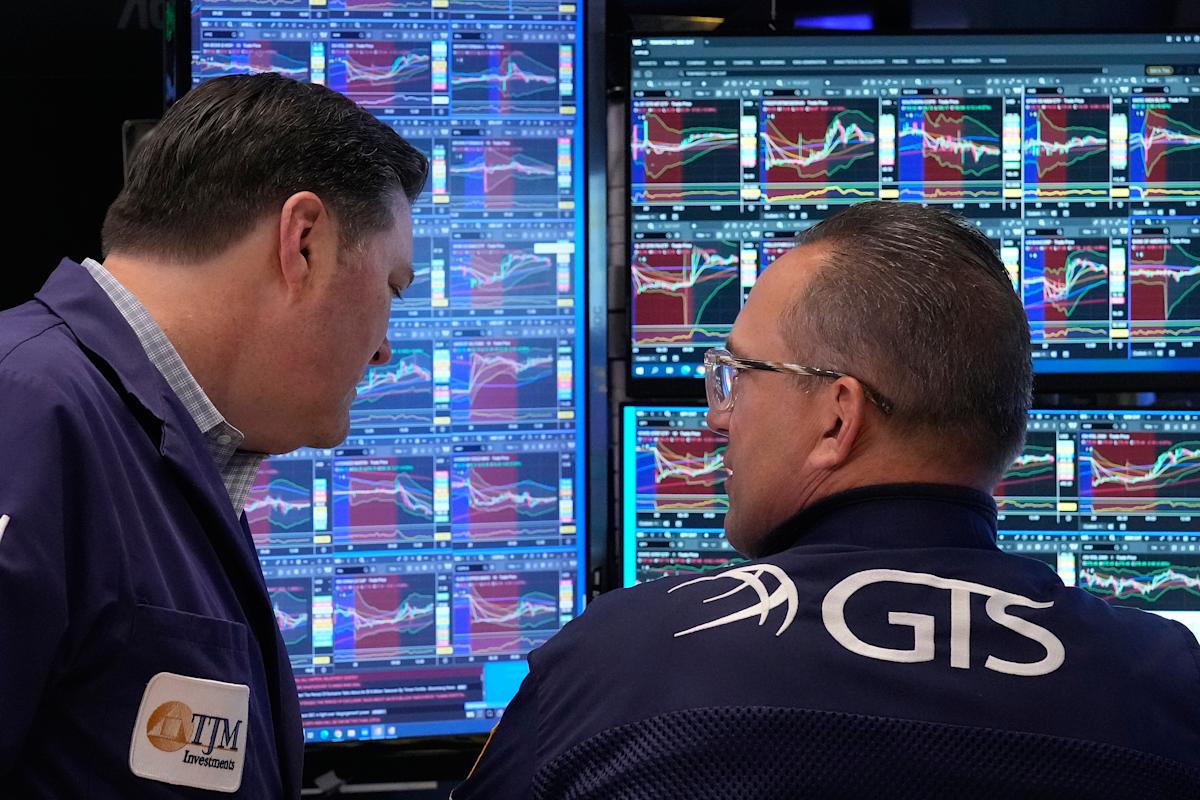
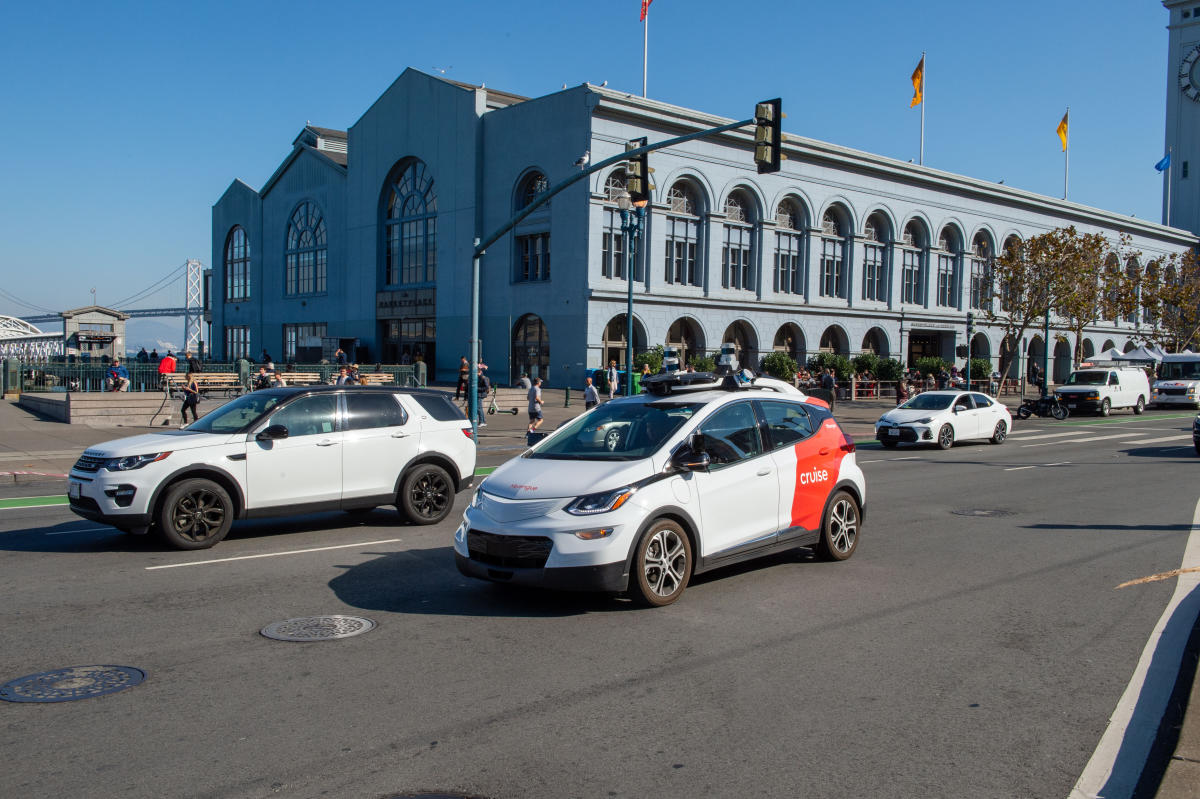
General Motors Tests Autonomous Driving Technology in Live Traffic
Written by Emily J. Thompson, Senior Investment Analyst
Updated: Mar 23 2026
0mins
Should l Buy GM?
Source: seekingalpha
- Autonomous Driving Testing: General Motors is conducting real-world testing of its autonomous driving technology on public roads across 34 states, marking a shift from manual data collection to active testing, which is expected to accelerate the automation of personal vehicles.
- Data-Driven Technological Advancement: GM has accumulated data from over a million miles driven and will leverage data from its Cruise division to propel the development of next-generation automated technology, enhancing its competitive edge in the autonomous driving sector.
- Safety and Technology Integration: Following an accident in San Francisco in 2023, GM ceased funding for its Cruise robotaxi division and integrated remaining staff into its autonomous driving team, aiming to improve the safety and reliability of its technology.
- Future Product Plans: GM plans to launch an eyes-off self-driving system in 2028, starting with the Cadillac Escalade IQ, which does not rely on continuous driver vigilance, marking a significant milestone in the commercialization of autonomous driving technology.
Trade with 70% Backtested Accuracy
Stop guessing "Should I Buy GM?" and start using high-conviction signals backed by rigorous historical data.
Sign up today to access powerful investing tools and make smarter, data-driven decisions.
Analyst Views on GM
Wall Street analysts forecast GM stock price to rise
19 Analyst Rating
14 Buy
4 Hold
1 Sell
Moderate Buy
Current: 79.050

Low
57.00
Averages
95.06
High
122.00
Current: 79.050
Low
57.00
Averages
95.06
High
122.00
About GM
General Motors Company designs, builds and sells trucks, crossovers, cars and automobile parts and provides software-enabled services and subscriptions worldwide. The Company's segments include GMNA, GMI and GM Financial. Its GM North America (GMNA) and GM International (GMI) segment develop, manufacture and/or markets vehicles under the Buick, Cadillac, Chevrolet and GMC brands. The Company's GM Financial segment provides automotive financing and related services. The Company is also focused on investing in electric vehicles (EVs) and autonomous vehicles (Avs), software-enabled services and subscriptions and new business opportunities. The Company's portfolio includes OnStar, GM Energy, GM Insurance, GM Genuine Parts, and the GM Company Store. Its OnStar portfolio offers safety, connectivity and hands-free driver assistance technologies. Its GM Energy provides Home EV Charging, Public EV Charging, Vehicle-To-Home and Energy Storage services.
About the author

Emily J. Thompson
Emily J. Thompson, a Chartered Financial Analyst (CFA) with 12 years in investment research, graduated with honors from the Wharton School. Specializing in industrial and technology stocks, she provides in-depth analysis for Intellectia’s earnings and market brief reports.
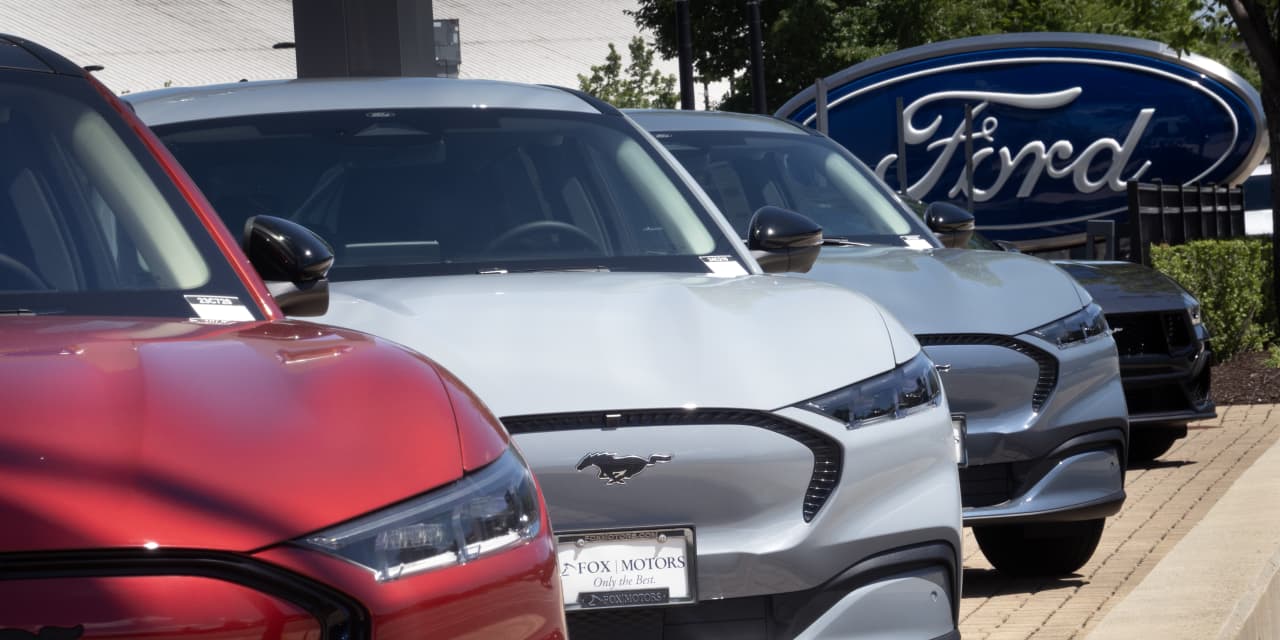
General Motors Delays Next-Gen Electric Truck Program Indefinitely

- Project Delayed Indefinitely: General Motors has announced an indefinite delay of its next-generation full-size electric truck program, including the GMC Sierra and Chevrolet Silverado, originally set to launch in 2028, which may impact the company's competitiveness in the EV market.
- Suppliers Informed of Halt: Reports indicate that GM has informed suppliers that the program has been halted with no new timetable issued, suggesting significant strategic adjustments in the company's electric truck initiatives.
- Layoff Impact at Factory: GM's Factory Zero in Detroit has laid off workers for about a month due to slowing EV sales, highlighting the challenges and uncertainties the company faces in its electrification efforts amid fluctuating market demand.
- Shift to Hybrid Plans: GM plans to shift plug-in hybrid versions of the Silverado and Sierra to another Michigan plant, and while it currently does not offer hybrid vehicles in the U.S., the company has indicated intentions to introduce this powertrain technology to meet market needs.
See More

Electric Vehicle Sales Surge 51% in Europe Amid Energy Crisis

- Surge in EV Registrations: In March 2026, battery electric vehicle (BEV) registrations in key European markets soared by 51% year-over-year, with over 224,000 units sold in the month, highlighting the role of EVs in enhancing energy security amid global market disruptions.
- Italy's Strong Performance: Italy's BEV registrations increased by 65% year-to-date, raising its market share from around 5% at the end of 2025 to 8.6% in March, indicating a rapid acceleration in the country's transition to electric vehicles.
- Germany's Recovery: Following new incentive policies, about one in four cars sold in Germany in March were fully electric, with BEV sales up 42% year-to-date, reflecting a significant increase in consumer acceptance of electric vehicles.
- Nordic Region Leading: Denmark and Finland reported fully electric sales of 76.6% and nearly 50%, respectively, continuing to lead in EV adoption and squeezing traditional fuel vehicles out of the market, thereby driving the overall market towards sustainable development.
See More
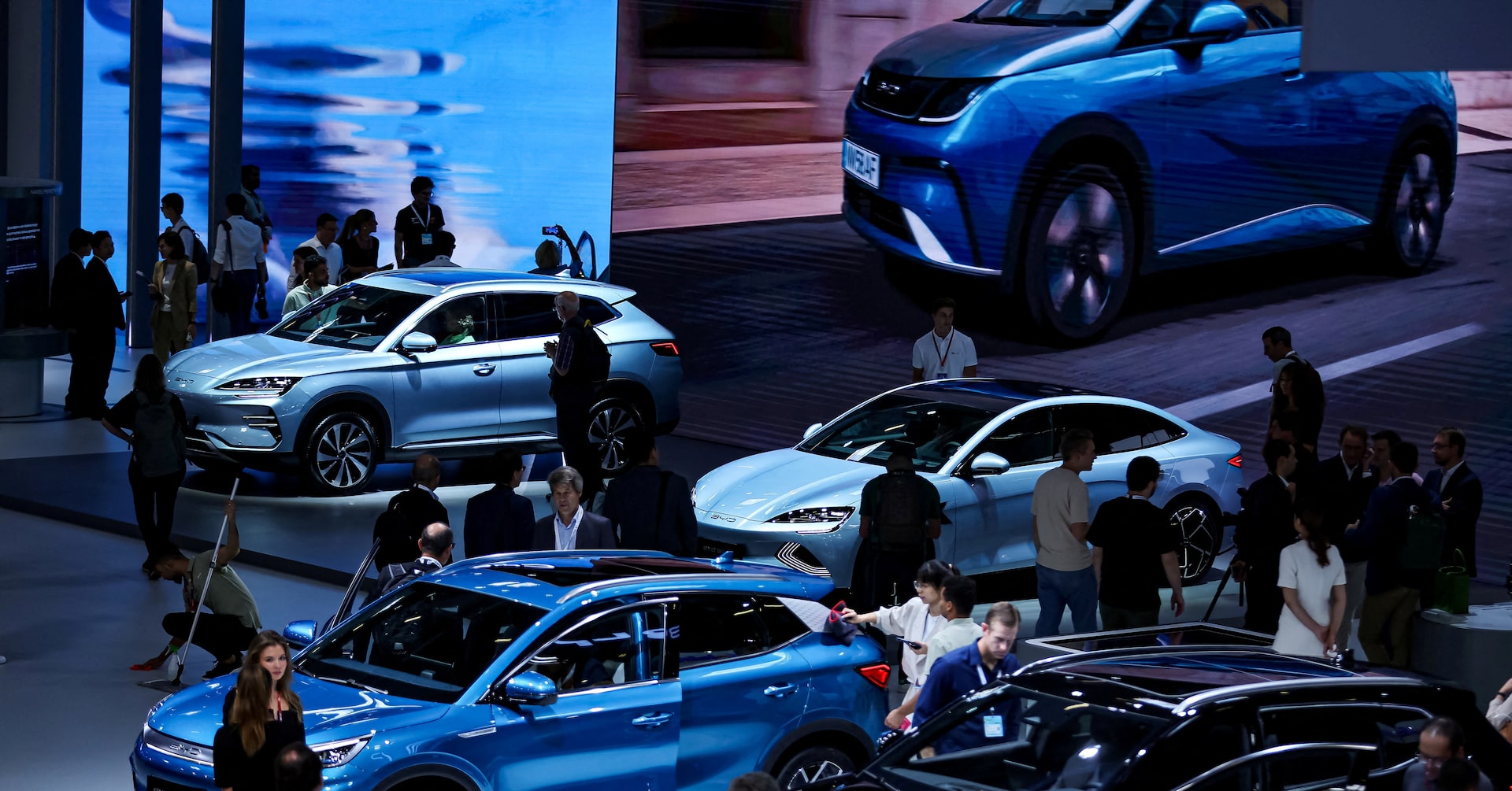
Chinese Automakers Target German Luxury Market
- Intensified Market Competition: Chinese automakers like Geely and Nio are launching several premium electric vehicle models priced significantly lower than German brands such as Porsche, Mercedes, and BMW, posing a major threat to these legacy luxury manufacturers, particularly in China, the world's largest auto market.
- Declining Sales Figures: According to S&P Global Mobility, cumulative sales of German automakers in China fell nearly 25% from 5.1 million vehicles in 2019 to 3.85 million, indicating a sharp decline in market share and increasing competitive pressure.
- New Model Launches: At the upcoming Beijing Auto Show, the industry is set to unveil 181 new models and 71 concept cars, including Geely's 8X luxury plug-in hybrid SUV, starting at under $53,000, showcasing the advantages of Chinese brands in technology and safety features.
- Shifting Consumer Preferences: As the average age of Chinese car buyers rises and demand for larger premium models increases, German brands face growing challenges, particularly as younger consumers gravitate towards local brands with advanced technology, threatening the market position of German luxury brands.
See More
General Motors' New Product Chief Sterling Anderson Receives Up to $40 Million Pay Package

- Executive Recruitment Strategy: General Motors' recruitment of former Tesla executive Sterling Anderson last year, with a total pay package of up to $40 million, underscores the company's strategic focus on developing electric and gasoline vehicles to enhance market competitiveness.
- Innovative Compensation Structure: To attract Anderson, GM established a new compensation structure, paying him $16 million last year with the potential to earn an additional $24 million in performance-based awards by 2027, reflecting the company's expectations for his future contributions.
- Succession Planning Potential: Industry insiders view Anderson as a potential successor to current CEO Mary Barra, indicating GM's proactive approach to management succession planning to ensure leadership stability and ongoing growth.
- CEO Pay Comparison: Mary Barra's pay package for 2025 could total $29.9 million, including future stock awards and bonuses, highlighting the company's commitment to its executive team and its competitive stance in the industry.
See More

GM CALLS ON SHAREHOLDERS TO OPPOSE PROPOSAL FOR SEPARATING CHAIR AND CEO POSITIONS AT AGM - SEC FILING
Shareholder Vote: GM urges shareholders to vote against a proposal that seeks to separate the roles of Chair and CEO.
Proposal Context: The proposal is being discussed in the context of AGMs and aims to enhance corporate governance by splitting leadership roles.
See More

Understanding Investment Terms: Volume 8

- Retirement Smile: The retirement smile describes the spending pattern of retirees, which starts high, dips in the middle years, and rises again due to increased healthcare costs, significantly impacting financial planning strategies.
- Depreciation Concept: Depreciation is the accounting process of spreading the cost of long-lived assets over their useful life, affecting reported profitability, especially in capital-intensive industries like AI data centers.
- Dollar-Cost Averaging: Dollar-cost averaging involves regularly purchasing stocks or index funds at different price points, helping investors maintain a consistent investment rhythm amidst market volatility, making it suitable for long-term investing.
- Risk Tolerance: Risk tolerance refers to an investor's comfort with market volatility and potential losses, often revealed during market downturns, and requires self-reflection to fully understand.
See More
General Motors Delays Next-Gen Electric Truck Program Indefinitely
- Project Delayed Indefinitely: General Motors has announced an indefinite delay of its next-generation full-size electric truck program, including the GMC Sierra and Chevrolet Silverado, originally set to launch in 2028, which may impact the company's competitiveness in the EV market.
- Suppliers Informed of Halt: Reports indicate that GM has informed suppliers that the program has been halted with no new timetable issued, suggesting significant strategic adjustments in the company's electric truck initiatives.
- Layoff Impact at Factory: GM's Factory Zero in Detroit has laid off workers for about a month due to slowing EV sales, highlighting the challenges and uncertainties the company faces in its electrification efforts amid fluctuating market demand.
- Shift to Hybrid Plans: GM plans to shift plug-in hybrid versions of the Silverado and Sierra to another Michigan plant, and while it currently does not offer hybrid vehicles in the U.S., the company has indicated intentions to introduce this powertrain technology to meet market needs.
See More
Electric Vehicle Sales Surge 51% in Europe Amid Energy Crisis
- Surge in EV Registrations: In March 2026, battery electric vehicle (BEV) registrations in key European markets soared by 51% year-over-year, with over 224,000 units sold in the month, highlighting the role of EVs in enhancing energy security amid global market disruptions.
- Italy's Strong Performance: Italy's BEV registrations increased by 65% year-to-date, raising its market share from around 5% at the end of 2025 to 8.6% in March, indicating a rapid acceleration in the country's transition to electric vehicles.
- Germany's Recovery: Following new incentive policies, about one in four cars sold in Germany in March were fully electric, with BEV sales up 42% year-to-date, reflecting a significant increase in consumer acceptance of electric vehicles.
- Nordic Region Leading: Denmark and Finland reported fully electric sales of 76.6% and nearly 50%, respectively, continuing to lead in EV adoption and squeezing traditional fuel vehicles out of the market, thereby driving the overall market towards sustainable development.
See More
Chinese Automakers Target German Luxury Market
- Intensified Market Competition: Chinese automakers like Geely and Nio are launching several premium electric vehicle models priced significantly lower than German brands such as Porsche, Mercedes, and BMW, posing a major threat to these legacy luxury manufacturers, particularly in China, the world's largest auto market.
- Declining Sales Figures: According to S&P Global Mobility, cumulative sales of German automakers in China fell nearly 25% from 5.1 million vehicles in 2019 to 3.85 million, indicating a sharp decline in market share and increasing competitive pressure.
- New Model Launches: At the upcoming Beijing Auto Show, the industry is set to unveil 181 new models and 71 concept cars, including Geely's 8X luxury plug-in hybrid SUV, starting at under $53,000, showcasing the advantages of Chinese brands in technology and safety features.
- Shifting Consumer Preferences: As the average age of Chinese car buyers rises and demand for larger premium models increases, German brands face growing challenges, particularly as younger consumers gravitate towards local brands with advanced technology, threatening the market position of German luxury brands.
See More
General Motors' New Product Chief Sterling Anderson Receives Up to $40 Million Pay Package
- Executive Recruitment Strategy: General Motors' recruitment of former Tesla executive Sterling Anderson last year, with a total pay package of up to $40 million, underscores the company's strategic focus on developing electric and gasoline vehicles to enhance market competitiveness.
- Innovative Compensation Structure: To attract Anderson, GM established a new compensation structure, paying him $16 million last year with the potential to earn an additional $24 million in performance-based awards by 2027, reflecting the company's expectations for his future contributions.
- Succession Planning Potential: Industry insiders view Anderson as a potential successor to current CEO Mary Barra, indicating GM's proactive approach to management succession planning to ensure leadership stability and ongoing growth.
- CEO Pay Comparison: Mary Barra's pay package for 2025 could total $29.9 million, including future stock awards and bonuses, highlighting the company's commitment to its executive team and its competitive stance in the industry.
See More
GM CALLS ON SHAREHOLDERS TO OPPOSE PROPOSAL FOR SEPARATING CHAIR AND CEO POSITIONS AT AGM - SEC FILING
Shareholder Vote: GM urges shareholders to vote against a proposal that seeks to separate the roles of Chair and CEO.
Proposal Context: The proposal is being discussed in the context of AGMs and aims to enhance corporate governance by splitting leadership roles.
See More
Understanding Investment Terms: Volume 8
- Retirement Smile: The retirement smile describes the spending pattern of retirees, which starts high, dips in the middle years, and rises again due to increased healthcare costs, significantly impacting financial planning strategies.
- Depreciation Concept: Depreciation is the accounting process of spreading the cost of long-lived assets over their useful life, affecting reported profitability, especially in capital-intensive industries like AI data centers.
- Dollar-Cost Averaging: Dollar-cost averaging involves regularly purchasing stocks or index funds at different price points, helping investors maintain a consistent investment rhythm amidst market volatility, making it suitable for long-term investing.
- Risk Tolerance: Risk tolerance refers to an investor's comfort with market volatility and potential losses, often revealed during market downturns, and requires self-reflection to fully understand.
See More