GE Vernova and Hitachi Sign MOU to Explore BWRX-300 Deployment
GE Vernova and Hitachi have entered into a Memorandum of Understanding to explore opportunities to deploy the BWRX-300 small modular reactor in Southeast Asia. The agreement was signed during the Indo-Pacific Energy Security Ministerial & Business Forum in Tokyo in the presence of U.S. Secretary of the Interior Doug Burgum and Japan's Ministry of Economy, Trade and Industry Minister Ryosei Akazawa. The two companies agree to collaborate through the GE Vernova Hitachi Nuclear Energy and Hitachi GE Vernova Nuclear Energy joint ventures to identify commercial opportunities for the BWRX-300 in Southeast Asia. The collaboration will also explore opportunities to incorporate qualified Japanese suppliers and strengthen the SMR supply chain supporting future BWRX-300 deployment in the region.
Trade with 70% Backtested Accuracy
Analyst Views on GEV

About GEV
About the author

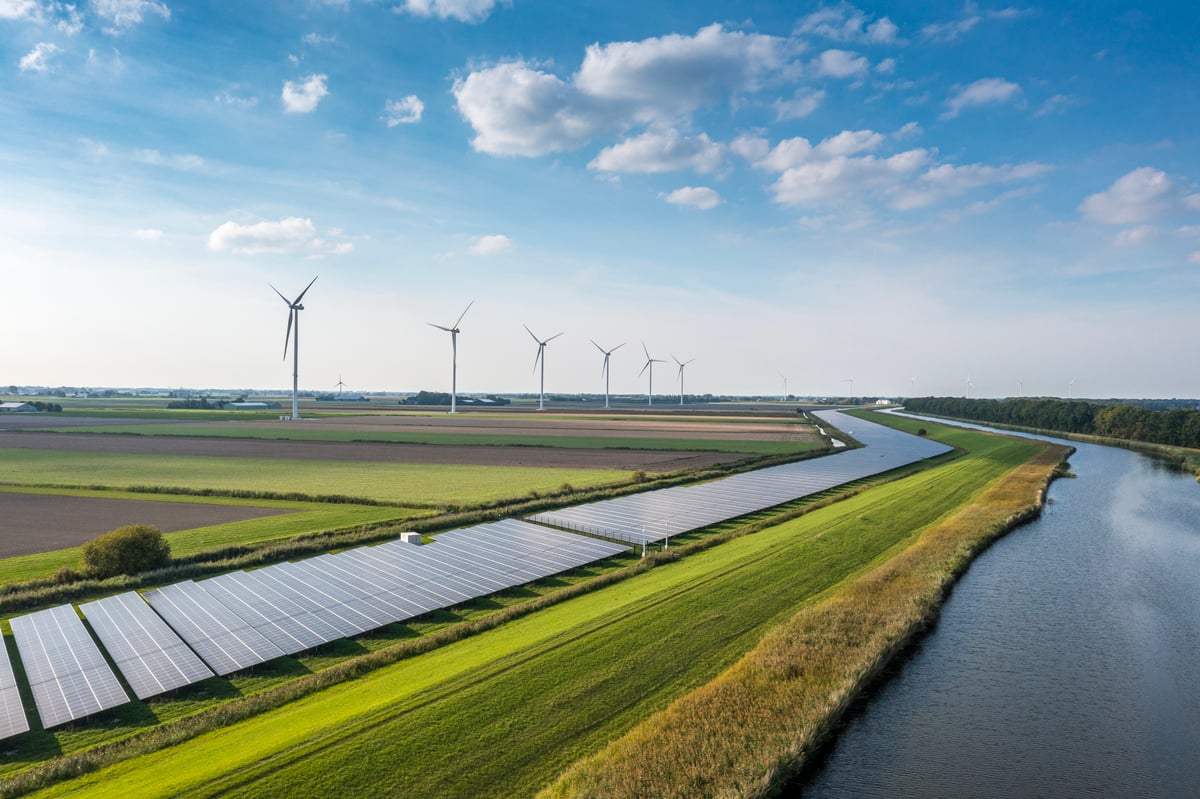
Comparing Long-Term Investment Potential: GE Vernova vs First Solar


- GE Vernova Growth Performance: In 2025, GE Vernova achieved $59.3 billion in orders and $38.1 billion in revenue, supported by a $31.2 billion backlog, showcasing strong demand in AI and industrial electrification, with projected revenue growth to $44-$45 billion in 2026 despite a $400 million EBITDA loss in its wind segment.
- Dividend and Buyback Strategy: GE Vernova recently doubled its dividend to $0.50 and authorized additional share repurchases, reflecting the company's confidence in future growth while enhancing shareholder returns, thereby attracting long-term investors.
- First Solar Sales Growth: First Solar experienced a 24% increase in third-party module volume in 2025, with net sales rising from $4.2 billion to $5.2 billion, and despite a recent stock decline, it remains up 50% over the past 12 months, demonstrating its competitiveness in the solar market.
- Policy Risk Impact: First Solar faces concerns over flat growth guidance for 2026, compounded by increased governmental policy risks, particularly with the shortening of the federal clean energy tax credit window, which may adversely affect its future performance and investor sentiment.

Comparing Long-Term Investment Potential: GE Vernova vs. First Solar
- GE Vernova Performance Surge: In 2025, GE Vernova reported $59.3 billion in orders and $38.1 billion in revenue, supported by a backlog growth of $31.2 billion, showcasing strong growth driven by AI and industrial electrification, with revenue guidance for 2026 set at $44 billion to $45 billion.
- Wind Business Challenges: Despite GE Vernova's overall strong performance, its wind segment is projected to incur $400 million in EBITDA losses in 2026, which could impact the company's profitability and necessitate strategic adjustments in its business model.
- First Solar Sales Growth: First Solar achieved a $1 billion increase in net sales from $4.2 billion in 2024 to $5.2 billion in 2025, driven by a 24% rise in third-party module volume, although it faces policy risks and flat growth expectations for 2026, indicating its competitive position in the solar market.
- Investor Considerations: While GE Vernova is viewed as the stronger growth stock, First Solar's robust balance sheet and cash flow remain noteworthy, especially amid increasing government policy risks, prompting investors to carefully evaluate the long-term investment potential of both companies.

Cameco Shares Drop 6.4% Amid Slow Negotiations
- Stock Decline: Cameco (CCJ) closed down 6.4% on Friday, marking its lowest point in two months, reflecting market concerns about the company's future prospects amid efforts to revive the nuclear industry.
- Slow Negotiations: The sluggish pace of negotiations with Westinghouse has prompted the Trump administration to explore alternatives, which could impact Cameco's market position and future earnings potential.
- Financing Discussions: The U.S. Department of Energy has recently held talks with executives from GE Vernova Hitachi Nuclear Energy and Korea Electric Power (KEP) to discuss potential financing options, which could pose direct competitive pressure on Cameco if these companies decide to compete with Westinghouse in building new large reactors.
- Shareholder Structure Impact: With Cameco owning a 49% stake in Westinghouse, any failure to reach an agreement could diminish Cameco's influence in the nuclear market, thereby affecting its long-term strategy and financial performance.

Nuclear Energy Resurgence: Investment Opportunities Analysis
- Cameco's Market Position: As one of North America's largest suppliers of uranium and nuclear fuel products, Cameco boasts a robust asset base, including high-grade mines in Canada and the world's largest uranium refinery, with long-term contracts securing future revenue and enabling it to capture greater upside as uranium prices rise.
- GE Vernova's Nuclear Business: GE Vernova incorporates small modular reactors in its power equipment, with its nuclear segment growing 24% last year and achieving over $1 billion in revenue, while the R&D expenses currently pressure overall margins, the long-term service contracts provide stable revenue streams.
- BWX Technologies' Government Partnerships: BWX Technologies focuses on manufacturing specialized equipment and fuel for nuclear reactors, serving as a trusted contractor for the U.S. government, ensuring a steady revenue stream from defense contracts, while its rapidly growing commercial segment enhances its revenue potential.
- Future of the Nuclear Industry: With a global surge in demand for clean and reliable baseload power, nuclear capacity is expected to triple by 2050, driving long-term investment value for companies like Cameco, GE Vernova, and BWX Technologies.

GE Vernova Expands Gas Turbine Production Capacity Amid Rising Demand
- Order Backlog Growth: GE Vernova anticipates its order backlog will reach $200 billion by 2028, indicating strong global demand for gas turbines, as CEO Scott Strazik highlighted in a Bloomberg interview, suggesting a clear pathway for substantial production increases over the next three years.
- Production Capacity Enhancement: The company plans to ramp up manufacturing capabilities in Q3, with expectations to significantly boost gas turbine output in the coming years to meet the rising market demand, thereby reinforcing its market position in the energy sector.
- AI-Driven Order Surge: The artificial intelligence boom is identified as a catalyst for increasing orders for GE Vernova's machines, with AI and data center-related orders comprising approximately 10% of its total bookings last year, likely to grow even larger by 2026, reflecting the positive impact of technological advancements on the market.
- Optimistic Market Outlook: According to J.P. Morgan analysts, GE Vernova's pending orders totaled $150 billion in its 2025 financial results, viewed as an encouraging sign of continued visibility into demand, underscoring the company's significant role in the energy transition.

AI Stocks Surge in Popularity Among Investors, BofA Reports


- Investor Interest: Bank of America's analysis reveals that AI-related stocks have seen significant ownership increases among active U.S. equity mutual funds over the past year, indicating strong investor interest in this sector.
- Palantir Leads: Palantir Technologies saw its ownership among active large-cap mutual funds surge from 7% last year to 32%, making it the fastest-growing company, reflecting its appeal in the defense tech sector.
- Other Companies' Performance: Broadcom and GE Vernova registered ownership increases of approximately 16 percentage points, while fiber optic connector maker Amphenol and software firm AppLovin each climbed by about 12 percentage points, showcasing strong demand for these stocks.
- Large Tech Platforms: Ownership breadth for major tech platforms like Meta Platforms and Netflix also rose, indicating that fund managers increasingly view AI as a key driver of future growth in areas such as advertising, content recommendation, and productivity tools.
Comparing Long-Term Investment Potential: GE Vernova vs First Solar
- GE Vernova Growth Performance: In 2025, GE Vernova achieved $59.3 billion in orders and $38.1 billion in revenue, supported by a $31.2 billion backlog, showcasing strong demand in AI and industrial electrification, with projected revenue growth to $44-$45 billion in 2026 despite a $400 million EBITDA loss in its wind segment.
- Dividend and Buyback Strategy: GE Vernova recently doubled its dividend to $0.50 and authorized additional share repurchases, reflecting the company's confidence in future growth while enhancing shareholder returns, thereby attracting long-term investors.
- First Solar Sales Growth: First Solar experienced a 24% increase in third-party module volume in 2025, with net sales rising from $4.2 billion to $5.2 billion, and despite a recent stock decline, it remains up 50% over the past 12 months, demonstrating its competitiveness in the solar market.
- Policy Risk Impact: First Solar faces concerns over flat growth guidance for 2026, compounded by increased governmental policy risks, particularly with the shortening of the federal clean energy tax credit window, which may adversely affect its future performance and investor sentiment.
Comparing Long-Term Investment Potential: GE Vernova vs. First Solar
- GE Vernova Performance Surge: In 2025, GE Vernova reported $59.3 billion in orders and $38.1 billion in revenue, supported by a backlog growth of $31.2 billion, showcasing strong growth driven by AI and industrial electrification, with revenue guidance for 2026 set at $44 billion to $45 billion.
- Wind Business Challenges: Despite GE Vernova's overall strong performance, its wind segment is projected to incur $400 million in EBITDA losses in 2026, which could impact the company's profitability and necessitate strategic adjustments in its business model.
- First Solar Sales Growth: First Solar achieved a $1 billion increase in net sales from $4.2 billion in 2024 to $5.2 billion in 2025, driven by a 24% rise in third-party module volume, although it faces policy risks and flat growth expectations for 2026, indicating its competitive position in the solar market.
- Investor Considerations: While GE Vernova is viewed as the stronger growth stock, First Solar's robust balance sheet and cash flow remain noteworthy, especially amid increasing government policy risks, prompting investors to carefully evaluate the long-term investment potential of both companies.
Cameco Shares Drop 6.4% Amid Slow Negotiations
- Stock Decline: Cameco (CCJ) closed down 6.4% on Friday, marking its lowest point in two months, reflecting market concerns about the company's future prospects amid efforts to revive the nuclear industry.
- Slow Negotiations: The sluggish pace of negotiations with Westinghouse has prompted the Trump administration to explore alternatives, which could impact Cameco's market position and future earnings potential.
- Financing Discussions: The U.S. Department of Energy has recently held talks with executives from GE Vernova Hitachi Nuclear Energy and Korea Electric Power (KEP) to discuss potential financing options, which could pose direct competitive pressure on Cameco if these companies decide to compete with Westinghouse in building new large reactors.
- Shareholder Structure Impact: With Cameco owning a 49% stake in Westinghouse, any failure to reach an agreement could diminish Cameco's influence in the nuclear market, thereby affecting its long-term strategy and financial performance.
Nuclear Energy Resurgence: Investment Opportunities Analysis
- Cameco's Market Position: As one of North America's largest suppliers of uranium and nuclear fuel products, Cameco boasts a robust asset base, including high-grade mines in Canada and the world's largest uranium refinery, with long-term contracts securing future revenue and enabling it to capture greater upside as uranium prices rise.
- GE Vernova's Nuclear Business: GE Vernova incorporates small modular reactors in its power equipment, with its nuclear segment growing 24% last year and achieving over $1 billion in revenue, while the R&D expenses currently pressure overall margins, the long-term service contracts provide stable revenue streams.
- BWX Technologies' Government Partnerships: BWX Technologies focuses on manufacturing specialized equipment and fuel for nuclear reactors, serving as a trusted contractor for the U.S. government, ensuring a steady revenue stream from defense contracts, while its rapidly growing commercial segment enhances its revenue potential.
- Future of the Nuclear Industry: With a global surge in demand for clean and reliable baseload power, nuclear capacity is expected to triple by 2050, driving long-term investment value for companies like Cameco, GE Vernova, and BWX Technologies.
GE Vernova Expands Gas Turbine Production Capacity Amid Rising Demand
- Order Backlog Growth: GE Vernova anticipates its order backlog will reach $200 billion by 2028, indicating strong global demand for gas turbines, as CEO Scott Strazik highlighted in a Bloomberg interview, suggesting a clear pathway for substantial production increases over the next three years.
- Production Capacity Enhancement: The company plans to ramp up manufacturing capabilities in Q3, with expectations to significantly boost gas turbine output in the coming years to meet the rising market demand, thereby reinforcing its market position in the energy sector.
- AI-Driven Order Surge: The artificial intelligence boom is identified as a catalyst for increasing orders for GE Vernova's machines, with AI and data center-related orders comprising approximately 10% of its total bookings last year, likely to grow even larger by 2026, reflecting the positive impact of technological advancements on the market.
- Optimistic Market Outlook: According to J.P. Morgan analysts, GE Vernova's pending orders totaled $150 billion in its 2025 financial results, viewed as an encouraging sign of continued visibility into demand, underscoring the company's significant role in the energy transition.
AI Stocks Surge in Popularity Among Investors, BofA Reports
- Investor Interest: Bank of America's analysis reveals that AI-related stocks have seen significant ownership increases among active U.S. equity mutual funds over the past year, indicating strong investor interest in this sector.
- Palantir Leads: Palantir Technologies saw its ownership among active large-cap mutual funds surge from 7% last year to 32%, making it the fastest-growing company, reflecting its appeal in the defense tech sector.
- Other Companies' Performance: Broadcom and GE Vernova registered ownership increases of approximately 16 percentage points, while fiber optic connector maker Amphenol and software firm AppLovin each climbed by about 12 percentage points, showcasing strong demand for these stocks.
- Large Tech Platforms: Ownership breadth for major tech platforms like Meta Platforms and Netflix also rose, indicating that fund managers increasingly view AI as a key driver of future growth in areas such as advertising, content recommendation, and productivity tools.