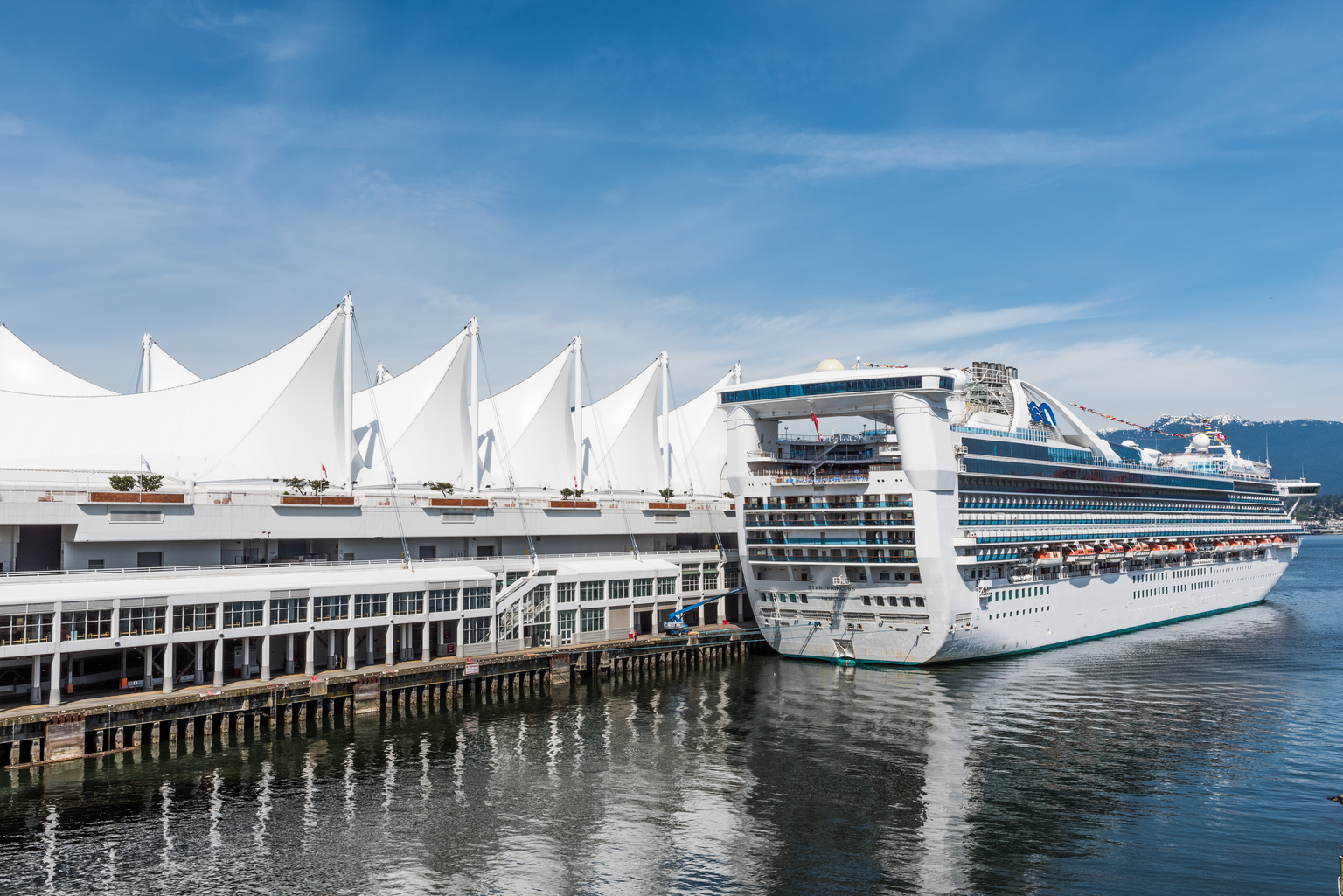
Norovirus Outbreak Affects Caribbean Cruise Ship Passengers and Crew
Written by Emily J. Thompson, Senior Investment Analyst
Updated: 1 hour ago
0mins
Should l Buy CCL?
Source: seekingalpha
- Outbreak Impact: The CDC reported that 153 individuals aboard the Star Princess cruise ship experienced symptoms of norovirus, including 104 passengers and 49 crew members, highlighting the outbreak's severity and its implications for passenger health and safety during the voyage.
- Enhanced Sanitation Measures: In response to the outbreak, Princess Cruises implemented additional sanitation protocols, including expanded cleaning and disinfecting efforts, demonstrating the company's commitment to passenger health and its ability to manage public health crises effectively.
- CDC Investigation: The outbreak was reported to the CDC’s Vessel Sanitation Program, which dispatched investigators to assess the ship's conditions and response measures, indicating regulatory scrutiny and the importance of maintaining hygiene standards in the cruise industry.
- Operational Continuity: Despite the outbreak, the Star Princess completed its voyage and departed for another trip shortly after docking in Fort Lauderdale, reflecting the cruise industry's challenges in balancing operational continuity with effective outbreak management.
Trade with 70% Backtested Accuracy
Stop guessing "Should I Buy CCL?" and start using high-conviction signals backed by rigorous historical data.
Sign up today to access powerful investing tools and make smarter, data-driven decisions.
Analyst Views on CCL
Wall Street analysts forecast CCL stock price to rise
18 Analyst Rating
14 Buy
4 Hold
0 Sell
Strong Buy
Current: 23.920

Low
33.00
Averages
37.41
High
45.00
Current: 23.920
Low
33.00
Averages
37.41
High
45.00
About CCL
Carnival Corporation is a global cruise and leisure travel company. The Company has a portfolio of cruise lines, including AIDA Cruises, Carnival Cruise Line, Costa Cruises, Cunard, Holland America Line, P&O Cruises (Australia), P&O Cruises (UK), Princess Cruises, and Seabourn. The Company's segment includes NAA cruise operations, Europe cruise operations (Europe), Cruise Support and Tour and Other. Its Cruise Support segment includes its portfolio of port destinations and exclusive islands as well as other services, all of which are operated for the benefit of its cruise brands. In addition to its cruise operations, it owns Holland America Princess Alaska Tours, a tour company in Alaska and the Canadian Yukon, which complements its Alaska cruise operations. Its Tour and Other segment represents the hotel and transportation operations of Holland America Princess Alaska Tours and other operations. Its tour company owns and operates hotels, lodges, glass-domed railcars and motorcoaches.
About the author

Emily J. Thompson
Emily J. Thompson, a Chartered Financial Analyst (CFA) with 12 years in investment research, graduated with honors from the Wharton School. Specializing in industrial and technology stocks, she provides in-depth analysis for Intellectia’s earnings and market brief reports.
Norovirus Outbreak Affects Caribbean Cruise Ship Passengers and Crew
- Outbreak Impact: The CDC reported that 153 individuals aboard the Star Princess cruise ship experienced symptoms of norovirus, including 104 passengers and 49 crew members, highlighting the outbreak's severity and its implications for passenger health and safety during the voyage.
- Enhanced Sanitation Measures: In response to the outbreak, Princess Cruises implemented additional sanitation protocols, including expanded cleaning and disinfecting efforts, demonstrating the company's commitment to passenger health and its ability to manage public health crises effectively.
- CDC Investigation: The outbreak was reported to the CDC’s Vessel Sanitation Program, which dispatched investigators to assess the ship's conditions and response measures, indicating regulatory scrutiny and the importance of maintaining hygiene standards in the cruise industry.
- Operational Continuity: Despite the outbreak, the Star Princess completed its voyage and departed for another trip shortly after docking in Fort Lauderdale, reflecting the cruise industry's challenges in balancing operational continuity with effective outbreak management.
See More

Analysis of Oil Price Volatility Impact on Cruise Industry
- Oil Price Impact: The closure of the Strait of Hormuz led to oil prices spiking to $115 per barrel before retreating to $88, indicating that market fears may be overblown; while high prices could affect cruise line profits, panic is premature for investors.
- Strong Demand: Despite economic concerns, record booking levels for cruise lines like Royal Caribbean and Viking Holdings show that demand exceeds supply, suggesting consumers are willing to pay even if costs rise.
- Valuation Metrics: Most cruise line stocks trade at price-to-earnings ratios below the S&P 500 average of 29, particularly Royal Caribbean and Carnival Corp, whose valuations in the teens indicate limited downside risk, largely unaffected by oil prices.
- Positive Industry Outlook: Although rising oil prices and geopolitical tensions pressure travel stocks, the ongoing demand exceeding supply allows cruise lines to pass costs to consumers, making the current oil price fluctuations a potential buying opportunity due to low valuations.
See More

Cruise Industry Faces Oil Price Volatility Challenges
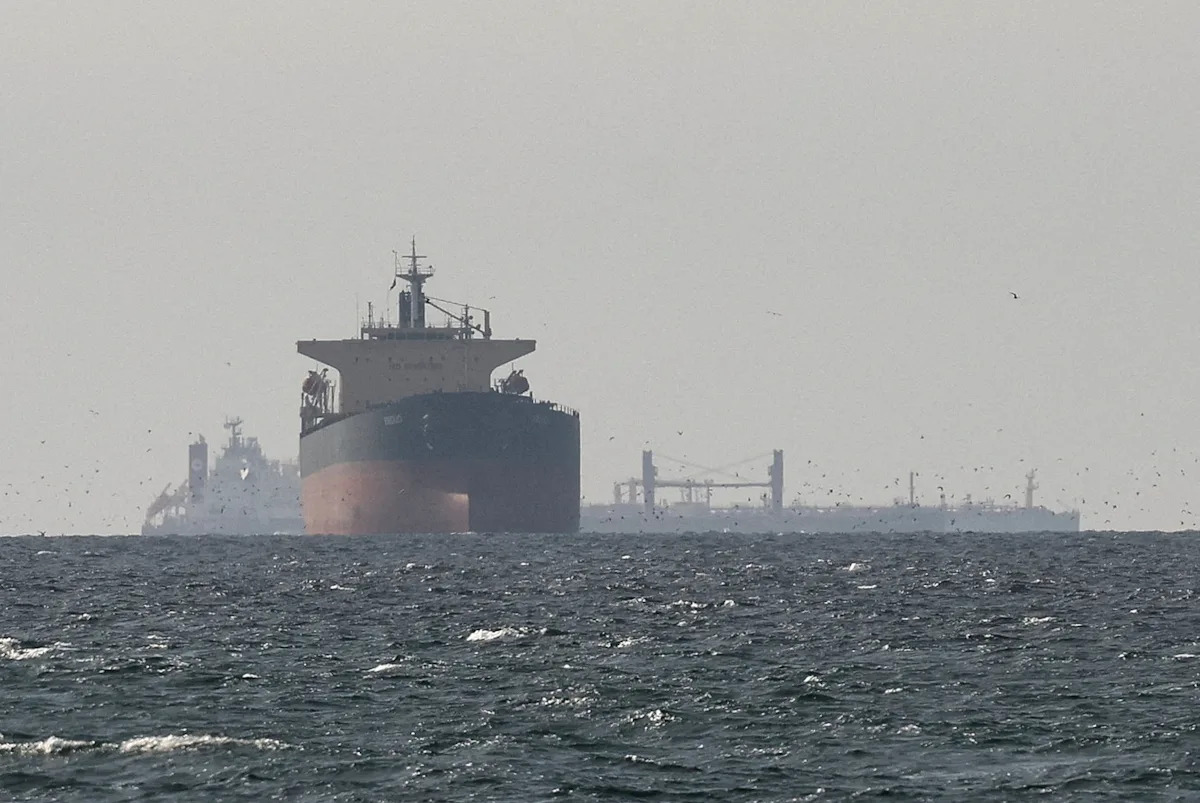
- Oil Price Impact: The closure of the Strait of Hormuz led to oil prices spiking to $115 per barrel before retreating to $88, indicating that market volatility is driven by supply concerns rather than actual shortages, which could significantly impact the cruise industry's profitability.
- Strong Demand: Despite economic worries, financials from cruise lines like Royal Caribbean and Viking Holdings show record booking levels with demand exceeding supply, meaning these companies have not needed to discount heavily to fill ships, indicating robust market demand for cruises.
- Attractive Valuations: Most cruise line stocks trade at price-to-earnings ratios below the S&P 500 average of 29, particularly Royal Caribbean and Carnival Corp, whose P/E ratios are in the teens, suggesting limited downside and attracting investor interest.
- Debt Management Improvement: While cruise companies accumulated significant debt during the pandemic, they have reduced it substantially and refinanced at lower rates, indicating improved financial health in the industry amidst high demand, which may attract further investment.
See More

Cuba and US Restart Talks Amid Economic Crisis
- Economic Crisis Intensifies: Cuba is facing a severe economic crisis exacerbated by the U.S. oil blockade imposed since January, which has strained energy supplies and impacted livelihoods and economic recovery.
- Dialogue Resumption: President Miguel Díaz-Canel confirmed talks with the Trump administration aimed at resolving bilateral differences through dialogue, indicating a willingness to seek diplomatic solutions amidst the crisis.
- Influence of International Factors: Díaz-Canel noted that international factors have facilitated exchanges between the two nations, suggesting that external dynamics are significantly influencing Cuba's diplomatic strategies and future policy directions.
- Lengthy Negotiation Process: The president warned that negotiations are lengthy processes requiring willingness and channels for dialogue, emphasizing the complexity and time needed to resolve the issues at hand.
See More
Carnival Corp Stock Price Fluctuation Analysis
- Oil Price Impact: Carnival Corp's stock rose 3% today as oil prices slightly retreated, yet the stock remains down 22% this month, indicating significant financial implications from oil prices, especially with Brent crude trading over $90.
- Fuel Risk Management: As the only major cruise operator not hedging fuel purchases, CFO David Bernstein stated that the company manages fuel risk through consumption efficiency, a strategy that saved costs when oil was at $65 but is proving less effective now.
- Earnings Downgrade: Analyst Sharon Zackfia from William Blair estimates that the oil spike could reduce Carnival's full-year earnings per share by approximately $0.20, reflecting market concerns about the company's profitability ahead of its upcoming Q1 earnings report.
- Market Predictions and Outlook: Despite low expectations for oil price retreat, Carnival is set to report Q1 earnings on March 20, with an expected EPS of $0.18 and revenue around $6.1 billion, prompting investors to watch for any potential adjustments in fuel strategy if oil prices decline.
See More

Tabor Asset Management Increases MSG Stake

- Stake Increase Details: On February 17, 2026, Tabor Asset Management disclosed in an SEC filing that it increased its stake in Madison Square Garden Sports (MSGS) by 29,985 shares, bringing its total holdings to 43,778 shares valued at $11.32 million, representing 4.57% of its assets under management.
- Quarter-End Value Growth: This transaction resulted in an $8.19 million increase in Tabor's quarter-end position value, reflecting both the new purchases and stock price appreciation, indicating the firm's proactive strategy in sports investments.
- Strong Market Performance: As of February 13, 2026, MSGS shares were priced at $291.48, up 38.1% over the past year, outperforming the S&P 500 by 26.36 percentage points, highlighting its robust market performance and investment appeal.
- Strategic Advantage Analysis: Madison Square Garden Sports owns prestigious franchises like the New York Knicks and New York Rangers, leveraging brand influence and a loyal fan base to generate recurring revenue from media rights, sponsorships, and merchandising, showcasing its competitive edge in the sports and entertainment sector.
See More
Norovirus Outbreak Affects Caribbean Cruise Ship Passengers and Crew
- Outbreak Impact: The CDC reported that 153 individuals aboard the Star Princess cruise ship experienced symptoms of norovirus, including 104 passengers and 49 crew members, highlighting the outbreak's severity and its implications for passenger health and safety during the voyage.
- Enhanced Sanitation Measures: In response to the outbreak, Princess Cruises implemented additional sanitation protocols, including expanded cleaning and disinfecting efforts, demonstrating the company's commitment to passenger health and its ability to manage public health crises effectively.
- CDC Investigation: The outbreak was reported to the CDC’s Vessel Sanitation Program, which dispatched investigators to assess the ship's conditions and response measures, indicating regulatory scrutiny and the importance of maintaining hygiene standards in the cruise industry.
- Operational Continuity: Despite the outbreak, the Star Princess completed its voyage and departed for another trip shortly after docking in Fort Lauderdale, reflecting the cruise industry's challenges in balancing operational continuity with effective outbreak management.
See More
Analysis of Oil Price Volatility Impact on Cruise Industry
- Oil Price Impact: The closure of the Strait of Hormuz led to oil prices spiking to $115 per barrel before retreating to $88, indicating that market fears may be overblown; while high prices could affect cruise line profits, panic is premature for investors.
- Strong Demand: Despite economic concerns, record booking levels for cruise lines like Royal Caribbean and Viking Holdings show that demand exceeds supply, suggesting consumers are willing to pay even if costs rise.
- Valuation Metrics: Most cruise line stocks trade at price-to-earnings ratios below the S&P 500 average of 29, particularly Royal Caribbean and Carnival Corp, whose valuations in the teens indicate limited downside risk, largely unaffected by oil prices.
- Positive Industry Outlook: Although rising oil prices and geopolitical tensions pressure travel stocks, the ongoing demand exceeding supply allows cruise lines to pass costs to consumers, making the current oil price fluctuations a potential buying opportunity due to low valuations.
See More
Cruise Industry Faces Oil Price Volatility Challenges
- Oil Price Impact: The closure of the Strait of Hormuz led to oil prices spiking to $115 per barrel before retreating to $88, indicating that market volatility is driven by supply concerns rather than actual shortages, which could significantly impact the cruise industry's profitability.
- Strong Demand: Despite economic worries, financials from cruise lines like Royal Caribbean and Viking Holdings show record booking levels with demand exceeding supply, meaning these companies have not needed to discount heavily to fill ships, indicating robust market demand for cruises.
- Attractive Valuations: Most cruise line stocks trade at price-to-earnings ratios below the S&P 500 average of 29, particularly Royal Caribbean and Carnival Corp, whose P/E ratios are in the teens, suggesting limited downside and attracting investor interest.
- Debt Management Improvement: While cruise companies accumulated significant debt during the pandemic, they have reduced it substantially and refinanced at lower rates, indicating improved financial health in the industry amidst high demand, which may attract further investment.
See More
Cuba and US Restart Talks Amid Economic Crisis
- Economic Crisis Intensifies: Cuba is facing a severe economic crisis exacerbated by the U.S. oil blockade imposed since January, which has strained energy supplies and impacted livelihoods and economic recovery.
- Dialogue Resumption: President Miguel Díaz-Canel confirmed talks with the Trump administration aimed at resolving bilateral differences through dialogue, indicating a willingness to seek diplomatic solutions amidst the crisis.
- Influence of International Factors: Díaz-Canel noted that international factors have facilitated exchanges between the two nations, suggesting that external dynamics are significantly influencing Cuba's diplomatic strategies and future policy directions.
- Lengthy Negotiation Process: The president warned that negotiations are lengthy processes requiring willingness and channels for dialogue, emphasizing the complexity and time needed to resolve the issues at hand.
See More
Carnival Corp Stock Price Fluctuation Analysis
- Oil Price Impact: Carnival Corp's stock rose 3% today as oil prices slightly retreated, yet the stock remains down 22% this month, indicating significant financial implications from oil prices, especially with Brent crude trading over $90.
- Fuel Risk Management: As the only major cruise operator not hedging fuel purchases, CFO David Bernstein stated that the company manages fuel risk through consumption efficiency, a strategy that saved costs when oil was at $65 but is proving less effective now.
- Earnings Downgrade: Analyst Sharon Zackfia from William Blair estimates that the oil spike could reduce Carnival's full-year earnings per share by approximately $0.20, reflecting market concerns about the company's profitability ahead of its upcoming Q1 earnings report.
- Market Predictions and Outlook: Despite low expectations for oil price retreat, Carnival is set to report Q1 earnings on March 20, with an expected EPS of $0.18 and revenue around $6.1 billion, prompting investors to watch for any potential adjustments in fuel strategy if oil prices decline.
See More
Tabor Asset Management Increases MSG Stake
- Stake Increase Details: On February 17, 2026, Tabor Asset Management disclosed in an SEC filing that it increased its stake in Madison Square Garden Sports (MSGS) by 29,985 shares, bringing its total holdings to 43,778 shares valued at $11.32 million, representing 4.57% of its assets under management.
- Quarter-End Value Growth: This transaction resulted in an $8.19 million increase in Tabor's quarter-end position value, reflecting both the new purchases and stock price appreciation, indicating the firm's proactive strategy in sports investments.
- Strong Market Performance: As of February 13, 2026, MSGS shares were priced at $291.48, up 38.1% over the past year, outperforming the S&P 500 by 26.36 percentage points, highlighting its robust market performance and investment appeal.
- Strategic Advantage Analysis: Madison Square Garden Sports owns prestigious franchises like the New York Knicks and New York Rangers, leveraging brand influence and a loyal fan base to generate recurring revenue from media rights, sponsorships, and merchandising, showcasing its competitive edge in the sports and entertainment sector.
See More