Freeport-McMoRan Shares Rise on Copper Price Optimism
- Copper Price Surge: Freeport-McMoRan shares rose 2.3% pre-market as copper futures gained due to optimism surrounding the Trump administration's diplomatic efforts to resolve the Middle East conflict, indicating a positive outlook for industrial metal demand.
- Nickel Price Spike: Nickel prices surged on the London Metal Exchange following Indonesia's approval of export tariffs, which could significantly impact global nickel supply as Indonesia produces over 50% of the world's nickel, potentially driving prices higher.
- Aluminum Market Outlook: Despite a decline in aluminum prices on the LME, Goldman Sachs forecasts a Q2 global aluminum deficit of approximately 900,000 metric tons, the largest since 2019, with prices expected to rise to $3,200/ton due to Middle East disruptions.
- Future Supply Predictions: New aluminum supply from Chinese overseas investments is anticipated to ramp up in H2 2023, contributing to a projected global surplus of 1.8 million tons by 2028, indicating potential shifts in market dynamics.
Trade with 70% Backtested Accuracy
Analyst Views on AA

About AA
About the author

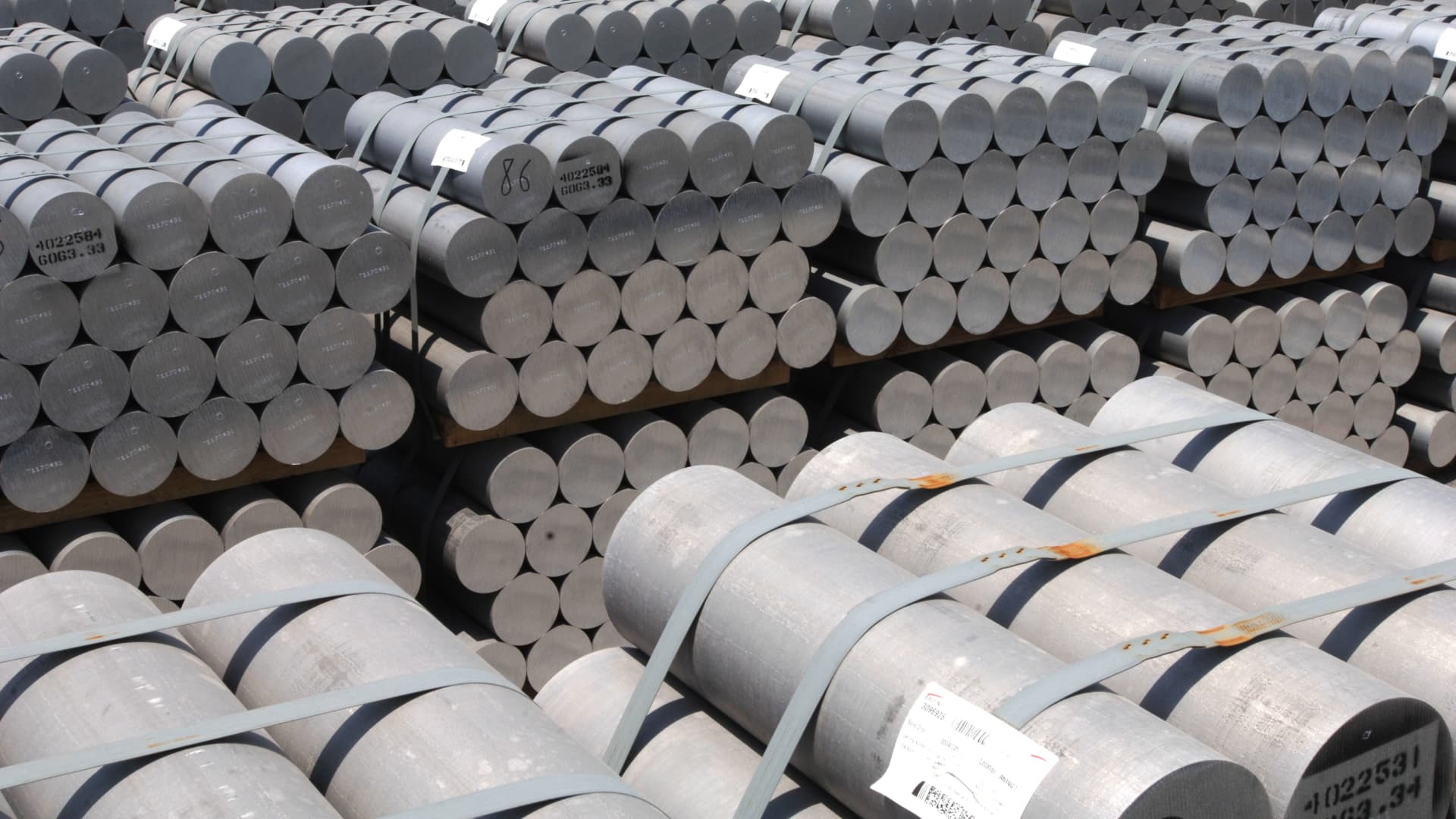
Aluminium Bahrain Faces Iranian Attack, Production Cut


- Production Capacity Reduction: Aluminium Bahrain has cut its production capacity by 19% of its 1.6 million tons annual output due to ongoing supply and transit disruptions in the Strait of Hormuz, aiming to maintain business continuity, although this raises fears of a global aluminum shortage.
- Price Volatility: Aluminum prices surged to four-year highs earlier this month before retreating slightly, yet they remain 4.3% above February 27 levels, indicating heightened market anxiety regarding aluminum supply.
- Geopolitical Impact: Iran's retaliatory strikes against U.S. and Israeli attacks have escalated, with Houthi fighters participating for the first time, potentially disrupting global trade, particularly maritime traffic through the Bab el-Mandeb Strait.
- U.S. Military Involvement: The increased U.S. troop presence in the Gulf raises concerns about a ground invasion, which could prolong the conflict and create uncertainty for the global economy, especially in energy markets.

How Delta and United Navigate Challenges in the Airline Industry


- Delta Air Lines Performance: Delta Air Lines shares are down only 3% for the year, outperforming the S&P 500 despite industry challenges.
- Jet Fuel Price Impact: The airline is facing a significant 62% increase in jet fuel prices since February, which typically affects profitability.
- Industry Profit Estimates: There has been a general reduction in profit estimates across the airline industry, yet Delta's stock remains relatively stable.
- Unusual Market Behavior: The current performance of Delta's stock is noted as unusual for the airline industry, which is typically more volatile.

Humanoid Robots Poised for Growth in Automation Market


- Market Drivers: Jefferies identifies three key drivers for the humanoid robot market's rapid growth over the next decade, including an aging population increasing demand for supplemental labor, declining interest in manufacturing jobs among younger generations, and breakthroughs in semiconductor and AI technology.
- Tesla's Potential: Analyst Philippe Houchois assigns a hold rating to Tesla with a $300 price target, noting that while the company has provided few specifics on its humanoid robot initiatives, its early applications in manufacturing and ability to self-fund developments may provide a competitive edge.
- Metal Demand Growth: Analyst Chris LaFemina highlights that 70% of humanoid robots' weight comes from metals, suggesting that companies like Freeport McMoRan, Alcoa, and Nucor could benefit from rising demand for copper, aluminum, and steel, indicating potential prosperity in the raw materials market.
- Analog Devices' Advantage: Analog Devices is recognized for its expertise in sensors and analog control, with analyst Blayne Curtis giving it a buy rating and a $410 price target, as the scaling of humanoid robots presents opportunities for its signal-chain and power technologies through each joint and sensor integration.
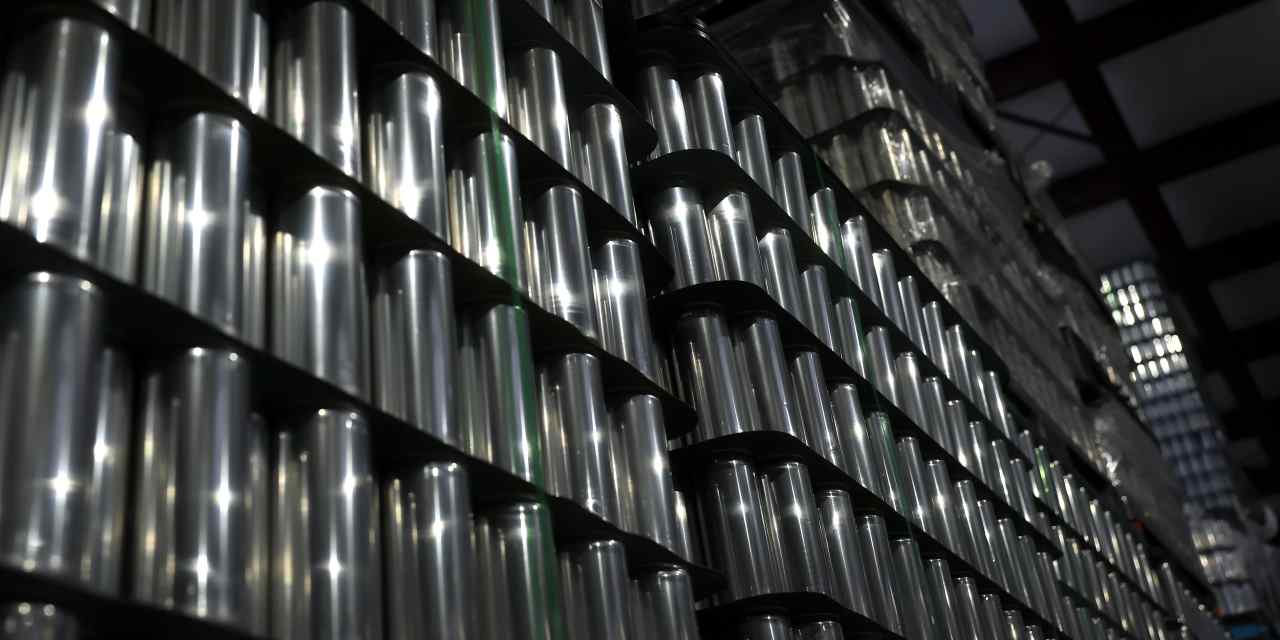
The Impact of the Iran War on the Prices of Your Next Car or Appliance

Impact of War on Aluminum Supplies: The ongoing war in Iran significantly threatens aluminum supplies, which are crucial for various industries.
Pre-existing Supply Issues: Prior to the conflict, the aluminum market was already facing a structural deficit, indicating that the situation could worsen.
Consequences of Shortages: A further shortage of aluminum could lead to substantial knock-on effects across multiple sectors, including automotive and household goods.
Broader Economic Implications: The aluminum supply crisis may have wider economic repercussions, affecting production and pricing in numerous industries reliant on this metal.

Freeport-McMoRan Shares Rise on Copper Price Optimism
- Copper Price Surge: Freeport-McMoRan shares rose 2.3% pre-market as copper futures gained due to optimism surrounding the Trump administration's diplomatic efforts to resolve the Middle East conflict, indicating a positive outlook for industrial metal demand.
- Nickel Price Spike: Nickel prices surged on the London Metal Exchange following Indonesia's approval of export tariffs, which could significantly impact global nickel supply as Indonesia produces over 50% of the world's nickel, potentially driving prices higher.
- Aluminum Market Outlook: Despite a decline in aluminum prices on the LME, Goldman Sachs forecasts a Q2 global aluminum deficit of approximately 900,000 metric tons, the largest since 2019, with prices expected to rise to $3,200/ton due to Middle East disruptions.
- Future Supply Predictions: New aluminum supply from Chinese overseas investments is anticipated to ramp up in H2 2023, contributing to a projected global surplus of 1.8 million tons by 2028, indicating potential shifts in market dynamics.
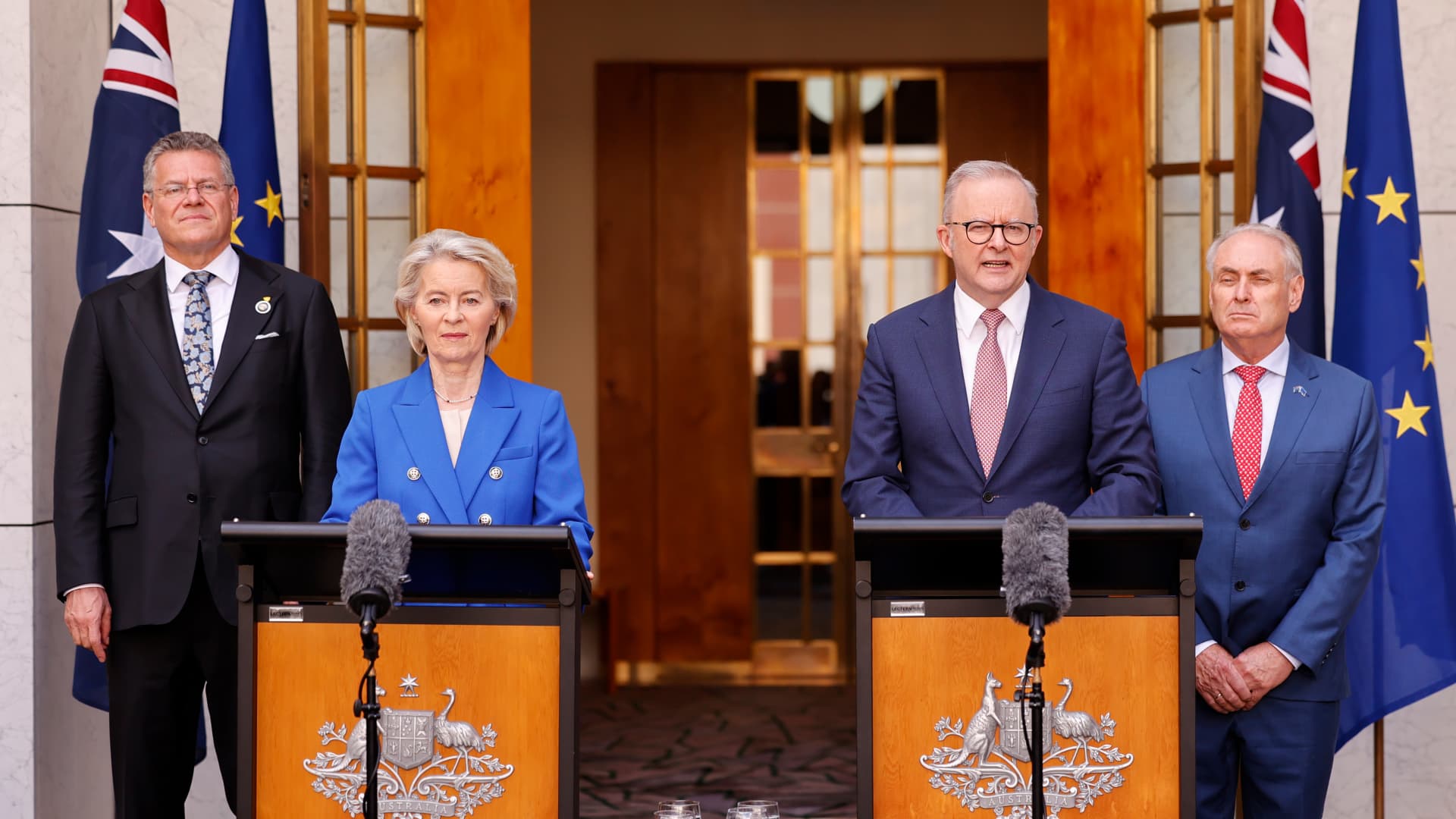
EU and Australia Reach Major Trade Agreement


- Tariff Reductions: The newly reached trade agreement will see the EU eliminate around 98% of tariffs on Australian goods, including wine, dairy, and seafood, while Australia will remove tariffs on over 99% of EU goods, significantly boosting bilateral trade.
- Export Growth Expectations: EU exports to Australia are projected to grow by up to 33% over the next decade, with annual export value reaching €17.7 billion ($20.5 billion), further enhancing the EU's economic influence in the Asia-Pacific region.
- Critical Mineral Supply Assurance: The agreement secures EU access to critical raw materials from Australia, such as aluminum, lithium, and manganese, which are vital for the EU's economic security amid rising global geopolitical uncertainties.
- Investment Growth Potential: According to the Australian government, investment from the EU is expected to increase by over 87%, solidifying the EU's position as Australia's second-largest source of foreign investment and fostering deeper economic integration between the two regions.
Aluminium Bahrain Faces Iranian Attack, Production Cut
- Production Capacity Reduction: Aluminium Bahrain has cut its production capacity by 19% of its 1.6 million tons annual output due to ongoing supply and transit disruptions in the Strait of Hormuz, aiming to maintain business continuity, although this raises fears of a global aluminum shortage.
- Price Volatility: Aluminum prices surged to four-year highs earlier this month before retreating slightly, yet they remain 4.3% above February 27 levels, indicating heightened market anxiety regarding aluminum supply.
- Geopolitical Impact: Iran's retaliatory strikes against U.S. and Israeli attacks have escalated, with Houthi fighters participating for the first time, potentially disrupting global trade, particularly maritime traffic through the Bab el-Mandeb Strait.
- U.S. Military Involvement: The increased U.S. troop presence in the Gulf raises concerns about a ground invasion, which could prolong the conflict and create uncertainty for the global economy, especially in energy markets.
How Delta and United Navigate Challenges in the Airline Industry
- Delta Air Lines Performance: Delta Air Lines shares are down only 3% for the year, outperforming the S&P 500 despite industry challenges.
- Jet Fuel Price Impact: The airline is facing a significant 62% increase in jet fuel prices since February, which typically affects profitability.
- Industry Profit Estimates: There has been a general reduction in profit estimates across the airline industry, yet Delta's stock remains relatively stable.
- Unusual Market Behavior: The current performance of Delta's stock is noted as unusual for the airline industry, which is typically more volatile.
Humanoid Robots Poised for Growth in Automation Market
- Market Drivers: Jefferies identifies three key drivers for the humanoid robot market's rapid growth over the next decade, including an aging population increasing demand for supplemental labor, declining interest in manufacturing jobs among younger generations, and breakthroughs in semiconductor and AI technology.
- Tesla's Potential: Analyst Philippe Houchois assigns a hold rating to Tesla with a $300 price target, noting that while the company has provided few specifics on its humanoid robot initiatives, its early applications in manufacturing and ability to self-fund developments may provide a competitive edge.
- Metal Demand Growth: Analyst Chris LaFemina highlights that 70% of humanoid robots' weight comes from metals, suggesting that companies like Freeport McMoRan, Alcoa, and Nucor could benefit from rising demand for copper, aluminum, and steel, indicating potential prosperity in the raw materials market.
- Analog Devices' Advantage: Analog Devices is recognized for its expertise in sensors and analog control, with analyst Blayne Curtis giving it a buy rating and a $410 price target, as the scaling of humanoid robots presents opportunities for its signal-chain and power technologies through each joint and sensor integration.
The Impact of the Iran War on the Prices of Your Next Car or Appliance
Impact of War on Aluminum Supplies: The ongoing war in Iran significantly threatens aluminum supplies, which are crucial for various industries.
Pre-existing Supply Issues: Prior to the conflict, the aluminum market was already facing a structural deficit, indicating that the situation could worsen.
Consequences of Shortages: A further shortage of aluminum could lead to substantial knock-on effects across multiple sectors, including automotive and household goods.
Broader Economic Implications: The aluminum supply crisis may have wider economic repercussions, affecting production and pricing in numerous industries reliant on this metal.
Freeport-McMoRan Shares Rise on Copper Price Optimism
- Copper Price Surge: Freeport-McMoRan shares rose 2.3% pre-market as copper futures gained due to optimism surrounding the Trump administration's diplomatic efforts to resolve the Middle East conflict, indicating a positive outlook for industrial metal demand.
- Nickel Price Spike: Nickel prices surged on the London Metal Exchange following Indonesia's approval of export tariffs, which could significantly impact global nickel supply as Indonesia produces over 50% of the world's nickel, potentially driving prices higher.
- Aluminum Market Outlook: Despite a decline in aluminum prices on the LME, Goldman Sachs forecasts a Q2 global aluminum deficit of approximately 900,000 metric tons, the largest since 2019, with prices expected to rise to $3,200/ton due to Middle East disruptions.
- Future Supply Predictions: New aluminum supply from Chinese overseas investments is anticipated to ramp up in H2 2023, contributing to a projected global surplus of 1.8 million tons by 2028, indicating potential shifts in market dynamics.
EU and Australia Reach Major Trade Agreement
- Tariff Reductions: The newly reached trade agreement will see the EU eliminate around 98% of tariffs on Australian goods, including wine, dairy, and seafood, while Australia will remove tariffs on over 99% of EU goods, significantly boosting bilateral trade.
- Export Growth Expectations: EU exports to Australia are projected to grow by up to 33% over the next decade, with annual export value reaching €17.7 billion ($20.5 billion), further enhancing the EU's economic influence in the Asia-Pacific region.
- Critical Mineral Supply Assurance: The agreement secures EU access to critical raw materials from Australia, such as aluminum, lithium, and manganese, which are vital for the EU's economic security amid rising global geopolitical uncertainties.
- Investment Growth Potential: According to the Australian government, investment from the EU is expected to increase by over 87%, solidifying the EU's position as Australia's second-largest source of foreign investment and fostering deeper economic integration between the two regions.