France Considers Windfall Tax on TotalEnergies Amid Rising Oil Prices
Written by Emily J. Thompson, Senior Investment Analyst
Updated: 53 minutes ago
0mins
Should l Buy TTE?
Source: seekingalpha
- Tax Policy Discussion: French Budget Minister David Amiel stated that the government has not ruled out the possibility of imposing a windfall tax on TotalEnergies, although it currently prefers to maintain a cap on fuel prices, aiming to directly benefit French citizens and reflecting the government's concern over energy profit distribution.
- Increased Political Pressure: As rising oil and gas prices due to the Middle East conflict intensify, political pressure is mounting on the government to consider how to benefit from TotalEnergies' strong financial performance, with the Socialist Party leader proposing a windfall tax that could generate approximately €2 billion for the government.
- Increased Shareholder Returns: TotalEnergies has recently increased share buybacks and dividends due to rebounding oil and gas prices and robust trading activity, yet investors must remain vigilant regarding the sustainability of its profitability amid potential tax increases and regulatory scrutiny.
- Economic Resilience: Amiel noted that France's economy has fared better than some European peers in handling the regional conflict, with the government planning targeted support for sectors like farming and transportation that are most exposed to rising energy costs, demonstrating a commitment to economic stability.
Trade with 70% Backtested Accuracy
Stop guessing "Should I Buy TTE?" and start using high-conviction signals backed by rigorous historical data.
Sign up today to access powerful investing tools and make smarter, data-driven decisions.
Analyst Views on TTE
Wall Street analysts forecast TTE stock price to fall
16 Analyst Rating
8 Buy
8 Hold
0 Sell
Moderate Buy
Current: 91.420

Low
60.04
Averages
71.67
High
90.93
Current: 91.420
Low
60.04
Averages
71.67
High
90.93
About TTE
TotalEnergies SE is a France-based company. The Company is predominantly engaged in the business as a worldwide oil group. Its segment divisions are divided into refining and chemistry such as refining of petroleum products and manufacture of basic chemistry and of specialty chemistry, petroleum products distribution, electricity generation from combined cycle gas plants and renewable energies, gas production, trading, transport and distribution primarily includes liquefied natural gas, natural gas, biogas, hydrogen, liquefied petroleum gas and hydrocarbon operating and production. The group is also operating in trading and sea transport of crude oil and oil products.
About the author

Emily J. Thompson
Emily J. Thompson, a Chartered Financial Analyst (CFA) with 12 years in investment research, graduated with honors from the Wharton School. Specializing in industrial and technology stocks, she provides in-depth analysis for Intellectia’s earnings and market brief reports.
France Considers Windfall Tax on TotalEnergies Amid Rising Oil Prices
- Tax Policy Discussion: French Budget Minister David Amiel stated that the government has not ruled out the possibility of imposing a windfall tax on TotalEnergies, although it currently prefers to maintain a cap on fuel prices, aiming to directly benefit French citizens and reflecting the government's concern over energy profit distribution.
- Increased Political Pressure: As rising oil and gas prices due to the Middle East conflict intensify, political pressure is mounting on the government to consider how to benefit from TotalEnergies' strong financial performance, with the Socialist Party leader proposing a windfall tax that could generate approximately €2 billion for the government.
- Increased Shareholder Returns: TotalEnergies has recently increased share buybacks and dividends due to rebounding oil and gas prices and robust trading activity, yet investors must remain vigilant regarding the sustainability of its profitability amid potential tax increases and regulatory scrutiny.
- Economic Resilience: Amiel noted that France's economy has fared better than some European peers in handling the regional conflict, with the government planning targeted support for sectors like farming and transportation that are most exposed to rising energy costs, demonstrating a commitment to economic stability.
See More

Middle East Conflict Drives Oil Prices Up


- Investment Opportunities in Energy Stocks: The geopolitical conflict in the Middle East has led to supply constraints, driving oil prices sharply higher and sparking Wall Street's interest in energy stocks, particularly strong integrated companies like Chevron and ExxonMobil, which have demonstrated resilience throughout the energy cycle.
- Advantages of Integrated Energy Companies: Despite the inherent volatility of the oil and gas sector, integrated energy firms like TotalEnergies mitigate financial risks through diversified operations, with projections indicating that nearly 12% of its business will come from clean energy investments by 2025, showcasing its strategic positioning for future energy transitions.
- Dividend Yield Comparison: Chevron boasts a dividend yield of 3.8%, surpassing Exxon's 2.7%, while TotalEnergies offers a yield of 4.6%; although U.S. investors face French tax implications, its long-term growth potential and clean energy initiatives make it an attractive option.
- Market Outlook: As global demand for clean energy rises, investors should monitor how companies like TotalEnergies leverage profits from carbon fuel operations to build substantial clean energy businesses, positioning themselves favorably in the future energy landscape.
See More
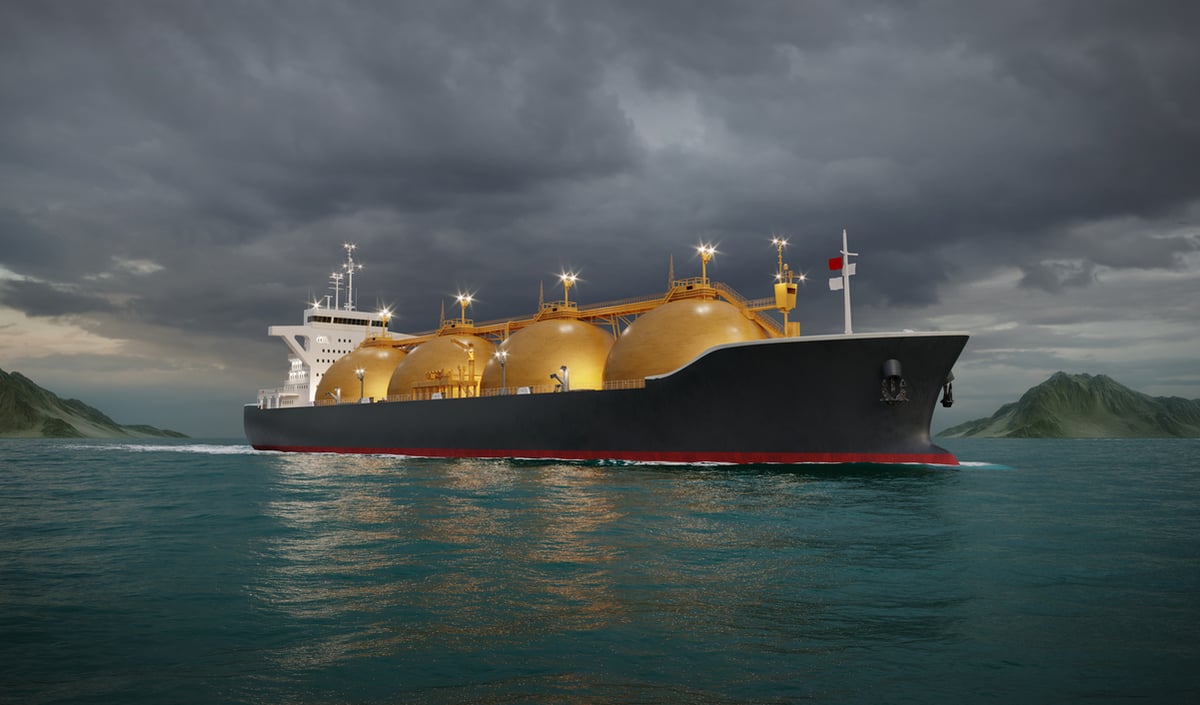
Venture Global Shares Surge 24.3% Following Strong Earnings and Supply Deals

- Strong Quarterly Performance: Venture Global's stock surged 24.3% this week, driven by a robust first-quarter earnings report released on Tuesday, which raised EBITDA guidance from $5.2 billion to $5.8 billion to a new range of $8.2 billion to $8.5 billion, reflecting the company's growth potential in a high-demand environment.
- Long-Term Contract Signings: The company secured five-year LNG supply agreements with TotalEnergies for 0.85 million tonnes per annum and with Vitol, increasing supply from 1.5 million tonnes to 1.7 million tonnes, ensuring revenue stability and enhancing market competitiveness.
- Favorable Market Conditions: The International Energy Agency noted that the closure of the Strait of Hormuz has impacted global LNG trade, benefiting Venture Global as its uncontracted LNG streams see price increases, further enhancing the company's profitability and market position.
- Capacity Expansion Plans: The company aims to ramp up annual production capacity to over 100 million tonnes by 2030, with CEO Michael Sabel indicating that the need to repair LNG infrastructure in Qatar and increased investment risks position Venture Global favorably to seize future market opportunities.
See More
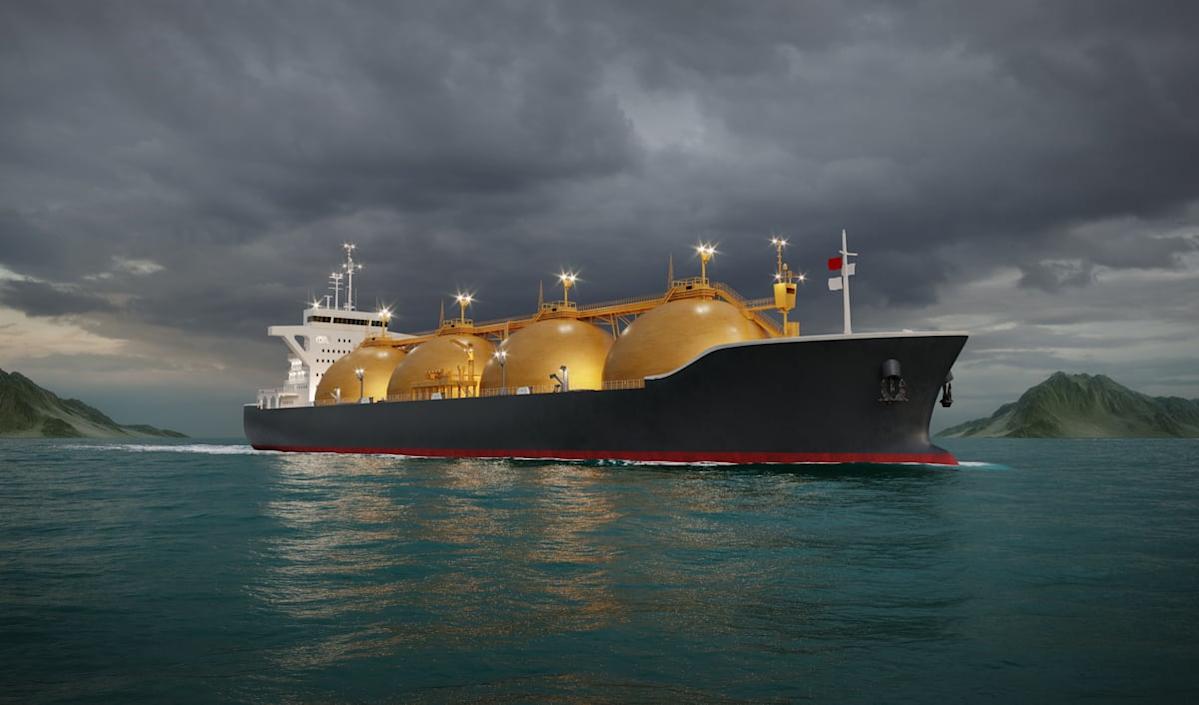
Venture Global Shares Surge 24.3% Following Strong Earnings and Supply Deals

- Strong Earnings: Venture Global's shares surged 24.3% this week, driven by an impressive first-quarter earnings report released on Tuesday, indicating robust profitability that is expected to fuel future investments and expansions.
- Long-Term Contracts Signed: The company secured five-year LNG supply agreements with TotalEnergies for 0.85 million tonnes per annum and with Vitol, increasing supply from 1.5 million tonnes to 1.7 million tonnes, ensuring stable revenue streams.
- Improved Market Conditions: The closure of the Strait of Hormuz has led to rising global LNG prices, benefiting Venture Global's uncontracted LNG flows, which is likely to enhance the company's market competitiveness and profitability.
- EBITDA Guidance Raised: Management raised the 2023 EBITDA forecast from $5.2 billion to $5.8 billion to a new range of $8.2 billion to $8.5 billion, reflecting confidence in future growth and providing funding assurance for capacity expansion.
See More
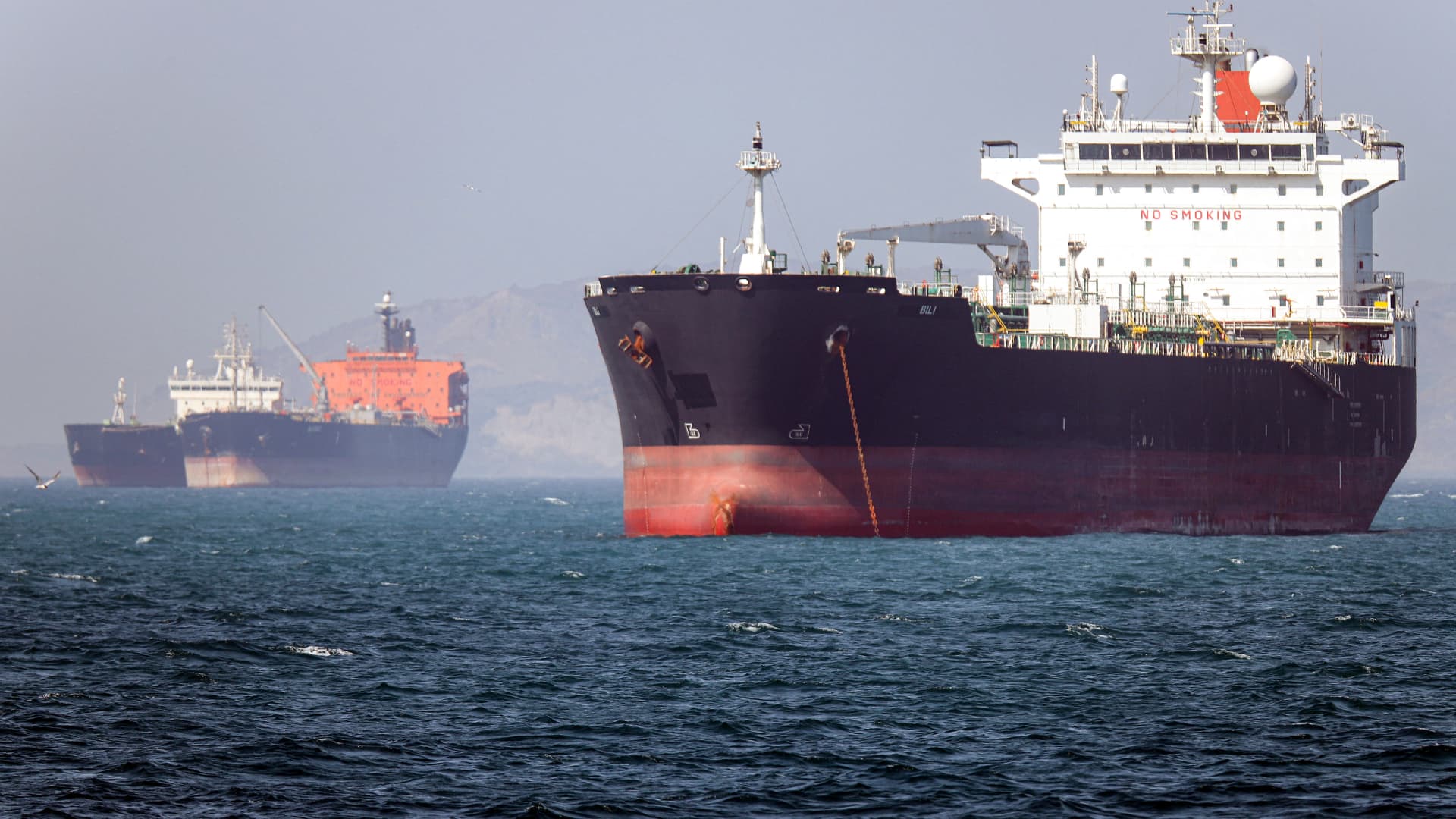
China and US Cooperation Eases Oil Supply Crisis

- Supply Disruption Impact: The oil market has lost about 10 million barrels per day due to Iran's blockade of the Strait of Hormuz, equating to 10% of global consumption, which has kept crude prices above $100 per barrel, preventing a significant surge.
- China-US Oil Market Dynamics: US oil exports surged by 3.5 million bpd during the Iran conflict, while China cut imports by 3.6 million bpd, together accounting for about 70% of the lost exports, highlighting their crucial role in adjusting the global oil market.
- Inventory Pressure and Future Outlook: China's strategic oil reserve stands at 1.4 billion barrels, sufficient for months of supply, while US inventories are under pressure, especially after deploying 172 million barrels from its strategic reserve to counter the oil shock, raising concerns about future export capabilities.
- Leaders' Meeting Impact: President Trump and President Xi Jinping met in Beijing, agreeing that the Strait of Hormuz must reopen to support the free flow of energy, although the timeline for restoring commercial shipping remains unclear, which will affect future oil market stability.
See More
Chevron vs TotalEnergies: Investment Strategies Compared
- Chevron's Investment Strategy: Chevron plans to invest $18 billion to $21 billion annually over the next five years, with over half allocated to its U.S. upstream operations, positioning it for over 10% annual free cash flow growth through 2030, ensuring continued dividend increases and share buybacks.
- TotalEnergies' Diversified Approach: TotalEnergies intends to invest about $15 billion in 2023, with 40% directed towards new oil and gas projects and 20% towards integrated power and low-carbon molecules, expecting a 3% compound annual growth rate in oil and gas production and a doubling of power generation capacity to 100-200 TWh by 2030.
- Financial Health: Chevron holds an Aa2/AA- credit rating, reporting $2.1 billion in earnings from its U.S. upstream business with production exceeding 2 million BOE/D in Q1, while TotalEnergies has an A+/Aa3 rating with adjusted earnings of $2.5 billion in the same period, reflecting strong financial foundations for both companies in the global energy market.
- Market Competitive Outlook: While Chevron's investment strategy is set to drive stable growth, TotalEnergies' heavy investment in expanding its integrated power business may enable it to achieve higher total returns over the next five years, potentially giving it a competitive edge in the market.
See More
France Considers Windfall Tax on TotalEnergies Amid Rising Oil Prices
- Tax Policy Discussion: French Budget Minister David Amiel stated that the government has not ruled out the possibility of imposing a windfall tax on TotalEnergies, although it currently prefers to maintain a cap on fuel prices, aiming to directly benefit French citizens and reflecting the government's concern over energy profit distribution.
- Increased Political Pressure: As rising oil and gas prices due to the Middle East conflict intensify, political pressure is mounting on the government to consider how to benefit from TotalEnergies' strong financial performance, with the Socialist Party leader proposing a windfall tax that could generate approximately €2 billion for the government.
- Increased Shareholder Returns: TotalEnergies has recently increased share buybacks and dividends due to rebounding oil and gas prices and robust trading activity, yet investors must remain vigilant regarding the sustainability of its profitability amid potential tax increases and regulatory scrutiny.
- Economic Resilience: Amiel noted that France's economy has fared better than some European peers in handling the regional conflict, with the government planning targeted support for sectors like farming and transportation that are most exposed to rising energy costs, demonstrating a commitment to economic stability.
See More
Middle East Conflict Drives Oil Prices Up
- Investment Opportunities in Energy Stocks: The geopolitical conflict in the Middle East has led to supply constraints, driving oil prices sharply higher and sparking Wall Street's interest in energy stocks, particularly strong integrated companies like Chevron and ExxonMobil, which have demonstrated resilience throughout the energy cycle.
- Advantages of Integrated Energy Companies: Despite the inherent volatility of the oil and gas sector, integrated energy firms like TotalEnergies mitigate financial risks through diversified operations, with projections indicating that nearly 12% of its business will come from clean energy investments by 2025, showcasing its strategic positioning for future energy transitions.
- Dividend Yield Comparison: Chevron boasts a dividend yield of 3.8%, surpassing Exxon's 2.7%, while TotalEnergies offers a yield of 4.6%; although U.S. investors face French tax implications, its long-term growth potential and clean energy initiatives make it an attractive option.
- Market Outlook: As global demand for clean energy rises, investors should monitor how companies like TotalEnergies leverage profits from carbon fuel operations to build substantial clean energy businesses, positioning themselves favorably in the future energy landscape.
See More
Venture Global Shares Surge 24.3% Following Strong Earnings and Supply Deals
- Strong Quarterly Performance: Venture Global's stock surged 24.3% this week, driven by a robust first-quarter earnings report released on Tuesday, which raised EBITDA guidance from $5.2 billion to $5.8 billion to a new range of $8.2 billion to $8.5 billion, reflecting the company's growth potential in a high-demand environment.
- Long-Term Contract Signings: The company secured five-year LNG supply agreements with TotalEnergies for 0.85 million tonnes per annum and with Vitol, increasing supply from 1.5 million tonnes to 1.7 million tonnes, ensuring revenue stability and enhancing market competitiveness.
- Favorable Market Conditions: The International Energy Agency noted that the closure of the Strait of Hormuz has impacted global LNG trade, benefiting Venture Global as its uncontracted LNG streams see price increases, further enhancing the company's profitability and market position.
- Capacity Expansion Plans: The company aims to ramp up annual production capacity to over 100 million tonnes by 2030, with CEO Michael Sabel indicating that the need to repair LNG infrastructure in Qatar and increased investment risks position Venture Global favorably to seize future market opportunities.
See More
Venture Global Shares Surge 24.3% Following Strong Earnings and Supply Deals
- Strong Earnings: Venture Global's shares surged 24.3% this week, driven by an impressive first-quarter earnings report released on Tuesday, indicating robust profitability that is expected to fuel future investments and expansions.
- Long-Term Contracts Signed: The company secured five-year LNG supply agreements with TotalEnergies for 0.85 million tonnes per annum and with Vitol, increasing supply from 1.5 million tonnes to 1.7 million tonnes, ensuring stable revenue streams.
- Improved Market Conditions: The closure of the Strait of Hormuz has led to rising global LNG prices, benefiting Venture Global's uncontracted LNG flows, which is likely to enhance the company's market competitiveness and profitability.
- EBITDA Guidance Raised: Management raised the 2023 EBITDA forecast from $5.2 billion to $5.8 billion to a new range of $8.2 billion to $8.5 billion, reflecting confidence in future growth and providing funding assurance for capacity expansion.
See More
China and US Cooperation Eases Oil Supply Crisis
- Supply Disruption Impact: The oil market has lost about 10 million barrels per day due to Iran's blockade of the Strait of Hormuz, equating to 10% of global consumption, which has kept crude prices above $100 per barrel, preventing a significant surge.
- China-US Oil Market Dynamics: US oil exports surged by 3.5 million bpd during the Iran conflict, while China cut imports by 3.6 million bpd, together accounting for about 70% of the lost exports, highlighting their crucial role in adjusting the global oil market.
- Inventory Pressure and Future Outlook: China's strategic oil reserve stands at 1.4 billion barrels, sufficient for months of supply, while US inventories are under pressure, especially after deploying 172 million barrels from its strategic reserve to counter the oil shock, raising concerns about future export capabilities.
- Leaders' Meeting Impact: President Trump and President Xi Jinping met in Beijing, agreeing that the Strait of Hormuz must reopen to support the free flow of energy, although the timeline for restoring commercial shipping remains unclear, which will affect future oil market stability.
See More
Chevron vs TotalEnergies: Investment Strategies Compared
- Chevron's Investment Strategy: Chevron plans to invest $18 billion to $21 billion annually over the next five years, with over half allocated to its U.S. upstream operations, positioning it for over 10% annual free cash flow growth through 2030, ensuring continued dividend increases and share buybacks.
- TotalEnergies' Diversified Approach: TotalEnergies intends to invest about $15 billion in 2023, with 40% directed towards new oil and gas projects and 20% towards integrated power and low-carbon molecules, expecting a 3% compound annual growth rate in oil and gas production and a doubling of power generation capacity to 100-200 TWh by 2030.
- Financial Health: Chevron holds an Aa2/AA- credit rating, reporting $2.1 billion in earnings from its U.S. upstream business with production exceeding 2 million BOE/D in Q1, while TotalEnergies has an A+/Aa3 rating with adjusted earnings of $2.5 billion in the same period, reflecting strong financial foundations for both companies in the global energy market.
- Market Competitive Outlook: While Chevron's investment strategy is set to drive stable growth, TotalEnergies' heavy investment in expanding its integrated power business may enable it to achieve higher total returns over the next five years, potentially giving it a competitive edge in the market.
See More