Ford's Strategic Shift Towards Profitability Growth
Written by Emily J. Thompson, Senior Investment Analyst
Updated: Feb 26 2026
0mins


Should l Buy F?
Source: NASDAQ.COM
- Record Revenue: Ford achieved a record revenue of $187.3 billion in 2025, marking its fifth consecutive year of growth, which underscores its strong performance in the North American market and potential for future expansion.
- Market Share Increase: Ford's U.S. market share rose by 0.6 percentage points to 13.2%, primarily driven by the growth in hybrid vehicle sales, reflecting the company's successful pivot back to traditional gasoline-powered vehicles.
- Significant Cost Reductions: Ford has made notable progress in mitigating the impact of new tariffs, successfully delivering $1.5 billion in cost reductions, which exceeded initial targets by 50%, thereby enhancing the company's profit margins.
- Ford Pro Business Growth: Ford's commercial unit, Ford Pro, generated $6.8 billion in EBIT in 2025 with a 10.3% margin, demonstrating its competitive edge in the mainstream automotive industry and highlighting its future profitability potential.
Trade with 70% Backtested Accuracy
Stop guessing "Should I Buy F?" and start using high-conviction signals backed by rigorous historical data.
Sign up today to access powerful investing tools and make smarter, data-driven decisions.
Analyst Views on F
Wall Street analysts forecast F stock price to rise
14 Analyst Rating
3 Buy
10 Hold
1 Sell
Hold
Current: 12.240

Low
11.00
Averages
13.65
High
16.00
Current: 12.240
Low
11.00
Averages
13.65
High
16.00
About F
Ford Motor Company is an automobile company. The Company develops and delivers Ford trucks, sport utility vehicles, commercial vans and cars, and Lincoln luxury vehicles, along with connected services. The Company’s segments include Ford Blue, Ford Model e, Ford Pro, and Ford Credit. The Ford Blue segment primarily includes the sale of Ford and Lincoln internal combustion engine (ICE) and hybrid vehicles, service parts, accessories, and digital services for retail customers. The Ford Model e segment primarily includes the sale of its electric vehicles, service parts, accessories, and digital services for retail customers. The Ford Pro segment primarily includes the sale of Ford and Lincoln vehicles, service parts, accessories, and services for commercial, government, and rental customers. The Ford Credit segment consists of the Ford Credit business on a consolidated basis, which is primarily vehicle-related financing and leasing activities. Its vehicle brands are Ford and Lincoln.
About the author

Emily J. Thompson
Emily J. Thompson, a Chartered Financial Analyst (CFA) with 12 years in investment research, graduated with honors from the Wharton School. Specializing in industrial and technology stocks, she provides in-depth analysis for Intellectia’s earnings and market brief reports.
Ford Motor Set to Announce Q1 Earnings Results

- Earnings Announcement: Ford Motor is set to report its first-quarter earnings after market close on Wednesday, with analysts expecting adjusted earnings per share of 19 cents and automotive revenue of $38.82 billion, indicating stable performance in the market.
- Revenue Growth: The anticipated automotive revenue reflects a 3.7% increase year-over-year, while adjusted earnings per share are projected to rise by 35.7% from 14 cents last year, showcasing significant improvement in profitability and boosting investor confidence.
- Future Guidance: Ford's 2026 guidance projects adjusted EBIT between $8 billion and $10 billion, an increase from $6.8 billion last year, indicating the company's positive outlook for future growth and operational efficiency.
- Restructuring Plans: The automaker plans to record approximately $19.5 billion in special items starting in Q4 2025, primarily for restructuring business priorities and EV investments, which will have profound implications for the company's financial health.
See More
Ford Appoints New Chief Investor Relations Officer
- Leadership Changes: Ford Motor Company has appointed Maria Ricciardone as Chief Investor Relations Officer effective May 1, bringing extensive expertise from her previous role at Lockheed Martin as Vice President, Treasurer, and Investor Relations, showcasing her deep knowledge in capital markets and financial strategy.
- Strengthened Strategic Execution: This leadership transition aims to bolster Ford's financial and strategic execution as the company accelerates its Ford+ plan, ensuring ongoing progress in growth and value creation initiatives.
- Enhanced Transparency: Ricciardone will lead Ford's global investor relations strategy, ensuring that shareholders and analysts have a clear view of the company's performance, capital priorities, and strategic milestones, thereby enhancing investor trust and confidence.
- Smooth Transition: Former Investor Relations Officer Lynn Antipas Tyson will transition to a senior advisory role, continuing to support CFO Sherry House, which ensures a seamless leadership change while maintaining strong relationships with the investment community.
See More

NASDAQ 100 Pre-Market Activity Overview


- Market Performance: The NASDAQ 100 Pre-Market Indicator rose by 193.06 points to 27,380.05, indicating investor optimism that could drive positive performance in upcoming trading sessions.
- Active Stocks: ProShares UltraPro QQQ (TQQQ) increased by $1.29 to $63.15 with a trading volume of 6,089,953 shares, representing a 150.99% rise from its 52-week low, highlighting strong investor interest in tech stocks.
- Company Updates: Intel Corporation (INTC) gained $2.35 to $97.10 with 5,630,617 shares traded, and has seen 10 upward revisions in earnings forecasts over the last four weeks, reflecting market confidence in its financial performance.
- Short-Term Trading Insights: Xerox Holdings Corporation (XRX) rose by $0.6187 to $2.19 with a trading volume of 5,536,250 shares, and the days to cover stands at 11.13, indicating heightened market attention and liquidity for the stock.
See More

Musk Returns to Court in OpenAI Case


- Tesla vs. OpenAI Showdown: Musk faced intense cross-examination in court against OpenAI's Sam Altman, which could impact Tesla's public image and investor confidence amid ongoing scrutiny.
- Meta's Earnings Setback: Meta reported a quarterly loss exceeding $4 billion in its Reality Labs unit, leading to a 9% drop in pre-market trading, indicating significant challenges in its AI investments.
- Amazon's Cloud Growth: Amazon's earnings report exceeded expectations, showcasing its strongest cloud revenue growth in over three years, with shares rising 3% before the bell, reflecting its sustained competitive strength in the market.
- Ford's Strong Performance: Ford surpassed analysts' earnings expectations and raised its full-year guidance, benefiting from a $1.3 billion tariff refund, indicating a robust recovery in the automotive sector.
See More

Tech Earnings Beat Expectations Amid Market Volatility

- Tech Earnings Highlights: Four of the Magnificent Seven tech giants reported earnings last night, with Meta facing over $4 billion in quarterly losses due to internet disruptions in Iran, leading to a 9% drop in pre-market trading, while Amazon's strong cloud growth sent shares up 3%.
- Fed Policy Dynamics: The Federal Reserve held interest rates steady, citing rising energy costs and uncertainty in the Middle East, with Chair Powell indicating he will remain until the Justice Department's investigation concludes, which could influence future monetary policy directions.
- Oil Price Surge: Brent crude futures surged to $126, marking a new high since the Iran war began, as President Trump considers military options against Tehran, with the war's costs estimated at $25 billion, potentially impacting global oil market stability.
- Ford's Strong Performance: Ford exceeded analysts' earnings expectations and raised its full-year guidance, benefiting from a $1.3 billion tariff refund despite a 4% decline in wholesale units, with net income surging approximately 400%, showcasing robust market performance.
See More
Significant Premarket Trading Moves by Multiple Companies


- Meta's CapEx Increase: Meta Platforms raised its full-year capital expenditure guidance to between $125 billion and $145 billion, causing a 9% drop in stock price due to heightened concerns over AI spending, which negatively impacts investor confidence.
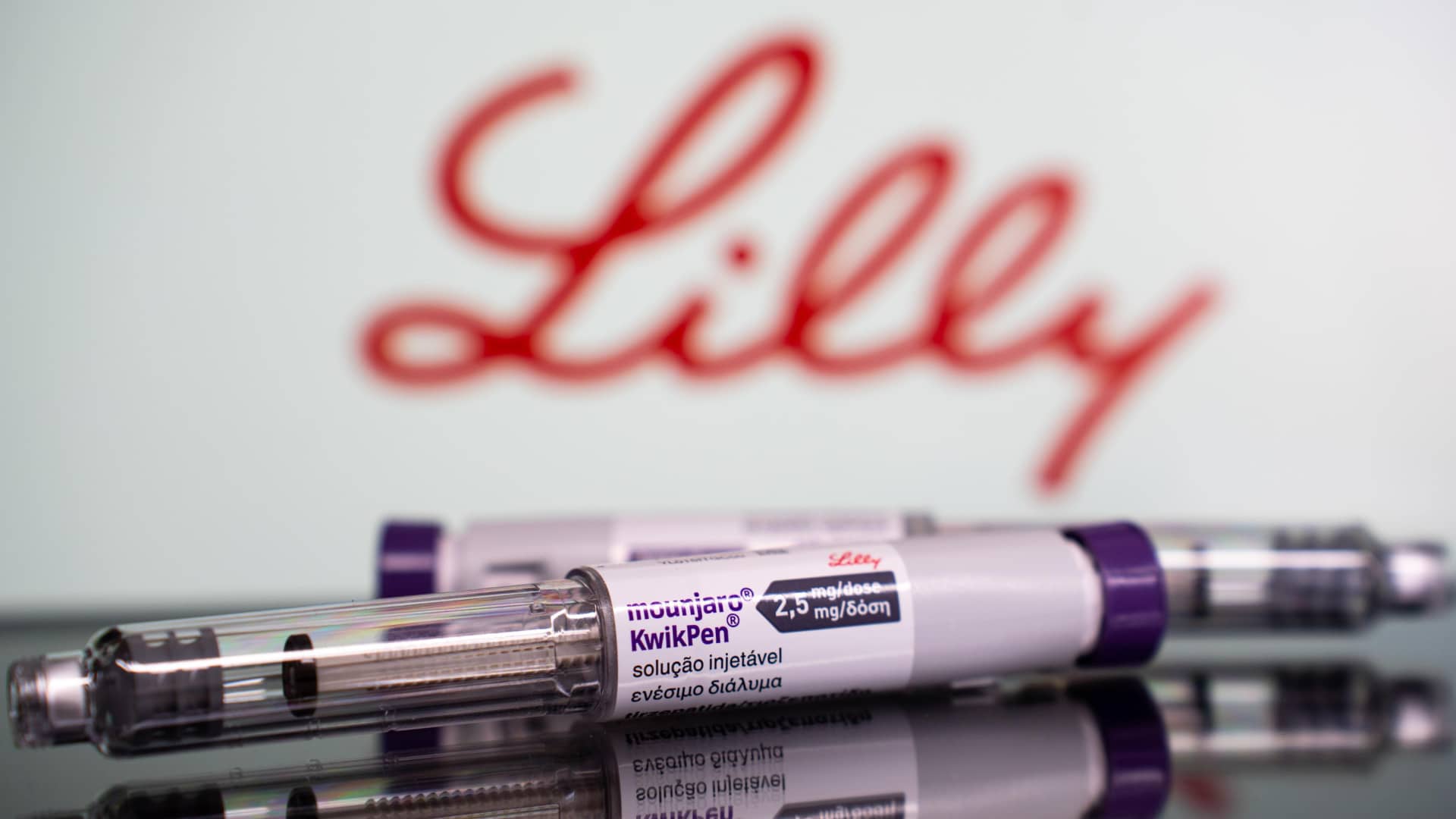
- Eli Lilly's Strong Performance: Eli Lilly's first-quarter earnings and revenue exceeded analyst expectations, leading to an almost 8% stock increase, while the company raised its full-year sales outlook to between $82 billion and $85 billion, indicating robust market demand.
- Alphabet's Impressive Earnings: Alphabet reported first-quarter revenue of $109.9 billion, surpassing the $107.2 billion expected by analysts, resulting in a 7.4% stock increase, with Google Cloud revenue soaring 63% year-over-year, showcasing strong growth potential in its cloud business.
- Royal Caribbean's Solid Results: Royal Caribbean's first-quarter adjusted earnings came in at $3.60 per share, exceeding the $3.20 expected by analysts, and despite slightly missing revenue expectations, the stock rose 7%, reflecting market confidence in its financial health.
See More
Ford Motor Set to Announce Q1 Earnings Results
- Earnings Announcement: Ford Motor is set to report its first-quarter earnings after market close on Wednesday, with analysts expecting adjusted earnings per share of 19 cents and automotive revenue of $38.82 billion, indicating stable performance in the market.
- Revenue Growth: The anticipated automotive revenue reflects a 3.7% increase year-over-year, while adjusted earnings per share are projected to rise by 35.7% from 14 cents last year, showcasing significant improvement in profitability and boosting investor confidence.
- Future Guidance: Ford's 2026 guidance projects adjusted EBIT between $8 billion and $10 billion, an increase from $6.8 billion last year, indicating the company's positive outlook for future growth and operational efficiency.
- Restructuring Plans: The automaker plans to record approximately $19.5 billion in special items starting in Q4 2025, primarily for restructuring business priorities and EV investments, which will have profound implications for the company's financial health.
See More
Ford Appoints New Chief Investor Relations Officer
- Leadership Changes: Ford Motor Company has appointed Maria Ricciardone as Chief Investor Relations Officer effective May 1, bringing extensive expertise from her previous role at Lockheed Martin as Vice President, Treasurer, and Investor Relations, showcasing her deep knowledge in capital markets and financial strategy.
- Strengthened Strategic Execution: This leadership transition aims to bolster Ford's financial and strategic execution as the company accelerates its Ford+ plan, ensuring ongoing progress in growth and value creation initiatives.
- Enhanced Transparency: Ricciardone will lead Ford's global investor relations strategy, ensuring that shareholders and analysts have a clear view of the company's performance, capital priorities, and strategic milestones, thereby enhancing investor trust and confidence.
- Smooth Transition: Former Investor Relations Officer Lynn Antipas Tyson will transition to a senior advisory role, continuing to support CFO Sherry House, which ensures a seamless leadership change while maintaining strong relationships with the investment community.
See More
NASDAQ 100 Pre-Market Activity Overview
- Market Performance: The NASDAQ 100 Pre-Market Indicator rose by 193.06 points to 27,380.05, indicating investor optimism that could drive positive performance in upcoming trading sessions.
- Active Stocks: ProShares UltraPro QQQ (TQQQ) increased by $1.29 to $63.15 with a trading volume of 6,089,953 shares, representing a 150.99% rise from its 52-week low, highlighting strong investor interest in tech stocks.
- Company Updates: Intel Corporation (INTC) gained $2.35 to $97.10 with 5,630,617 shares traded, and has seen 10 upward revisions in earnings forecasts over the last four weeks, reflecting market confidence in its financial performance.
- Short-Term Trading Insights: Xerox Holdings Corporation (XRX) rose by $0.6187 to $2.19 with a trading volume of 5,536,250 shares, and the days to cover stands at 11.13, indicating heightened market attention and liquidity for the stock.
See More
Musk Returns to Court in OpenAI Case
- Tesla vs. OpenAI Showdown: Musk faced intense cross-examination in court against OpenAI's Sam Altman, which could impact Tesla's public image and investor confidence amid ongoing scrutiny.
- Meta's Earnings Setback: Meta reported a quarterly loss exceeding $4 billion in its Reality Labs unit, leading to a 9% drop in pre-market trading, indicating significant challenges in its AI investments.
- Amazon's Cloud Growth: Amazon's earnings report exceeded expectations, showcasing its strongest cloud revenue growth in over three years, with shares rising 3% before the bell, reflecting its sustained competitive strength in the market.
- Ford's Strong Performance: Ford surpassed analysts' earnings expectations and raised its full-year guidance, benefiting from a $1.3 billion tariff refund, indicating a robust recovery in the automotive sector.
See More
Tech Earnings Beat Expectations Amid Market Volatility
- Tech Earnings Highlights: Four of the Magnificent Seven tech giants reported earnings last night, with Meta facing over $4 billion in quarterly losses due to internet disruptions in Iran, leading to a 9% drop in pre-market trading, while Amazon's strong cloud growth sent shares up 3%.
- Fed Policy Dynamics: The Federal Reserve held interest rates steady, citing rising energy costs and uncertainty in the Middle East, with Chair Powell indicating he will remain until the Justice Department's investigation concludes, which could influence future monetary policy directions.
- Oil Price Surge: Brent crude futures surged to $126, marking a new high since the Iran war began, as President Trump considers military options against Tehran, with the war's costs estimated at $25 billion, potentially impacting global oil market stability.
- Ford's Strong Performance: Ford exceeded analysts' earnings expectations and raised its full-year guidance, benefiting from a $1.3 billion tariff refund despite a 4% decline in wholesale units, with net income surging approximately 400%, showcasing robust market performance.
See More
Significant Premarket Trading Moves by Multiple Companies
- Meta's CapEx Increase: Meta Platforms raised its full-year capital expenditure guidance to between $125 billion and $145 billion, causing a 9% drop in stock price due to heightened concerns over AI spending, which negatively impacts investor confidence.
- Eli Lilly's Strong Performance: Eli Lilly's first-quarter earnings and revenue exceeded analyst expectations, leading to an almost 8% stock increase, while the company raised its full-year sales outlook to between $82 billion and $85 billion, indicating robust market demand.
- Alphabet's Impressive Earnings: Alphabet reported first-quarter revenue of $109.9 billion, surpassing the $107.2 billion expected by analysts, resulting in a 7.4% stock increase, with Google Cloud revenue soaring 63% year-over-year, showcasing strong growth potential in its cloud business.
- Royal Caribbean's Solid Results: Royal Caribbean's first-quarter adjusted earnings came in at $3.60 per share, exceeding the $3.20 expected by analysts, and despite slightly missing revenue expectations, the stock rose 7%, reflecting market confidence in its financial health.
See More