Five Months Later: Analyzing the Pros, Cons, and Risks of Hertz's Partnership with Amazon

Hertz's Stock Performance: Hertz Global Holdings has seen a significant decline in its stock value, with shares down over 79% in the past five years, including a nearly 43% loss since reaching a one-year high in April 2025.
Partnership with Amazon: The company has entered a strategic partnership with Amazon to sell used cars online, aiming to improve sales and provide customers with a more convenient purchasing experience.
Financial Challenges: Hertz has faced substantial financial difficulties, including a massive net loss in 2024 and increasing depreciation costs, which have raised concerns among investors regarding the company's long-term viability.
Analyst Ratings: While Amazon has received a favorable "Buy" rating from analysts, Hertz has been assigned a "Reduce" rating, reflecting a lack of confidence in its recovery and growth potential compared to its competitors.
Trade with 70% Backtested Accuracy
Analyst Views on CVNA

About CVNA
About the author


Carvana Reports 58% Revenue Surge in Q4 2025

- Significant Revenue Growth: Carvana's Q4 2025 revenue surged 58% year-over-year to $5.6 billion, driven by a 43% increase in retail units sold, exceeding 163,000, indicating strong demand and business expansion in the used car market.
- Net Income Surge: The company reported a net income of $951 million for Q4, positively impacted by approximately $685 million in non-cash tax benefits, reflecting management's confidence in future profitability by releasing the valuation allowance on deferred tax assets.
- Profitability Fluctuations: Although adjusted EBITDA improved to $511 million from $359 million year-over-year, the EBITDA margin narrowed to 9.1% from 11.3% in Q3, indicating potential pressures on profitability that may affect investor sentiment.
- High Valuation Risks: With a price-to-earnings ratio of 33, Carvana's stock remains highly valued despite a 35% drop this year, necessitating caution from investors regarding potential demand fluctuations amid macroeconomic uncertainties.

Carvana's Stock Soars 4,300%: Future Growth Potential
- Outstanding Market Performance: Carvana's stock has surged approximately 4,300% over the past three years, significantly outperforming the S&P 500's 70% gain, highlighting its strong growth potential in the used car market and attracting investor interest.
- Margin Improvement: Despite higher-than-expected reconditioning costs in Q4 2025, if Carvana can leverage data-driven software to streamline operations, it is expected to further enhance margins, boosting investor confidence.
- Industry Consolidation Trend: As the second-largest used car retailer in the U.S., Carvana holds only 1.6% of the market, yet its e-commerce platform positions it favorably for the impending industry consolidation, potentially expanding its market share.
- Future Growth Opportunities: Carvana's operational efficiencies and industry consolidation are set to drive high growth in the future; although investors may have missed earlier gains, substantial growth potential remains on the horizon.
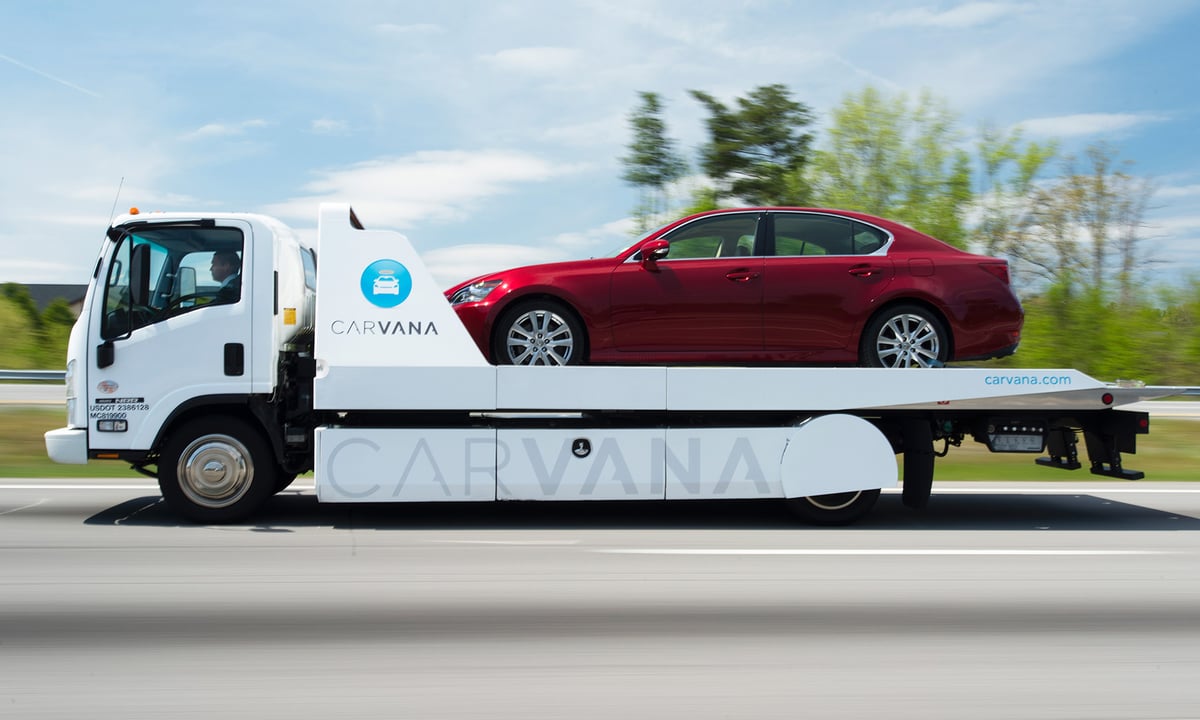
Carvana Shares Plunge 35% Despite Record Earnings Report
- Significant Revenue Growth: Carvana's fourth-quarter revenue surged 58% year-over-year to $5.6 billion, driven by a 43% increase in retail units sold, exceeding 163,000, indicating strong market demand and a solid business foundation.
- Profit Signal: Despite reporting a net income of $951 million in Q4, Carvana's results included a $685 million non-cash benefit, reflecting management's confidence in future profitability by releasing the valuation allowance against deferred tax assets.
- Profitability Pressure: While revenue growth is robust, Carvana's adjusted EBITDA stood at $511 million, with the EBITDA margin narrowing from 11.3% in Q3 to 9.1%, highlighting profitability pressures and investor concerns regarding its valuation.
- High Valuation Risks: With a price-to-earnings ratio of 33, Carvana's shares remain expensive even after a 35% drop, necessitating caution among investors regarding future growth expectations, especially amid macroeconomic uncertainties.

Market Capitalization Comparison: Datadog vs Carvana

- Market Cap Comparison: Datadog Inc (Ticker: DDOG) has a market capitalization of $43.09 billion, while Carvana Co (Ticker: CVNA) stands at $41.56 billion, highlighting their relative size differences in the market, which influences investor valuation assessments.
- Investor Misconceptions: Many novice investors mistakenly judge company value solely based on stock price, but market capitalization provides a more accurate basis for comparison, helping investors avoid erroneous investment decisions.
- Market Positioning Impact: Market capitalization not only affects a company's ranking among peers but also determines which mutual funds and ETFs may invest in these stocks, particularly as large funds tend to favor companies with market caps exceeding $10 billion.
- Stock Price Fluctuations: At Thursday's close, DDOG's stock price fell by approximately 1%, while CVNA's stock price rose by about 1.3%, reflecting differing market reactions to the short-term performance of these two companies.

Carvana's Comeback: From Bankruptcy Brink to Profit Growth
- Profitability Improvement: Carvana has successfully reversed its unprofitable growth strategy, significantly enhancing margins, with fourth-quarter gross profit per unit at $6,427, despite a $244 decline from last year, indicating a strong trajectory towards profitability.
- Market Share Expansion: As the second-largest used car retailer in the U.S., Carvana currently holds only 1.6% of the industry market share, with significant potential for growth through industry consolidation, especially as competition intensifies between traditional retailers and e-commerce platforms.
- Operational Efficiency Optimization: The company identified that if all production locations had per-unit costs aligned with the top quartile, fourth-quarter reconditioning costs could have been $220 lower per unit, presenting a critical opportunity for margin enhancement, particularly through the application of data-driven software.
- Strategic Acquisition Moves: Carvana's recent acquisition of six Stellantis dealerships not only opens avenues for new car sales but also enhances trade-in inventory and parts service revenue with higher margins, further solidifying its competitive advantage in the market.

Carvana's Financial Recovery and Profit Outlook
- Stock Surge: Carvana's stock price has soared 4,300% over the past three years, significantly outperforming the S&P 500's 70% gain, reflecting investor confidence in its profitability and stable growth, indicating a bullish outlook for its future performance.
- Record Net Income: In its fourth-quarter report, Carvana announced a record net income of $1.895 billion for the year, with $685 million of this gain attributed to the release of its valuation allowance on deferred tax assets, marking a significant improvement in profitability and boosting investor confidence.
- Tax Asset Release: Management's belief that the company will utilize its past deferred tax assets signals the end of a pessimistic view on profitability, enhancing net income and positively impacting future cash flow, showcasing the success of the company's strategic transformation.
- Profit Growth Signal: Carvana's successful pivot towards profitability rather than reckless expansion is evident, as it turned a $10,000 investment into over $430,000 in three years, further solidifying its competitive position in the used car market and attracting more investor interest.
Carvana Reports 58% Revenue Surge in Q4 2025
- Significant Revenue Growth: Carvana's Q4 2025 revenue surged 58% year-over-year to $5.6 billion, driven by a 43% increase in retail units sold, exceeding 163,000, indicating strong demand and business expansion in the used car market.
- Net Income Surge: The company reported a net income of $951 million for Q4, positively impacted by approximately $685 million in non-cash tax benefits, reflecting management's confidence in future profitability by releasing the valuation allowance on deferred tax assets.
- Profitability Fluctuations: Although adjusted EBITDA improved to $511 million from $359 million year-over-year, the EBITDA margin narrowed to 9.1% from 11.3% in Q3, indicating potential pressures on profitability that may affect investor sentiment.
- High Valuation Risks: With a price-to-earnings ratio of 33, Carvana's stock remains highly valued despite a 35% drop this year, necessitating caution from investors regarding potential demand fluctuations amid macroeconomic uncertainties.
Carvana's Stock Soars 4,300%: Future Growth Potential
- Outstanding Market Performance: Carvana's stock has surged approximately 4,300% over the past three years, significantly outperforming the S&P 500's 70% gain, highlighting its strong growth potential in the used car market and attracting investor interest.
- Margin Improvement: Despite higher-than-expected reconditioning costs in Q4 2025, if Carvana can leverage data-driven software to streamline operations, it is expected to further enhance margins, boosting investor confidence.
- Industry Consolidation Trend: As the second-largest used car retailer in the U.S., Carvana holds only 1.6% of the market, yet its e-commerce platform positions it favorably for the impending industry consolidation, potentially expanding its market share.
- Future Growth Opportunities: Carvana's operational efficiencies and industry consolidation are set to drive high growth in the future; although investors may have missed earlier gains, substantial growth potential remains on the horizon.
Carvana Shares Plunge 35% Despite Record Earnings Report
- Significant Revenue Growth: Carvana's fourth-quarter revenue surged 58% year-over-year to $5.6 billion, driven by a 43% increase in retail units sold, exceeding 163,000, indicating strong market demand and a solid business foundation.
- Profit Signal: Despite reporting a net income of $951 million in Q4, Carvana's results included a $685 million non-cash benefit, reflecting management's confidence in future profitability by releasing the valuation allowance against deferred tax assets.
- Profitability Pressure: While revenue growth is robust, Carvana's adjusted EBITDA stood at $511 million, with the EBITDA margin narrowing from 11.3% in Q3 to 9.1%, highlighting profitability pressures and investor concerns regarding its valuation.
- High Valuation Risks: With a price-to-earnings ratio of 33, Carvana's shares remain expensive even after a 35% drop, necessitating caution among investors regarding future growth expectations, especially amid macroeconomic uncertainties.
Market Capitalization Comparison: Datadog vs Carvana
- Market Cap Comparison: Datadog Inc (Ticker: DDOG) has a market capitalization of $43.09 billion, while Carvana Co (Ticker: CVNA) stands at $41.56 billion, highlighting their relative size differences in the market, which influences investor valuation assessments.
- Investor Misconceptions: Many novice investors mistakenly judge company value solely based on stock price, but market capitalization provides a more accurate basis for comparison, helping investors avoid erroneous investment decisions.
- Market Positioning Impact: Market capitalization not only affects a company's ranking among peers but also determines which mutual funds and ETFs may invest in these stocks, particularly as large funds tend to favor companies with market caps exceeding $10 billion.
- Stock Price Fluctuations: At Thursday's close, DDOG's stock price fell by approximately 1%, while CVNA's stock price rose by about 1.3%, reflecting differing market reactions to the short-term performance of these two companies.
Carvana's Comeback: From Bankruptcy Brink to Profit Growth
- Profitability Improvement: Carvana has successfully reversed its unprofitable growth strategy, significantly enhancing margins, with fourth-quarter gross profit per unit at $6,427, despite a $244 decline from last year, indicating a strong trajectory towards profitability.
- Market Share Expansion: As the second-largest used car retailer in the U.S., Carvana currently holds only 1.6% of the industry market share, with significant potential for growth through industry consolidation, especially as competition intensifies between traditional retailers and e-commerce platforms.
- Operational Efficiency Optimization: The company identified that if all production locations had per-unit costs aligned with the top quartile, fourth-quarter reconditioning costs could have been $220 lower per unit, presenting a critical opportunity for margin enhancement, particularly through the application of data-driven software.
- Strategic Acquisition Moves: Carvana's recent acquisition of six Stellantis dealerships not only opens avenues for new car sales but also enhances trade-in inventory and parts service revenue with higher margins, further solidifying its competitive advantage in the market.
Carvana's Financial Recovery and Profit Outlook
- Stock Surge: Carvana's stock price has soared 4,300% over the past three years, significantly outperforming the S&P 500's 70% gain, reflecting investor confidence in its profitability and stable growth, indicating a bullish outlook for its future performance.
- Record Net Income: In its fourth-quarter report, Carvana announced a record net income of $1.895 billion for the year, with $685 million of this gain attributed to the release of its valuation allowance on deferred tax assets, marking a significant improvement in profitability and boosting investor confidence.
- Tax Asset Release: Management's belief that the company will utilize its past deferred tax assets signals the end of a pessimistic view on profitability, enhancing net income and positively impacting future cash flow, showcasing the success of the company's strategic transformation.
- Profit Growth Signal: Carvana's successful pivot towards profitability rather than reckless expansion is evident, as it turned a $10,000 investment into over $430,000 in three years, further solidifying its competitive position in the used car market and attracting more investor interest.