F-35 Software Upgrade Progress Stalled
Written by Emily J. Thompson, Senior Investment Analyst
Updated: Mar 15 2026
0mins
Source: seekingalpha
- Software Upgrade Stalled: The F-35 fighter jet's Technology Refresh-3 upgrade package faced reliability and functionality issues during testing, resulting in no new combat capabilities added last year, which adversely affects the aircraft's operational effectiveness.
- Processing Power Enhancement Plan: This upgrade aims to increase computing power by approximately 37 times and expand memory by about 20 times; however, due to stability issues and defects, the upgrade version remained largely unusable for much of the year, hindering support for future combat systems.
- Insufficient Cybersecurity Testing: The report highlighted that only three out of nine planned cybersecurity vulnerability assessments were completed last year, primarily due to staffing cuts and shifting budget priorities, further exposing weaknesses in the system and impacting overall security.
- Slow Project Progress: The Pentagon's testing office indicated that the F-35 program continues to struggle with development timelines, failing to meet expectations tied to its “agile” development process, which may affect future procurement plans.
Trade with 70% Backtested Accuracy
Stop guessing "Should I Buy LMT?" and start using high-conviction signals backed by rigorous historical data.
Sign up today to access powerful investing tools and make smarter, data-driven decisions.
Analyst Views on LMT
Wall Street analysts forecast LMT stock price to fall
12 Analyst Rating
4 Buy
7 Hold
1 Sell
Hold
Current: 548.680

Low
430.00
Averages
535.50
High
605.00
Current: 548.680
Low
430.00
Averages
535.50
High
605.00
About LMT
Lockheed Martin Corporation is an aerospace and defense technology company. The Company's segments include Aeronautics, Missiles and Fire Control (MFC), Rotary and Mission Systems (RMS) and Space. The Aeronautics segment is engaged in research, design, development, manufacture, integration, sustainment, support and upgrade of advanced military aircraft, including combat and air mobility aircraft, unmanned air vehicles and related technologies. The MFC segment provides air and missile defense systems; tactical missiles and precision strike weapon systems; logistics; fire control systems; engineering support and integration services. The RMS segment designs, manufactures, services and supports various military and commercial helicopters, sea and land-based missile defense systems. The Space segment is engaged in the research and design, development, engineering and production of satellites, space transportation systems, and strategic, advanced strike, and defensive systems.
About the author

Emily J. Thompson
Emily J. Thompson, a Chartered Financial Analyst (CFA) with 12 years in investment research, graduated with honors from the Wharton School. Specializing in industrial and technology stocks, she provides in-depth analysis for Intellectia’s earnings and market brief reports.
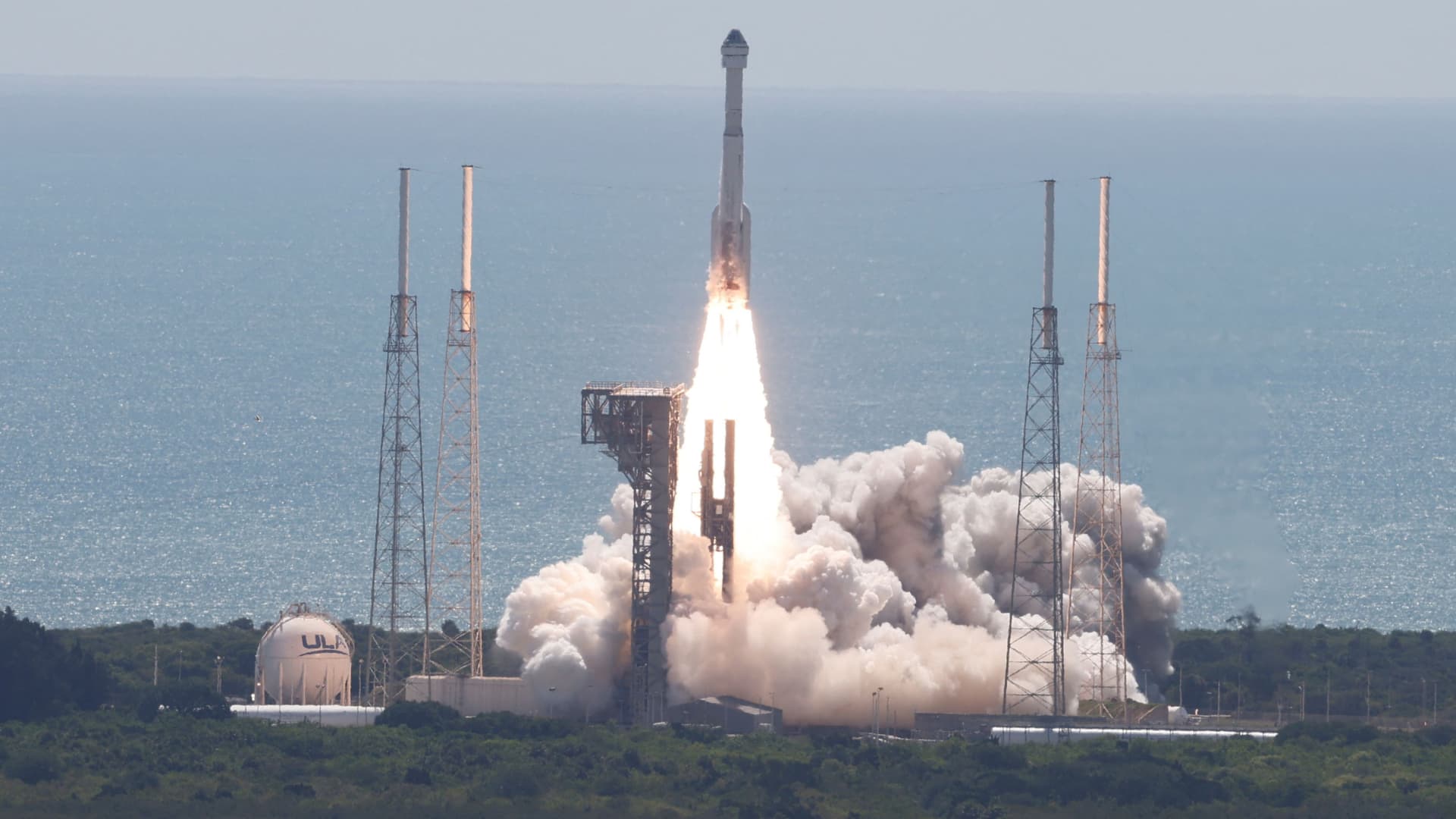
Lockheed Martin Secures $2.293B F-35 Sustainment Contract

- Significant Contract Value: Lockheed Martin has secured a $2.293 billion contract for F-35 sustainment support services, which includes site activation, fleet management, and reliability improvements, showcasing the company's robust position in the defense sector.
- Project Management Authority: The contract will be managed by the Naval Air Systems Command and is expected to be completed by December 2028, ensuring a steady revenue stream for Lockheed Martin over the next five years and enhancing its competitive standing in the defense market.
- Flexible Funding Arrangement: No funds were obligated at the time of the award, with payments to be made as individual orders are issued, allowing the company to better manage cash flow during project execution.
- Market Reaction: Despite securing this substantial contract, Lockheed Martin's stock closed approximately 1.52% lower at around $540.33, reflecting investor concerns regarding overall defense spending.
See More

Three S&P 500 Stocks Facing Challenges

- Lockheed Martin's Growth Challenges: Lockheed Martin (LMT) has experienced only a 2.6% annual revenue growth over the past five years, significantly lagging behind other industrial firms, while its earnings per share have declined by 3.7% annually, indicating deteriorating profitability; with a current share price of $547.48 and a forward P/E of 17.2, investors should exercise caution.
- Northrop Grumman's Weak Demand: Northrop Grumman (NOC) faces similar growth issues, with an estimated sales growth of only 5.4% for the next 12 months, reflecting soft demand, and its earnings per share have grown just 3.1% annually over the past five years; trading at $553.75 with a forward P/E of 19.1, the investment risk is heightened.
- NVR's Stagnant Sales: NVR has seen flat sales over the last two years, indicating a need for new growth strategies during this cycle, while its earnings per share have fallen by 7.5% annually, suggesting reduced profitability; currently priced at $6,470 with a forward P/E of 16.7, caution is advised for potential investors.
- Market Disparity Intensifies: As the market rapidly differentiates, the gap between quality stocks and overvalued ones is widening, prompting investors to pay attention to the impact of AI on sectors to timely adjust their investment strategies.
See More
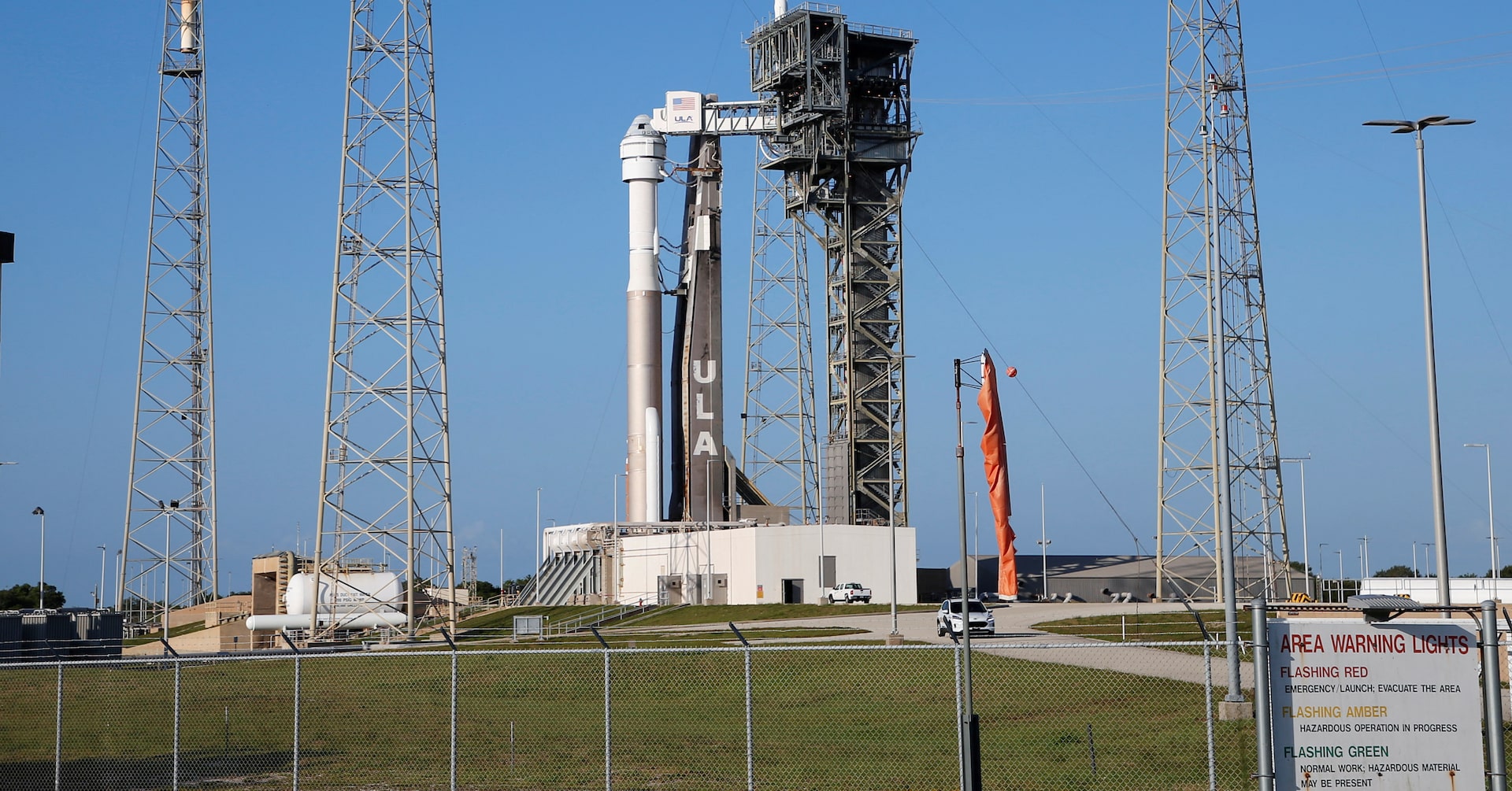
Lockheed Martin Secures $514.4M Contract Modification for Space Vehicles
- Contract Value Increase: Lockheed Martin's contract modification worth $514.4 million raises the total contract value from $4.17 billion to $4.68 billion, indicating the company's ongoing growth potential in the aerospace sector.
- Production Location and Timeline: The production work under this contract will take place in Littleton, Colorado, with an expected completion date of November 30, 2032, ensuring a steady production schedule and revenue stream for the coming years.
- Funding Assurance: The full $514.4 million in Fiscal 2026 procurement funds has been obligated at the time of award, indicating strong near-term funding visibility that enhances investor confidence.
- Managing Authority: This deal is managed by the Space Systems Command’s Satellite Communications and Positioning division, further solidifying Lockheed Martin's leadership position in the defense and aerospace sectors.
See More
Lockheed Martin Secures $514.4 Million Contract Modification
- Contract Value Increase: Lockheed Martin has secured a $514.4 million modification to an existing Air Force contract, aimed at enhancing the execution capabilities of its defense projects, thereby solidifying its market position in the defense sector.
- Strategic Implications: This contract modification not only reflects the U.S. Air Force's trust in Lockheed Martin's technological capabilities but may also provide additional funding support for future defense projects, enhancing the company's competitive edge.
- Business Impact: The implementation of this contract is expected to drive revenue growth for Lockheed Martin, particularly against the backdrop of increasing defense spending, further improving its financial performance.
- Market Outlook: As global security dynamics evolve, Lockheed Martin's business is poised to benefit from sustained defense investments, which are anticipated to provide long-term growth opportunities for the company.
See More

SpaceX IPO to Challenge Wall Street Norms


- Strategic Tech Positioning: SpaceX is set to be the primary launch provider for the U.S. government in 2025, executing 11 out of 12 National Security Space Launch missions, highlighting its critical role in national security and expected revenue growth.
- Satellite Network Dominance: As of March 31, SpaceX operates 10,000 Starlink satellites, accounting for 75% of all maneuverable satellites in orbit, with subscribers increasing from 5 million to 10.3 million in a year, indicating its rising importance in global communication infrastructure.
- Pricing Power Advantage: Unlike traditional defense contractors, SpaceX combines government contracts with a robust commercial business, providing it with greater flexibility and potential for pricing and growth, straddling the line between defense and tech.
- Regulatory Risk Considerations: While its strategic status brings contracts and political support, SpaceX's government work also entails unique risks related to compliance and cybersecurity, and as its importance in U.S. launch and communication infrastructure grows, so too may its obligations.
See More

SpaceX IPO Captivates Wall Street with Strategic Tech Appeal
- Strategic Tech Positioning: SpaceX's IPO, set to begin trading on Friday, positions it as the primary launch provider for the U.S. government in 2025, expected to execute 11 out of 12 National Security Space Launch missions, highlighting its critical role in national security and market potential.
- Satellite Network Expansion: As of March 31, SpaceX operates 10,000 Starlink satellites in low Earth orbit, accounting for 75% of all maneuverable satellites, with 10.3 million subscribers, more than double last year's figures, indicating its pivotal role in global communication infrastructure.
- Valuation Challenges: Unlike traditional defense contractors, SpaceX's business model aligns more with tech platforms, possessing pricing power and growth potential, while approximately one-fifth of its revenue comes from U.S. federal agencies, underscoring its irreplaceable role in government operations.
- Regulatory Risk Considerations: As SpaceX's centrality in U.S. launch and communication infrastructure increases, it faces heightened compliance risks and government oversight, which could impact its future market performance and valuation.
See More
Lockheed Martin Secures $2.293B F-35 Sustainment Contract
- Significant Contract Value: Lockheed Martin has secured a $2.293 billion contract for F-35 sustainment support services, which includes site activation, fleet management, and reliability improvements, showcasing the company's robust position in the defense sector.
- Project Management Authority: The contract will be managed by the Naval Air Systems Command and is expected to be completed by December 2028, ensuring a steady revenue stream for Lockheed Martin over the next five years and enhancing its competitive standing in the defense market.
- Flexible Funding Arrangement: No funds were obligated at the time of the award, with payments to be made as individual orders are issued, allowing the company to better manage cash flow during project execution.
- Market Reaction: Despite securing this substantial contract, Lockheed Martin's stock closed approximately 1.52% lower at around $540.33, reflecting investor concerns regarding overall defense spending.
See More
Three S&P 500 Stocks Facing Challenges
- Lockheed Martin's Growth Challenges: Lockheed Martin (LMT) has experienced only a 2.6% annual revenue growth over the past five years, significantly lagging behind other industrial firms, while its earnings per share have declined by 3.7% annually, indicating deteriorating profitability; with a current share price of $547.48 and a forward P/E of 17.2, investors should exercise caution.
- Northrop Grumman's Weak Demand: Northrop Grumman (NOC) faces similar growth issues, with an estimated sales growth of only 5.4% for the next 12 months, reflecting soft demand, and its earnings per share have grown just 3.1% annually over the past five years; trading at $553.75 with a forward P/E of 19.1, the investment risk is heightened.
- NVR's Stagnant Sales: NVR has seen flat sales over the last two years, indicating a need for new growth strategies during this cycle, while its earnings per share have fallen by 7.5% annually, suggesting reduced profitability; currently priced at $6,470 with a forward P/E of 16.7, caution is advised for potential investors.
- Market Disparity Intensifies: As the market rapidly differentiates, the gap between quality stocks and overvalued ones is widening, prompting investors to pay attention to the impact of AI on sectors to timely adjust their investment strategies.
See More
Lockheed Martin Secures $514.4M Contract Modification for Space Vehicles
- Contract Value Increase: Lockheed Martin's contract modification worth $514.4 million raises the total contract value from $4.17 billion to $4.68 billion, indicating the company's ongoing growth potential in the aerospace sector.
- Production Location and Timeline: The production work under this contract will take place in Littleton, Colorado, with an expected completion date of November 30, 2032, ensuring a steady production schedule and revenue stream for the coming years.
- Funding Assurance: The full $514.4 million in Fiscal 2026 procurement funds has been obligated at the time of award, indicating strong near-term funding visibility that enhances investor confidence.
- Managing Authority: This deal is managed by the Space Systems Command’s Satellite Communications and Positioning division, further solidifying Lockheed Martin's leadership position in the defense and aerospace sectors.
See More
Lockheed Martin Secures $514.4 Million Contract Modification
- Contract Value Increase: Lockheed Martin has secured a $514.4 million modification to an existing Air Force contract, aimed at enhancing the execution capabilities of its defense projects, thereby solidifying its market position in the defense sector.
- Strategic Implications: This contract modification not only reflects the U.S. Air Force's trust in Lockheed Martin's technological capabilities but may also provide additional funding support for future defense projects, enhancing the company's competitive edge.
- Business Impact: The implementation of this contract is expected to drive revenue growth for Lockheed Martin, particularly against the backdrop of increasing defense spending, further improving its financial performance.
- Market Outlook: As global security dynamics evolve, Lockheed Martin's business is poised to benefit from sustained defense investments, which are anticipated to provide long-term growth opportunities for the company.
See More
SpaceX IPO to Challenge Wall Street Norms
- Strategic Tech Positioning: SpaceX is set to be the primary launch provider for the U.S. government in 2025, executing 11 out of 12 National Security Space Launch missions, highlighting its critical role in national security and expected revenue growth.
- Satellite Network Dominance: As of March 31, SpaceX operates 10,000 Starlink satellites, accounting for 75% of all maneuverable satellites in orbit, with subscribers increasing from 5 million to 10.3 million in a year, indicating its rising importance in global communication infrastructure.
- Pricing Power Advantage: Unlike traditional defense contractors, SpaceX combines government contracts with a robust commercial business, providing it with greater flexibility and potential for pricing and growth, straddling the line between defense and tech.
- Regulatory Risk Considerations: While its strategic status brings contracts and political support, SpaceX's government work also entails unique risks related to compliance and cybersecurity, and as its importance in U.S. launch and communication infrastructure grows, so too may its obligations.
See More
SpaceX IPO Captivates Wall Street with Strategic Tech Appeal
- Strategic Tech Positioning: SpaceX's IPO, set to begin trading on Friday, positions it as the primary launch provider for the U.S. government in 2025, expected to execute 11 out of 12 National Security Space Launch missions, highlighting its critical role in national security and market potential.
- Satellite Network Expansion: As of March 31, SpaceX operates 10,000 Starlink satellites in low Earth orbit, accounting for 75% of all maneuverable satellites, with 10.3 million subscribers, more than double last year's figures, indicating its pivotal role in global communication infrastructure.
- Valuation Challenges: Unlike traditional defense contractors, SpaceX's business model aligns more with tech platforms, possessing pricing power and growth potential, while approximately one-fifth of its revenue comes from U.S. federal agencies, underscoring its irreplaceable role in government operations.
- Regulatory Risk Considerations: As SpaceX's centrality in U.S. launch and communication infrastructure increases, it faces heightened compliance risks and government oversight, which could impact its future market performance and valuation.
See More