Exxon Mobil Partners with Shearwater for 6,000 km² Seismic Survey Offshore Trinidad
Written by Emily J. Thompson, Senior Investment Analyst
Updated: Jan 19 2026
0mins


Should l Buy XOM?
Source: NASDAQ.COM
- Deepwater Exploration Partnership: Exxon Mobil has partnered with Shearwater Geoservices to conduct a 3D seismic survey covering 6,000 square kilometers, aiming to generate detailed seismic images that will enhance exploration efficiency by identifying oil and gas reservoirs.
- Contract Signing Context: In August 2025, Exxon signed a production-sharing contract with the Trinidad and Tobago government, merging seven deepwater blocks into one, which streamlines management processes and enhances resource development efficiency.
- Experience Leverage: Exxon plans to leverage its successful experience in neighboring Guyana to accelerate exploration in Trinidad, utilizing the established energy infrastructure to potentially shorten development timelines and reduce costs.
- Market Outlook: By integrating existing infrastructures in Trinidad and Guyana, Exxon Mobil is positioned to achieve cost synergies, further solidifying its growth potential in the Caribbean and strengthening its global upstream portfolio.
Trade with 70% Backtested Accuracy
Stop guessing "Should I Buy XOM?" and start using high-conviction signals backed by rigorous historical data.
Sign up today to access powerful investing tools and make smarter, data-driven decisions.
Analyst Views on XOM
Wall Street analysts forecast XOM stock price to fall
19 Analyst Rating
12 Buy
7 Hold
0 Sell
Moderate Buy
Current: 150.440

Low
114.00
Averages
132.17
High
158.00
Current: 150.440
Low
114.00
Averages
132.17
High
158.00
About XOM
Exxon Mobil Corporation is an energy provider and chemical manufacturer. The Company’s principal business involves exploration for, and production of, crude oil and natural gas; the manufacture, trade, transport and sale of crude oil, natural gas, petroleum products, petrochemicals and a wide variety of specialty products; and pursuit of lower-emission and other new business opportunities, including carbon capture and storage, hydrogen, lower-emission fuels, Proxxima systems, carbon materials, and lithium. Its Upstream segment explores for and produces crude oil and natural gas. The Energy Products, Chemical Products, and Specialty Products segments manufacture and sell petroleum products and petrochemicals. Energy Products segment includes fuels, aromatics, and catalysts and licensing. Chemical Products segment consists of olefins, polyolefins, and intermediates. Specialty Products segment includes finished lubricants, basestocks and waxes, synthetics, and elastomers and resins.
About the author

Emily J. Thompson
Emily J. Thompson, a Chartered Financial Analyst (CFA) with 12 years in investment research, graduated with honors from the Wharton School. Specializing in industrial and technology stocks, she provides in-depth analysis for Intellectia’s earnings and market brief reports.
ExxonMobil Board Proposes Redomiciliation to Texas

- Unanimous Board Decision: ExxonMobil's Board of Directors unanimously recommends shareholders approve the change of the company's legal domicile from New Jersey to Texas, believing this alignment with leadership and core operations since 1989 will enhance shareholder value.
- Texas Advantages: The Board highlighted Texas's recent efforts to create a favorable policy and regulatory environment for businesses, enabling the company to maximize shareholder value, with Texas's legal framework being stronger in certain aspects compared to New Jersey.
- Shareholder Rights Protection: The proposed redomiciliation will not affect business operations, management, strategy, assets, or employee locations, with the Board confirming that shareholder rights under Texas law are largely comparable to those in New Jersey, and in some areas, stronger.
- Shareholder Voting Arrangement: The proposal will be voted on at the 2026 Annual Meeting of Shareholders, with detailed information provided in the preliminary proxy statement filed with the U.S. Securities and Exchange Commission, ensuring shareholders are well-informed about the voting process.
See More

Alternative Energy Investments Surge Due to Rising Energy Demand

- Positive Performance of Renewable-Energy Stocks: Despite negative political headlines, the past year has been highly favorable for renewable-energy stock funds.
- Contrast with Political Climate: The strong performance of these funds contrasts sharply with the prevailing negative political environment, highlighting a disconnect between market trends and political narratives.
- Investor Sentiment: Investors may be increasingly optimistic about the future of renewable energy, leading to significant gains in this sector.
- Market Trends: The success of renewable-energy stocks suggests a growing trend towards sustainable investments, regardless of external political factors.
See More

Middle East Conflict Triggers Oil Price Volatility

- Cause of Oil Volatility: Oil prices have experienced dramatic fluctuations due to geopolitical conflicts in the Middle East, highlighting the need for investors to consider this long-term trend, especially in light of uncertainties surrounding Venezuela.
- Investment Recommendation: Long-term investors are advised to stick with diversified energy giants like ExxonMobil (XOM) and Chevron (CVX) to mitigate the impacts of oil price volatility and ensure investment stability.
- Industry Performance Analysis: While pure-play producers see significant gains when oil prices rise, they also face substantial losses when prices fall, making diversified energy companies more resilient to market fluctuations.
- Financial Robustness: ExxonMobil and Chevron boast the strongest balance sheets in their peer group, allowing them to take on debt during industry downturns to support their operations and dividends, with historical trends showing debt reduction following price recoveries.
See More

Analysis of Oil Price Volatility and Investment Strategies
- Causes of Oil Price Volatility: Recent dramatic fluctuations in oil prices are primarily driven by geopolitical conflicts in the Middle East, and while these swings are significant in the short term, long-term investors should consider deeper market dynamics.
- Investment Strategy Recommendation: Long-term investors are advised to focus on integrated energy giants like ExxonMobil (XOM) and Chevron (CVX), as their diversified operations across upstream, midstream, and downstream sectors provide better risk mitigation during price fluctuations.
- Financial Robustness: Exxon and Chevron possess the strongest balance sheets in their peer group, enabling them to take on debt during industry downturns to support their operations and dividends until prices recover.
- Historical Performance: Both companies have consistently increased their dividends annually for decades, demonstrating their ability to survive industry volatility while rewarding investors, thus long-term investors should be prepared for the emotional swings in oil prices.
See More

US Sinks Iranian Ships Amid Strait of Hormuz Tensions

- Military Escalation: The U.S. Central Command reported that American forces sank several Iranian ships, including 16 minelayers, near the Strait of Hormuz on Tuesday, responding to Iran's threat of mining the waterway, which could severely impact global energy supplies.
- Oil Price Volatility: Oil prices surged to nearly $120 a barrel on Monday due to escalating conflict, although they have since retreated, with U.S. WTI crude trading at $83.8 and global benchmark Brent at $87.9, reflecting market sensitivity to geopolitical risks.
- Iranian Naval Capability: Despite CNN's report of Iran laying a few mines recently in the Strait, Iran retains over 80% of its small boats and minelayers, potentially laying hundreds of mines, which could further escalate regional tensions.
- U.S. Navy Response Strategy: President Trump stated he ordered the U.S. Development Finance Corporation to provide political risk insurance for all maritime trade through the Gulf, although the U.S. Navy has declined shipping industry requests for escort due to high attack risks, potentially affecting energy transport security.
See More
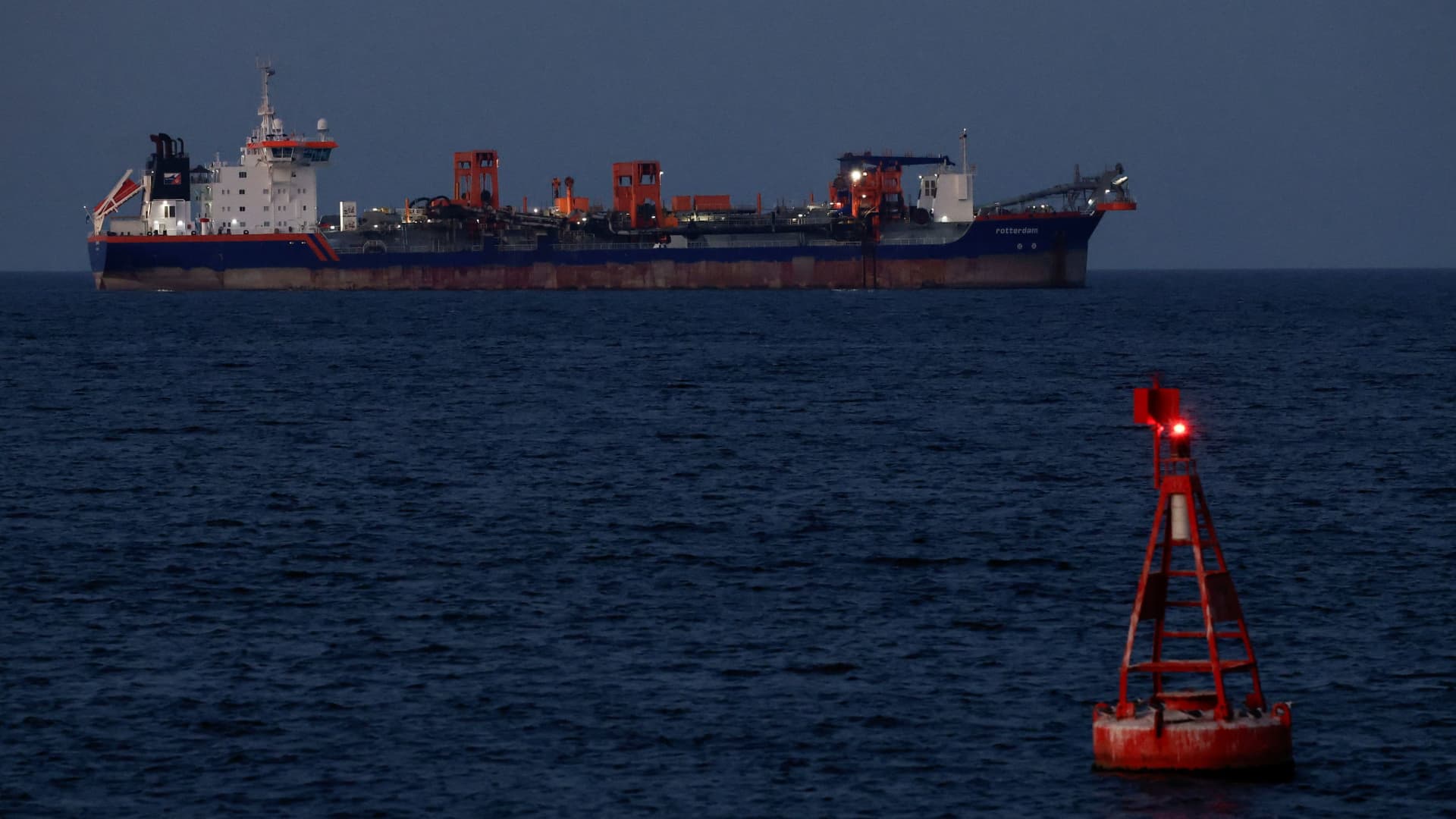
Iran Continues Crude Oil Exports to China via Strait of Hormuz Amid Conflict

- Crude Export Figures: Since the onset of the conflict on February 28, Iran has exported at least 11.7 million barrels of crude oil to China via the Strait of Hormuz, indicating that despite the escalating tensions, Iran is maintaining its energy supply relationship with its primary market to meet demand.
- Shipping Security Risks: The war has significantly reduced shipping traffic through the Strait of Hormuz, with the International Maritime Organization reporting that ten vessels were attacked by Iran shortly after the conflict began, resulting in at least seven seafarer fatalities, thereby increasing shipping risks and uncertainties.
- Alternative Export Channels: Iran has resumed loading crude oil at the Jask oil and gas terminal, which, despite its lower efficiency, signals Tehran's exploration of alternative export routes outside the Strait of Hormuz to mitigate potential supply disruptions.
- China's Strategic Reserves: In 2023, China accelerated its oil stockpiling efforts, with imports rising 15.8% year-on-year in the first two months, demonstrating that amid escalating global energy supply risks, China is proactively preparing for future energy demands.
See More
ExxonMobil Board Proposes Redomiciliation to Texas
- Unanimous Board Decision: ExxonMobil's Board of Directors unanimously recommends shareholders approve the change of the company's legal domicile from New Jersey to Texas, believing this alignment with leadership and core operations since 1989 will enhance shareholder value.
- Texas Advantages: The Board highlighted Texas's recent efforts to create a favorable policy and regulatory environment for businesses, enabling the company to maximize shareholder value, with Texas's legal framework being stronger in certain aspects compared to New Jersey.
- Shareholder Rights Protection: The proposed redomiciliation will not affect business operations, management, strategy, assets, or employee locations, with the Board confirming that shareholder rights under Texas law are largely comparable to those in New Jersey, and in some areas, stronger.
- Shareholder Voting Arrangement: The proposal will be voted on at the 2026 Annual Meeting of Shareholders, with detailed information provided in the preliminary proxy statement filed with the U.S. Securities and Exchange Commission, ensuring shareholders are well-informed about the voting process.
See More
Alternative Energy Investments Surge Due to Rising Energy Demand
- Positive Performance of Renewable-Energy Stocks: Despite negative political headlines, the past year has been highly favorable for renewable-energy stock funds.
- Contrast with Political Climate: The strong performance of these funds contrasts sharply with the prevailing negative political environment, highlighting a disconnect between market trends and political narratives.
- Investor Sentiment: Investors may be increasingly optimistic about the future of renewable energy, leading to significant gains in this sector.
- Market Trends: The success of renewable-energy stocks suggests a growing trend towards sustainable investments, regardless of external political factors.
See More
Middle East Conflict Triggers Oil Price Volatility
- Cause of Oil Volatility: Oil prices have experienced dramatic fluctuations due to geopolitical conflicts in the Middle East, highlighting the need for investors to consider this long-term trend, especially in light of uncertainties surrounding Venezuela.
- Investment Recommendation: Long-term investors are advised to stick with diversified energy giants like ExxonMobil (XOM) and Chevron (CVX) to mitigate the impacts of oil price volatility and ensure investment stability.
- Industry Performance Analysis: While pure-play producers see significant gains when oil prices rise, they also face substantial losses when prices fall, making diversified energy companies more resilient to market fluctuations.
- Financial Robustness: ExxonMobil and Chevron boast the strongest balance sheets in their peer group, allowing them to take on debt during industry downturns to support their operations and dividends, with historical trends showing debt reduction following price recoveries.
See More
Analysis of Oil Price Volatility and Investment Strategies
- Causes of Oil Price Volatility: Recent dramatic fluctuations in oil prices are primarily driven by geopolitical conflicts in the Middle East, and while these swings are significant in the short term, long-term investors should consider deeper market dynamics.
- Investment Strategy Recommendation: Long-term investors are advised to focus on integrated energy giants like ExxonMobil (XOM) and Chevron (CVX), as their diversified operations across upstream, midstream, and downstream sectors provide better risk mitigation during price fluctuations.
- Financial Robustness: Exxon and Chevron possess the strongest balance sheets in their peer group, enabling them to take on debt during industry downturns to support their operations and dividends until prices recover.
- Historical Performance: Both companies have consistently increased their dividends annually for decades, demonstrating their ability to survive industry volatility while rewarding investors, thus long-term investors should be prepared for the emotional swings in oil prices.
See More
US Sinks Iranian Ships Amid Strait of Hormuz Tensions
- Military Escalation: The U.S. Central Command reported that American forces sank several Iranian ships, including 16 minelayers, near the Strait of Hormuz on Tuesday, responding to Iran's threat of mining the waterway, which could severely impact global energy supplies.
- Oil Price Volatility: Oil prices surged to nearly $120 a barrel on Monday due to escalating conflict, although they have since retreated, with U.S. WTI crude trading at $83.8 and global benchmark Brent at $87.9, reflecting market sensitivity to geopolitical risks.
- Iranian Naval Capability: Despite CNN's report of Iran laying a few mines recently in the Strait, Iran retains over 80% of its small boats and minelayers, potentially laying hundreds of mines, which could further escalate regional tensions.
- U.S. Navy Response Strategy: President Trump stated he ordered the U.S. Development Finance Corporation to provide political risk insurance for all maritime trade through the Gulf, although the U.S. Navy has declined shipping industry requests for escort due to high attack risks, potentially affecting energy transport security.
See More
Iran Continues Crude Oil Exports to China via Strait of Hormuz Amid Conflict
- Crude Export Figures: Since the onset of the conflict on February 28, Iran has exported at least 11.7 million barrels of crude oil to China via the Strait of Hormuz, indicating that despite the escalating tensions, Iran is maintaining its energy supply relationship with its primary market to meet demand.
- Shipping Security Risks: The war has significantly reduced shipping traffic through the Strait of Hormuz, with the International Maritime Organization reporting that ten vessels were attacked by Iran shortly after the conflict began, resulting in at least seven seafarer fatalities, thereby increasing shipping risks and uncertainties.
- Alternative Export Channels: Iran has resumed loading crude oil at the Jask oil and gas terminal, which, despite its lower efficiency, signals Tehran's exploration of alternative export routes outside the Strait of Hormuz to mitigate potential supply disruptions.
- China's Strategic Reserves: In 2023, China accelerated its oil stockpiling efforts, with imports rising 15.8% year-on-year in the first two months, demonstrating that amid escalating global energy supply risks, China is proactively preparing for future energy demands.
See More