Exxon Mobil Hits New 52-Week High Amid Analyst Upgrades
Written by Emily J. Thompson, Senior Investment Analyst
Updated: Feb 04 2026
0mins


Should l Buy XOM?
Source: Benzinga
- Exxon Mobil Stock Surge: Exxon Mobil (NYSE:XOM) gained 3.9% on Tuesday, closing at $143.73 and hitting a new 52-week high, indicating strong market confidence in its future performance.
- Analyst Price Target Increases: TD Cowen analyst Jason Gabelman raised Exxon Mobil's price target from $135 to $145, while Barclays analyst Betty Jiang also increased her target from $140 to $145, reflecting optimistic expectations for the company's profitability.
- Rockwell Automation Earnings Outlook: Rockwell Automation (NYSE:ROK) is set to report its fiscal Q1 2026 results on February 5, with analysts expecting earnings of $2.48 per share and revenue of $2.09 billion, generating significant market anticipation for its performance.
- Hubbell's Strong Performance: Hubbell (NYSE:HUBB) reported better-than-expected Q4 results on Tuesday, with earnings of $4.73 per share exceeding the consensus estimate of $4.71, and quarterly sales of $1.492 billion slightly above the expected $1.489 billion, showcasing the company's robust market performance.
Trade with 70% Backtested Accuracy
Stop guessing "Should I Buy XOM?" and start using high-conviction signals backed by rigorous historical data.
Sign up today to access powerful investing tools and make smarter, data-driven decisions.
Analyst Views on XOM
Wall Street analysts forecast XOM stock price to fall
19 Analyst Rating
12 Buy
7 Hold
0 Sell
Moderate Buy
Current: 171.470

Low
114.00
Averages
132.17
High
158.00
Current: 171.470
Low
114.00
Averages
132.17
High
158.00
About XOM
Exxon Mobil Corporation is an energy provider and chemical manufacturer. The Company’s principal business involves exploration for, and production of, crude oil and natural gas; the manufacture, trade, transport and sale of crude oil, natural gas, petroleum products, petrochemicals and a wide variety of specialty products; and pursuit of lower-emission and other new business opportunities, including carbon capture and storage, hydrogen, lower-emission fuels, Proxxima systems, carbon materials, and lithium. Its Upstream segment explores for and produces crude oil and natural gas. The Energy Products, Chemical Products, and Specialty Products segments manufacture and sell petroleum products and petrochemicals. Energy Products segment includes fuels, aromatics, and catalysts and licensing. Chemical Products segment consists of olefins, polyolefins, and intermediates. Specialty Products segment includes finished lubricants, basestocks and waxes, synthetics, and elastomers and resins.
About the author

Emily J. Thompson
Emily J. Thompson, a Chartered Financial Analyst (CFA) with 12 years in investment research, graduated with honors from the Wharton School. Specializing in industrial and technology stocks, she provides in-depth analysis for Intellectia’s earnings and market brief reports.
Golden Pass LNG Project Begins Production

- LNG Production Commencement: The Golden Pass joint venture between Exxon Mobil and QatarEnergy has started production at its Texas facility, marking a significant milestone for one of the largest U.S. export projects, with the first cargo expected in Q2.
- Capacity Expansion: The initial production unit will add 6 million metric tons per year of LNG capacity, and once fully operational, the facility will produce 18 million metric tons annually, significantly enhancing U.S. supply capabilities in the global energy market.
- Strategic Importance: Following damage to Qatar's Ras Laffan facility due to Iranian strikes, this facility is poised to become a critical source of supply, further solidifying the U.S. position in the global energy supply chain.
- Investment Context: The Golden Pass project, with a total investment of $10 billion, sees QatarEnergy holding a 70% stake and Exxon Mobil a 30% stake; despite facing delays and cost overruns since its 2019 inception, the project's launch underscores its strategic significance.
See More

Nuscale Power and Constellation Energy See Active Options Trading

- Nuscale Power Options Volume: Nuscale Power Corporation's options trading volume reached 109,764 contracts, representing approximately 11 million shares, which is about 56.4% of its average daily trading volume of 19.4 million shares over the past month, indicating strong market interest in its future performance.
- High Volume Call Options: Specifically, the $11.50 strike call option expiring on April 2, 2026, saw 21,936 contracts traded today, equating to approximately 2.2 million underlying shares, reflecting a strong bullish sentiment among investors regarding the stock's potential upside.
- Constellation Energy Options Activity: Constellation Energy Corp's options trading volume stood at 16,099 contracts, representing about 1.6 million shares, which accounts for 55% of its average daily trading volume of 2.9 million shares over the past month, showcasing active market engagement.
- Bullish Call Options Trading: For Constellation, the $300 strike call option expiring on May 15, 2026, recorded a trading volume of 1,374 contracts today, representing approximately 137,400 underlying shares, indicating investor confidence in the company's future growth prospects.
See More
Fed Likely to Pause Rate Hikes Amid Oil Price Shock

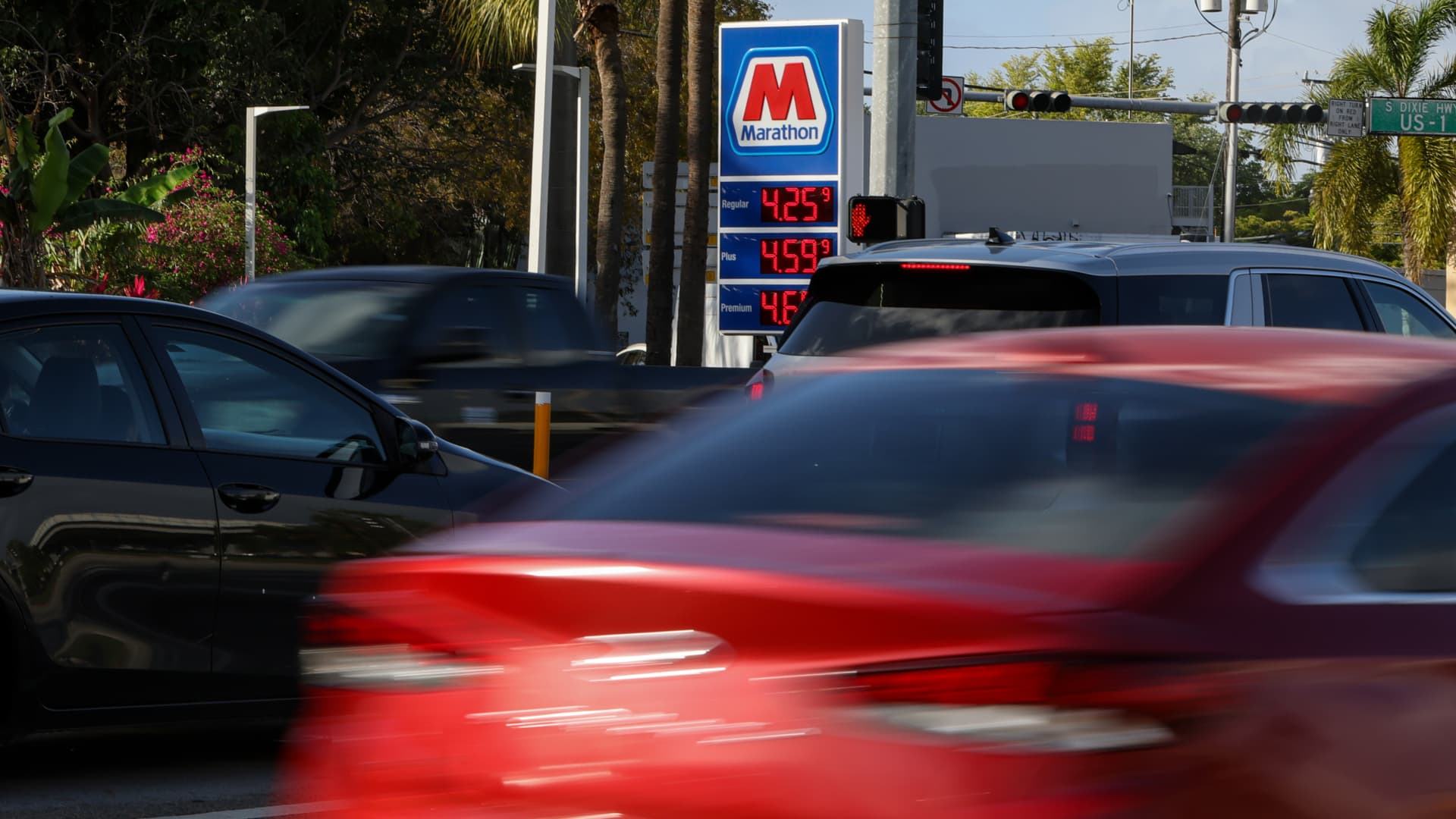
- Oil Price Shock Impact: Gasoline prices in the U.S. have surpassed $4 per gallon, leading to diminished expectations for Fed rate hikes, with investors anticipating that the central bank may hold rates steady or even pivot to cuts later this year to mitigate the potential drag on economic growth from high energy prices.
- Fed Policy Signals: Fed Chair Jerome Powell indicated that raising rates now may not be appropriate for the economy, particularly given the softening labor market and rising recession concerns, emphasizing the need to focus on the long-term effects of the oil price shock rather than short-term inflation pressures.
- Market Expectation Shifts: Despite recent disappointing inflation data, market expectations for rate hikes have significantly decreased, with the CME Group's FedWatch tool indicating only a 2.1% chance of a rate hike by year-end, while the likelihood of cuts has risen to about 25% over the past two days.
- Growth Concerns: Economists warn that rising energy prices could lead to
See More
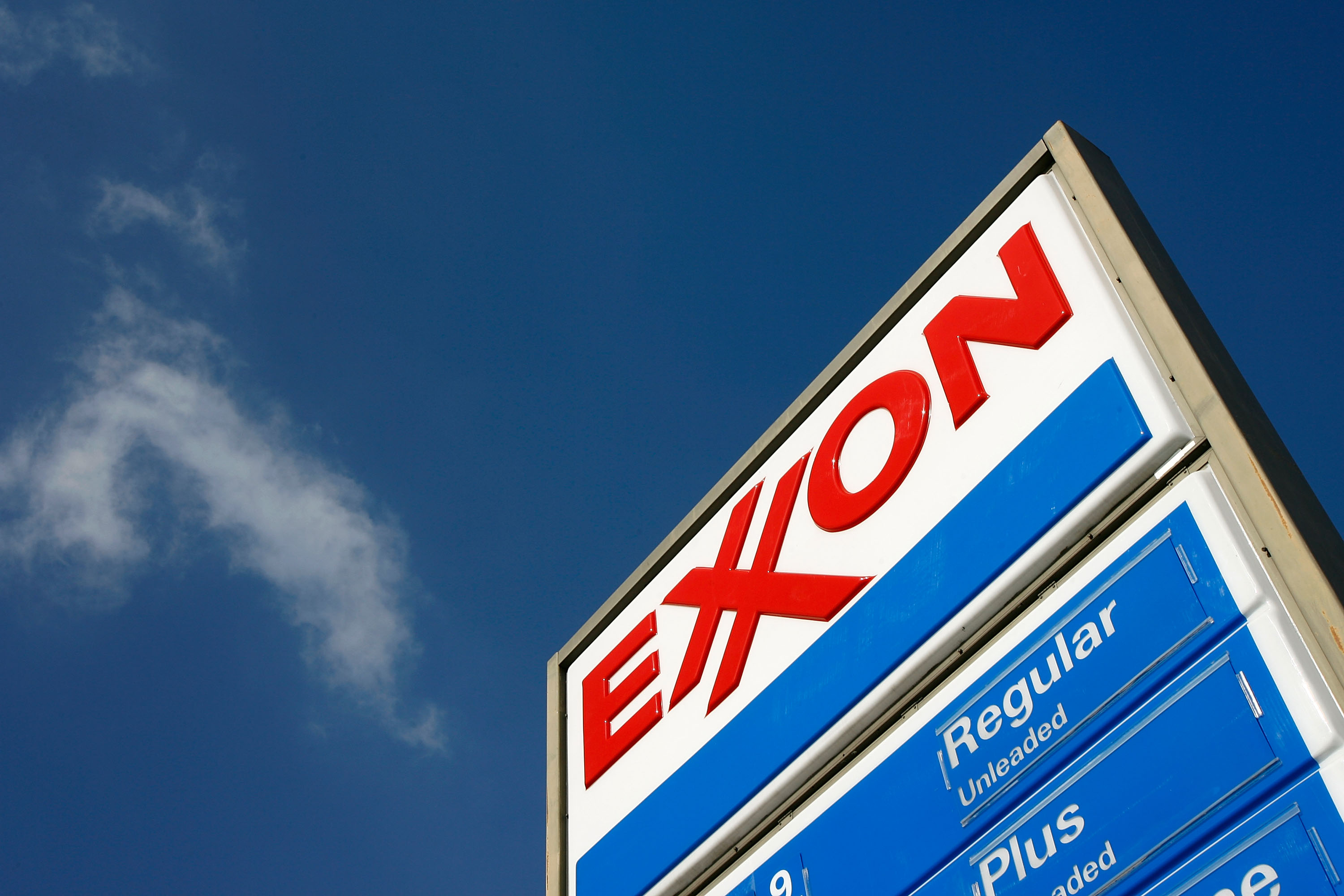
Exxon Mobil's Algae Biofuels Program Faces Scrutiny
- Program Underperformance: In early 2020, Exxon Mobil (XOM) scientists reported that the $500 million algae biofuels initiative was falling short of its goals, highlighting significant challenges and limitations in the company's renewable energy efforts.
- Misleading Investor Communication: Despite scientists' concerns about algae's low productivity, Exxon continued to promote it to investors as a more promising biofuel source than sugarcane and palm oil, potentially undermining investor confidence due to the inconsistency of information.
- Frequent Internal Communications: The exchange of communications between the investor relations team and researchers regarding how to present the algae project's low productivity to investors reflects the company's struggle between scientific realities and market promotion.
- Termination Statement: An Exxon spokesperson stated that the program was ended when it became clear the technology would not scale commercially, asserting that any suggestion of success is a lie, which may negatively impact the company's future renewable energy investment strategy.
See More
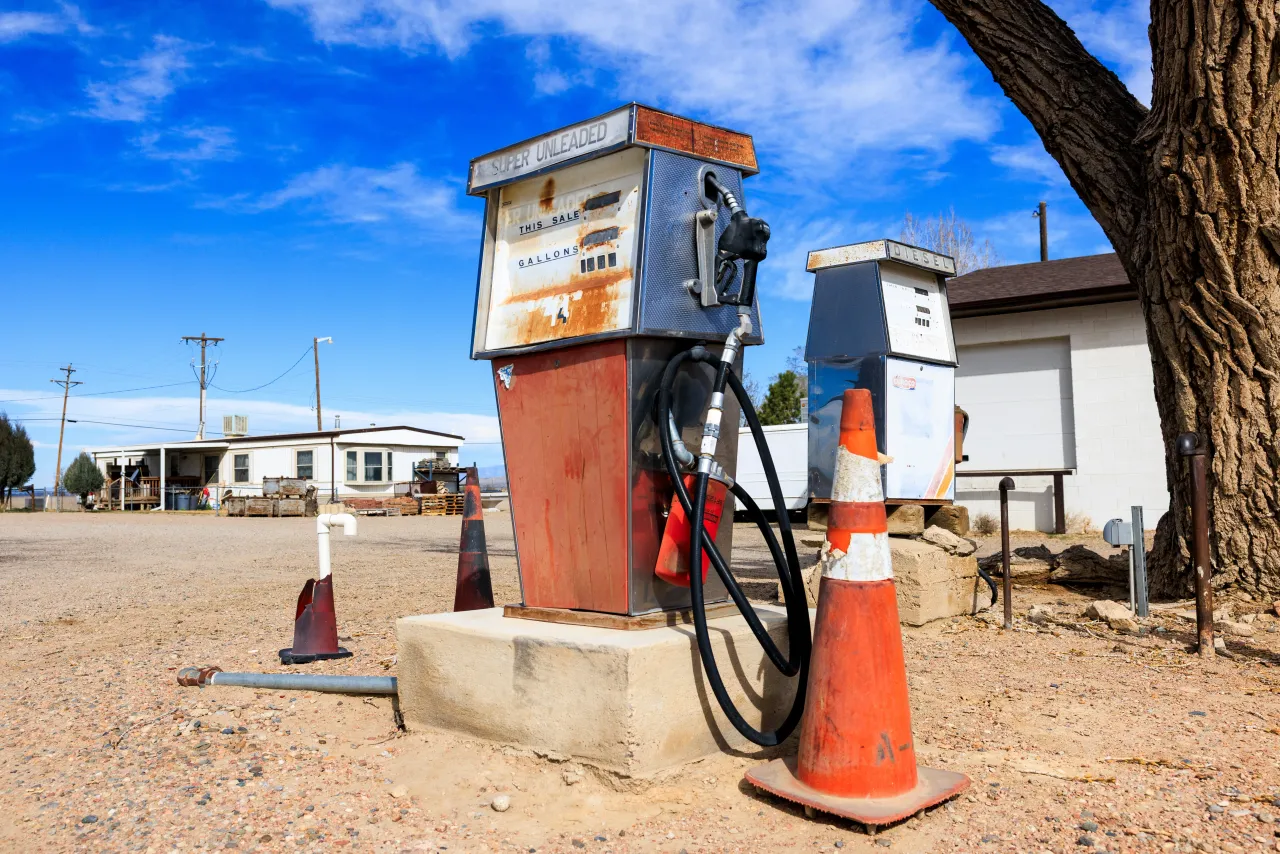
U.S. Gasoline Prices Surge Past $4 Amid Middle East Conflict
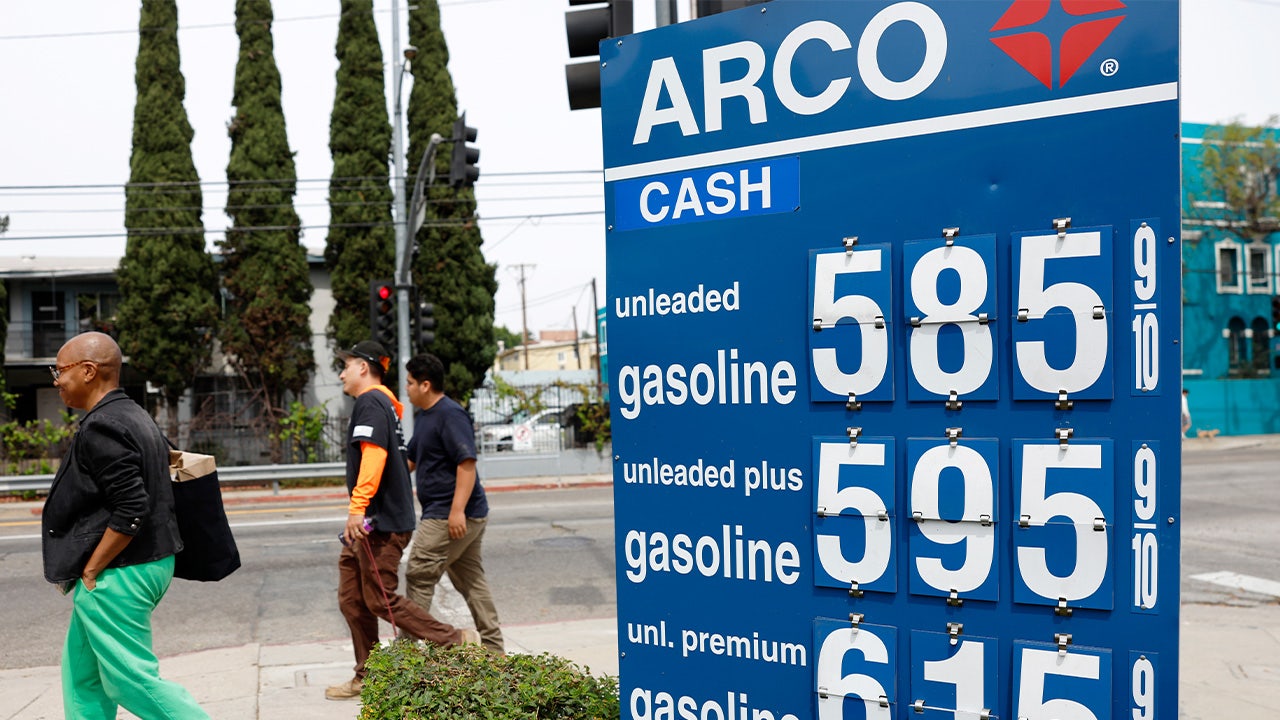
- Gas Price Surge: Since late February, U.S. gasoline prices have jumped by approximately $1.1, with the national average surpassing $4.018 per gallon, reflecting the impact of Middle Eastern conflicts on global energy flows and likely putting pressure on consumer spending.
- Strong Crude Futures Performance: West Texas Intermediate crude futures have risen over 55% in March, positioning it for its best monthly performance since May 2020, indicating market sensitivity to future oil price fluctuations.
- Market Reaction Expectations: Analysts anticipate that gasoline prices staying above $4 will be shorter than the 23 weeks seen during the 2022 Russia-Ukraine war, suggesting a potentially swift market response to the current conflict.
- Temporary Nature of High Prices: Vice President JD Vance referred to high gas prices as a “temporary blip,” indicating that the government is taking measures to ensure prices decrease, reflecting policymakers' focus on stabilizing the energy market.
See More
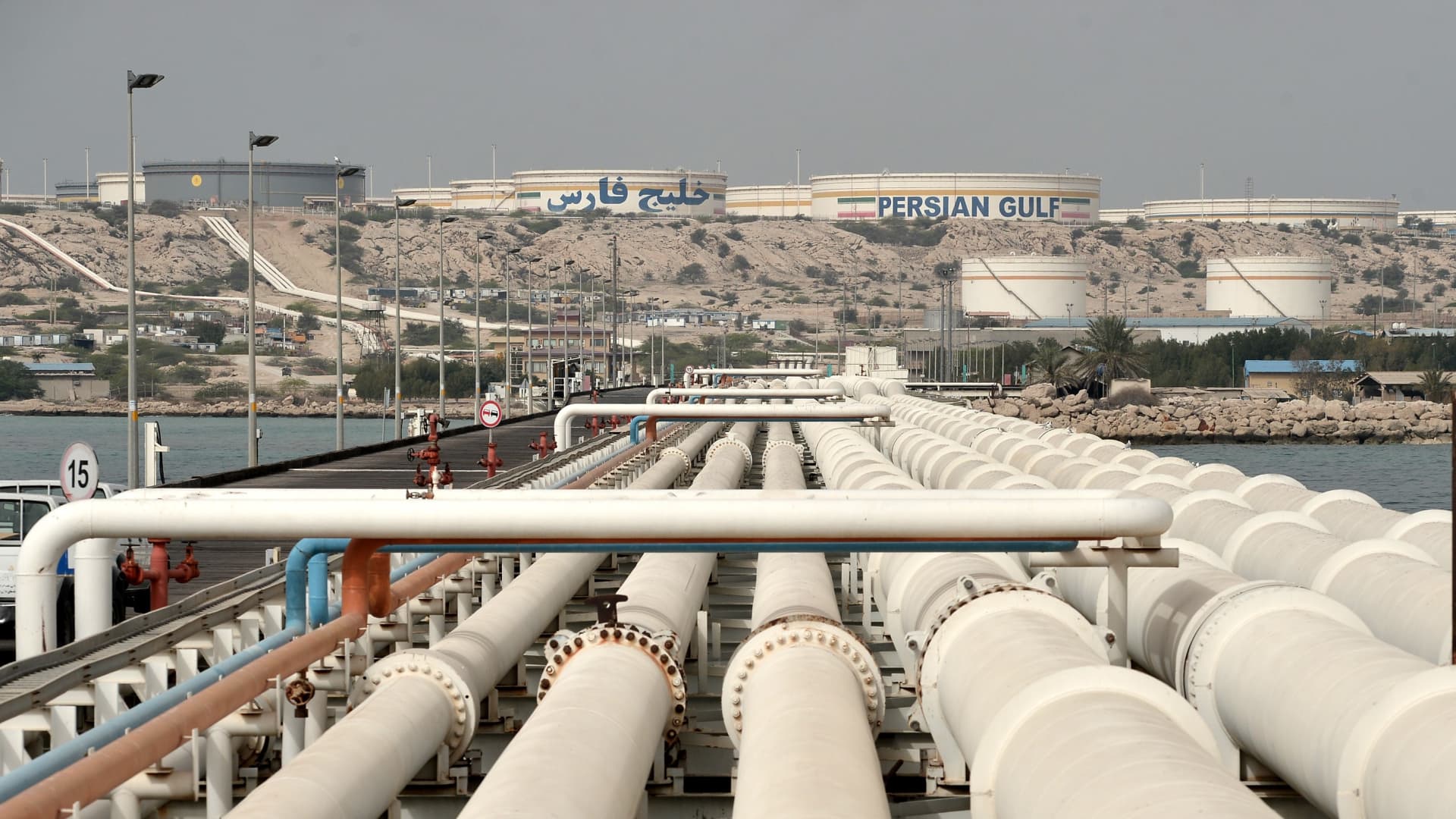
Trump Considers Ending War in Iran Amid Oil Price Fluctuations
- Oil Price Fluctuations: Oil prices reversed course as traders reacted to Trump's statements about potentially ending U.S. operations against Iran, with WTI futures dropping 0.72% to $102.14 per barrel and Brent crude falling 1% to $111.55, indicating market sensitivity to geopolitical risks.
- Escalating Military Threats: Trump threatened to attack Iran's energy infrastructure if Tehran does not reopen the Strait of Hormuz, which could escalate regional tensions and disrupt global energy supply chains, reflecting the precarious balance of power in the region.
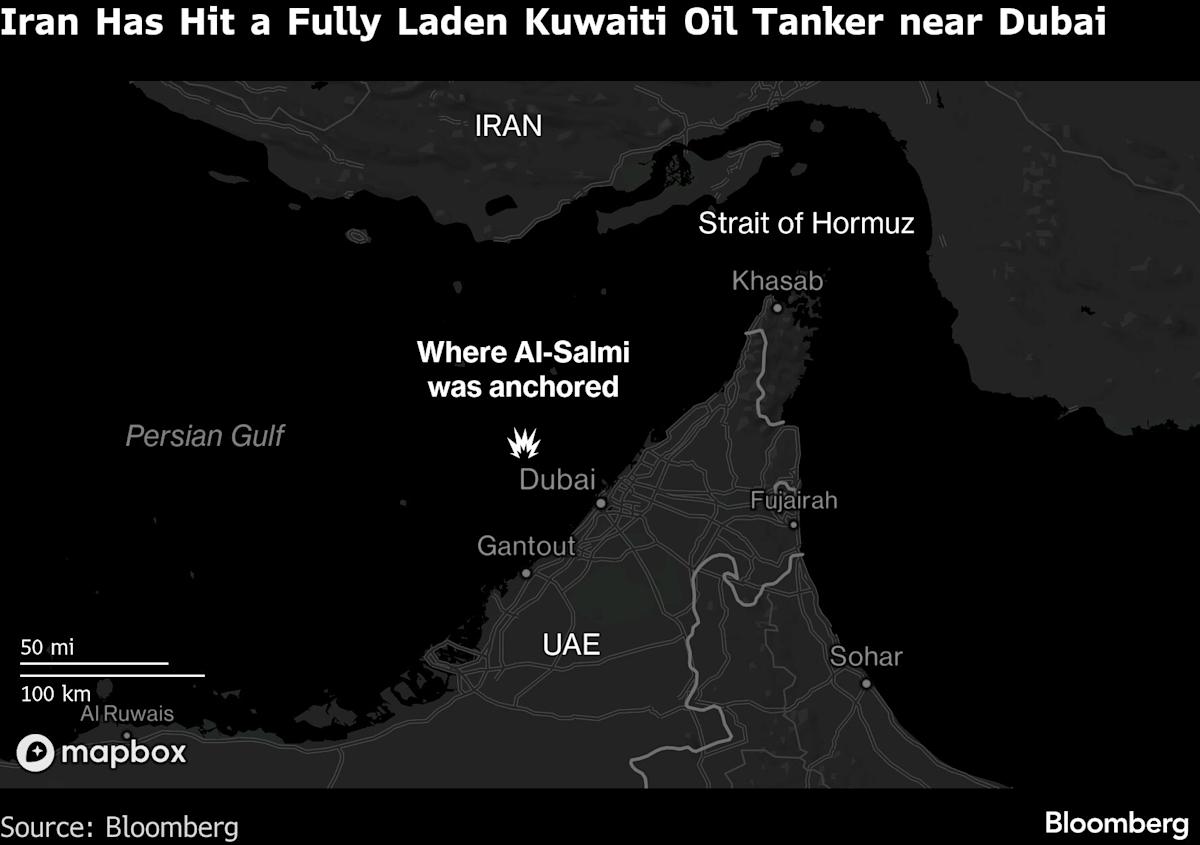
- Ongoing Conflict: The Iran war has entered its fifth week, with Tehran striking a fully laden Kuwaiti oil tanker, prompting firefighting operations in Dubai's port, although no injuries were reported, highlighting the conflict's expanding impact on maritime security.
- Ground Troop Considerations: Trump is reportedly weighing the option of deploying ground forces to seize Kharg Island, a critical fuel hub, which could increase U.S. casualties and extend the war's duration and costs, raising concerns among experts about the potential consequences of such actions.
See More
Golden Pass LNG Project Begins Production
- LNG Production Commencement: The Golden Pass joint venture between Exxon Mobil and QatarEnergy has started production at its Texas facility, marking a significant milestone for one of the largest U.S. export projects, with the first cargo expected in Q2.
- Capacity Expansion: The initial production unit will add 6 million metric tons per year of LNG capacity, and once fully operational, the facility will produce 18 million metric tons annually, significantly enhancing U.S. supply capabilities in the global energy market.
- Strategic Importance: Following damage to Qatar's Ras Laffan facility due to Iranian strikes, this facility is poised to become a critical source of supply, further solidifying the U.S. position in the global energy supply chain.
- Investment Context: The Golden Pass project, with a total investment of $10 billion, sees QatarEnergy holding a 70% stake and Exxon Mobil a 30% stake; despite facing delays and cost overruns since its 2019 inception, the project's launch underscores its strategic significance.
See More
Nuscale Power and Constellation Energy See Active Options Trading
- Nuscale Power Options Volume: Nuscale Power Corporation's options trading volume reached 109,764 contracts, representing approximately 11 million shares, which is about 56.4% of its average daily trading volume of 19.4 million shares over the past month, indicating strong market interest in its future performance.
- High Volume Call Options: Specifically, the $11.50 strike call option expiring on April 2, 2026, saw 21,936 contracts traded today, equating to approximately 2.2 million underlying shares, reflecting a strong bullish sentiment among investors regarding the stock's potential upside.
- Constellation Energy Options Activity: Constellation Energy Corp's options trading volume stood at 16,099 contracts, representing about 1.6 million shares, which accounts for 55% of its average daily trading volume of 2.9 million shares over the past month, showcasing active market engagement.
- Bullish Call Options Trading: For Constellation, the $300 strike call option expiring on May 15, 2026, recorded a trading volume of 1,374 contracts today, representing approximately 137,400 underlying shares, indicating investor confidence in the company's future growth prospects.
See More
Fed Likely to Pause Rate Hikes Amid Oil Price Shock
- Oil Price Shock Impact: Gasoline prices in the U.S. have surpassed $4 per gallon, leading to diminished expectations for Fed rate hikes, with investors anticipating that the central bank may hold rates steady or even pivot to cuts later this year to mitigate the potential drag on economic growth from high energy prices.
- Fed Policy Signals: Fed Chair Jerome Powell indicated that raising rates now may not be appropriate for the economy, particularly given the softening labor market and rising recession concerns, emphasizing the need to focus on the long-term effects of the oil price shock rather than short-term inflation pressures.
- Market Expectation Shifts: Despite recent disappointing inflation data, market expectations for rate hikes have significantly decreased, with the CME Group's FedWatch tool indicating only a 2.1% chance of a rate hike by year-end, while the likelihood of cuts has risen to about 25% over the past two days.
- Growth Concerns: Economists warn that rising energy prices could lead to
See More
Exxon Mobil's Algae Biofuels Program Faces Scrutiny
- Program Underperformance: In early 2020, Exxon Mobil (XOM) scientists reported that the $500 million algae biofuels initiative was falling short of its goals, highlighting significant challenges and limitations in the company's renewable energy efforts.
- Misleading Investor Communication: Despite scientists' concerns about algae's low productivity, Exxon continued to promote it to investors as a more promising biofuel source than sugarcane and palm oil, potentially undermining investor confidence due to the inconsistency of information.
- Frequent Internal Communications: The exchange of communications between the investor relations team and researchers regarding how to present the algae project's low productivity to investors reflects the company's struggle between scientific realities and market promotion.
- Termination Statement: An Exxon spokesperson stated that the program was ended when it became clear the technology would not scale commercially, asserting that any suggestion of success is a lie, which may negatively impact the company's future renewable energy investment strategy.
See More
U.S. Gasoline Prices Surge Past $4 Amid Middle East Conflict
- Gas Price Surge: Since late February, U.S. gasoline prices have jumped by approximately $1.1, with the national average surpassing $4.018 per gallon, reflecting the impact of Middle Eastern conflicts on global energy flows and likely putting pressure on consumer spending.
- Strong Crude Futures Performance: West Texas Intermediate crude futures have risen over 55% in March, positioning it for its best monthly performance since May 2020, indicating market sensitivity to future oil price fluctuations.
- Market Reaction Expectations: Analysts anticipate that gasoline prices staying above $4 will be shorter than the 23 weeks seen during the 2022 Russia-Ukraine war, suggesting a potentially swift market response to the current conflict.
- Temporary Nature of High Prices: Vice President JD Vance referred to high gas prices as a “temporary blip,” indicating that the government is taking measures to ensure prices decrease, reflecting policymakers' focus on stabilizing the energy market.
See More
Trump Considers Ending War in Iran Amid Oil Price Fluctuations
- Oil Price Fluctuations: Oil prices reversed course as traders reacted to Trump's statements about potentially ending U.S. operations against Iran, with WTI futures dropping 0.72% to $102.14 per barrel and Brent crude falling 1% to $111.55, indicating market sensitivity to geopolitical risks.
- Escalating Military Threats: Trump threatened to attack Iran's energy infrastructure if Tehran does not reopen the Strait of Hormuz, which could escalate regional tensions and disrupt global energy supply chains, reflecting the precarious balance of power in the region.
- Ongoing Conflict: The Iran war has entered its fifth week, with Tehran striking a fully laden Kuwaiti oil tanker, prompting firefighting operations in Dubai's port, although no injuries were reported, highlighting the conflict's expanding impact on maritime security.
- Ground Troop Considerations: Trump is reportedly weighing the option of deploying ground forces to seize Kharg Island, a critical fuel hub, which could increase U.S. casualties and extend the war's duration and costs, raising concerns among experts about the potential consequences of such actions.
See More