EXPD, CRUS, and Others Designated as Strong Buy Stocks (Dec. 5)



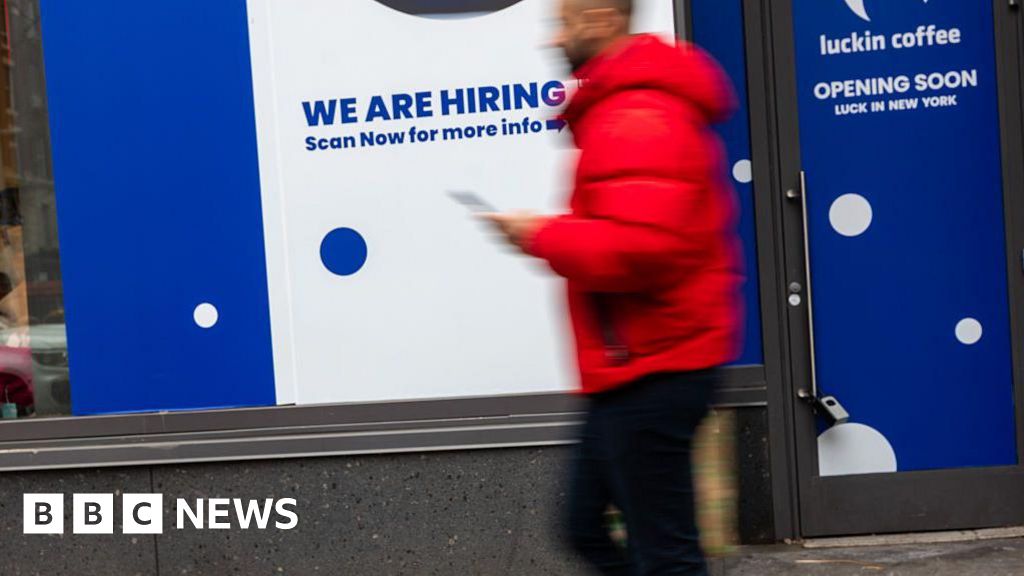
Zacks Rank #1 Stocks: Five stocks have been added to the Zacks Rank #1 (Strong Buy) List, including Expeditors International, Cirrus Logic, Credo Technology, American Eagle Outfitters, and McGraw Hill, all of which have seen significant increases in their earnings estimates over the past 60 days.
Earnings Estimates Growth: McGraw Hill leads with a 43% increase in its earnings estimate, while other companies like American Eagle Outfitters and Cirrus Logic have seen increases of 9% and 9.3%, respectively.
Investment Opportunities: The article highlights the potential of artificial intelligence and quantum computing to reshape the investment landscape, suggesting that early investors could benefit significantly from this technological convergence.
Free Stock Analysis Reports: The article offers free stock analysis reports for the mentioned companies, encouraging readers to explore investment opportunities further.
Trade with 70% Backtested Accuracy
Analyst Views on CRDO

About CRDO
About the author


Tech Giants to Spend $700 Billion on AI Infrastructure


- Massive Investment Scale: Meta, Alphabet, Amazon, and Microsoft are expected to collectively invest $700 billion in AI infrastructure in 2023, a figure that exceeds the GDP of many countries, highlighting the tech industry's commitment to AI.
- Nvidia's Market Outlook: Nvidia anticipates that the AI infrastructure opportunity could reach $4 trillion over the next five years, positioning itself to capture a significant market share through its Blackwell and Vera Rubin processors, despite a loss of $840 billion in market capitalization.
- Digital Realty's Growth Potential: Digital Realty operates over 300 data centers and currently has 3 GW of data center capacity, with a projected $1.2 billion in full-year bookings for 2025, indicating strong demand in cloud computing and data services.
- Credo Technology's Rapid Growth: Credo Technology reported a 201.5% year-over-year revenue increase to $407 million in Q3 of fiscal 2026, with current quarter revenue expected between $425 million and $435 million, showcasing its strong performance in high-performance computing and data center connectivity products.

Nvidia Positioned for AI Infrastructure Spending Surge
- AI Infrastructure Investment: Nvidia is poised to capture a significant share of the up to $4 trillion AI infrastructure opportunity over the next five years, particularly through its Blackwell and Vera Rubin processors, solidifying its market leadership.
- Digital Realty Performance: Digital Realty achieved $1.2 billion in bookings for 2025 and has a backlog of $1.4 billion, indicating strong demand and a solid position in the data center services market.
- Credo Technology Growth: Credo Technology's revenue tripled year-over-year to $407 million in the latest quarter, reflecting rapid expansion in high-performance computing and data center connectivity products, with forecasts for the next quarter between $425 million and $435 million.
- Market Dynamics Analysis: Despite recent pressures on tech stocks, Nvidia's shares are considered attractive, currently trading over 16% below their all-time high with a forward P/E ratio of about 21, presenting a potential buying opportunity for investors.

US Stocks Close Higher Amid Optimism Over Middle East Conflict Resolution

- Market Rally: The S&P 500 rose by 0.72%, the Dow Jones increased by 0.48%, and the Nasdaq 100 climbed by 1.18%, reflecting growing investor optimism regarding a potential resolution to the Middle East conflict, which has bolstered market confidence.
- Strong Economic Data: The US ADP employment change for March increased by 62,000, surpassing expectations of 40,000, while February retail sales rose by 0.6% month-over-month, indicating robust economic recovery that could influence Federal Reserve policy decisions.
- Interest Rate Expectations: Despite positive economic indicators, hawkish comments from St. Louis Fed President raised concerns about inflation and employment, leading to a mere 1% chance of a 25 basis point rate hike at the upcoming April FOMC meeting, reflecting cautious market sentiment.
- Divergent Stock Performances: Target Hospitality surged over 36% after securing a multi-year contract worth over $550 million, while Nike fell more than 15% due to revenue forecasts indicating a decline, highlighting the market's varied outlook on different companies' futures.
US Stocks Rise on Optimism Over Middle East Conflict Resolution
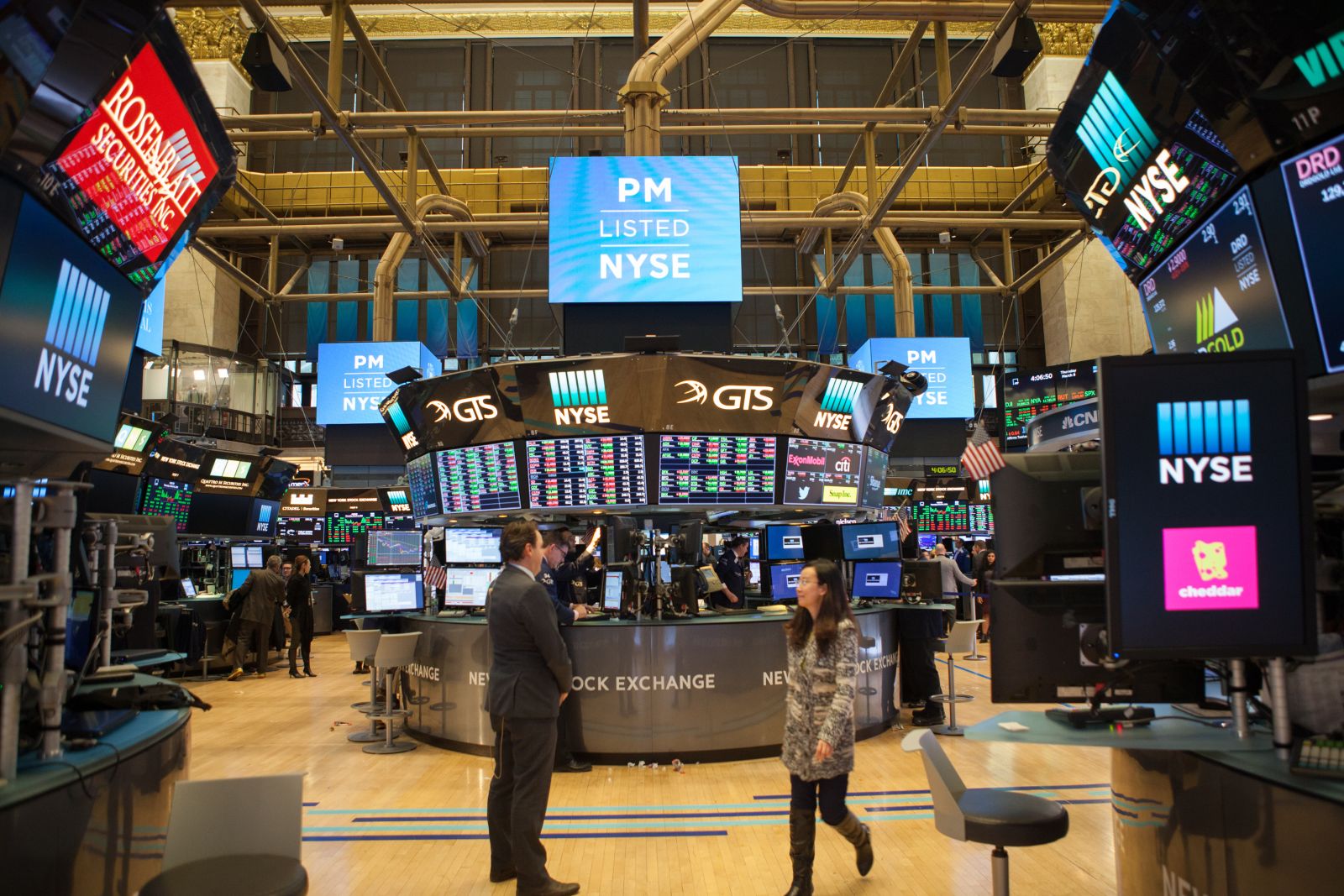
- Market Rally: The S&P 500 Index rose by 0.97%, the Dow Jones Industrial Average by 0.86%, and the Nasdaq 100 by 1.45%, reflecting growing investor confidence amid optimism that the Middle East conflict may soon conclude, which could stabilize global markets.
- Strong Economic Data: The US ADP employment change for March increased by 62,000, surpassing expectations of 40,000, while February retail sales rose by 0.6% month-over-month, indicating robust economic recovery that may influence Federal Reserve policy decisions.
- Interest Rate Outlook: Despite a mere 1% chance of a 25 basis point rate hike at the upcoming FOMC meeting, hawkish comments from St. Louis Fed President raised concerns about inflation and employment risks, potentially affecting investor sentiment and market dynamics.
- Divergent Stock Performances: Target Hospitality surged by over 37% after securing a multi-year contract worth over $550 million, while Nike fell by more than 13% due to revenue forecasts indicating a decline, highlighting varied market reactions to company-specific news.

Small-Cap ETF Defies Market Downturn Amid Geopolitical Tensions


- Market Performance Comparison: As of 2026, the S&P 500, Nasdaq-100, and Dow Jones Industrial Average have each declined over 5%, while the Russell 2000 small-cap index remains flat, demonstrating its relative resilience amid geopolitical tensions, potentially attracting risk-averse investors.
- ETF Performance Potential: The Vanguard Russell 2000 ETF (NASDAQ: VTWO) is expected to continue outperforming major indices in 2026 by tracking the small-cap index and holding similar stocks and weightings, benefiting from its diversified sector exposure that reduces volatility.
- Small-Cap Returns: Bloom Energy's stock has surged by 500% over the past year, while Credo Technology's stock has increased by over 700% in the last five years, highlighting the strong performance of small-cap stocks driven by surging demand in specific sectors, which may draw more investor attention.
- Policy Support Impact: The Trump administration's tariff policies and regulatory rollbacks benefit domestic companies, further enhancing the Russell 2000 index's performance; although large firms excel in rapid growth, small businesses exhibit stronger resilience in the current environment.

Small-Cap ETF Outperforms Amid Market Turmoil
- Market Performance Divergence: At the start of 2026, the U.S. stock market faces declines over 5% in major indices like the S&P 500 and Nasdaq-100 due to geopolitical tensions in the Middle East driving oil prices up, while the Russell 2000 index remains flat, showcasing the resilience of small-cap stocks.
- Small-Cap Advantages: The Russell 2000 index includes approximately 2,000 small companies across 11 economic sectors, with healthcare, industrials, and financials being the largest, offering a more balanced portfolio compared to the S&P 500, which is heavily concentrated, thus providing steadier returns with lower volatility.
- Impressive Individual Stock Performance: Stocks like Bloom Energy have surged 500% in the past year, and Credo Technology has increased over 700% in five years, indicating that small-cap stocks can deliver remarkable returns driven by specific market demands, attracting investor interest.
- Favorable Policies: Tariff policies and reduced regulatory burdens from the Trump administration benefit domestic companies, enhancing the competitiveness of small-cap stocks, and 2026 is expected to be a strong year for the Vanguard Russell 2000 ETF as a result.
Tech Giants to Spend $700 Billion on AI Infrastructure
- Massive Investment Scale: Meta, Alphabet, Amazon, and Microsoft are expected to collectively invest $700 billion in AI infrastructure in 2023, a figure that exceeds the GDP of many countries, highlighting the tech industry's commitment to AI.
- Nvidia's Market Outlook: Nvidia anticipates that the AI infrastructure opportunity could reach $4 trillion over the next five years, positioning itself to capture a significant market share through its Blackwell and Vera Rubin processors, despite a loss of $840 billion in market capitalization.
- Digital Realty's Growth Potential: Digital Realty operates over 300 data centers and currently has 3 GW of data center capacity, with a projected $1.2 billion in full-year bookings for 2025, indicating strong demand in cloud computing and data services.
- Credo Technology's Rapid Growth: Credo Technology reported a 201.5% year-over-year revenue increase to $407 million in Q3 of fiscal 2026, with current quarter revenue expected between $425 million and $435 million, showcasing its strong performance in high-performance computing and data center connectivity products.
Nvidia Positioned for AI Infrastructure Spending Surge
- AI Infrastructure Investment: Nvidia is poised to capture a significant share of the up to $4 trillion AI infrastructure opportunity over the next five years, particularly through its Blackwell and Vera Rubin processors, solidifying its market leadership.
- Digital Realty Performance: Digital Realty achieved $1.2 billion in bookings for 2025 and has a backlog of $1.4 billion, indicating strong demand and a solid position in the data center services market.
- Credo Technology Growth: Credo Technology's revenue tripled year-over-year to $407 million in the latest quarter, reflecting rapid expansion in high-performance computing and data center connectivity products, with forecasts for the next quarter between $425 million and $435 million.
- Market Dynamics Analysis: Despite recent pressures on tech stocks, Nvidia's shares are considered attractive, currently trading over 16% below their all-time high with a forward P/E ratio of about 21, presenting a potential buying opportunity for investors.
US Stocks Close Higher Amid Optimism Over Middle East Conflict Resolution
- Market Rally: The S&P 500 rose by 0.72%, the Dow Jones increased by 0.48%, and the Nasdaq 100 climbed by 1.18%, reflecting growing investor optimism regarding a potential resolution to the Middle East conflict, which has bolstered market confidence.
- Strong Economic Data: The US ADP employment change for March increased by 62,000, surpassing expectations of 40,000, while February retail sales rose by 0.6% month-over-month, indicating robust economic recovery that could influence Federal Reserve policy decisions.
- Interest Rate Expectations: Despite positive economic indicators, hawkish comments from St. Louis Fed President raised concerns about inflation and employment, leading to a mere 1% chance of a 25 basis point rate hike at the upcoming April FOMC meeting, reflecting cautious market sentiment.
- Divergent Stock Performances: Target Hospitality surged over 36% after securing a multi-year contract worth over $550 million, while Nike fell more than 15% due to revenue forecasts indicating a decline, highlighting the market's varied outlook on different companies' futures.
US Stocks Rise on Optimism Over Middle East Conflict Resolution
- Market Rally: The S&P 500 Index rose by 0.97%, the Dow Jones Industrial Average by 0.86%, and the Nasdaq 100 by 1.45%, reflecting growing investor confidence amid optimism that the Middle East conflict may soon conclude, which could stabilize global markets.
- Strong Economic Data: The US ADP employment change for March increased by 62,000, surpassing expectations of 40,000, while February retail sales rose by 0.6% month-over-month, indicating robust economic recovery that may influence Federal Reserve policy decisions.
- Interest Rate Outlook: Despite a mere 1% chance of a 25 basis point rate hike at the upcoming FOMC meeting, hawkish comments from St. Louis Fed President raised concerns about inflation and employment risks, potentially affecting investor sentiment and market dynamics.
- Divergent Stock Performances: Target Hospitality surged by over 37% after securing a multi-year contract worth over $550 million, while Nike fell by more than 13% due to revenue forecasts indicating a decline, highlighting varied market reactions to company-specific news.
Small-Cap ETF Defies Market Downturn Amid Geopolitical Tensions
- Market Performance Comparison: As of 2026, the S&P 500, Nasdaq-100, and Dow Jones Industrial Average have each declined over 5%, while the Russell 2000 small-cap index remains flat, demonstrating its relative resilience amid geopolitical tensions, potentially attracting risk-averse investors.
- ETF Performance Potential: The Vanguard Russell 2000 ETF (NASDAQ: VTWO) is expected to continue outperforming major indices in 2026 by tracking the small-cap index and holding similar stocks and weightings, benefiting from its diversified sector exposure that reduces volatility.
- Small-Cap Returns: Bloom Energy's stock has surged by 500% over the past year, while Credo Technology's stock has increased by over 700% in the last five years, highlighting the strong performance of small-cap stocks driven by surging demand in specific sectors, which may draw more investor attention.
- Policy Support Impact: The Trump administration's tariff policies and regulatory rollbacks benefit domestic companies, further enhancing the Russell 2000 index's performance; although large firms excel in rapid growth, small businesses exhibit stronger resilience in the current environment.
Small-Cap ETF Outperforms Amid Market Turmoil
- Market Performance Divergence: At the start of 2026, the U.S. stock market faces declines over 5% in major indices like the S&P 500 and Nasdaq-100 due to geopolitical tensions in the Middle East driving oil prices up, while the Russell 2000 index remains flat, showcasing the resilience of small-cap stocks.
- Small-Cap Advantages: The Russell 2000 index includes approximately 2,000 small companies across 11 economic sectors, with healthcare, industrials, and financials being the largest, offering a more balanced portfolio compared to the S&P 500, which is heavily concentrated, thus providing steadier returns with lower volatility.
- Impressive Individual Stock Performance: Stocks like Bloom Energy have surged 500% in the past year, and Credo Technology has increased over 700% in five years, indicating that small-cap stocks can deliver remarkable returns driven by specific market demands, attracting investor interest.
- Favorable Policies: Tariff policies and reduced regulatory burdens from the Trump administration benefit domestic companies, enhancing the competitiveness of small-cap stocks, and 2026 is expected to be a strong year for the Vanguard Russell 2000 ETF as a result.