Exceptional Stock Portfolio for Long-Term Wealth Growth
Written by Emily J. Thompson, Senior Investment Analyst
Updated: 1 day ago
0mins


Source: Fool
- Portfolio Potential: This portfolio of exceptional stocks is believed to have significant long-term appreciation potential, which could lead to substantial wealth growth for shareholders, reflecting market confidence in these stocks.
- Market Performance Analysis: The stock prices as of the afternoon of May 25, 2026, indicate strong performance in the market, suggesting that investors are optimistic about their future prospects.
- Video Release Timing: The video was published on May 27, 2026, aimed at conveying the investment value of these stocks to investors, further driving market attention towards them.
- Shareholder Wealth Growth: By investing in these exceptional stocks, shareholders are expected to achieve significant wealth growth in the future, highlighting the importance of a long-term investment strategy.
Trade with 70% Backtested Accuracy
Stop guessing "Should I Buy AMZN?" and start using high-conviction signals backed by rigorous historical data.
Sign up today to access powerful investing tools and make smarter, data-driven decisions.
Analyst Views on AMZN
Wall Street analysts forecast AMZN stock price to rise
44 Analyst Rating
41 Buy
3 Hold
0 Sell
Strong Buy
Current: 274.000

Low
175.00
Averages
280.01
High
325.00
Current: 274.000
Low
175.00
Averages
280.01
High
325.00
About AMZN
Amazon.com, Inc. provides a range of products and services to customers. The products offered through its stores include merchandise and content it has purchased for resale and products offered by third-party sellers. The Company’s segments include North America, International and Amazon Web Services (AWS). It serves consumers through its online and physical stores and focuses on selection, price, and convenience. Customers access its offerings through its websites, mobile apps, Alexa, devices, streaming, and physically visiting its stores. It also manufactures and sells electronic devices, including Kindle, Fire tablet, Fire TV, Echo, Ring, Blink, and eero, and develops and produces media content. It serves developers and enterprises of all sizes, including start-ups, government agencies, and academic institutions, through AWS, which offers a set of on-demand technology services, including compute, storage, database, analytics, and machine learning, and other services.
About the author

Emily J. Thompson
Emily J. Thompson, a Chartered Financial Analyst (CFA) with 12 years in investment research, graduated with honors from the Wharton School. Specializing in industrial and technology stocks, she provides in-depth analysis for Intellectia’s earnings and market brief reports.

Amazon's AI-Driven Growth Potential is Significant

- AI Chip Partnership: Amazon's collaboration with Meta Platforms, which will utilize Amazon's Graviton5 processors, not only opens new sales opportunities for Amazon's custom chip business but also strengthens its internal tech stack's competitiveness.
- Cloud Infrastructure Growth: Amazon Web Services (AWS) reported a 28% year-over-year revenue increase to $37.59 billion in Q1, surpassing Wall Street estimates, indicating that AI demand is driving higher utilization rates and promising future growth.
- E-commerce and Digital Advertising Integration: As the world's largest online retailer, Amazon's advertising revenue grew 24% year-over-year to $17.24 billion in Q1, with AI integration expected to enhance profitability and market share in both e-commerce and advertising sectors.
- Profit Driver: Although AWS accounted for only 20.7% of total sales in Q1, it generated the majority of profits, and with the cloud business accelerating, Amazon's earnings outlook is increasingly positive, boosting investor confidence.
See More

Market Dynamics and Corporate Performance Analysis


- Dell's Quarter Performance: Dell reported a quarter that exceeded expectations, with shares rising over 30%, indicating strong performance across all business levels, particularly in data center servers, which is expected to boost overall market confidence.
- Costco Membership Renewal Rates Up: Costco's latest earnings report showed improved membership renewal rates in the U.S. and Canada; although market reaction was muted, record performance in its gas business is likely to enhance membership loyalty and solidify its market position.
- Anthropic Surpasses OpenAI: Anthropic raised $65 billion at a $965 billion valuation, becoming the most valuable AI startup, a significant increase from $380 billion in February, showcasing explosive revenue growth and wealth creation potential in the AI sector.
- Cybersecurity Market Volatility: Okta beat expectations in its earnings report, with shares rising over 8%, while Zscaler's stock fell due to disappointing guidance, highlighting a divergence in the cybersecurity industry that affected the performance of other companies, including CrowdStrike.
See More
Major Wall Street Rating Changes Overview

- Dell Upgrade: Susquehanna upgraded Dell from neutral to positive, citing increased confidence in a sustainable 8-10% operating margin and a 6% free cash flow margin, which supports a potential rerating of its EV/sales multiple to 3x, indicating strong market potential.
- Viper Energy Initiation: RBC initiated coverage of Viper Energy with an Outperform rating and a $58 price target, highlighting its advantages in scale and core Permian focus, positioning it as a best-in-class mineral and royalty company.
- SentinelOne Buy Rating: Bank of America upgraded SentinelOne from neutral to buy, viewing its solid quarterly performance as a strong entry point after an 18% decline in after-hours trading, reflecting confidence in its future growth prospects.
- XPeng Upgrade: Macquarie upgraded XPeng from neutral to outperform, noting its volume growth in the Chinese EV market, while future investments in humanoids and robotaxis provide additional upside potential for its stock.
See More
SpaceX IPO Outlook and AI Investment Risks

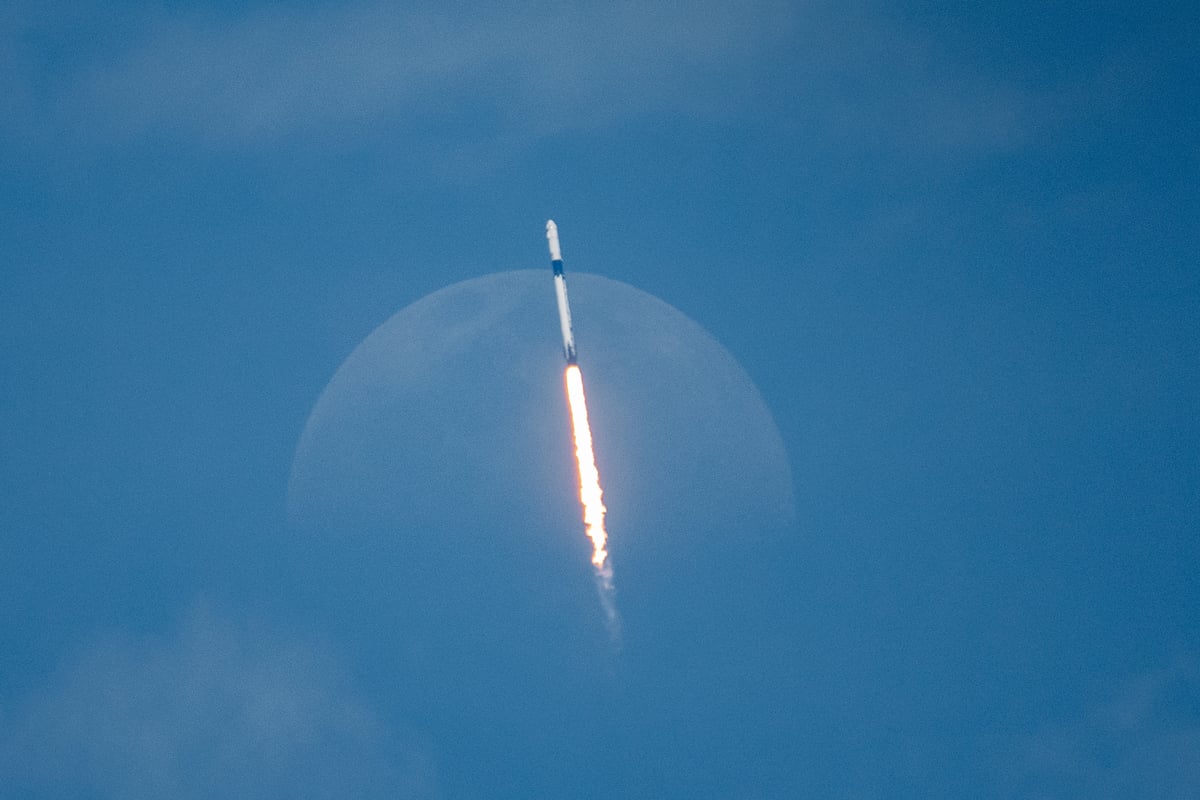
- IPO Anticipation: SpaceX's planned IPO on June 12 is one of the most awaited public debuts in years, drawing significant investor interest in its future growth potential.
- AI Investment Scale: The company allocated $12.7 billion to artificial intelligence, significantly exceeding the $3.8 billion spent on its space segment, indicating a strategic pivot towards AI despite the associated high risks.
- Operating Loss Comparison: SpaceX's operating loss in AI reached $6.3 billion, far surpassing the $657 million loss from its space operations, raising concerns about the financial implications of such an imbalance for potential investors.
- Market Outlook and Risks: While SpaceX estimates a total addressable market of $26.5 trillion for AI, the uncertainty surrounding its massive expenditures and the ability to capture a significant market share necessitates careful risk assessment by investors considering the IPO.
See More

SpaceX's AI Investments and IPO Outlook Analysis
- AI Investment Scale: SpaceX's investment in artificial intelligence reached $12.7 billion in 2025, significantly exceeding its $3.8 billion in space program spending, indicating the company's strong focus and expectations for future AI potential.
- Operating Loss Comparison: The operating loss in AI soared to $6.3 billion, far surpassing the $657 million loss from its space segment, highlighting the financial pressure and risks associated with its AI expenditures.
- Data Center Construction: The company is building Colossus and Colossus II data centers to support the training of next-generation AI models, and despite challenges related to energy consumption and public backlash, SpaceX plans to relocate data centers to space to address these issues.
- Market Outlook Assessment: SpaceX estimates its total addressable market for AI to be $26.5 trillion, and while facing high expenditures and uncertainties, investors must weigh the risks against potential rewards.
See More
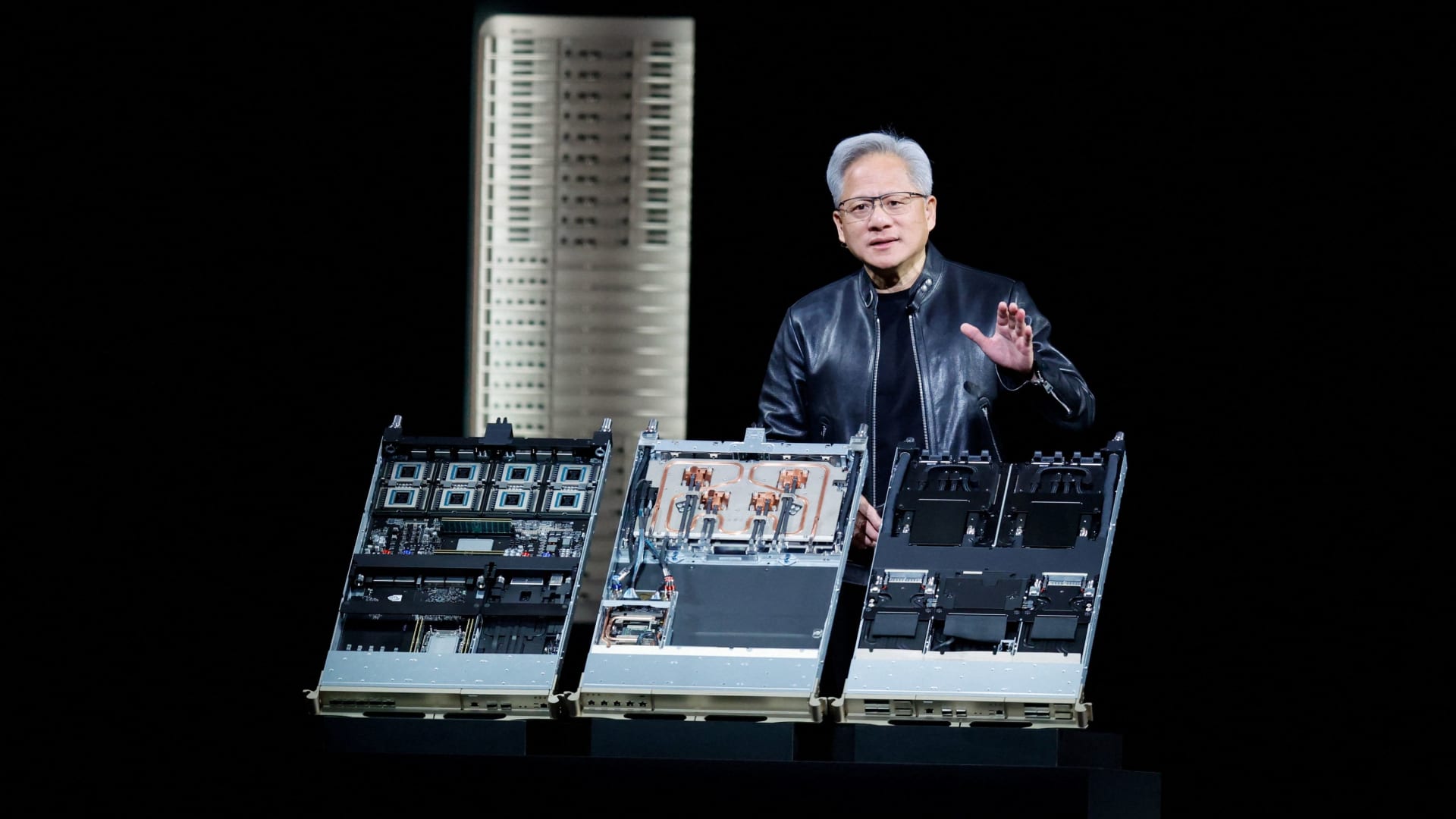
NVIDIA Increases Investment in Photonics Technology


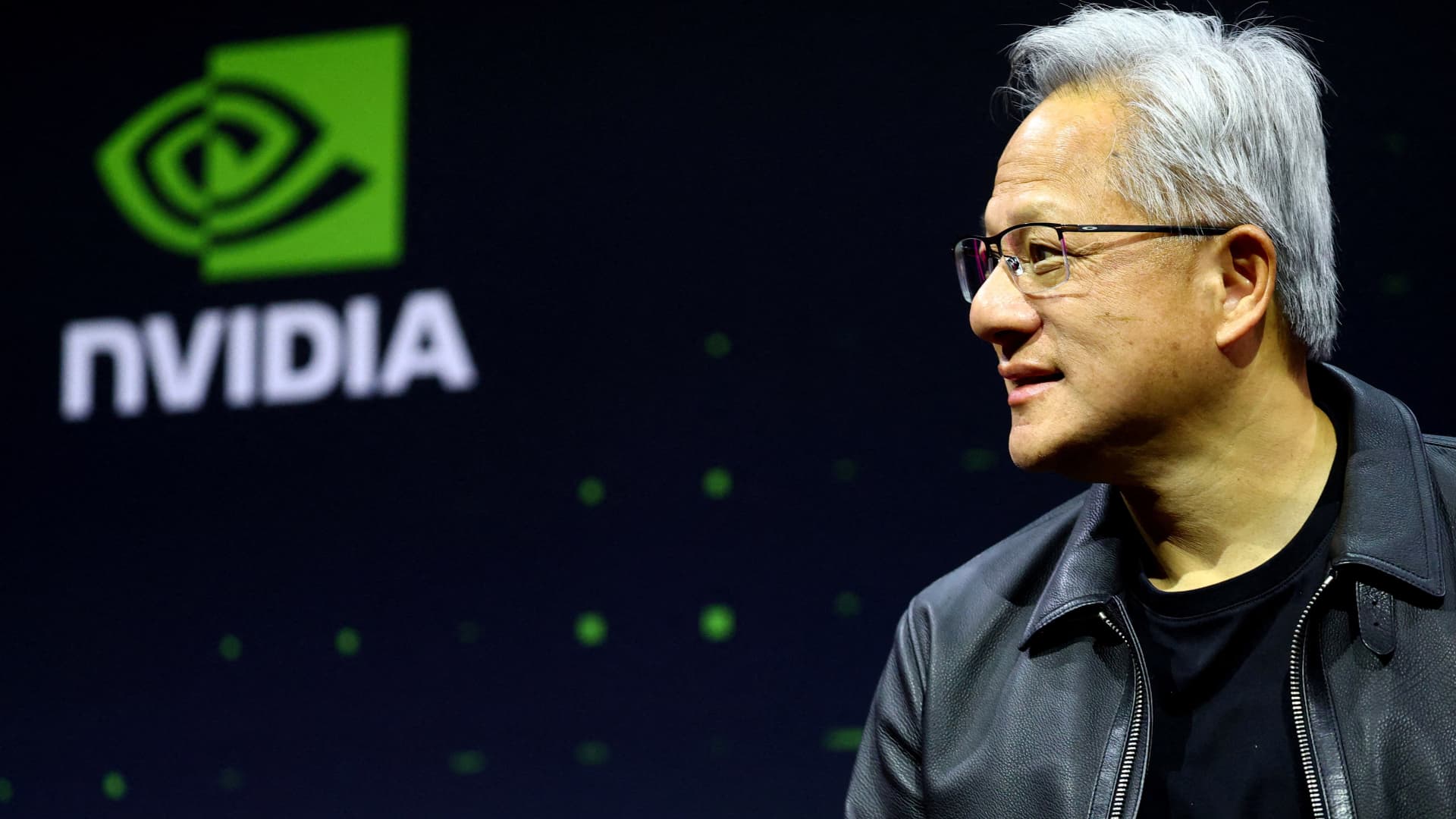
- Photonics Investment: Since March, NVIDIA has invested $2 billion in companies like Lumentum, Coherent, and Marvell to advance photonics technology, aiming to enhance AI infrastructure performance and efficiency, thereby maintaining a competitive edge in a rapidly evolving market.
- Silicon Photonics Expansion: CEO Jensen Huang announced at the GTC conference that NVIDIA is scaling its silicon photonics capacity, indicating that significantly higher technological capabilities will be required to meet market demands, which will greatly enhance the computational power and response speed of its products.
- Manufacturing Challenges: Analysts from 650 Group highlight that the rapid growth of photonics technology will face challenges in supply chain and manufacturing capabilities, especially with surging demand, potentially requiring one to two product generations to adapt to the new technology.
- AI System Adaptation: Analyst Gil Luria noted that existing AI systems will need significant redesign to incorporate optical components, a process that may extend product update cycles, but successful implementation will significantly improve the performance and efficiency of AI models.
See More
Amazon's AI-Driven Growth Potential is Significant
- AI Chip Partnership: Amazon's collaboration with Meta Platforms, which will utilize Amazon's Graviton5 processors, not only opens new sales opportunities for Amazon's custom chip business but also strengthens its internal tech stack's competitiveness.
- Cloud Infrastructure Growth: Amazon Web Services (AWS) reported a 28% year-over-year revenue increase to $37.59 billion in Q1, surpassing Wall Street estimates, indicating that AI demand is driving higher utilization rates and promising future growth.
- E-commerce and Digital Advertising Integration: As the world's largest online retailer, Amazon's advertising revenue grew 24% year-over-year to $17.24 billion in Q1, with AI integration expected to enhance profitability and market share in both e-commerce and advertising sectors.
- Profit Driver: Although AWS accounted for only 20.7% of total sales in Q1, it generated the majority of profits, and with the cloud business accelerating, Amazon's earnings outlook is increasingly positive, boosting investor confidence.
See More
Market Dynamics and Corporate Performance Analysis
- Dell's Quarter Performance: Dell reported a quarter that exceeded expectations, with shares rising over 30%, indicating strong performance across all business levels, particularly in data center servers, which is expected to boost overall market confidence.
- Costco Membership Renewal Rates Up: Costco's latest earnings report showed improved membership renewal rates in the U.S. and Canada; although market reaction was muted, record performance in its gas business is likely to enhance membership loyalty and solidify its market position.
- Anthropic Surpasses OpenAI: Anthropic raised $65 billion at a $965 billion valuation, becoming the most valuable AI startup, a significant increase from $380 billion in February, showcasing explosive revenue growth and wealth creation potential in the AI sector.
- Cybersecurity Market Volatility: Okta beat expectations in its earnings report, with shares rising over 8%, while Zscaler's stock fell due to disappointing guidance, highlighting a divergence in the cybersecurity industry that affected the performance of other companies, including CrowdStrike.
See More
Major Wall Street Rating Changes Overview
- Dell Upgrade: Susquehanna upgraded Dell from neutral to positive, citing increased confidence in a sustainable 8-10% operating margin and a 6% free cash flow margin, which supports a potential rerating of its EV/sales multiple to 3x, indicating strong market potential.
- Viper Energy Initiation: RBC initiated coverage of Viper Energy with an Outperform rating and a $58 price target, highlighting its advantages in scale and core Permian focus, positioning it as a best-in-class mineral and royalty company.
- SentinelOne Buy Rating: Bank of America upgraded SentinelOne from neutral to buy, viewing its solid quarterly performance as a strong entry point after an 18% decline in after-hours trading, reflecting confidence in its future growth prospects.
- XPeng Upgrade: Macquarie upgraded XPeng from neutral to outperform, noting its volume growth in the Chinese EV market, while future investments in humanoids and robotaxis provide additional upside potential for its stock.
See More
SpaceX IPO Outlook and AI Investment Risks
- IPO Anticipation: SpaceX's planned IPO on June 12 is one of the most awaited public debuts in years, drawing significant investor interest in its future growth potential.
- AI Investment Scale: The company allocated $12.7 billion to artificial intelligence, significantly exceeding the $3.8 billion spent on its space segment, indicating a strategic pivot towards AI despite the associated high risks.
- Operating Loss Comparison: SpaceX's operating loss in AI reached $6.3 billion, far surpassing the $657 million loss from its space operations, raising concerns about the financial implications of such an imbalance for potential investors.
- Market Outlook and Risks: While SpaceX estimates a total addressable market of $26.5 trillion for AI, the uncertainty surrounding its massive expenditures and the ability to capture a significant market share necessitates careful risk assessment by investors considering the IPO.
See More
SpaceX's AI Investments and IPO Outlook Analysis
- AI Investment Scale: SpaceX's investment in artificial intelligence reached $12.7 billion in 2025, significantly exceeding its $3.8 billion in space program spending, indicating the company's strong focus and expectations for future AI potential.
- Operating Loss Comparison: The operating loss in AI soared to $6.3 billion, far surpassing the $657 million loss from its space segment, highlighting the financial pressure and risks associated with its AI expenditures.
- Data Center Construction: The company is building Colossus and Colossus II data centers to support the training of next-generation AI models, and despite challenges related to energy consumption and public backlash, SpaceX plans to relocate data centers to space to address these issues.
- Market Outlook Assessment: SpaceX estimates its total addressable market for AI to be $26.5 trillion, and while facing high expenditures and uncertainties, investors must weigh the risks against potential rewards.
See More
NVIDIA Increases Investment in Photonics Technology
- Photonics Investment: Since March, NVIDIA has invested $2 billion in companies like Lumentum, Coherent, and Marvell to advance photonics technology, aiming to enhance AI infrastructure performance and efficiency, thereby maintaining a competitive edge in a rapidly evolving market.
- Silicon Photonics Expansion: CEO Jensen Huang announced at the GTC conference that NVIDIA is scaling its silicon photonics capacity, indicating that significantly higher technological capabilities will be required to meet market demands, which will greatly enhance the computational power and response speed of its products.
- Manufacturing Challenges: Analysts from 650 Group highlight that the rapid growth of photonics technology will face challenges in supply chain and manufacturing capabilities, especially with surging demand, potentially requiring one to two product generations to adapt to the new technology.
- AI System Adaptation: Analyst Gil Luria noted that existing AI systems will need significant redesign to incorporate optical components, a process that may extend product update cycles, but successful implementation will significantly improve the performance and efficiency of AI models.
See More