EV Stocks Poised to Lead Autonomous Driving Revolution
Written by Emily J. Thompson, Senior Investment Analyst
Updated: 1 day ago
0mins
Should l Buy RIVN?
Source: NASDAQ.COM
- Market Potential: Experts predict that by 2030, a large-scale rollout of robotaxis will occur globally, marking the first commercial application for L4 autonomy, highlighting the critical role of the EV sector in future mobility.
- Rivian's New Launch: Rivian plans to begin shipping its R2 SUV this month, priced under $50,000, catering to about 70% of prospective buyers, which is expected to drive sales growth in 2026 and 2027, enhancing its market competitiveness.
- Tesla's Growth Opportunities: Despite Tesla's high stock valuation, its potential in fully autonomous vehicles and the robotaxi market is significant, with a projected global fleet of 3 million robotaxis by 2035, potentially worth $10 trillion.
- AI Investment Strategy: Rivian's heavy investment in artificial intelligence, while delaying its profitability timeline, positions the company favorably in the race for fully autonomous technology, reflecting its commitment to future market leadership.
Trade with 70% Backtested Accuracy
Stop guessing "Should I Buy RIVN?" and start using high-conviction signals backed by rigorous historical data.
Sign up today to access powerful investing tools and make smarter, data-driven decisions.
Analyst Views on RIVN
Wall Street analysts forecast RIVN stock price to rise
18 Analyst Rating
8 Buy
7 Hold
3 Sell
Moderate Buy
Current: 15.140

Low
10.00
Averages
17.78
High
25.00
Current: 15.140
Low
10.00
Averages
17.78
High
25.00
About RIVN
Rivian Automotive, Inc. is an automotive technology company, which is engaged in developing and manufacturing category-defining electric vehicles (EVs) as well as vertically integrated technologies and services. The Company's R1 platform consists of two vehicles: the R1T, a two-row five-passenger pickup truck, and the R1S, a three-row seven-passenger sport utility vehicle (SUV). In the commercial market, the Company offers a Rivian Commercial Vehicle (RCV) platform. The vehicle on this platform is the Electric Delivery Van (EDV), designed and engineered by Rivian in collaboration with Amazon. The Company also offers FleetOS, its proprietary, end-to-end centralized fleet management subscription platform. It also offers a variety of services, including vehicle repair and maintenance, financing, insurance, joint venture, software subscriptions, and vehicle accessories, among others. Its other services include vehicle electrical architecture and software development services, and more.
About the author

Emily J. Thompson
Emily J. Thompson, a Chartered Financial Analyst (CFA) with 12 years in investment research, graduated with honors from the Wharton School. Specializing in industrial and technology stocks, she provides in-depth analysis for Intellectia’s earnings and market brief reports.
Rivian Set to Release Earnings Report with R2 Deliveries Expected

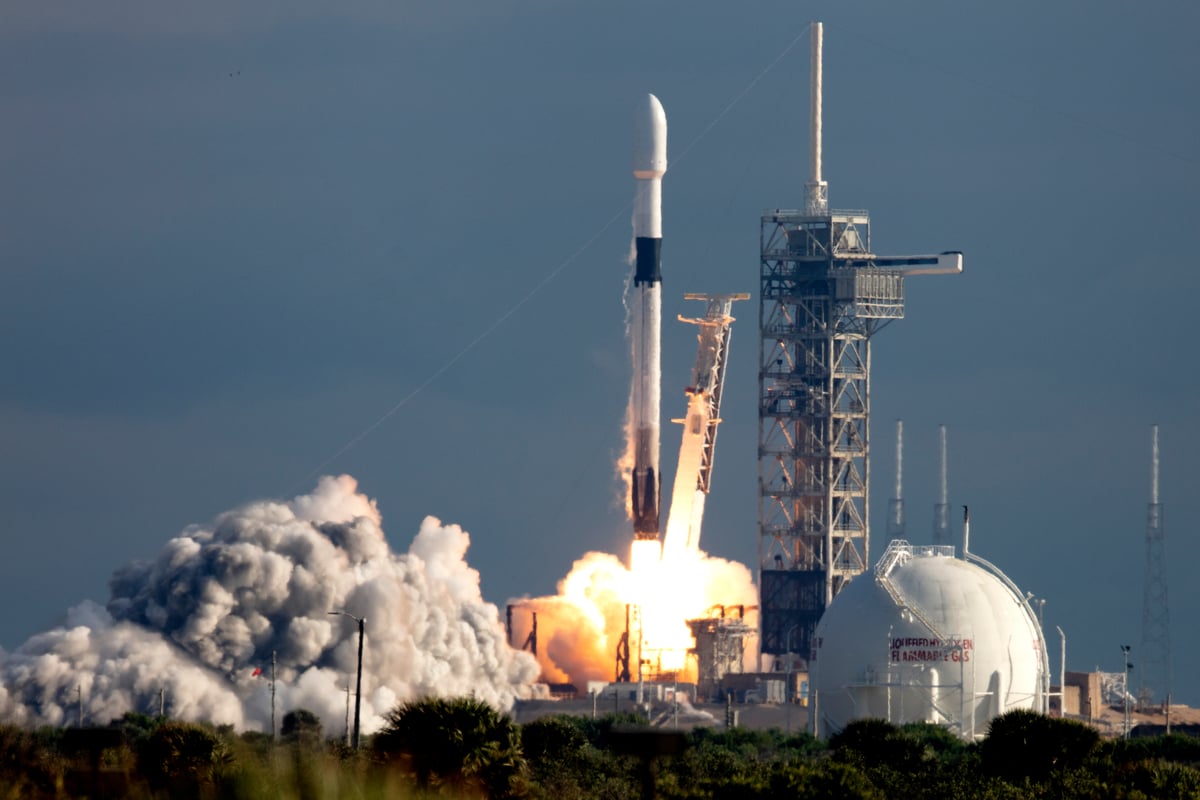
- R2 Deliveries Imminent: Rivian is set to release its earnings report on April 30, where it is expected to confirm the commencement of R2 SUV deliveries, which are anticipated to be priced below $50,000, aiming to capture the demand of 70% of consumers and drive sales growth to improve company performance.
- AI Investment Strategy: At last December's 'AI Day', Rivian announced new vehicles featuring lidar sensors and custom chips, with plans to launch the Autonomy+ subscription service priced at $49.99 per month, showcasing the company's ambition in the autonomous driving market.
- Partnership with Uber: Rivian signed a deal worth up to $1.25 billion with Uber to deliver up to 50,000 R2 SUVs for Uber's robotaxi division, providing early social validation for Rivian's AI vision and potentially becoming a significant revenue source in the future.
- Market Reaction and Outlook: Despite Rivian's stock price dropping approximately 21% since the beginning of the year, the upcoming earnings report and the start of R2 deliveries could serve as catalysts for a rebound in stock price, with investor expectations for future growth likely influencing market sentiment.
See More
Potential Catalysts for Rivian's Stock Rebound

- Production Review: Rivian produced 24,337 vehicles in 2022, with expectations to increase to 57,232 in 2023, although production is projected to decline to 49,476 and 42,284 in 2024 and 2025 due to supply chain constraints and intensified competition, impacting investor confidence.
- New Model Launch: The launch of the new R2 SUV in March, priced $30,000-$40,000 lower than the R1T and R1S, is expected to significantly expand market reach and improve margins due to its simplified design and fewer electronic control units.
- Investor Confidence Rebound: Uber's recent $1.25 billion investment in Rivian and plans to deploy up to 10,000 fully autonomous R2 robotaxis from 2028 to 2031 provide strong support for Rivian's future growth prospects.
- Insider Buying: Rivian insiders have purchased more than twice as many shares as they sold in the past three months, and this positive insider sentiment, combined with low valuation and multiple potential partnerships, makes Rivian a compelling stock to buy ahead of its next earnings report.
See More

Rivian's Market Prospects in the EV Sector
- Improving Financials: Rivian's revenue increased by 8% year-over-year to $5.4 billion last year, demonstrating resilience and potential growth despite challenges from the expiration of U.S. EV government tax incentives, indicating a positive trend in its financial performance.
- New Model Launch: The company plans to start deliveries of its R2 model in the second quarter, with expectations to deliver between 62,000 and 67,000 units by 2026, representing a nearly 53% increase compared to the previous fiscal year, directly competing with Tesla's popular Model Y and enhancing market share.
- Strategic Partnerships: Rivian's agreement with Uber involves the purchase of 10,000 fully autonomous R2 models, with an option for 40,000 more by 2030, providing up to $1.25 billion in investment, although achieving full autonomy remains a significant technological hurdle that requires further R&D.
- Competitive Pressures: While Rivian is seeing growth in service revenue, it faces intense competition from Tesla's established models, and the company does not expect to achieve adjusted EBITDA profitability until 2027, increasing uncertainty and risk for investors.
See More

Rivian's EV Strategy and Financial Outlook
- Improving Financials: Rivian's revenue increased by 8% year-over-year to $5.4 billion last year, demonstrating resilience and potential growth despite challenges from the expiration of U.S. EV government tax incentives, indicating a strong market position.
- New Model Launch: The company plans to start customer deliveries of the R2 model in the second quarter, which will compete directly with Tesla's best-selling Model Y, potentially boosting Rivian's market share in the midsize SUV EV segment.
- Strategic Partnership: Rivian has secured a deal with Uber to purchase 10,000 fully autonomous R2 models, with an option for 40,000 more by 2030, providing up to $1.25 billion in investment, although achieving full autonomy remains a significant technological hurdle.
- Profitability Outlook: Rivian has postponed its goal of achieving adjusted EBITDA profitability by 2027 to invest in R&D for full autonomy, which may lead to stock price volatility, but successfully meeting these goals could provide a substantial competitive edge in the market.
See More

AI Investment Expected to Reach $7 Trillion by 2030

- Global Investment Trend: McKinsey estimates that global capital expenditures on data center infrastructure will approach $7 trillion by 2030, a figure equivalent to the combined GDP of Japan and Germany, indicating a rapid escalation in corporate investment in AI technologies.
- AI Spending Growth in the U.S.: In the United States, AI-related capital expenditures account for about 5% of GDP and are growing at a high-single- to low-double-digit pace, with this growth trend expected to persist into the next decade, reflecting the increasing significance of AI in the economy.
- EV Market Competition: Tesla plans to significantly invest in AI within its 2026 capital expenditures, particularly in autonomous driving technology, with projections of tens of thousands of robotaxis by 2030, while Rivian is making AI investments at a relatively low valuation, showcasing its potential in the EV market.
- Nuclear Industry Renaissance: NuScale Power focuses on small modular reactor (SMR) technology, with U.S. electricity demand expected to grow by about 4% annually through 2030, and AI's contribution to electricity demand projected to rise from 4.3% to 11.7%, providing substantial market opportunities for the company.
See More

Analysis of Investment Potential in Artificial Intelligence
- AI Investment Trend: McKinsey estimates that global capital expenditures on data center infrastructure will approach $7 trillion by 2030, a figure equivalent to the combined GDP of Japan and Germany, highlighting the immense investment potential in the AI sector.
- Tesla's AI Strategy: Tesla plans to significantly invest in AI within its 2026 capital expenditures and has agreed to invest $2 billion in Elon Musk's AI startup xAI, indicating its commitment to autonomous driving technology, with expectations of tens of thousands of robotaxis on the roads by 2030.
- Rivian's Market Positioning: Despite Rivian's market cap being only a third of Tesla's and its sales multiple at 3 times, the company's heavy investment in AI and autonomy reveals its potential in the future EV market, although this may delay its profitability timeline.
- NuScale Power's Growth Opportunity: NuScale Power focuses on small modular reactor technology, with U.S. electricity demand expected to grow at 4% annually by 2030, and AI projected to account for 11.7% of electricity demand; if successful, its technology could tap into a market worth up to $10 trillion.
See More
Rivian Set to Release Earnings Report with R2 Deliveries Expected
- R2 Deliveries Imminent: Rivian is set to release its earnings report on April 30, where it is expected to confirm the commencement of R2 SUV deliveries, which are anticipated to be priced below $50,000, aiming to capture the demand of 70% of consumers and drive sales growth to improve company performance.
- AI Investment Strategy: At last December's 'AI Day', Rivian announced new vehicles featuring lidar sensors and custom chips, with plans to launch the Autonomy+ subscription service priced at $49.99 per month, showcasing the company's ambition in the autonomous driving market.
- Partnership with Uber: Rivian signed a deal worth up to $1.25 billion with Uber to deliver up to 50,000 R2 SUVs for Uber's robotaxi division, providing early social validation for Rivian's AI vision and potentially becoming a significant revenue source in the future.
- Market Reaction and Outlook: Despite Rivian's stock price dropping approximately 21% since the beginning of the year, the upcoming earnings report and the start of R2 deliveries could serve as catalysts for a rebound in stock price, with investor expectations for future growth likely influencing market sentiment.
See More
Potential Catalysts for Rivian's Stock Rebound
- Production Review: Rivian produced 24,337 vehicles in 2022, with expectations to increase to 57,232 in 2023, although production is projected to decline to 49,476 and 42,284 in 2024 and 2025 due to supply chain constraints and intensified competition, impacting investor confidence.
- New Model Launch: The launch of the new R2 SUV in March, priced $30,000-$40,000 lower than the R1T and R1S, is expected to significantly expand market reach and improve margins due to its simplified design and fewer electronic control units.
- Investor Confidence Rebound: Uber's recent $1.25 billion investment in Rivian and plans to deploy up to 10,000 fully autonomous R2 robotaxis from 2028 to 2031 provide strong support for Rivian's future growth prospects.
- Insider Buying: Rivian insiders have purchased more than twice as many shares as they sold in the past three months, and this positive insider sentiment, combined with low valuation and multiple potential partnerships, makes Rivian a compelling stock to buy ahead of its next earnings report.
See More
Rivian's Market Prospects in the EV Sector
- Improving Financials: Rivian's revenue increased by 8% year-over-year to $5.4 billion last year, demonstrating resilience and potential growth despite challenges from the expiration of U.S. EV government tax incentives, indicating a positive trend in its financial performance.
- New Model Launch: The company plans to start deliveries of its R2 model in the second quarter, with expectations to deliver between 62,000 and 67,000 units by 2026, representing a nearly 53% increase compared to the previous fiscal year, directly competing with Tesla's popular Model Y and enhancing market share.
- Strategic Partnerships: Rivian's agreement with Uber involves the purchase of 10,000 fully autonomous R2 models, with an option for 40,000 more by 2030, providing up to $1.25 billion in investment, although achieving full autonomy remains a significant technological hurdle that requires further R&D.
- Competitive Pressures: While Rivian is seeing growth in service revenue, it faces intense competition from Tesla's established models, and the company does not expect to achieve adjusted EBITDA profitability until 2027, increasing uncertainty and risk for investors.
See More
Rivian's EV Strategy and Financial Outlook
- Improving Financials: Rivian's revenue increased by 8% year-over-year to $5.4 billion last year, demonstrating resilience and potential growth despite challenges from the expiration of U.S. EV government tax incentives, indicating a strong market position.
- New Model Launch: The company plans to start customer deliveries of the R2 model in the second quarter, which will compete directly with Tesla's best-selling Model Y, potentially boosting Rivian's market share in the midsize SUV EV segment.
- Strategic Partnership: Rivian has secured a deal with Uber to purchase 10,000 fully autonomous R2 models, with an option for 40,000 more by 2030, providing up to $1.25 billion in investment, although achieving full autonomy remains a significant technological hurdle.
- Profitability Outlook: Rivian has postponed its goal of achieving adjusted EBITDA profitability by 2027 to invest in R&D for full autonomy, which may lead to stock price volatility, but successfully meeting these goals could provide a substantial competitive edge in the market.
See More
AI Investment Expected to Reach $7 Trillion by 2030
- Global Investment Trend: McKinsey estimates that global capital expenditures on data center infrastructure will approach $7 trillion by 2030, a figure equivalent to the combined GDP of Japan and Germany, indicating a rapid escalation in corporate investment in AI technologies.
- AI Spending Growth in the U.S.: In the United States, AI-related capital expenditures account for about 5% of GDP and are growing at a high-single- to low-double-digit pace, with this growth trend expected to persist into the next decade, reflecting the increasing significance of AI in the economy.
- EV Market Competition: Tesla plans to significantly invest in AI within its 2026 capital expenditures, particularly in autonomous driving technology, with projections of tens of thousands of robotaxis by 2030, while Rivian is making AI investments at a relatively low valuation, showcasing its potential in the EV market.
- Nuclear Industry Renaissance: NuScale Power focuses on small modular reactor (SMR) technology, with U.S. electricity demand expected to grow by about 4% annually through 2030, and AI's contribution to electricity demand projected to rise from 4.3% to 11.7%, providing substantial market opportunities for the company.
See More
Analysis of Investment Potential in Artificial Intelligence
- AI Investment Trend: McKinsey estimates that global capital expenditures on data center infrastructure will approach $7 trillion by 2030, a figure equivalent to the combined GDP of Japan and Germany, highlighting the immense investment potential in the AI sector.
- Tesla's AI Strategy: Tesla plans to significantly invest in AI within its 2026 capital expenditures and has agreed to invest $2 billion in Elon Musk's AI startup xAI, indicating its commitment to autonomous driving technology, with expectations of tens of thousands of robotaxis on the roads by 2030.
- Rivian's Market Positioning: Despite Rivian's market cap being only a third of Tesla's and its sales multiple at 3 times, the company's heavy investment in AI and autonomy reveals its potential in the future EV market, although this may delay its profitability timeline.
- NuScale Power's Growth Opportunity: NuScale Power focuses on small modular reactor technology, with U.S. electricity demand expected to grow at 4% annually by 2030, and AI projected to account for 11.7% of electricity demand; if successful, its technology could tap into a market worth up to $10 trillion.
See More