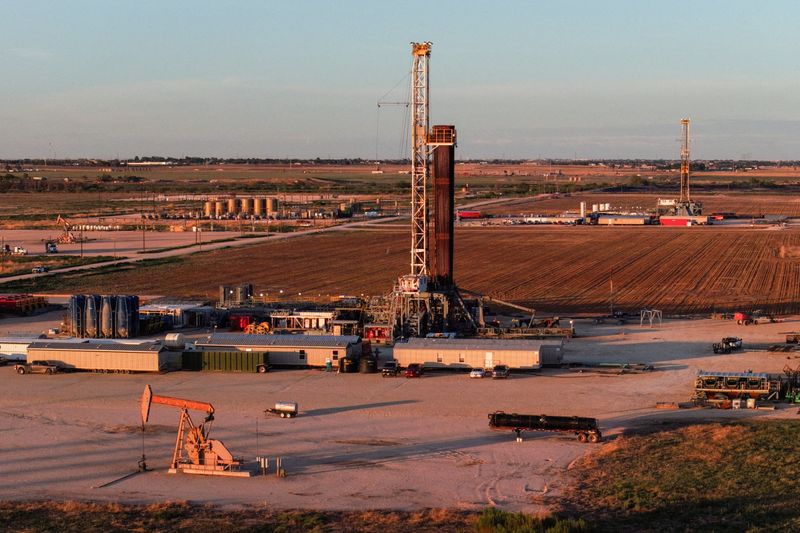
European Energy Resilience Faces Complex Challenges Amid Regional Instability
Written by Emily J. Thompson, Senior Investment Analyst
Updated: Mar 22 2026
0mins


Source: Yahoo Finance
- Supply Chain Vulnerability: While only 11% of Europe's LNG and 12% of its oil comes from the Middle East, potential blockades could lead to financial repercussions, jeopardizing Europe's energy security.
- Increased Market Competition: The 'destination flexibility' in global energy contracts may force European buyers to outbid Asian markets, raising costs and undermining progress in diversifying imports away from Russia.
- Logistical Pressures: The shift in global energy flows places greater adjustment burdens on shipping infrastructure, particularly as rapid changes in oil contracts heighten market vulnerability, potentially impacting Europe's industrial recovery.
- Macroeconomic Stability: The ability of European utilities to manage price spikes will directly affect macroeconomic stability in the Eurozone, highlighting the critical role of financial capacity in ensuring energy security.
Trade with 70% Backtested Accuracy
Stop guessing "Should I Buy TTE?" and start using high-conviction signals backed by rigorous historical data.
Sign up today to access powerful investing tools and make smarter, data-driven decisions.
Analyst Views on TTE
Wall Street analysts forecast TTE stock price to fall
16 Analyst Rating
8 Buy
8 Hold
0 Sell
Moderate Buy
Current: 89.960

Low
60.04
Averages
71.67
High
90.93
Current: 89.960
Low
60.04
Averages
71.67
High
90.93
About TTE
TotalEnergies SE is a France-based company. The Company is predominantly engaged in the business as a worldwide oil group. Its segment divisions are divided into refining and chemistry such as refining of petroleum products and manufacture of basic chemistry and of specialty chemistry, petroleum products distribution, electricity generation from combined cycle gas plants and renewable energies, gas production, trading, transport and distribution primarily includes liquefied natural gas, natural gas, biogas, hydrogen, liquefied petroleum gas and hydrocarbon operating and production. The group is also operating in trading and sea transport of crude oil and oil products.
About the author

Emily J. Thompson
Emily J. Thompson, a Chartered Financial Analyst (CFA) with 12 years in investment research, graduated with honors from the Wharton School. Specializing in industrial and technology stocks, she provides in-depth analysis for Intellectia’s earnings and market brief reports.
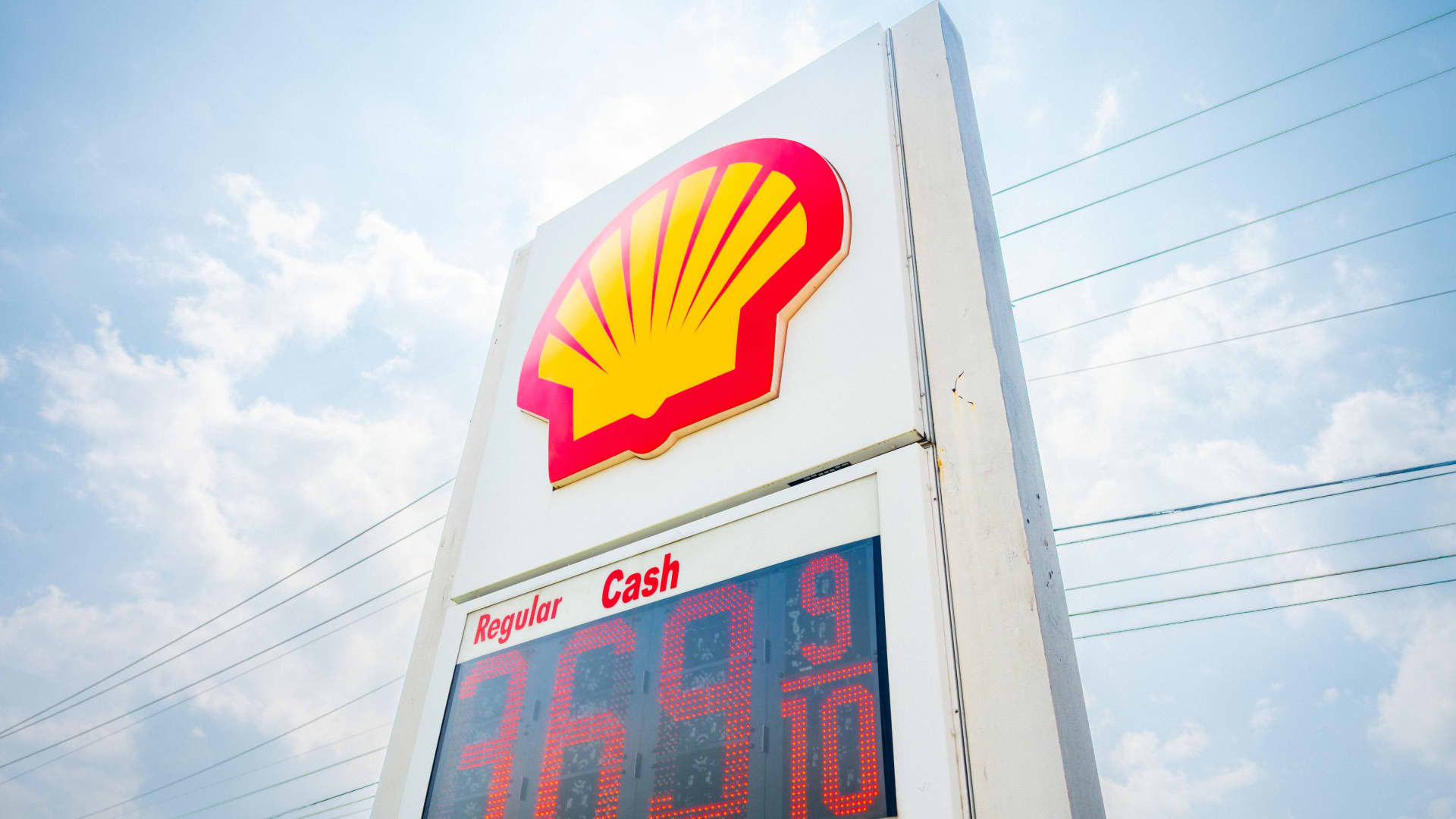
Shell Reports Stronger-Than-Expected Q1 Profit Amid Iran War
- Strong Earnings Performance: Shell reported adjusted earnings of $6.92 billion for Q1, exceeding analyst expectations of $6.1 billion, demonstrating the company's resilience and operational efficiency amid global energy market disruptions.
- Dividend and Buyback Adjustments: The company announced a 5% increase in its dividend to $0.3906 per share while reducing its quarterly buyback from $3.5 billion to $3 billion, reflecting prudent capital management strategies.
- Rising Debt Levels: Shell's net debt rose to $52.6 billion at the end of Q1 from $45.7 billion at the end of last year, primarily due to the negative impact of rising oil prices on inventory values, although analysts view this as a minor negative factor.
- ARC Resources Acquisition: Last month, Shell announced a $16.4 billion acquisition of Canadian ARC Resources, aimed at strengthening its resource base in low-carbon intensity production, which is expected to support future output growth.
See More

TRUMP: POSITIVE DISCUSSIONS ON IRAN OVER THE PAST DAY


- Trump's Recent Talks: Donald Trump has engaged in discussions regarding Iran over the past 24 hours.
- Focus on Iran: The conversations have been characterized as very positive, indicating a potential shift in diplomatic relations.
See More

TotalEnergies Signs Contract for Pangea 5 Supercomputer
- Computing Power Boost: TotalEnergies, in collaboration with Dell and NVIDIA, has signed a contract exceeding €100 million for the design and installation of the Pangea 5 supercomputer, which is expected to increase computing power sixfold, thereby significantly enhancing the company's competitiveness in low-cost, low-emission hydrocarbon production.
- R&D Support: Pangea 5 will accelerate the deployment of advanced seismic engineering to improve subsurface imaging accuracy and support AI research, meeting the growing digital demands to optimize computing times and advance the company's strategic goals in energy transition.
- Energy Efficiency Optimization: The new supercomputer will utilize specialized processors, achieving approximately 40% greater energy efficiency than previous models, while its cooling system's energy consumption will be reduced by a factor of five, with residual heat repurposed to heat CSTJF buildings, enhancing overall energy utilization.
- Future Outlook: Pangea 5 is expected to be commissioned in 2027, and by enhancing computing capabilities, TotalEnergies is further solidifying its leadership in high-performance computing to meet the increasing global energy demand.
See More
TOTALENERGIES OFFSHORE BLOCK S4 DRILLING IN GUYANA MAY BEGIN POST-2028, SUBJECT TO SEISMIC ASSESSMENT, SAYS AREA EXPLORATION MANAGER

Drilling Phase for Offshore Blocks: TotalEnergies is set to begin drilling in offshore blocks in Guyana after 2028, contingent on seismic evaluations.
Exploration Management Insights: Area exploration managers indicate that the timeline for drilling is dependent on the results of seismic assessments.
See More

U.S. Navy Actions and Oil Price Fluctuations


- Naval Actions: The U.S. Navy inspected M/V Blue Star III on April 28, confirming it would not head to Iran, demonstrating strict enforcement of the blockade, although this action did not significantly sway market sentiment.
- OPEC+ Production Increase: Seven OPEC+ members agreed to raise production by 188,000 barrels per day in June, but with the Strait of Hormuz still closed, the real-world impact is limited, leading to a muted market reaction and slight oil price declines.
- Record U.S. Oil Exports: U.S. oil exports surged to 5.2 million barrels per day in April, up over 30% from February, indicating strong performance in the U.S. energy market amid Middle Eastern tensions, which could influence global oil price trends.
- U.S.-China Tensions: China's Commerce Ministry blocked U.S. sanctions against five Chinese refiners, highlighting escalating tensions between the two nations, which may have far-reaching implications for global markets, particularly in the energy sector.
See More
TotalEnergies and Nextnorth Begin Construction of 440 MW Solar Project
- Project Launch: TotalEnergies and its partner Nextnorth have reached financial close and commenced construction on a 440 MWp solar power plant, expected to be operational by the end of 2027, with a total investment of approximately $300 million, marking the largest international financing for a solar project in the Philippines.
- Electricity Production: The project is projected to generate 13.5 TWh of electricity over 20 years, with over 50% of the output sold under long-term power purchase agreements with AdventEnergy and PrimeRES, catering to commercial and industrial users seeking to decarbonize their operations and enhancing market competitiveness.
- Financing Support: The project is financed by three international banks, including Sumitomo Mitsui Banking Corporation, ING Bank, and Standard Chartered, reflecting international capital's confidence in the Philippine renewable energy market and supporting local energy security.
- Strategic Importance: This project will contribute 440 MW to the Philippines' renewable energy portfolio, aiding the country's transition towards energy independence, while TotalEnergies aims to achieve over 100 TWh of net electricity production by 2030, further solidifying its position in the global renewable energy market.
See More
Shell Reports Stronger-Than-Expected Q1 Profit Amid Iran War
- Strong Earnings Performance: Shell reported adjusted earnings of $6.92 billion for Q1, exceeding analyst expectations of $6.1 billion, demonstrating the company's resilience and operational efficiency amid global energy market disruptions.
- Dividend and Buyback Adjustments: The company announced a 5% increase in its dividend to $0.3906 per share while reducing its quarterly buyback from $3.5 billion to $3 billion, reflecting prudent capital management strategies.
- Rising Debt Levels: Shell's net debt rose to $52.6 billion at the end of Q1 from $45.7 billion at the end of last year, primarily due to the negative impact of rising oil prices on inventory values, although analysts view this as a minor negative factor.
- ARC Resources Acquisition: Last month, Shell announced a $16.4 billion acquisition of Canadian ARC Resources, aimed at strengthening its resource base in low-carbon intensity production, which is expected to support future output growth.
See More
TRUMP: POSITIVE DISCUSSIONS ON IRAN OVER THE PAST DAY
- Trump's Recent Talks: Donald Trump has engaged in discussions regarding Iran over the past 24 hours.
- Focus on Iran: The conversations have been characterized as very positive, indicating a potential shift in diplomatic relations.
See More
TotalEnergies Signs Contract for Pangea 5 Supercomputer
- Computing Power Boost: TotalEnergies, in collaboration with Dell and NVIDIA, has signed a contract exceeding €100 million for the design and installation of the Pangea 5 supercomputer, which is expected to increase computing power sixfold, thereby significantly enhancing the company's competitiveness in low-cost, low-emission hydrocarbon production.
- R&D Support: Pangea 5 will accelerate the deployment of advanced seismic engineering to improve subsurface imaging accuracy and support AI research, meeting the growing digital demands to optimize computing times and advance the company's strategic goals in energy transition.
- Energy Efficiency Optimization: The new supercomputer will utilize specialized processors, achieving approximately 40% greater energy efficiency than previous models, while its cooling system's energy consumption will be reduced by a factor of five, with residual heat repurposed to heat CSTJF buildings, enhancing overall energy utilization.
- Future Outlook: Pangea 5 is expected to be commissioned in 2027, and by enhancing computing capabilities, TotalEnergies is further solidifying its leadership in high-performance computing to meet the increasing global energy demand.
See More
TOTALENERGIES OFFSHORE BLOCK S4 DRILLING IN GUYANA MAY BEGIN POST-2028, SUBJECT TO SEISMIC ASSESSMENT, SAYS AREA EXPLORATION MANAGER
Drilling Phase for Offshore Blocks: TotalEnergies is set to begin drilling in offshore blocks in Guyana after 2028, contingent on seismic evaluations.
Exploration Management Insights: Area exploration managers indicate that the timeline for drilling is dependent on the results of seismic assessments.
See More
U.S. Navy Actions and Oil Price Fluctuations
- Naval Actions: The U.S. Navy inspected M/V Blue Star III on April 28, confirming it would not head to Iran, demonstrating strict enforcement of the blockade, although this action did not significantly sway market sentiment.
- OPEC+ Production Increase: Seven OPEC+ members agreed to raise production by 188,000 barrels per day in June, but with the Strait of Hormuz still closed, the real-world impact is limited, leading to a muted market reaction and slight oil price declines.
- Record U.S. Oil Exports: U.S. oil exports surged to 5.2 million barrels per day in April, up over 30% from February, indicating strong performance in the U.S. energy market amid Middle Eastern tensions, which could influence global oil price trends.
- U.S.-China Tensions: China's Commerce Ministry blocked U.S. sanctions against five Chinese refiners, highlighting escalating tensions between the two nations, which may have far-reaching implications for global markets, particularly in the energy sector.
See More
TotalEnergies and Nextnorth Begin Construction of 440 MW Solar Project
- Project Launch: TotalEnergies and its partner Nextnorth have reached financial close and commenced construction on a 440 MWp solar power plant, expected to be operational by the end of 2027, with a total investment of approximately $300 million, marking the largest international financing for a solar project in the Philippines.
- Electricity Production: The project is projected to generate 13.5 TWh of electricity over 20 years, with over 50% of the output sold under long-term power purchase agreements with AdventEnergy and PrimeRES, catering to commercial and industrial users seeking to decarbonize their operations and enhancing market competitiveness.
- Financing Support: The project is financed by three international banks, including Sumitomo Mitsui Banking Corporation, ING Bank, and Standard Chartered, reflecting international capital's confidence in the Philippine renewable energy market and supporting local energy security.
- Strategic Importance: This project will contribute 440 MW to the Philippines' renewable energy portfolio, aiding the country's transition towards energy independence, while TotalEnergies aims to achieve over 100 TWh of net electricity production by 2030, further solidifying its position in the global renewable energy market.
See More