Escalation of Iran Conflict Triggers Global Market Decline
Written by Emily J. Thompson, Senior Investment Analyst
Updated: Mar 02 2026
0mins

Source: CNBC
- Market Reaction: Following the U.S. and Israeli attacks on Iran, global markets are expected to open lower, with the U.K.'s FTSE down 0.6%, Germany's DAX down 1.5%, France's CAC 40 down 1.4%, and Italy's FTSE MIB down 1.2%, indicating investor concerns over geopolitical risks.
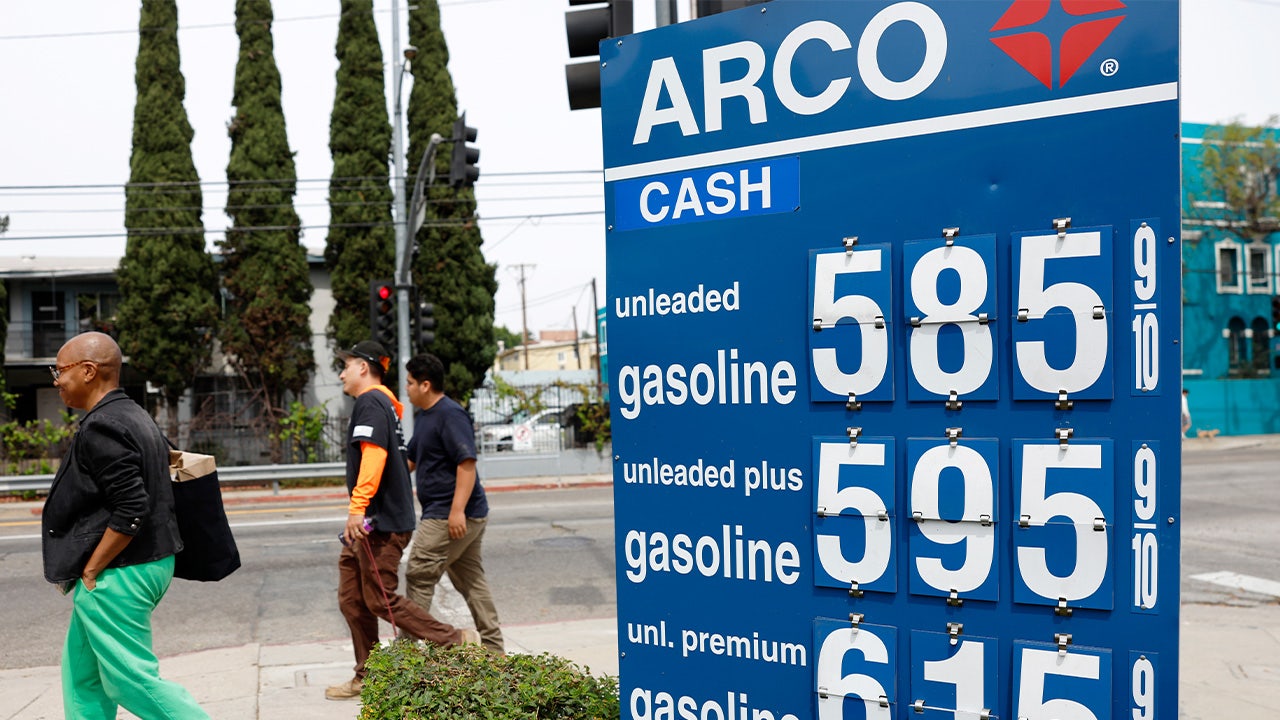
- Oil Price Surge: Crude oil prices jumped over 8% on Sunday as market participants fear major supply disruptions, which could have profound implications for the global energy market, potentially exacerbating inflation and slowing economic growth.
- Aviation Sector Impact: Disruptions in Middle Eastern airspace and airport closures have led airlines to cancel hundreds of flights, resulting in sharp losses for airline stocks, reflecting the direct impact of the conflict on the travel and transportation industry, which may lead to decreased revenues for affected companies.
- Escalation of Military Conflict: Iran has launched retaliatory strikes against U.S. bases in the region, resulting in the deaths of three U.S. service members, escalating regional tensions and potentially triggering broader military conflicts that could affect global security dynamics.
Trade with 70% Backtested Accuracy
Stop guessing "Should I Buy CVX?" and start using high-conviction signals backed by rigorous historical data.
Sign up today to access powerful investing tools and make smarter, data-driven decisions.
Analyst Views on CVX
Wall Street analysts forecast CVX stock price to fall
19 Analyst Rating
15 Buy
4 Hold
0 Sell
Strong Buy
Current: 210.710

Low
158.00
Averages
176.95
High
206.00
Current: 210.710
Low
158.00
Averages
176.95
High
206.00
About CVX
Chevron Corporation is an integrated energy company. The Company produces crude oil and natural gas; manufactures transportation fuels, lubricants, petrochemicals and additives; and develops technologies that enhance its business and industry. The Company’s segments include Upstream and Downstream. Upstream operations consist primarily of exploring for, developing, producing and transporting crude oil and natural gas; liquefaction, transportation and regasification associated with LNG; transporting crude oil by major international oil export pipelines; processing, transporting, storage and marketing of natural gas; carbon capture and storage; and a gas-to-liquids plant. Downstream operations consist primarily of the refining of crude oil into petroleum products; marketing crude oil, refined products, and lubricants; manufacturing and marketing of renewable fuels, and transporting of crude oil and refined products by pipeline, marine vessel, motor equipment and rail car.
About the author

Emily J. Thompson
Emily J. Thompson, a Chartered Financial Analyst (CFA) with 12 years in investment research, graduated with honors from the Wharton School. Specializing in industrial and technology stocks, she provides in-depth analysis for Intellectia’s earnings and market brief reports.

Chevron Positioned to Profit from Rising Oil Prices

- Oil Price Surge: Brent crude oil prices have soared past $100 a barrel, reaching their highest level since 2022, with further increases expected, benefiting energy stocks like Chevron, which is well-positioned to capitalize on high oil prices.
- Cash Flow Growth: Chevron anticipates generating $10 billion in incremental free cash flow in 2023, assuming an average oil price of $70 per barrel, while the Hess merger will contribute an additional $2.5 billion, totaling $12.5 billion in cash flow that will significantly enhance the company's financial health.
- Increased Shareholder Returns: Last year, Chevron returned a record $27 billion to shareholders through dividends and stock buybacks, and it is expected to continue raising dividends this year while repurchasing shares within its $10 billion to $20 billion target range, further enhancing shareholder value.
- Market Advantage: Chevron's massive global scale and low-cost resources allow it to reap substantial benefits from rising energy prices, with every $1 change in oil prices impacting its annual earnings and cash flow by $600 million, demonstrating its strong resilience against future market fluctuations.
See More

Chevron's Acquisition of Hess Boosts Cash Flow Significantly
- Impact of Hess Acquisition: Chevron's completion of the Hess acquisition in 2025 is expected to add $2.5 billion annually to its cash flow, further solidifying its market position in a high oil price environment.
- Free Cash Flow Expectations: The company anticipates generating $10 billion in incremental free cash flow in 2026, assuming Brent oil averages $70 per barrel, which will significantly enhance its financial health.
- Earnings Sensitivity to Oil Prices: A $1 change in Brent oil prices will increase Chevron's annual earnings and cash flow by $600 million, while a $1 change in LNG prices will add $150 million, demonstrating its high sensitivity to energy price fluctuations.
- Shareholder Return Strategy: Chevron returned a record $27 billion to shareholders last year through dividends and stock buybacks, and it is expected to continue repurchasing shares within its $10 billion to $20 billion annual target range, further boosting shareholder confidence.
See More

Energy Stocks Surge Amid Iran Crisis

- Market Environment Shift: Energy stocks are shining due to Iran's disruption of traffic through the Strait of Hormuz, creating uncertainty for investors that could lead to significant increases in oil and gas prices, thereby driving demand for related stocks.
- ExxonMobil's Strong Performance: ExxonMobil (XOM) has seen its stock price rise year-to-date, with a market cap of $707 billion and a record of 43 consecutive years of dividend increases, showcasing its strong free cash flow and stable financial performance, positioning it for good growth potential over the next decade.
- Chevron's Steady Growth: Chevron (CVX) is also performing well, with a current market cap of $413 billion and a dividend yield of 3.34%, as demand for its oil and gas is expected to surge in the event of worsening Middle Eastern tensions, further solidifying its market position.
- Enterprise Products Partners' High Dividend: Enterprise Products Partners (EPD) offers an ultra-high distribution yield of 5.8% and has increased its distribution for 27 consecutive years; despite being less sensitive to oil and gas price swings, its stable cash flow and robust pipeline network allow it to maintain resilience amid industry challenges.
See More

Energy Security Returns: Three Giants Positioned for Success
- Market Environment Shift: Energy stocks, particularly ExxonMobil and Chevron, have surged year-to-date due to Iran's disruption of traffic through the Strait of Hormuz, reflecting strong market demand and investor confidence in the energy sector.
- Cash Flow and Dividends: Both ExxonMobil and Chevron are generating robust free cash flow and continue to repurchase shares, with ExxonMobil boasting 43 consecutive years of dividend increases and Chevron 39 years, indicating strong financial health and commitment to shareholders.
- Stability of Enterprise Products Partners: Operating over 50,000 miles of pipelines, Enterprise Products Partners is less sensitive to oil and gas price swings, yet its stock has soared due to the Iran conflict, offering a 5.8% ultra-high distribution yield, showcasing its resilience in the industry.
- Investment Timing and Market Rotation: As institutional money shifts towards energy stocks, investors need to act quickly to avoid missing the opportunity to buy ExxonMobil, Chevron, and Enterprise Products Partners at relatively attractive valuations, even though all three stocks have solid long-term prospects.
See More
Berkshire Hathaway's New Direction Post-Buffett Retirement

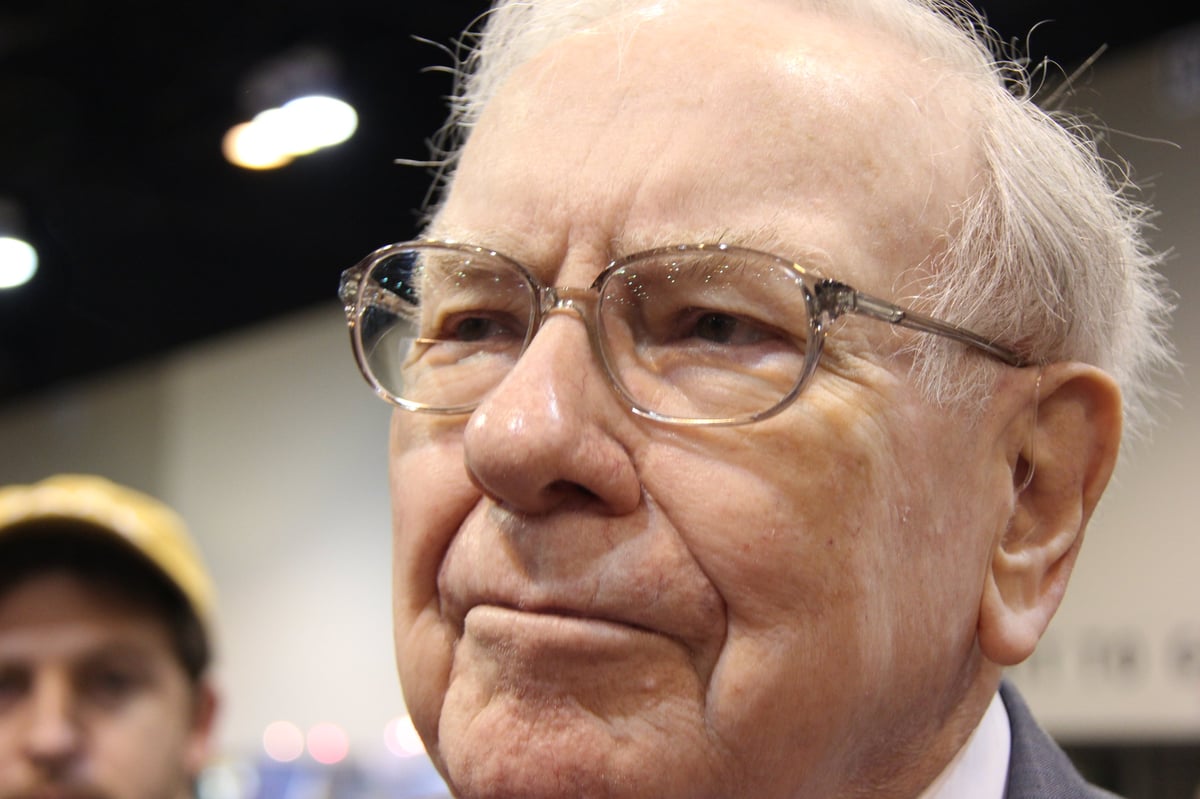
- Buffett's Retirement Impact: Warren Buffett officially retired on December 31, and although he remains on the board, his departure has left a significant mark on Berkshire's investment portfolio, particularly with its active $312 billion investment strategy leading up to his retirement.
- Bank Stock Reduction Strategy: Over the 18 months prior to his retirement, Buffett cut his stake in Bank of America by 50%, selling a total of 515,556,072 shares, which reflects his deep consideration of the company's valuation and interest rate sensitivity, even as it remains a core holding for Berkshire.
- Oil Stock Acquisition Move: In his final quarter as CEO, Buffett invested approximately $1.2 billion to increase Berkshire's stake in Chevron by purchasing 8,091,570 shares, demonstrating confidence in the company's robust capital return program and integrated operating model, especially amid global energy supply chain disruptions.
- Market Environment Changes: The ongoing conflict in Iran has led to a 36% increase in Chevron's stock price since the beginning of the year, presenting a positive market outlook for Berkshire's investment while reflecting Buffett's continued optimism regarding high-margin drilling operations.
See More

Buffett's Retirement Marks New Era for Berkshire Hathaway
- Buffett's Retirement: Warren Buffett officially retired on December 31, concluding over 50 years as CEO of Berkshire Hathaway, although he remains on the board, ensuring his strategic influence continues to shape the company's future.
- Stock Trading Dynamics: In the quarters leading up to his retirement, Buffett persistently sold shares of Bank of America, offloading over 515 million shares, which represented roughly half of Berkshire's peak stake, indicating concerns over the bank's valuation.
- New Investment Direction: In his final quarter, Buffett invested approximately $1.2 billion in integrated oil and gas giant Chevron, reflecting optimism about the energy market, particularly amid supply chain disruptions caused by the Iran war.
- Dividend and Buyback Strategy: Chevron has increased its dividend for 39 consecutive years and has reduced its outstanding share count through buybacks, a capital return strategy that may enhance earnings per share, aligning with Buffett's investment philosophy.
See More
Chevron Positioned to Profit from Rising Oil Prices
- Oil Price Surge: Brent crude oil prices have soared past $100 a barrel, reaching their highest level since 2022, with further increases expected, benefiting energy stocks like Chevron, which is well-positioned to capitalize on high oil prices.
- Cash Flow Growth: Chevron anticipates generating $10 billion in incremental free cash flow in 2023, assuming an average oil price of $70 per barrel, while the Hess merger will contribute an additional $2.5 billion, totaling $12.5 billion in cash flow that will significantly enhance the company's financial health.
- Increased Shareholder Returns: Last year, Chevron returned a record $27 billion to shareholders through dividends and stock buybacks, and it is expected to continue raising dividends this year while repurchasing shares within its $10 billion to $20 billion target range, further enhancing shareholder value.
- Market Advantage: Chevron's massive global scale and low-cost resources allow it to reap substantial benefits from rising energy prices, with every $1 change in oil prices impacting its annual earnings and cash flow by $600 million, demonstrating its strong resilience against future market fluctuations.
See More
Chevron's Acquisition of Hess Boosts Cash Flow Significantly
- Impact of Hess Acquisition: Chevron's completion of the Hess acquisition in 2025 is expected to add $2.5 billion annually to its cash flow, further solidifying its market position in a high oil price environment.
- Free Cash Flow Expectations: The company anticipates generating $10 billion in incremental free cash flow in 2026, assuming Brent oil averages $70 per barrel, which will significantly enhance its financial health.
- Earnings Sensitivity to Oil Prices: A $1 change in Brent oil prices will increase Chevron's annual earnings and cash flow by $600 million, while a $1 change in LNG prices will add $150 million, demonstrating its high sensitivity to energy price fluctuations.
- Shareholder Return Strategy: Chevron returned a record $27 billion to shareholders last year through dividends and stock buybacks, and it is expected to continue repurchasing shares within its $10 billion to $20 billion annual target range, further boosting shareholder confidence.
See More
Energy Stocks Surge Amid Iran Crisis
- Market Environment Shift: Energy stocks are shining due to Iran's disruption of traffic through the Strait of Hormuz, creating uncertainty for investors that could lead to significant increases in oil and gas prices, thereby driving demand for related stocks.
- ExxonMobil's Strong Performance: ExxonMobil (XOM) has seen its stock price rise year-to-date, with a market cap of $707 billion and a record of 43 consecutive years of dividend increases, showcasing its strong free cash flow and stable financial performance, positioning it for good growth potential over the next decade.
- Chevron's Steady Growth: Chevron (CVX) is also performing well, with a current market cap of $413 billion and a dividend yield of 3.34%, as demand for its oil and gas is expected to surge in the event of worsening Middle Eastern tensions, further solidifying its market position.
- Enterprise Products Partners' High Dividend: Enterprise Products Partners (EPD) offers an ultra-high distribution yield of 5.8% and has increased its distribution for 27 consecutive years; despite being less sensitive to oil and gas price swings, its stable cash flow and robust pipeline network allow it to maintain resilience amid industry challenges.
See More
Energy Security Returns: Three Giants Positioned for Success
- Market Environment Shift: Energy stocks, particularly ExxonMobil and Chevron, have surged year-to-date due to Iran's disruption of traffic through the Strait of Hormuz, reflecting strong market demand and investor confidence in the energy sector.
- Cash Flow and Dividends: Both ExxonMobil and Chevron are generating robust free cash flow and continue to repurchase shares, with ExxonMobil boasting 43 consecutive years of dividend increases and Chevron 39 years, indicating strong financial health and commitment to shareholders.
- Stability of Enterprise Products Partners: Operating over 50,000 miles of pipelines, Enterprise Products Partners is less sensitive to oil and gas price swings, yet its stock has soared due to the Iran conflict, offering a 5.8% ultra-high distribution yield, showcasing its resilience in the industry.
- Investment Timing and Market Rotation: As institutional money shifts towards energy stocks, investors need to act quickly to avoid missing the opportunity to buy ExxonMobil, Chevron, and Enterprise Products Partners at relatively attractive valuations, even though all three stocks have solid long-term prospects.
See More
Berkshire Hathaway's New Direction Post-Buffett Retirement
- Buffett's Retirement Impact: Warren Buffett officially retired on December 31, and although he remains on the board, his departure has left a significant mark on Berkshire's investment portfolio, particularly with its active $312 billion investment strategy leading up to his retirement.
- Bank Stock Reduction Strategy: Over the 18 months prior to his retirement, Buffett cut his stake in Bank of America by 50%, selling a total of 515,556,072 shares, which reflects his deep consideration of the company's valuation and interest rate sensitivity, even as it remains a core holding for Berkshire.
- Oil Stock Acquisition Move: In his final quarter as CEO, Buffett invested approximately $1.2 billion to increase Berkshire's stake in Chevron by purchasing 8,091,570 shares, demonstrating confidence in the company's robust capital return program and integrated operating model, especially amid global energy supply chain disruptions.
- Market Environment Changes: The ongoing conflict in Iran has led to a 36% increase in Chevron's stock price since the beginning of the year, presenting a positive market outlook for Berkshire's investment while reflecting Buffett's continued optimism regarding high-margin drilling operations.
See More
Buffett's Retirement Marks New Era for Berkshire Hathaway
- Buffett's Retirement: Warren Buffett officially retired on December 31, concluding over 50 years as CEO of Berkshire Hathaway, although he remains on the board, ensuring his strategic influence continues to shape the company's future.
- Stock Trading Dynamics: In the quarters leading up to his retirement, Buffett persistently sold shares of Bank of America, offloading over 515 million shares, which represented roughly half of Berkshire's peak stake, indicating concerns over the bank's valuation.
- New Investment Direction: In his final quarter, Buffett invested approximately $1.2 billion in integrated oil and gas giant Chevron, reflecting optimism about the energy market, particularly amid supply chain disruptions caused by the Iran war.
- Dividend and Buyback Strategy: Chevron has increased its dividend for 39 consecutive years and has reduced its outstanding share count through buybacks, a capital return strategy that may enhance earnings per share, aligning with Buffett's investment philosophy.
See More