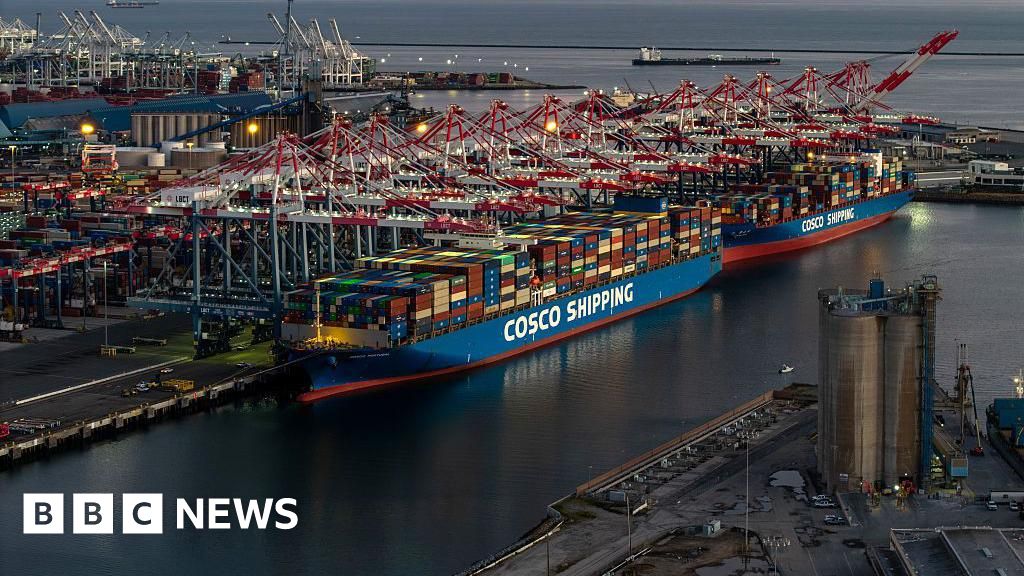
Escalating US-Iran Conflict Disrupts Semiconductor Market
Written by Emily J. Thompson, Senior Investment Analyst
Updated: 1 hour ago
0mins

Should l Buy NVDA?
Source: stocktwits
- Shipping Security Risks: Several vessels were reportedly struck near Iranian waters in the past 24 hours, raising investor concerns about potential disruptions to key shipping routes and global tech supply chains, which triggered a market selloff affecting major semiconductor stocks.
- Semiconductor Stock Declines: TSMC shares fell by 0.8%, Nvidia by 0.7%, and Intel and Broadcom by 0.7% and 0.6% respectively, reflecting market panic over supply chain disruptions that could have significant second-order effects on industries like electronics and automotive.
- Oil Prices Surge: Oil prices spiked above $100 per barrel due to concerns over the Iranian situation, with analysts focusing on potential disruptions to oil supplies while also worrying about impacts on the transport of other goods, further exacerbating market uncertainty.
- New Threats to US Companies: Iran has identified offices and assets linked to major US tech firms as potential targets, raising concerns about cyberattacks and other security risks, which increases investor anxiety regarding companies like Google, Amazon, and Microsoft.
Trade with 70% Backtested Accuracy
Stop guessing "Should I Buy NVDA?" and start using high-conviction signals backed by rigorous historical data.
Sign up today to access powerful investing tools and make smarter, data-driven decisions.
Analyst Views on NVDA
Wall Street analysts forecast NVDA stock price to rise
41 Analyst Rating
39 Buy
1 Hold
1 Sell
Strong Buy
Current: 184.770

Low
200.00
Averages
264.97
High
352.00
Current: 184.770
Low
200.00
Averages
264.97
High
352.00
About NVDA
NVIDIA Corporation is a full-stack computing infrastructure company. The Company is engaged in accelerated computing to help solve the challenging computational problems. The Company’s segments include Compute & Networking and Graphics. The Compute & Networking segment includes its Data Center accelerated computing platforms and artificial intelligence (AI) solutions and software; networking; automotive platforms and autonomous and electric vehicle solutions; Jetson for robotics and other embedded platforms, and DGX Cloud computing services. The Graphics segment includes GeForce GPUs for gaming and PCs, the GeForce NOW game streaming service and related infrastructure, and solutions for gaming platforms; Quadro/NVIDIA RTX GPUs for enterprise workstation graphics; virtual GPU software for cloud-based visual and virtual computing; automotive platforms for infotainment systems, and Omniverse Enterprise software for building and operating industrial AI and digital twin applications.
About the author

Emily J. Thompson
Emily J. Thompson, a Chartered Financial Analyst (CFA) with 12 years in investment research, graduated with honors from the Wharton School. Specializing in industrial and technology stocks, she provides in-depth analysis for Intellectia’s earnings and market brief reports.

Nvidia Stock Pullback Amid Strong Fundamentals

- Stock Pullback: Nvidia's stock has dipped about 1% at the start of 2026, trading near $185 and 11% below its all-time highs; however, the company's business continues to grow at record levels, indicating strong underlying fundamentals.
- Earnings Growth: In fiscal 2026, Nvidia reported earnings per share (EPS) of $4.90, a 67% year-over-year increase, with analysts forecasting EPS to rise to $8.25 in fiscal 2027 and $10.74 in fiscal 2028, reflecting a potential 120% growth in earnings power over two years.
- Revenue Performance: Nvidia generated $68.1 billion in revenue during Q4, marking a 73% year-over-year increase, and analysts predict the company will achieve 70% revenue growth in the coming year, further solidifying its market leadership.
- Market Opportunities: Despite challenges such as trade tensions with China and increased competition, Nvidia is well-positioned to capture demand in multi-trillion-dollar markets through AI infrastructure investments and emerging applications like autonomous systems and physical AI, showcasing a favorable risk-reward profile.
See More

Kite: The First AI Payment Blockchain
- Remarkable Market Performance: Since its launch late last year, Kite's price has surged by 205%, currently boasting a market cap of approximately $513 million, positioning it among the top 100 cryptocurrencies globally, indicating strong market demand and investor interest.
- Significant Investment Potential: With a current price of $0.28, Kite attracts investors looking for bargain-priced cryptocurrencies, reminiscent of early Bitcoin investment opportunities, potentially offering substantial returns for risk-tolerant investors.
- Unique Technological Foundation: Kite is a Layer-1 blockchain specifically designed for autonomous AI agents, serving as a base layer for these agents to manage, trade, and pay for data and services, marking a strategic convergence of AI and blockchain technology.
- Future Growth Expectations: If Kite can compete with Bittensor and reach a market cap of $2.2 billion, investors could see 4-fold returns, with the potential to become a top 10 cryptocurrency, implying a 20-fold investment return, showcasing immense growth potential.
See More

Palantir and Nvidia Collaborate on Sovereign AI Operating System Architecture

- Collaboration Announcement: Palantir and Nvidia have unveiled the AI Operating System Reference Architecture (AIOS-RA), which provides a comprehensive AI data center solution from hardware procurement to application deployment, addressing the growing demand for efficient AI infrastructure among customers.
- Technology Integration: This architecture is based on Nvidia's Enterprise Reference Architectures, tested and validated to run Palantir's complete software suite, including the Artificial Intelligence Platform (AIP), Foundry, Apollo, Rubix, and AIP Hub, ensuring customers can maximize their existing investments.
- Critical Customer Needs: The Sovereign AI architecture is particularly suited for enterprises with existing GPU infrastructure, latency-sensitive workflows, data sovereignty requirements, and high geographic distribution, allowing customers total control over their data, AI models, and applications, thereby enhancing business agility.
- Strategic Implications: According to Palantir's Chief Architect Akshay Krishnaswamy, this collaboration not only optimizes Nvidia's accelerated compute infrastructure but also enables customers to realize the promise of on-premise, edge, and sovereign cloud deployments, further solidifying both companies' leadership positions in the AI sector.
See More

Tesla Shares Increase; Macrohard Comparable to Amazon Web Services.

New Business Initiative: Elon Musk's Macrohard represents Tesla's effort to establish a new business model similar to Amazon Web Services for Amazon.com.
Wordplay on Microsoft: The name "Macrohard" is a play on words referencing Microsoft, highlighting the competitive landscape in the tech industry.
See More
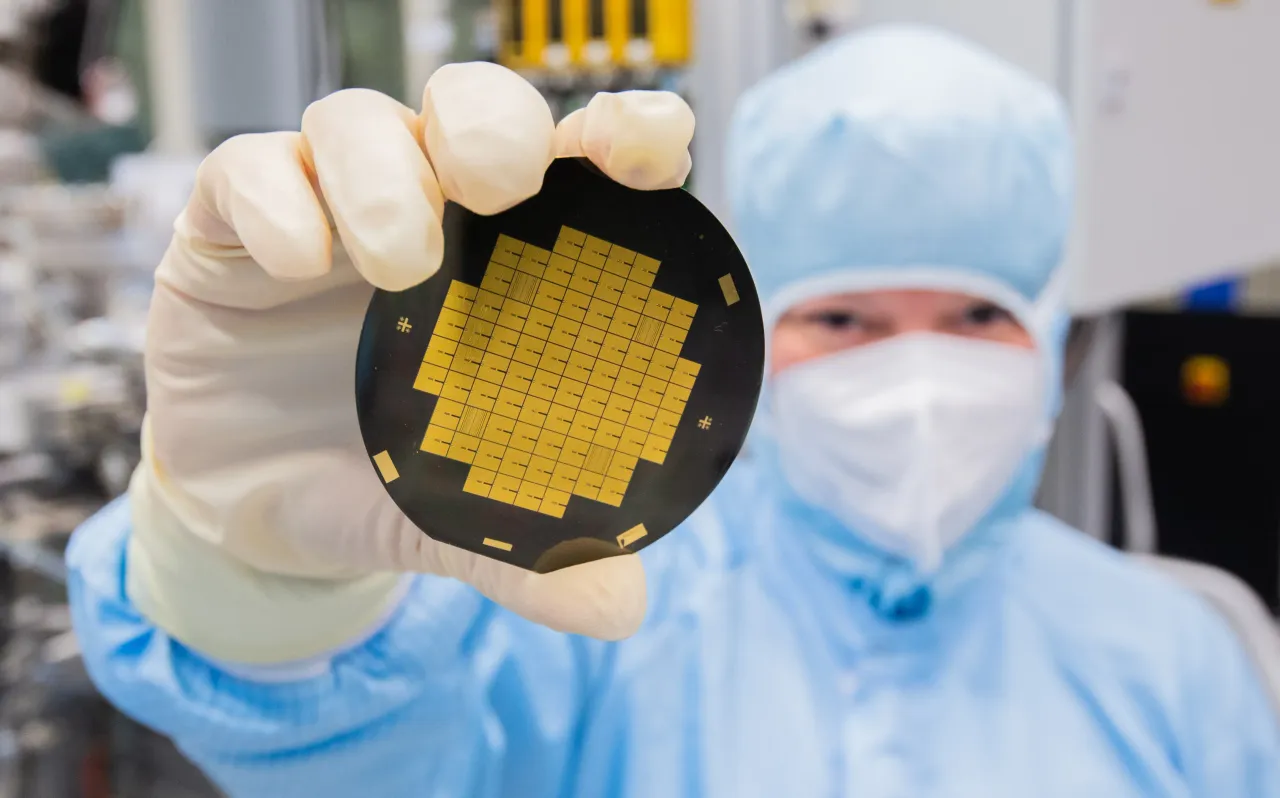
Escalating US-Iran Conflict Disrupts Semiconductor Market
- Shipping Security Risks: Several vessels were reportedly struck near Iranian waters in the past 24 hours, raising investor concerns about potential disruptions to key shipping routes and global tech supply chains, which triggered a market selloff affecting major semiconductor stocks.
- Semiconductor Stock Declines: TSMC shares fell by 0.8%, Nvidia by 0.7%, and Intel and Broadcom by 0.7% and 0.6% respectively, reflecting market panic over supply chain disruptions that could have significant second-order effects on industries like electronics and automotive.
- Oil Prices Surge: Oil prices spiked above $100 per barrel due to concerns over the Iranian situation, with analysts focusing on potential disruptions to oil supplies while also worrying about impacts on the transport of other goods, further exacerbating market uncertainty.
- New Threats to US Companies: Iran has identified offices and assets linked to major US tech firms as potential targets, raising concerns about cyberattacks and other security risks, which increases investor anxiety regarding companies like Google, Amazon, and Microsoft.
See More
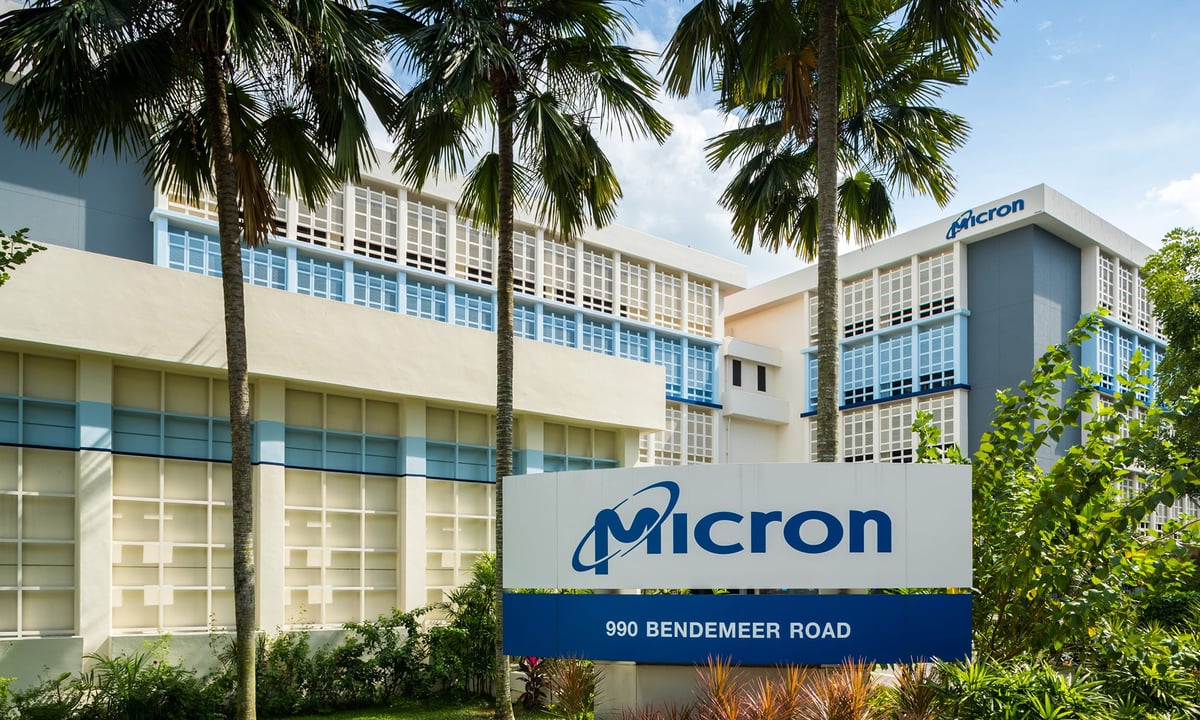
Micron Technology's Rise in the AI Market

- Surging Market Demand: The global high-bandwidth memory market is projected to grow from $35 billion in 2025 to $100 billion by 2028, indicating strong demand for Micron's HBM chips and prompting the company to accelerate investments in manufacturing infrastructure.
- Production Capacity Boost: Micron has presold all the memory it can produce this year, highlighting its critical role in AI infrastructure development and its capability to meet rapidly growing market demands.
- Strong Stock Performance: In 2026, Micron's stock surged by 34%, making it the second-best performer in the Nasdaq-100 index, primarily driven by high demand for HBM chips, reflecting market confidence in its future growth.
- Competitive Landscape Analysis: While Micron holds an advantage in memory solutions, its market moat is weaker compared to Nvidia, suggesting that in the long run, Nvidia's diversified business model may allow it to maintain a leading position in the AI sector.
See More
Nvidia Stock Pullback Amid Strong Fundamentals
- Stock Pullback: Nvidia's stock has dipped about 1% at the start of 2026, trading near $185 and 11% below its all-time highs; however, the company's business continues to grow at record levels, indicating strong underlying fundamentals.
- Earnings Growth: In fiscal 2026, Nvidia reported earnings per share (EPS) of $4.90, a 67% year-over-year increase, with analysts forecasting EPS to rise to $8.25 in fiscal 2027 and $10.74 in fiscal 2028, reflecting a potential 120% growth in earnings power over two years.
- Revenue Performance: Nvidia generated $68.1 billion in revenue during Q4, marking a 73% year-over-year increase, and analysts predict the company will achieve 70% revenue growth in the coming year, further solidifying its market leadership.
- Market Opportunities: Despite challenges such as trade tensions with China and increased competition, Nvidia is well-positioned to capture demand in multi-trillion-dollar markets through AI infrastructure investments and emerging applications like autonomous systems and physical AI, showcasing a favorable risk-reward profile.
See More
Kite: The First AI Payment Blockchain
- Remarkable Market Performance: Since its launch late last year, Kite's price has surged by 205%, currently boasting a market cap of approximately $513 million, positioning it among the top 100 cryptocurrencies globally, indicating strong market demand and investor interest.
- Significant Investment Potential: With a current price of $0.28, Kite attracts investors looking for bargain-priced cryptocurrencies, reminiscent of early Bitcoin investment opportunities, potentially offering substantial returns for risk-tolerant investors.
- Unique Technological Foundation: Kite is a Layer-1 blockchain specifically designed for autonomous AI agents, serving as a base layer for these agents to manage, trade, and pay for data and services, marking a strategic convergence of AI and blockchain technology.
- Future Growth Expectations: If Kite can compete with Bittensor and reach a market cap of $2.2 billion, investors could see 4-fold returns, with the potential to become a top 10 cryptocurrency, implying a 20-fold investment return, showcasing immense growth potential.
See More
Palantir and Nvidia Collaborate on Sovereign AI Operating System Architecture
- Collaboration Announcement: Palantir and Nvidia have unveiled the AI Operating System Reference Architecture (AIOS-RA), which provides a comprehensive AI data center solution from hardware procurement to application deployment, addressing the growing demand for efficient AI infrastructure among customers.
- Technology Integration: This architecture is based on Nvidia's Enterprise Reference Architectures, tested and validated to run Palantir's complete software suite, including the Artificial Intelligence Platform (AIP), Foundry, Apollo, Rubix, and AIP Hub, ensuring customers can maximize their existing investments.
- Critical Customer Needs: The Sovereign AI architecture is particularly suited for enterprises with existing GPU infrastructure, latency-sensitive workflows, data sovereignty requirements, and high geographic distribution, allowing customers total control over their data, AI models, and applications, thereby enhancing business agility.
- Strategic Implications: According to Palantir's Chief Architect Akshay Krishnaswamy, this collaboration not only optimizes Nvidia's accelerated compute infrastructure but also enables customers to realize the promise of on-premise, edge, and sovereign cloud deployments, further solidifying both companies' leadership positions in the AI sector.
See More
Tesla Shares Increase; Macrohard Comparable to Amazon Web Services.
New Business Initiative: Elon Musk's Macrohard represents Tesla's effort to establish a new business model similar to Amazon Web Services for Amazon.com.
Wordplay on Microsoft: The name "Macrohard" is a play on words referencing Microsoft, highlighting the competitive landscape in the tech industry.
See More
Escalating US-Iran Conflict Disrupts Semiconductor Market
- Shipping Security Risks: Several vessels were reportedly struck near Iranian waters in the past 24 hours, raising investor concerns about potential disruptions to key shipping routes and global tech supply chains, which triggered a market selloff affecting major semiconductor stocks.
- Semiconductor Stock Declines: TSMC shares fell by 0.8%, Nvidia by 0.7%, and Intel and Broadcom by 0.7% and 0.6% respectively, reflecting market panic over supply chain disruptions that could have significant second-order effects on industries like electronics and automotive.
- Oil Prices Surge: Oil prices spiked above $100 per barrel due to concerns over the Iranian situation, with analysts focusing on potential disruptions to oil supplies while also worrying about impacts on the transport of other goods, further exacerbating market uncertainty.
- New Threats to US Companies: Iran has identified offices and assets linked to major US tech firms as potential targets, raising concerns about cyberattacks and other security risks, which increases investor anxiety regarding companies like Google, Amazon, and Microsoft.
See More
Micron Technology's Rise in the AI Market
- Surging Market Demand: The global high-bandwidth memory market is projected to grow from $35 billion in 2025 to $100 billion by 2028, indicating strong demand for Micron's HBM chips and prompting the company to accelerate investments in manufacturing infrastructure.
- Production Capacity Boost: Micron has presold all the memory it can produce this year, highlighting its critical role in AI infrastructure development and its capability to meet rapidly growing market demands.
- Strong Stock Performance: In 2026, Micron's stock surged by 34%, making it the second-best performer in the Nasdaq-100 index, primarily driven by high demand for HBM chips, reflecting market confidence in its future growth.
- Competitive Landscape Analysis: While Micron holds an advantage in memory solutions, its market moat is weaker compared to Nvidia, suggesting that in the long run, Nvidia's diversified business model may allow it to maintain a leading position in the AI sector.
See More