Energy Stocks Mixed as NYSE Energy Sector Index Declines
Written by Emily J. Thompson, Senior Investment Analyst
Updated: Mar 20 2026
0mins

Should l Buy E?
Source: Yahoo Finance
- Market Performance: Energy stocks showed mixed results late Friday afternoon, with the NYSE Energy Sector Index declining by 0.4%, indicating a divergence in market sentiment that could affect investor confidence.
- Investor Reaction: Despite overall market volatility, some investors may seize this opportunity for bargain hunting, particularly against the backdrop of fluctuating energy prices, which could influence future investment strategies.
- Industry Dynamics: The performance of the energy sector is closely tied to the fluctuations in oil and gas prices, prompting investors to monitor global supply and demand changes that may impact energy stocks.
- Future Outlook: As market attention shifts towards renewable energy, traditional energy stocks may face challenges, necessitating investors to assess the implications of industry transformation on long-term investments.
Trade with 70% Backtested Accuracy
Stop guessing "Should I Buy E?" and start using high-conviction signals backed by rigorous historical data.
Sign up today to access powerful investing tools and make smarter, data-driven decisions.
Analyst Views on E
Wall Street analysts forecast E stock price to fall
3 Analyst Rating
1 Buy
2 Hold
0 Sell
Moderate Buy
Current: 52.250

Low
17.45
Averages
18.45
High
19.45
Current: 52.250
Low
17.45
Averages
18.45
High
19.45
About E
Eni SpA (Eni) is an Italy-based company engaged in the exploration, development and production of hydrocarbons, in the supply and marketing of gas, liquefied natural gas (LNG) and power, in the refining and marketing of petroleum products, in the production and marketing of basic petrochemicals, plastics and elastomers and in commodity trading. The Company's segments include Exploration & Production, Gas & Power, and Refining & Marketing. Its Exploration & Production segment engages in oil and natural gas exploration and field development and production, as well as LNG operations in over 40 countries, including Italy, Libya, Egypt, Norway, the United Kingdom, Angola, Congo, Nigeria, the United States, Kazakhstan, Algeria, Australia, Venezuela, Iraq, Ghana and Mozambique. Its Gas & Power segment engages in supply, trading and marketing of gas, LNG and electricity, international gas transport activities and commodity trading and derivatives.
About the author

Emily J. Thompson
Emily J. Thompson, a Chartered Financial Analyst (CFA) with 12 years in investment research, graduated with honors from the Wharton School. Specializing in industrial and technology stocks, she provides in-depth analysis for Intellectia’s earnings and market brief reports.

Energy Stocks Rise as NYSE Energy Sector Index Gains 1%


- Market Recovery: Energy stocks were generally higher on Monday afternoon, with the NYSE Energy Sector Index rising by 1%, indicating a gradual recovery in market confidence towards the energy sector, likely driven by a rebound in oil prices.
- Improved Investor Sentiment: The rise in energy stocks reflects an improvement in investor sentiment, showcasing optimism regarding future energy demand, particularly in the context of a global economic recovery.
- Positive Industry Outlook: Analysts note that the fundamentals of the energy sector remain strong, with expectations of continued benefits from supply chain recovery and demand growth in the coming months, further driving stock price increases.
- Reduced Market Volatility: The increase in energy stocks may also help reduce overall market volatility, attracting more investors to focus on this sector and enhancing market stability.
See More
Italian PM Dismisses Leonardo CEO Amid Leadership Changes
- Leadership Shakeup: Italian Prime Minister Meloni's decision to dismiss Leonardo CEO Roberto Cingolani and appoint veteran Lorenzo Mariani reflects a reassessment of corporate governance amid political pressures following a failed referendum.
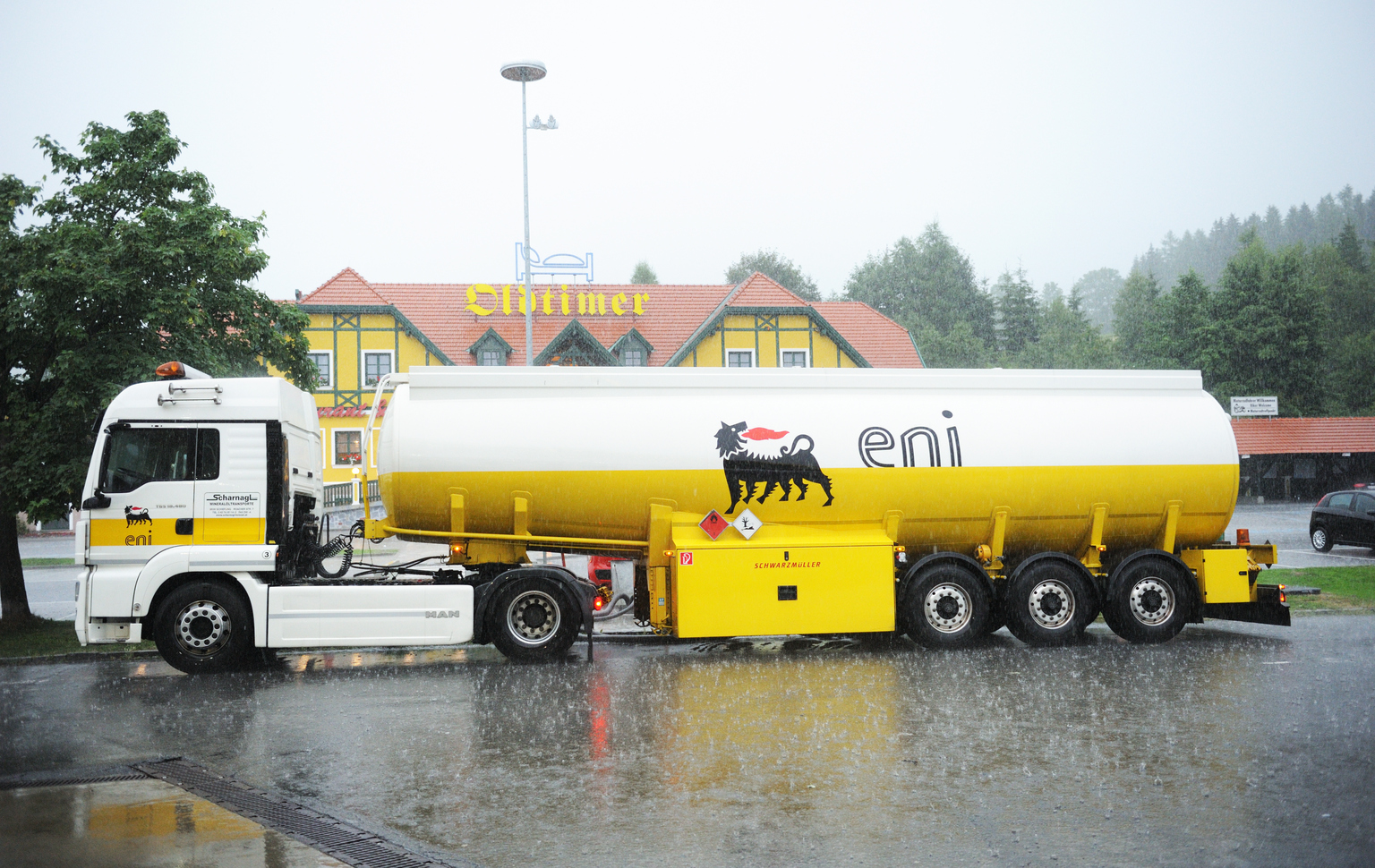
- Energy Company Stability: Despite the leadership change at Leonardo, the Italian government has opted to renew Eni CEO Claudio Descalzi and Enel CEO Flavio Cattaneo, ensuring management continuity in a complex geopolitical context.
- Market Reaction: Leonardo's shares fell over 5% following the CEO change announcement, indicating market sensitivity to leadership transitions and potential investor concerns regarding the company's future performance.
- Strategic Implications: Descalzi's renewal is viewed positively due to his achievements in strengthening the upstream business and advancing decarbonization, highlighting the Italian government's commitment to stability and long-term growth strategies in the energy sector.
See More

Greenland Energy Company Advances Oil Exploration Efforts

- Increased Focus on Energy Security: Ongoing instability in the Middle East has intensified concerns about the resilience of global energy supply networks, with the Strait of Hormuz responsible for approximately 20% of global oil consumption, prompting policymakers in North America and Europe to emphasize the importance of diversifying energy sources to reduce reliance on vulnerable transit routes.
- Significant Exploration Potential: Greenland Energy Company's primary asset in the Jameson Land Basin is estimated to contain up to 13 billion barrels of oil, which, if successfully developed, could rank among the most significant oil discoveries globally, profoundly impacting regional and global energy markets.
- Strategic Partnerships Enhance Capability: The company has secured drilling capacity through strategic agreements and plans to acquire rights to approximately 70% of the Jameson Land Basin, covering around two million acres, significantly increasing its exposure to the resource base and providing crucial support for future development.
- Experienced Leadership Team: The appointment of Joe Moglia, with his background in financial markets and corporate governance, will provide valuable guidance for the company’s capital market engagement and regulatory oversight, ensuring effective advancement of exploration projects in a complex financial and regulatory environment.
See More
Eni Invests $70M in Nouveau Monde Graphite for Strategic Supply Access

- Investment Scale: Eni (E) is investing $70 million in Nouveau Monde Graphite (NMG) as part of a larger $297 million capital raise, indicating Eni's strategic focus on the natural graphite market and its role in battery materials.
- Equity and Board Seat: Through this deal, Eni is expected to hold approximately 11.5% of NMG and secure a board seat, which not only enhances its influence in company decisions but also lays the groundwork for negotiating exclusive supply agreements.
- Supply Chain Integration: This investment will provide Eni access to natural graphite, a critical input for lithium-ion batteries, thereby strengthening its position within the critical minerals value chain and supporting growth in electric mobility and energy storage sectors.
- Project Funding Support: The proceeds will fund the development of the Matawinie graphite mine and support operations at the Bécancour battery materials plant in Quebec, which is expected to enhance overall supply chain efficiency and sustainability.
See More
Libya's NOC Announces Trio of Oil and Gas Discoveries
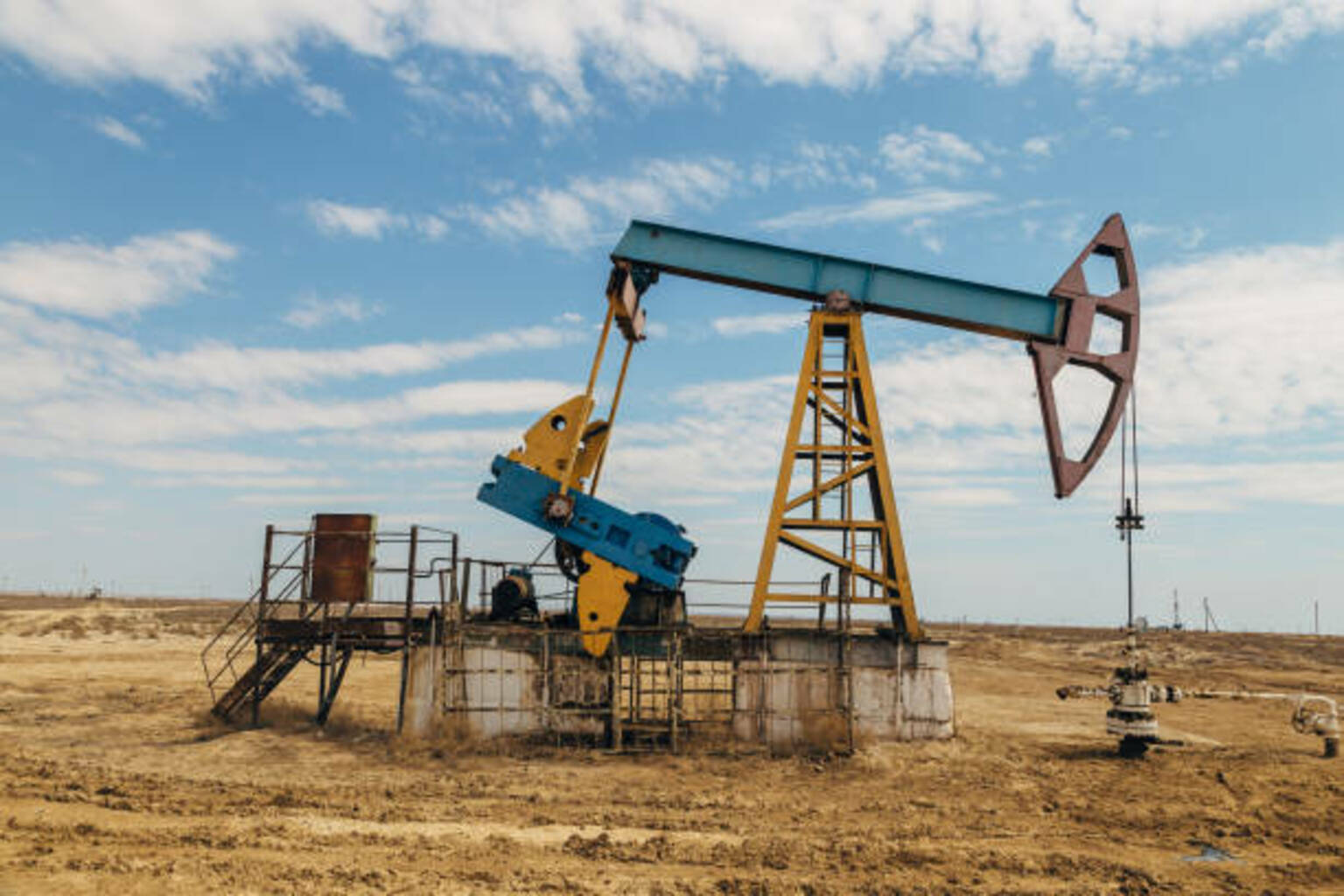
- Offshore Gas Discovery: Libya's National Oil Corporation, in collaboration with Italy's Eni, confirmed a new gas discovery offshore western Libya at a depth of 10,458 feet, with flow rates of 14M cf and 24M cf, significantly enhancing the region's energy potential and likely attracting further investment.
- New Oil Well in Murzuq Basin: In partnership with Spain's Repsol, NOC reported a new oil discovery in the Murzuq Basin, approximately 800 km south of Tripoli, with a well depth of 4,325 feet producing an average of 763 bbl/day, further solidifying Libya's position in the global oil market.
- Wafa Oil and Gas Exploration: Collaborating with Algeria's Sonatrach, a new well drilled near the Wafa field in the Ghadames Basin reached 8,440 feet, flowing at 13M cf/day of gas and 327 bbl/day of condensates, showcasing the diverse resource potential of the region.
- Revival of Exploration Activities: As exploration activities regain traction in Libya's key producing regions, these discoveries by NOC not only enhance the country's energy self-sufficiency but also promote collaboration with international energy companies, potentially driving economic recovery.
See More
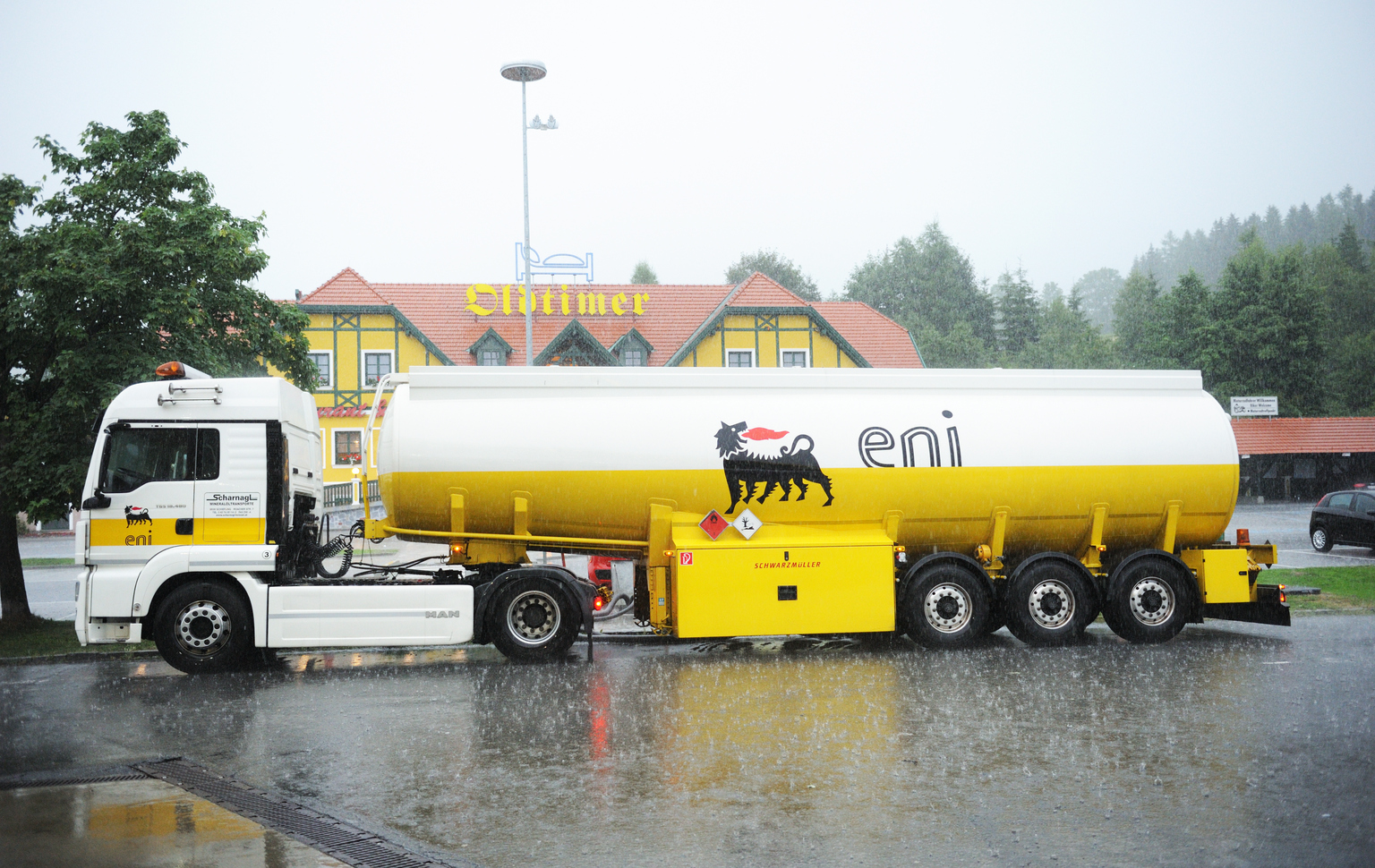
Eni Discovers Significant Gas Reserves Offshore Egypt
- Major Discovery: Eni announced a significant gas and condensate discovery at the Denise W-1 exploration well in the Temsah concession, with preliminary estimates indicating approximately 2 trillion cubic feet of gas and 130 barrels of associated condensates, greatly enhancing Egypt's gas reserves.
- Development Potential: The discovery is located 70 km offshore in 95 meters of water depth and less than 10 km from existing infrastructure, enabling substantial synergies for fast-tracked development and accelerating production timelines.
- Collaborative Model: Eni operates the Denise development lease with a 50% working interest alongside BP, with operations conducted through Petrobel, Eni's joint venture with Egypt's state-owned oil company EGPC, ensuring smooth project execution.
- Strategic Implications: This discovery not only supports Egypt's goal of boosting gas production but also strengthens Eni's market position in the region, further solidifying its competitiveness in the global energy market.
See More
Energy Stocks Rise as NYSE Energy Sector Index Gains 1%
- Market Recovery: Energy stocks were generally higher on Monday afternoon, with the NYSE Energy Sector Index rising by 1%, indicating a gradual recovery in market confidence towards the energy sector, likely driven by a rebound in oil prices.
- Improved Investor Sentiment: The rise in energy stocks reflects an improvement in investor sentiment, showcasing optimism regarding future energy demand, particularly in the context of a global economic recovery.
- Positive Industry Outlook: Analysts note that the fundamentals of the energy sector remain strong, with expectations of continued benefits from supply chain recovery and demand growth in the coming months, further driving stock price increases.
- Reduced Market Volatility: The increase in energy stocks may also help reduce overall market volatility, attracting more investors to focus on this sector and enhancing market stability.
See More
Italian PM Dismisses Leonardo CEO Amid Leadership Changes
- Leadership Shakeup: Italian Prime Minister Meloni's decision to dismiss Leonardo CEO Roberto Cingolani and appoint veteran Lorenzo Mariani reflects a reassessment of corporate governance amid political pressures following a failed referendum.
- Energy Company Stability: Despite the leadership change at Leonardo, the Italian government has opted to renew Eni CEO Claudio Descalzi and Enel CEO Flavio Cattaneo, ensuring management continuity in a complex geopolitical context.
- Market Reaction: Leonardo's shares fell over 5% following the CEO change announcement, indicating market sensitivity to leadership transitions and potential investor concerns regarding the company's future performance.
- Strategic Implications: Descalzi's renewal is viewed positively due to his achievements in strengthening the upstream business and advancing decarbonization, highlighting the Italian government's commitment to stability and long-term growth strategies in the energy sector.
See More
Greenland Energy Company Advances Oil Exploration Efforts
- Increased Focus on Energy Security: Ongoing instability in the Middle East has intensified concerns about the resilience of global energy supply networks, with the Strait of Hormuz responsible for approximately 20% of global oil consumption, prompting policymakers in North America and Europe to emphasize the importance of diversifying energy sources to reduce reliance on vulnerable transit routes.
- Significant Exploration Potential: Greenland Energy Company's primary asset in the Jameson Land Basin is estimated to contain up to 13 billion barrels of oil, which, if successfully developed, could rank among the most significant oil discoveries globally, profoundly impacting regional and global energy markets.
- Strategic Partnerships Enhance Capability: The company has secured drilling capacity through strategic agreements and plans to acquire rights to approximately 70% of the Jameson Land Basin, covering around two million acres, significantly increasing its exposure to the resource base and providing crucial support for future development.
- Experienced Leadership Team: The appointment of Joe Moglia, with his background in financial markets and corporate governance, will provide valuable guidance for the company’s capital market engagement and regulatory oversight, ensuring effective advancement of exploration projects in a complex financial and regulatory environment.
See More
Eni Invests $70M in Nouveau Monde Graphite for Strategic Supply Access
- Investment Scale: Eni (E) is investing $70 million in Nouveau Monde Graphite (NMG) as part of a larger $297 million capital raise, indicating Eni's strategic focus on the natural graphite market and its role in battery materials.
- Equity and Board Seat: Through this deal, Eni is expected to hold approximately 11.5% of NMG and secure a board seat, which not only enhances its influence in company decisions but also lays the groundwork for negotiating exclusive supply agreements.
- Supply Chain Integration: This investment will provide Eni access to natural graphite, a critical input for lithium-ion batteries, thereby strengthening its position within the critical minerals value chain and supporting growth in electric mobility and energy storage sectors.
- Project Funding Support: The proceeds will fund the development of the Matawinie graphite mine and support operations at the Bécancour battery materials plant in Quebec, which is expected to enhance overall supply chain efficiency and sustainability.
See More
Libya's NOC Announces Trio of Oil and Gas Discoveries
- Offshore Gas Discovery: Libya's National Oil Corporation, in collaboration with Italy's Eni, confirmed a new gas discovery offshore western Libya at a depth of 10,458 feet, with flow rates of 14M cf and 24M cf, significantly enhancing the region's energy potential and likely attracting further investment.
- New Oil Well in Murzuq Basin: In partnership with Spain's Repsol, NOC reported a new oil discovery in the Murzuq Basin, approximately 800 km south of Tripoli, with a well depth of 4,325 feet producing an average of 763 bbl/day, further solidifying Libya's position in the global oil market.
- Wafa Oil and Gas Exploration: Collaborating with Algeria's Sonatrach, a new well drilled near the Wafa field in the Ghadames Basin reached 8,440 feet, flowing at 13M cf/day of gas and 327 bbl/day of condensates, showcasing the diverse resource potential of the region.
- Revival of Exploration Activities: As exploration activities regain traction in Libya's key producing regions, these discoveries by NOC not only enhance the country's energy self-sufficiency but also promote collaboration with international energy companies, potentially driving economic recovery.
See More
Eni Discovers Significant Gas Reserves Offshore Egypt
- Major Discovery: Eni announced a significant gas and condensate discovery at the Denise W-1 exploration well in the Temsah concession, with preliminary estimates indicating approximately 2 trillion cubic feet of gas and 130 barrels of associated condensates, greatly enhancing Egypt's gas reserves.
- Development Potential: The discovery is located 70 km offshore in 95 meters of water depth and less than 10 km from existing infrastructure, enabling substantial synergies for fast-tracked development and accelerating production timelines.
- Collaborative Model: Eni operates the Denise development lease with a 50% working interest alongside BP, with operations conducted through Petrobel, Eni's joint venture with Egypt's state-owned oil company EGPC, ensuring smooth project execution.
- Strategic Implications: This discovery not only supports Egypt's goal of boosting gas production but also strengthens Eni's market position in the region, further solidifying its competitiveness in the global energy market.
See More