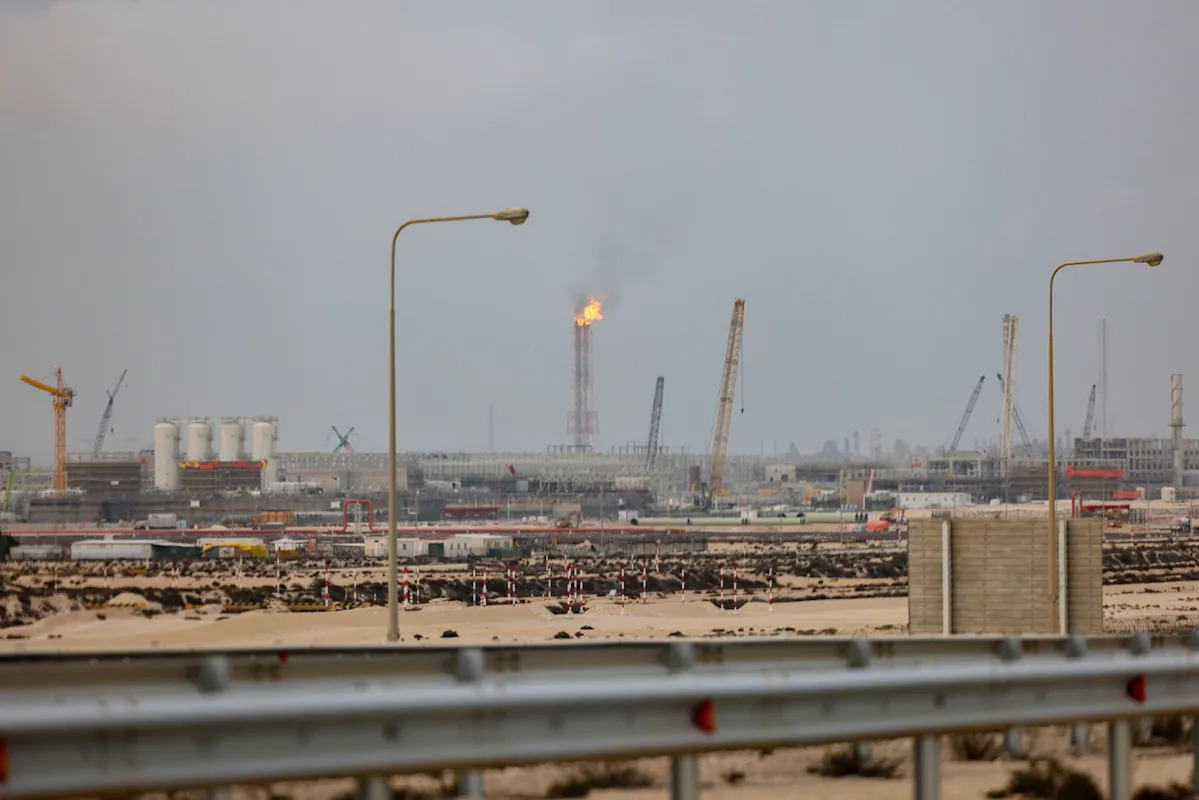
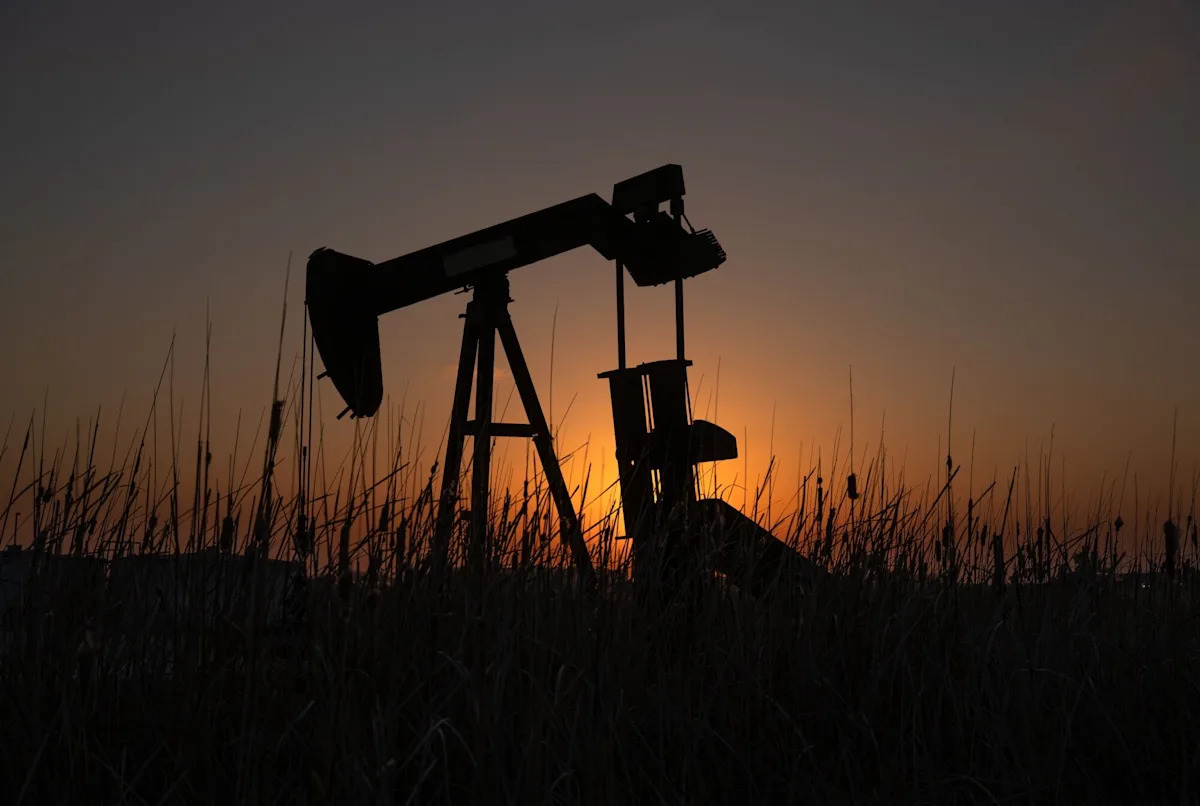
Energy Stocks Decline as NYSE Energy Sector Index Falls 2.3%
Written by Emily J. Thompson, Senior Investment Analyst
Updated: Jan 06 2026
0mins


Should l Buy SHEL?
Source: Yahoo Finance
- Market Weakness: Energy stocks were broadly lower on Tuesday afternoon, with the NYSE Energy Sector Index decreasing by 2.3%, reflecting market concerns over energy demand prospects, which could weaken investor confidence.
- Investor Reaction: This downward trend may prompt investors to reassess their portfolios in the energy sector, particularly amid increasing global economic uncertainty, potentially affecting future capital inflows.
- Industry Impact: The decline in energy stocks could negatively affect the share prices of related companies, especially those reliant on high oil prices, further intensifying competitive pressures within the industry.
- Market Trends: As energy prices become more volatile, investors may shift towards other sectors in search of more stable returns, thereby impacting the long-term performance and structure of energy stocks.
Trade with 70% Backtested Accuracy
Stop guessing "Should I Buy SHEL?" and start using high-conviction signals backed by rigorous historical data.
Sign up today to access powerful investing tools and make smarter, data-driven decisions.
Analyst Views on SHEL
Wall Street analysts forecast SHEL stock price to fall
10 Analyst Rating
5 Buy
5 Hold
0 Sell
Moderate Buy
Current: 92.750

Low
41.75
Averages
74.27
High
91.00
Current: 92.750
Low
41.75
Averages
74.27
High
91.00
About SHEL
Shell plc is an international energy company engaged in the principal aspects of the energy and petrochemical industries. The Company's segments include Integrated Gas, Upstream, Marketing, Chemicals and Products, Renewables and Energy Solutions, and Corporate. The Integrated Gas segment includes liquefied natural gas (LNG), conversion of natural gas into gas-to-liquids (GTL) fuels and other products. It includes natural gas and liquids exploration and extraction, and the operation of the upstream and midstream infrastructure. The Upstream segment includes exploration and extraction of crude oil, natural gas and natural gas liquids. It also markets and transports oil and gas and operates the infrastructure necessary to deliver them to the market. The Marketing segment comprises the Mobility, Lubricants, and Sectors & Decarbonization businesses. The Chemicals and Products segment includes chemicals manufacturing plants with their own marketing network, and refineries.
About the author

Emily J. Thompson
Emily J. Thompson, a Chartered Financial Analyst (CFA) with 12 years in investment research, graduated with honors from the Wharton School. Specializing in industrial and technology stocks, she provides in-depth analysis for Intellectia’s earnings and market brief reports.
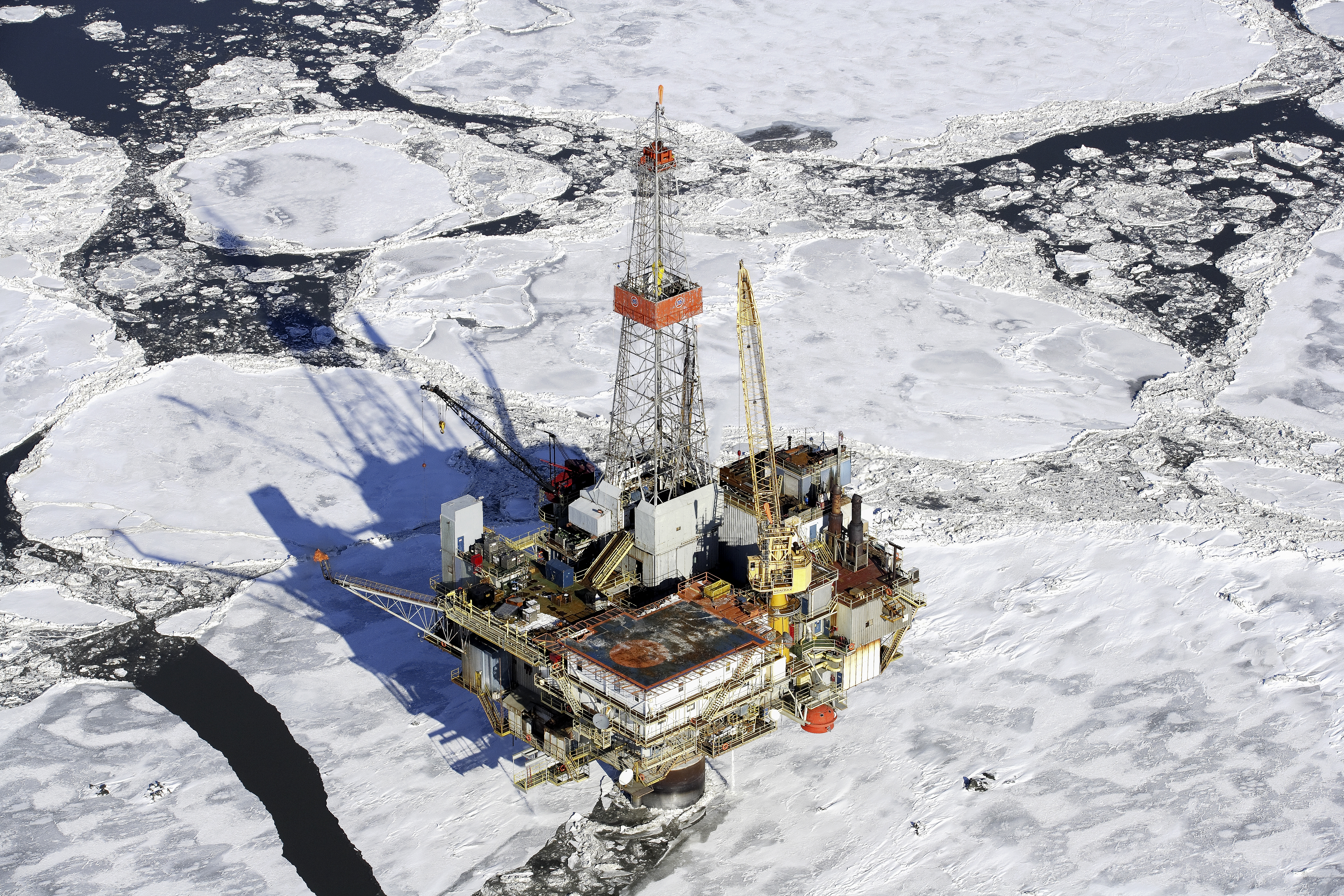
U.S. Government Achieves Record Oil and Gas Lease Sale in Alaska
- Auction Success: The U.S. government achieved a record-breaking $163 million in bids during its first oil and gas lease sale in Alaska's National Petroleum Reserve in seven years, indicating strong market demand for energy resources.
- Company Participation: Eleven companies submitted bids on 187 tracts totaling approximately 1.3 million acres, reflecting significant industry interest in Alaska's resources, especially after a seven-year hiatus in leasing activities.
- Major Bidders: A joint venture between Repsol and Shell emerged as the top spender, bidding nearly $94 million for 42 tracts, showcasing their strategic positioning and confidence in future energy development in Alaska.
- Policy Context: Under the One Big Beautiful Bill Act passed last year, the BLM is required to conduct at least five lease sales in the reserve by 2035, each offering no less than 4 million acres, which will further stimulate energy development and investment in Alaska.
See More
Shell Shares Drop After Attack on Qatar Plant
- Plant Damage Report: Shell's Pearl GTL facility in Qatar sustained 'extensive damage' due to an attack on Ras Laffan Industrial City, although the fire has been extinguished and the site is now deemed 'safe'.
- Production Capacity Impact: The Pearl GTL plant has the capacity to process up to 1.6 Bcf/day of wellhead gas and convert it into 140,000 barrels/day of fuel, including gasoil, kerosene, and base oil, with the attack potentially affecting its operational output.
- Market Reaction: Following the news, Shell's shares fell 1.3% in pre-market trading, indicating market concerns regarding the potential impact of the incident on the company's operations and financial health, particularly in an uncertain energy market.
- Industry Implications: QatarEnergy reported that missile attacks also caused 'sizable fires and extensive further damage' to several of its liquefied natural gas facilities, which could have a cascading effect on the region's energy supply chain.
See More
Shell Expects Strong Growth in LNG Demand
- Demand Growth Outlook: Shell anticipates that liquefied natural gas (LNG) will account for over 50% of global natural gas demand growth by 2040, indicating robust demand, particularly from Asian markets.
- Positive Long-Term Outlook: Despite the volatility in oil and gas trade caused by the Iran conflict, Shell maintains a positive long-term outlook for LNG, projecting a 54%-68% increase in global demand by 2040.
- Investment Supercycle: The LNG industry is entering a new investment supercycle, with major projects in the U.S. and Qatar expected to significantly boost supply starting this year, driving market expansion.
- Sales Growth Plan: Shell plans to increase its LNG sales by 4%-5% annually through 2030, although the market could expand nearly 40% by 2030, the timing remains uncertain due to delays in large-scale projects.
See More

Shell Announces Fourth Quarter 2025 Dividend Payments
- Dividend Payment Details: Shell has announced a fourth quarter 2025 dividend of $0.372 per share, €0.3227, or 27.87 pence, reflecting the company's ongoing profitability and commitment to shareholder returns.
- Multi-Currency Options: Shareholders can elect to receive dividends in USD, EUR, or GBP, with a deadline of March 6, 2026, enhancing shareholder satisfaction and potentially attracting more investors due to this flexibility.
- Payment Schedule: The dividend will be payable on March 30, 2026, ensuring that shareholders registered by February 20, 2026, receive timely returns, which underscores the company's commitment to shareholder rights.
- Tax Advisory Note: The announcement advises shareholders to consult tax advisors regarding dividend tax treatment, demonstrating the company's emphasis on compliance and transparency to mitigate potential legal risks.
See More

ABB CEO: AI Bubble Likely to Persist, but Some Debt-Funded AI Firms May Struggle to Survive


AI Bubble Concerns: The CEO of ABB expresses skepticism about the sustainability of the current AI boom, suggesting it may not last.
Debt-Financed Companies at Risk: Companies that have heavily relied on debt financing may face significant challenges and potential failure in the evolving market landscape.
See More

Major Averages Decline Amid Oil Price Volatility

- Market Impact from Oil Prices: The major averages, including the Dow, fell over 400 points as oil prices surged above $100 earlier in the week, reflecting traders' concerns over volatile energy prices and geopolitical tensions in the Middle East.
- IEA's Strategic Release: The International Energy Agency's decision to release approximately 400 million barrels from strategic reserves aims to stabilize energy markets following supply shocks due to conflicts, which could help mitigate extreme oil price fluctuations.
- Inflation Data Reaction: Recent inflation data showed a 0.3% month-over-month increase in the consumer price index and a 2.4% year-over-year rise, both aligning with consensus expectations, indicating persistent inflationary pressures that may influence future monetary policy decisions.
- Escalating Geopolitical Risks: U.S. forces sunk several Iranian ships near the Strait of Hormuz, heightening the fragility of global energy supply routes and contributing to unstable market sentiment, prompting investors to adopt a cautious stance regarding future market movements.
See More
U.S. Government Achieves Record Oil and Gas Lease Sale in Alaska
- Auction Success: The U.S. government achieved a record-breaking $163 million in bids during its first oil and gas lease sale in Alaska's National Petroleum Reserve in seven years, indicating strong market demand for energy resources.
- Company Participation: Eleven companies submitted bids on 187 tracts totaling approximately 1.3 million acres, reflecting significant industry interest in Alaska's resources, especially after a seven-year hiatus in leasing activities.
- Major Bidders: A joint venture between Repsol and Shell emerged as the top spender, bidding nearly $94 million for 42 tracts, showcasing their strategic positioning and confidence in future energy development in Alaska.
- Policy Context: Under the One Big Beautiful Bill Act passed last year, the BLM is required to conduct at least five lease sales in the reserve by 2035, each offering no less than 4 million acres, which will further stimulate energy development and investment in Alaska.
See More
Shell Shares Drop After Attack on Qatar Plant
- Plant Damage Report: Shell's Pearl GTL facility in Qatar sustained 'extensive damage' due to an attack on Ras Laffan Industrial City, although the fire has been extinguished and the site is now deemed 'safe'.
- Production Capacity Impact: The Pearl GTL plant has the capacity to process up to 1.6 Bcf/day of wellhead gas and convert it into 140,000 barrels/day of fuel, including gasoil, kerosene, and base oil, with the attack potentially affecting its operational output.
- Market Reaction: Following the news, Shell's shares fell 1.3% in pre-market trading, indicating market concerns regarding the potential impact of the incident on the company's operations and financial health, particularly in an uncertain energy market.
- Industry Implications: QatarEnergy reported that missile attacks also caused 'sizable fires and extensive further damage' to several of its liquefied natural gas facilities, which could have a cascading effect on the region's energy supply chain.
See More
Shell Expects Strong Growth in LNG Demand
- Demand Growth Outlook: Shell anticipates that liquefied natural gas (LNG) will account for over 50% of global natural gas demand growth by 2040, indicating robust demand, particularly from Asian markets.
- Positive Long-Term Outlook: Despite the volatility in oil and gas trade caused by the Iran conflict, Shell maintains a positive long-term outlook for LNG, projecting a 54%-68% increase in global demand by 2040.
- Investment Supercycle: The LNG industry is entering a new investment supercycle, with major projects in the U.S. and Qatar expected to significantly boost supply starting this year, driving market expansion.
- Sales Growth Plan: Shell plans to increase its LNG sales by 4%-5% annually through 2030, although the market could expand nearly 40% by 2030, the timing remains uncertain due to delays in large-scale projects.
See More
Shell Announces Fourth Quarter 2025 Dividend Payments
- Dividend Payment Details: Shell has announced a fourth quarter 2025 dividend of $0.372 per share, €0.3227, or 27.87 pence, reflecting the company's ongoing profitability and commitment to shareholder returns.
- Multi-Currency Options: Shareholders can elect to receive dividends in USD, EUR, or GBP, with a deadline of March 6, 2026, enhancing shareholder satisfaction and potentially attracting more investors due to this flexibility.
- Payment Schedule: The dividend will be payable on March 30, 2026, ensuring that shareholders registered by February 20, 2026, receive timely returns, which underscores the company's commitment to shareholder rights.
- Tax Advisory Note: The announcement advises shareholders to consult tax advisors regarding dividend tax treatment, demonstrating the company's emphasis on compliance and transparency to mitigate potential legal risks.
See More
ABB CEO: AI Bubble Likely to Persist, but Some Debt-Funded AI Firms May Struggle to Survive
AI Bubble Concerns: The CEO of ABB expresses skepticism about the sustainability of the current AI boom, suggesting it may not last.
Debt-Financed Companies at Risk: Companies that have heavily relied on debt financing may face significant challenges and potential failure in the evolving market landscape.
See More
Major Averages Decline Amid Oil Price Volatility
- Market Impact from Oil Prices: The major averages, including the Dow, fell over 400 points as oil prices surged above $100 earlier in the week, reflecting traders' concerns over volatile energy prices and geopolitical tensions in the Middle East.
- IEA's Strategic Release: The International Energy Agency's decision to release approximately 400 million barrels from strategic reserves aims to stabilize energy markets following supply shocks due to conflicts, which could help mitigate extreme oil price fluctuations.
- Inflation Data Reaction: Recent inflation data showed a 0.3% month-over-month increase in the consumer price index and a 2.4% year-over-year rise, both aligning with consensus expectations, indicating persistent inflationary pressures that may influence future monetary policy decisions.
- Escalating Geopolitical Risks: U.S. forces sunk several Iranian ships near the Strait of Hormuz, heightening the fragility of global energy supply routes and contributing to unstable market sentiment, prompting investors to adopt a cautious stance regarding future market movements.
See More