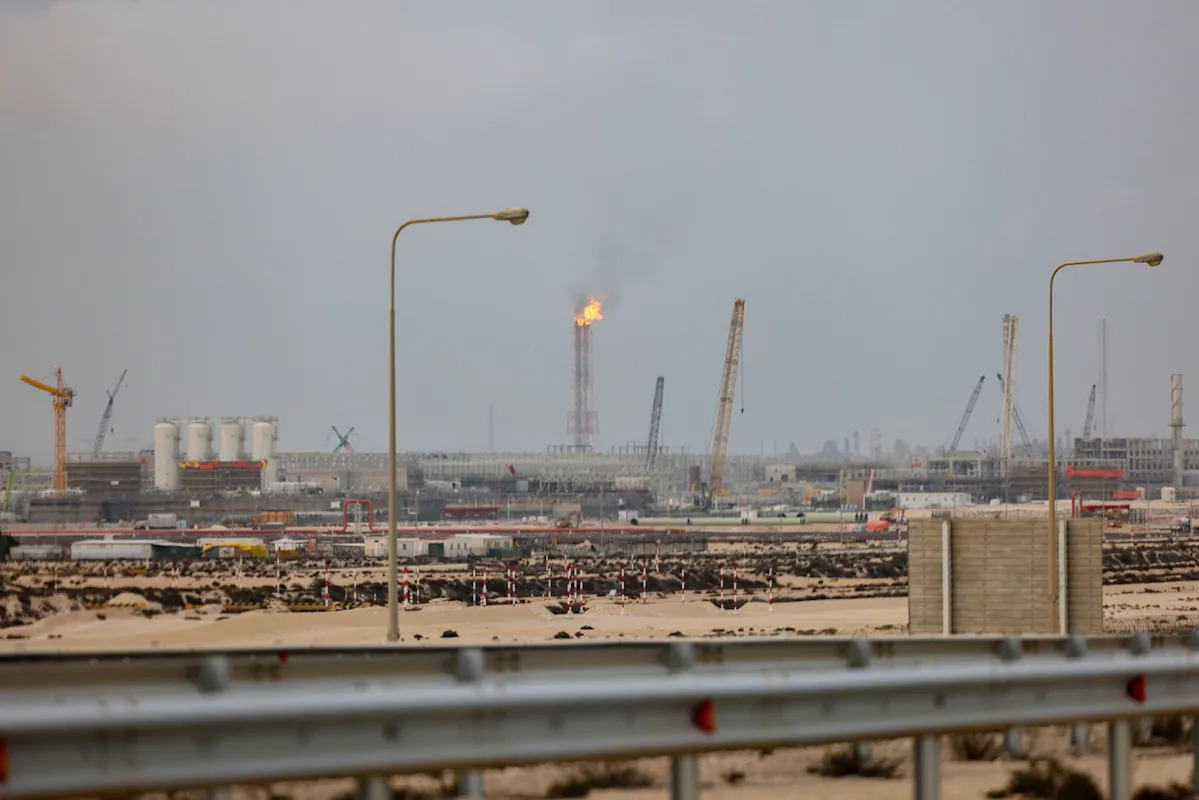
Ferrari Halts Shipments to Middle East Amid Conflict
Written by Emily J. Thompson, Senior Investment Analyst
Updated: 1 hour ago
0mins
Should l Buy RACE?
Source: seekingalpha
- Middle East Impact: Ferrari has halted all shipments to the Middle East due to regional conflict, which, while accounting for less than 5% of total sales, provides the highest profit margins due to wealthy buyers' preference for customized high-end models, significantly impacting profitability.
- Market Share Challenges: In light of declining market share in China and U.S. tariff pressures, Ferrari is shifting focus to oil-rich nations like the UAE, Saudi Arabia, and Qatar to compensate for losses in the U.S. and China, indicating a critical strategic pivot.
- Competitor Reactions: Other luxury automakers, including Mercedes-Benz, BMW, and Porsche, have not yet adjusted production or deliveries but are closely monitoring the conflict's potential impact on demand, highlighting the uncertainty in the luxury vehicle market.
- Stock Price Volatility: Since the onset of the Iran conflict, Ferrari's shares have dropped 16%, reaching a two-year low, mirroring similar declines in shares of Mercedes-Benz, Porsche, and BMW, reflecting market concerns over luxury vehicle demand.
Trade with 70% Backtested Accuracy
Stop guessing "Should I Buy RACE?" and start using high-conviction signals backed by rigorous historical data.
Sign up today to access powerful investing tools and make smarter, data-driven decisions.
Analyst Views on RACE
Wall Street analysts forecast RACE stock price to rise
15 Analyst Rating
11 Buy
3 Hold
1 Sell
Moderate Buy
Current: 330.470

Low
349.74
Averages
448.83
High
555.00
Current: 330.470
Low
349.74
Averages
448.83
High
555.00
About RACE
Ferrari NV, known as Ferrari, is an Italy-based designer, manufacturer and retailer of sports cars that is incorporated in the Netherlands. It operates under the Ferrari brand. Its sports cars portfolio includes, among others, F12berlinetta, FF, Ferrari 488 GTB, 488 Spider, 458 Speciale, Ferrari California T, F12tdf and LaFerrari. The Company also offers financing services through Ferrari Financial Services. It also produces limited series and one-off cars. The Company divides its regional markets in EMEA (Europe, the Middle East, India and Africa), Americas, Greater China and Rest of APAC (Asia-Pacific region, excluding Greater China) and is active in over 60 markets worldwide through a network of authorized dealers.
About the author

Emily J. Thompson
Emily J. Thompson, a Chartered Financial Analyst (CFA) with 12 years in investment research, graduated with honors from the Wharton School. Specializing in industrial and technology stocks, she provides in-depth analysis for Intellectia’s earnings and market brief reports.

Ferrari's Financial Outlook Analysis for 2025

- Sluggish Revenue Growth: Ferrari's revenue grew by 8% in 2025, yet the company's five-year financial targets suggest an annualized growth rate of only 5%, indicating potential future growth challenges that may dampen investor confidence.
- Margin Expansion: In 2025, Ferrari's operating margin increased by 120 basis points to 29.5%, implying that earnings per share are growing faster than revenue, showcasing the company's success in maintaining brand scarcity.
- Significant Cash Flow Increase: Ferrari generated over €1.5 billion in industrial free cash flow last year, a 50% increase from approximately €1.0 billion in the previous year, providing strong support for future shareholder returns and reinvestment.
- Share Repurchase Program: Ferrari is executing a €3.5 billion share repurchase program expected to run through 2030, which will help drive earnings per share higher by reducing the overall share count, even if top-line growth remains modest.
See More
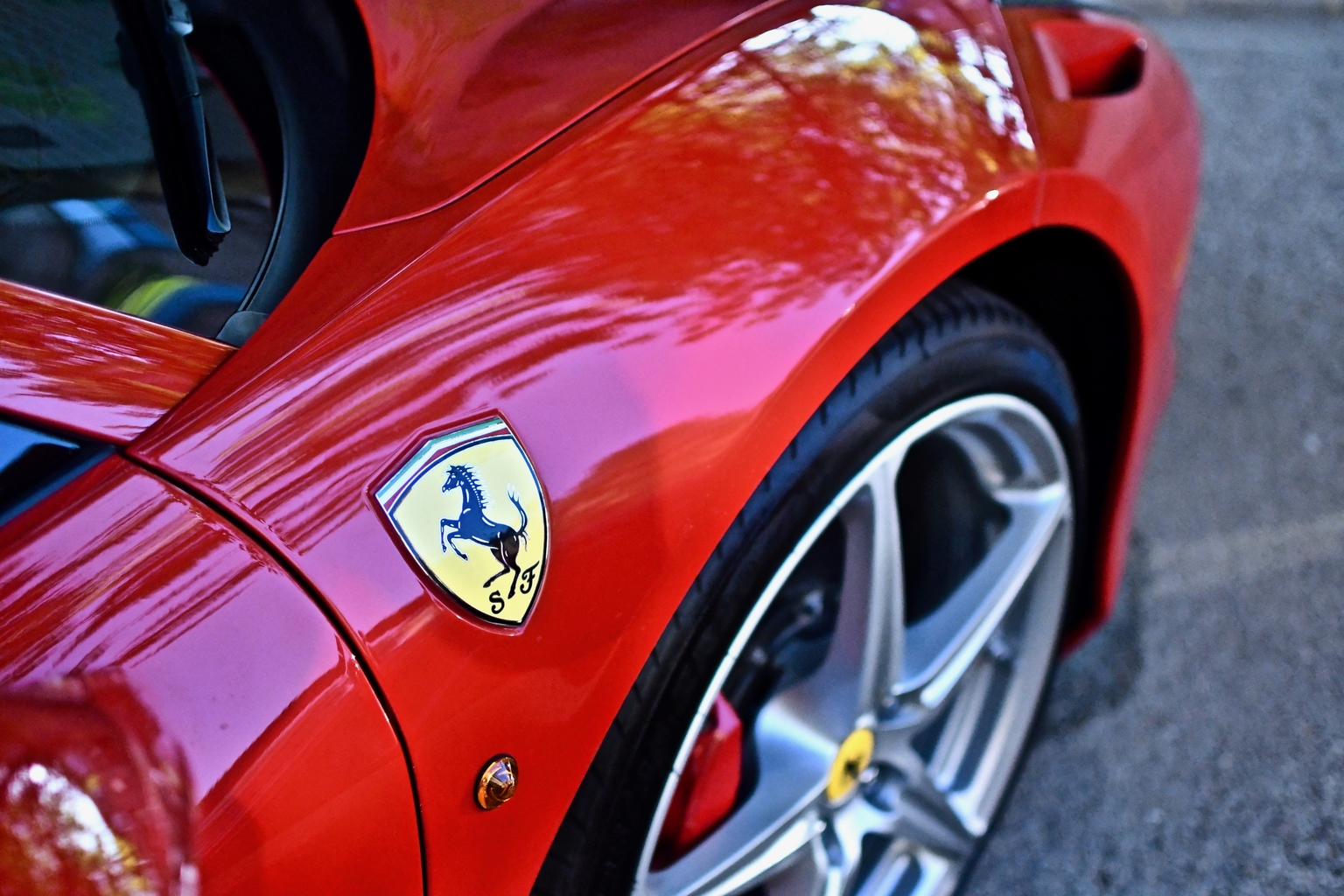
Ferrari Halts Shipments to Middle East Amid Conflict
- Middle East Impact: Ferrari has halted all shipments to the Middle East due to regional conflict, which, while accounting for less than 5% of total sales, provides the highest profit margins due to wealthy buyers' preference for customized high-end models, significantly impacting profitability.
- Market Share Challenges: In light of declining market share in China and U.S. tariff pressures, Ferrari is shifting focus to oil-rich nations like the UAE, Saudi Arabia, and Qatar to compensate for losses in the U.S. and China, indicating a critical strategic pivot.
- Competitor Reactions: Other luxury automakers, including Mercedes-Benz, BMW, and Porsche, have not yet adjusted production or deliveries but are closely monitoring the conflict's potential impact on demand, highlighting the uncertainty in the luxury vehicle market.
- Stock Price Volatility: Since the onset of the Iran conflict, Ferrari's shares have dropped 16%, reaching a two-year low, mirroring similar declines in shares of Mercedes-Benz, Porsche, and BMW, reflecting market concerns over luxury vehicle demand.
See More
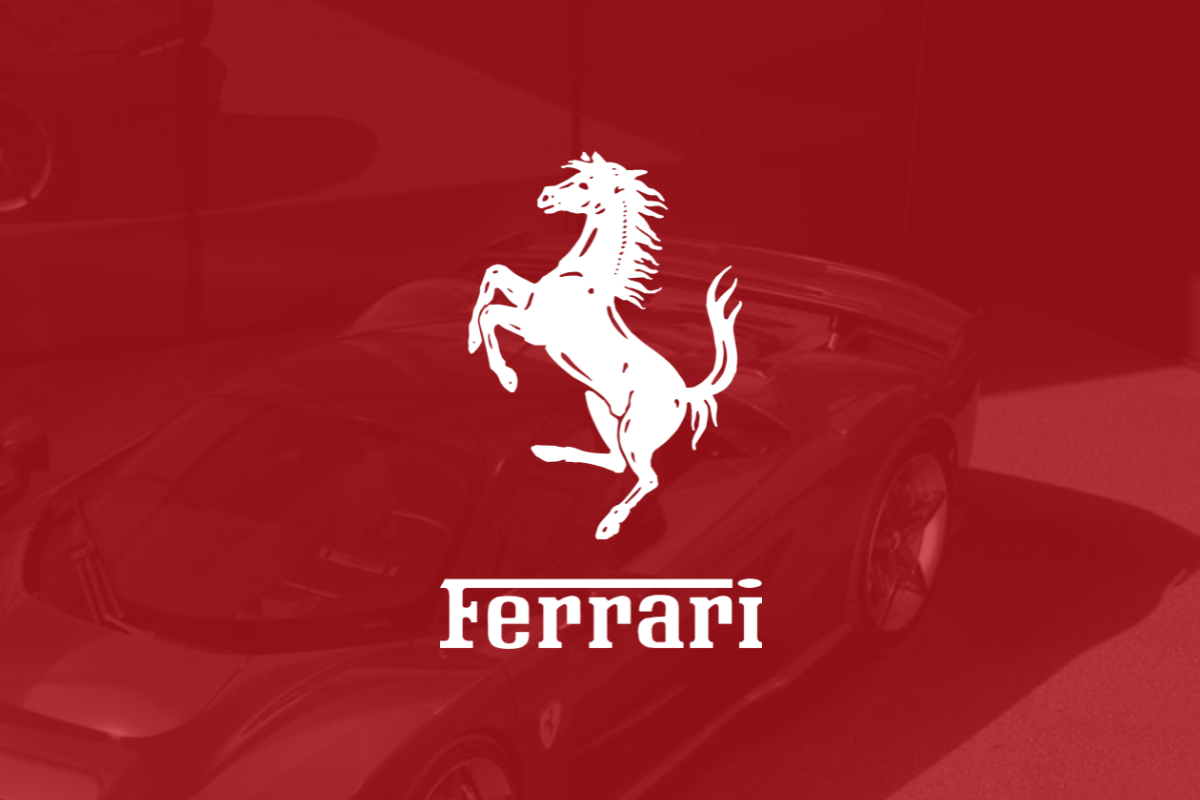
Ferrari Stock Pullback: A Potential Buying Opportunity
- Stock Pullback Analysis: Ferrari's stock has fallen approximately 29% over the past six months, retreating from its 52-week high, reflecting market concerns over the company's future five-year financial targets, although its underlying business remains strong.
- Cautious Financial Targets: At its Capital Markets Day, Ferrari projected net revenue of about €9 billion by 2030, representing only a 5% growth rate compared to €7.15 billion in 2025, a significant drop from previous double-digit growth, highlighting the company's commitment to its scarcity-driven business model.
- Profitability Improvement: In 2025, Ferrari's operating margin expanded by 120 basis points year-over-year to 29.5%, indicating that earnings per share are growing faster than revenue, demonstrating the company's ability to enhance profitability while maintaining brand equity.
- New Model Driving Growth: The newly launched F80 supercar began deliveries late last year and is expected to provide strong revenue and earnings growth through 2026, with all units pre-sold and the order book extending into 2027, indicating robust market demand.
See More

Iran War Threatens Middle East Automotive Market

- Market Share Decline: European luxury brands like Porsche and Mercedes-Benz are increasingly reliant on the Middle East for profits due to declining market shares in China and rising tariffs in the U.S., despite the region's annual volume being around 3 million vehicles, which is less than a fifth of the U.S. market.
- High-End Demand Growth: The UAE alone sees annual sales exceeding 300,000 vehicles, with about 20% being premium imports, indicating strong demand from wealthy buyers, although the ongoing Iran war poses potential risks to this demand.
- Porsche Sales Growth: In 2025, Porsche's profit per vehicle sold increased by 28% compared to 2020, with the 911 model now accounting for 20% of the brand's total sales in the region, reflecting robust growth in its ultra-high-end customization business.
- Uncertain Market Outlook: While both Mercedes-Benz and BMW report double-digit sales growth in the Middle East, the ongoing conflict creates uncertainty in market dynamics, potentially impacting future sales and supply chains.
See More
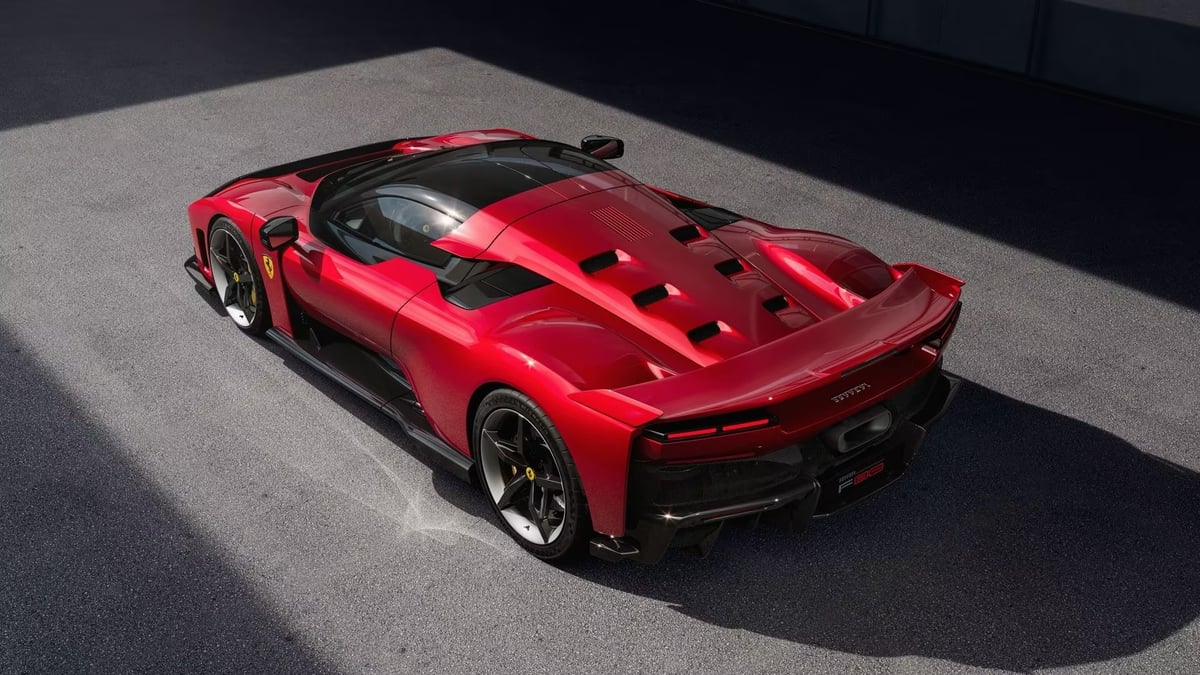
Ferrari: The Investment Potential of Luxury Automobiles
- Unique Market Positioning: Ferrari maintains a unique luxury brand image in the competitive automotive market by intentionally limiting production and order books, ensuring that demand consistently exceeds supply, thereby attracting a high-end customer base.
- Strong Pricing Power: Ferrari can raise vehicle prices without hindering demand, primarily due to its affluent customer base and customer loyalty, exemplified by the F80 supercar priced at approximately $3.9 million, which sold out quickly.
- Rising Profit Margins: With a gross margin of 51.93%, Ferrari's profit margins are not only significantly higher than competitors but are also consistently increasing over time, showcasing its competitive advantage and profitability in the luxury automotive sector.
- Long-Term Investment Value: Despite a 30% decline in stock price over the past six months, Ferrari's price-to-earnings ratio remains at 32 times, indicating market recognition of its long-term growth potential, suggesting that investors can expect steady wealth growth in the future.
See More

Ferrari's Share Price Decline Presents Investment Opportunity
- Unique Market Positioning: Ferrari maintains its luxury brand uniqueness by intentionally limiting vehicle production, ensuring that demand consistently exceeds supply, which enhances brand value and customer loyalty in a competitive automotive market.
- Strong Pricing Power: Ferrari's affluent customer base allows it to raise prices without hindering demand, exemplified by the F80 supercar priced at approximately $3.9 million, which sold out quickly among a limited supply of 799 units, demonstrating strong market demand and brand allure.
- Rising Profit Margins: Ferrari's operating margins significantly surpass those of competitors and continue to rise; despite a 30% decline in stock price over the past six months, the company still trades at a price-to-earnings ratio of 32 times, indicating robust profitability and investment value in the long term.
- Long-Term Investment Potential: Although Ferrari's stock price experiences volatility, its gains over the past decade have tripled the S&P 500, highlighting its solid performance in the automotive industry and attractiveness as a long-term investment.
See More
Ferrari's Financial Outlook Analysis for 2025
- Sluggish Revenue Growth: Ferrari's revenue grew by 8% in 2025, yet the company's five-year financial targets suggest an annualized growth rate of only 5%, indicating potential future growth challenges that may dampen investor confidence.
- Margin Expansion: In 2025, Ferrari's operating margin increased by 120 basis points to 29.5%, implying that earnings per share are growing faster than revenue, showcasing the company's success in maintaining brand scarcity.
- Significant Cash Flow Increase: Ferrari generated over €1.5 billion in industrial free cash flow last year, a 50% increase from approximately €1.0 billion in the previous year, providing strong support for future shareholder returns and reinvestment.
- Share Repurchase Program: Ferrari is executing a €3.5 billion share repurchase program expected to run through 2030, which will help drive earnings per share higher by reducing the overall share count, even if top-line growth remains modest.
See More
Ferrari Halts Shipments to Middle East Amid Conflict
- Middle East Impact: Ferrari has halted all shipments to the Middle East due to regional conflict, which, while accounting for less than 5% of total sales, provides the highest profit margins due to wealthy buyers' preference for customized high-end models, significantly impacting profitability.
- Market Share Challenges: In light of declining market share in China and U.S. tariff pressures, Ferrari is shifting focus to oil-rich nations like the UAE, Saudi Arabia, and Qatar to compensate for losses in the U.S. and China, indicating a critical strategic pivot.
- Competitor Reactions: Other luxury automakers, including Mercedes-Benz, BMW, and Porsche, have not yet adjusted production or deliveries but are closely monitoring the conflict's potential impact on demand, highlighting the uncertainty in the luxury vehicle market.
- Stock Price Volatility: Since the onset of the Iran conflict, Ferrari's shares have dropped 16%, reaching a two-year low, mirroring similar declines in shares of Mercedes-Benz, Porsche, and BMW, reflecting market concerns over luxury vehicle demand.
See More
Ferrari Stock Pullback: A Potential Buying Opportunity
- Stock Pullback Analysis: Ferrari's stock has fallen approximately 29% over the past six months, retreating from its 52-week high, reflecting market concerns over the company's future five-year financial targets, although its underlying business remains strong.
- Cautious Financial Targets: At its Capital Markets Day, Ferrari projected net revenue of about €9 billion by 2030, representing only a 5% growth rate compared to €7.15 billion in 2025, a significant drop from previous double-digit growth, highlighting the company's commitment to its scarcity-driven business model.
- Profitability Improvement: In 2025, Ferrari's operating margin expanded by 120 basis points year-over-year to 29.5%, indicating that earnings per share are growing faster than revenue, demonstrating the company's ability to enhance profitability while maintaining brand equity.
- New Model Driving Growth: The newly launched F80 supercar began deliveries late last year and is expected to provide strong revenue and earnings growth through 2026, with all units pre-sold and the order book extending into 2027, indicating robust market demand.
See More
Iran War Threatens Middle East Automotive Market
- Market Share Decline: European luxury brands like Porsche and Mercedes-Benz are increasingly reliant on the Middle East for profits due to declining market shares in China and rising tariffs in the U.S., despite the region's annual volume being around 3 million vehicles, which is less than a fifth of the U.S. market.
- High-End Demand Growth: The UAE alone sees annual sales exceeding 300,000 vehicles, with about 20% being premium imports, indicating strong demand from wealthy buyers, although the ongoing Iran war poses potential risks to this demand.
- Porsche Sales Growth: In 2025, Porsche's profit per vehicle sold increased by 28% compared to 2020, with the 911 model now accounting for 20% of the brand's total sales in the region, reflecting robust growth in its ultra-high-end customization business.
- Uncertain Market Outlook: While both Mercedes-Benz and BMW report double-digit sales growth in the Middle East, the ongoing conflict creates uncertainty in market dynamics, potentially impacting future sales and supply chains.
See More
Ferrari: The Investment Potential of Luxury Automobiles
- Unique Market Positioning: Ferrari maintains a unique luxury brand image in the competitive automotive market by intentionally limiting production and order books, ensuring that demand consistently exceeds supply, thereby attracting a high-end customer base.
- Strong Pricing Power: Ferrari can raise vehicle prices without hindering demand, primarily due to its affluent customer base and customer loyalty, exemplified by the F80 supercar priced at approximately $3.9 million, which sold out quickly.
- Rising Profit Margins: With a gross margin of 51.93%, Ferrari's profit margins are not only significantly higher than competitors but are also consistently increasing over time, showcasing its competitive advantage and profitability in the luxury automotive sector.
- Long-Term Investment Value: Despite a 30% decline in stock price over the past six months, Ferrari's price-to-earnings ratio remains at 32 times, indicating market recognition of its long-term growth potential, suggesting that investors can expect steady wealth growth in the future.
See More
Ferrari's Share Price Decline Presents Investment Opportunity
- Unique Market Positioning: Ferrari maintains its luxury brand uniqueness by intentionally limiting vehicle production, ensuring that demand consistently exceeds supply, which enhances brand value and customer loyalty in a competitive automotive market.
- Strong Pricing Power: Ferrari's affluent customer base allows it to raise prices without hindering demand, exemplified by the F80 supercar priced at approximately $3.9 million, which sold out quickly among a limited supply of 799 units, demonstrating strong market demand and brand allure.
- Rising Profit Margins: Ferrari's operating margins significantly surpass those of competitors and continue to rise; despite a 30% decline in stock price over the past six months, the company still trades at a price-to-earnings ratio of 32 times, indicating robust profitability and investment value in the long term.
- Long-Term Investment Potential: Although Ferrari's stock price experiences volatility, its gains over the past decade have tripled the S&P 500, highlighting its solid performance in the automotive industry and attractiveness as a long-term investment.
See More