Emerging Technologies Reshape Banking Landscape
Written by Emily J. Thompson, Senior Investment Analyst
Updated: 2 days ago
0mins


Should l Buy SOFI?
Source: NASDAQ.COM
- Significant Customer Growth: SoFi Technologies has rapidly increased its customer base from 1 million in early 2020 to 14.7 million now, demonstrating strong appeal in the fintech sector and reflecting a growing consumer preference for online banking services.
- Robust Revenue Growth: In its latest earnings report, SoFi reported a 41% year-over-year revenue increase and a 62% rise in EBITDA, indicating the company's ability to maintain strong financial performance in a competitive market, further solidifying its market position.
- Optimistic Market Outlook: The North American neobanking industry is expected to grow at an average annual rate of over 46%, placing SoFi at the center of this growth trend, with potential for accelerated asset base expansion to meet increasing customer demand.
- Enhanced Industry Recognition: SoFi has been named the best bank in the U.S. by Forbes for four consecutive years, showcasing its advantages in service, features, and flexibility; despite recent stock performance challenges, analysts predict a price increase of approximately 45%.
Trade with 70% Backtested Accuracy
Stop guessing "Should I Buy SOFI?" and start using high-conviction signals backed by rigorous historical data.
Sign up today to access powerful investing tools and make smarter, data-driven decisions.
Analyst Views on SOFI
Wall Street analysts forecast SOFI stock price to rise
14 Analyst Rating
5 Buy
6 Hold
3 Sell
Hold
Current: 16.100

Low
18.00
Averages
28.31
High
38.00
Current: 16.100
Low
18.00
Averages
28.31
High
38.00
About SOFI
SoFi Technologies, Inc. is a member-centric, one-stop shop for digital financial services. The Company, through its lending and financial services products, allows members to borrow, save, spend, invest and protect their money. The Company's segments include Lending, Technology Platform and Financial Services. The Lending segment offers personal loans, student loans, home loans and related servicing to help its members with a variety of financial needs. Its platform supports the full transaction lifecycle, including credit application, underwriting, approval, funding and servicing. The Technology Platform segment provides services through a diversified suite of offerings which include an event and authorization platform accessed via application programming interfaces, a cloud-native digital and core banking platform and services related to both platforms. The Financial Services segment offers a suite of financial services solutions, including SoFi Money and SoFi Invest.
About the author

Emily J. Thompson
Emily J. Thompson, a Chartered Financial Analyst (CFA) with 12 years in investment research, graduated with honors from the Wharton School. Specializing in industrial and technology stocks, she provides in-depth analysis for Intellectia’s earnings and market brief reports.

SoFi Technologies Shares Drop 11.2% Despite Earnings Beat

- Earnings Beat: SoFi Technologies reported a 38% increase in adjusted net revenue for Q1, with total assets reaching $40 billion and a 35% year-over-year growth in customer base to 14.7 million, indicating a sustained market share expansion in personal banking.
- Guidance Below Expectations: Despite strong earnings, SoFi did not raise its current-quarter guidance, projecting revenue growth at 30%, below Wall Street's 31% estimate, which raised investor concerns and led to short-term stock volatility.
- Loan Portfolio Growth: The company originated $8.3 billion in new personal loans during the quarter, and if its underwriting models are accurate, it will see increased net interest income from these loans; however, the rapid growth of lenders like SoFi can be unsettling for Wall Street.
- Valuation Pressure: Even after a significant stock drawdown, SoFi's price-to-earnings ratio stands at 37, suggesting that the stock is not cheap, prompting investors to carefully consider buying the dip, especially amid increasing economic uncertainty.
See More
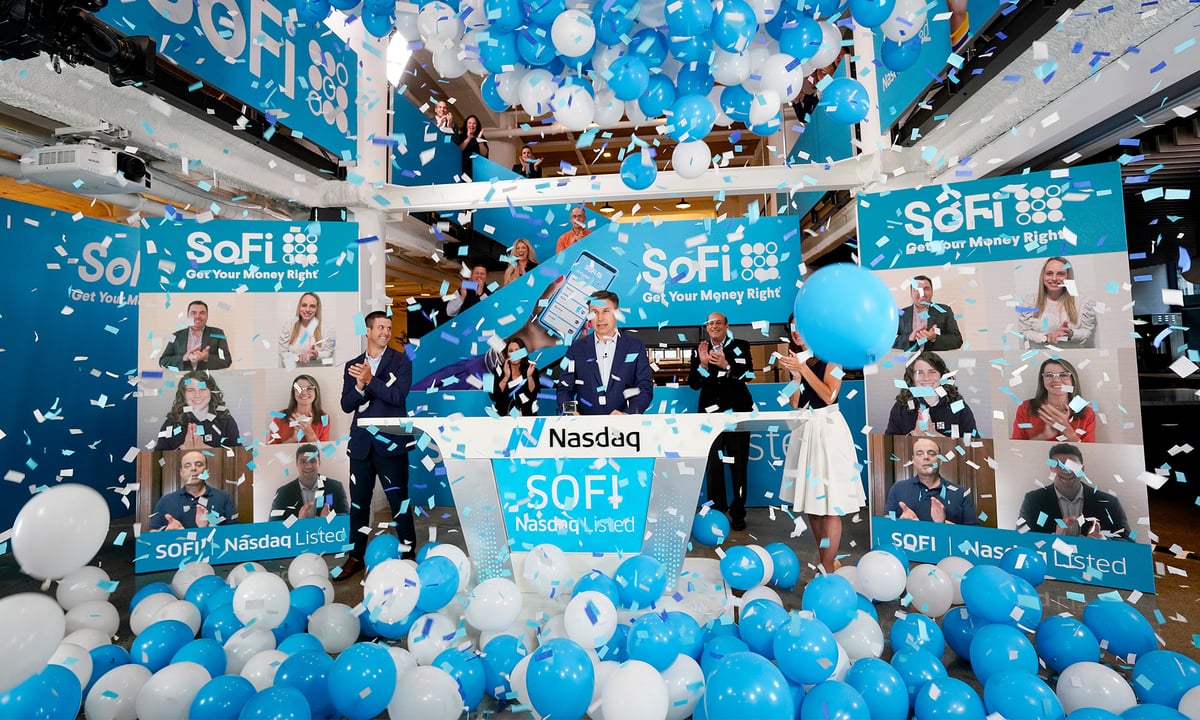
SoFi Investors Concerned Over Multiple Decisions
- Investor Reaction: SoFi's stock price was reported at SOFI+2.05% on April 30, 2026, indicating investor concern over the company's recent decisions, which could impact future market performance.
- Decision Impact: The choices made by the company have raised investor worries, potentially leading to negative effects on its stock price and market confidence, especially in the competitive fintech sector.
- Market Dynamics: With the video published on May 2, 2026, market reactions to SoFi will serve as a crucial indicator for observing its future trajectory, prompting investors to closely monitor subsequent developments.
- Strategic Adjustments: SoFi's decisions may reflect the necessity for strategic adjustments in a rapidly changing financial landscape to maintain competitiveness and meet investor expectations.
See More

Analysis of Investment Opportunities in Mid-Cap Stocks

- Ralph Lauren Performance Decline: With a market cap of $21.71 billion, Ralph Lauren's constant currency growth has fallen short over the past two years, indicating a need for investment in product improvements that could impact its future competitiveness in the fashion industry.
- PulteGroup Revenue Growth Struggles: PulteGroup, valued at $23.31 billion, has experienced only 1.2% annual revenue growth over the last two years, coupled with a concerning 7.7% annual decline in earnings per share, suggesting that increasing competition is eroding its profitability.
- SoFi Strong Growth Potential: SoFi, with a market cap of $20.53 billion, has achieved an impressive 33.4% annual revenue growth over the past two years, and its earnings per share surged by 396%, reflecting its robust performance and increasing market share in the digital financial services sector.
- Intensifying Market Competition: Mid-cap stocks are facing fierce competition from both industry giants and agile small players, and while they hold significant potential, investors must carefully assess the financial health and market adaptability of these companies.
See More

SoFi Reports Record Q1 2026 Results but Stock Price Declines
- Strong Performance: SoFi achieved a 41% year-over-year increase in adjusted net revenue for Q1 2026, with product growth at 39% and member growth at 35%, alongside a record loan origination revenue of $12.2 billion, yet investor disappointment persisted.
- Net Income Doubles: The company reported a net income of $166.7 million for Q1, more than doubling the $71.1 million from the previous year, indicating robust growth across its business segments, but failing to alleviate market concerns.
- Market Challenges: The stock price declined post-report due to broader underperformance in fintech stocks and worries about AI's impact on wealth management, reflecting investor uncertainty about the future.
- Uncertain Outlook: While SoFi is making strides in building a financial ecosystem, it lacks short-term catalysts to boost stock prices, and the CEO's reluctance to raise full-year guidance amid uncertain interest rates led to a tepid market response.
See More

SoFi Reports Record Q1 2026 Earnings but Stock Declines
- Strong Performance: SoFi reported a 41% year-over-year increase in adjusted net revenue for Q1 2026, alongside a 39% rise in product growth and a 35% increase in member growth, all setting new records for the company, indicating robust business growth potential.
- Loan Business Milestone: The loan origination business achieved a record revenue of $12.2 billion, covering personal, student, and home loans; however, the market's reaction was disappointing, leading to a decline in stock price despite these achievements.
- Investor Disappointment: Investors expressed disappointment over the lack of an increase in full-year guidance, with CEO Anthony Noto explaining that maintaining guidance in an uncertain interest rate environment was a prudent decision, reflecting market unease about future prospects.
- Market Outlook Challenges: With the fintech sector underperforming and concerns about AI's impact on wealth management, SoFi faces a lack of short-term catalysts, suggesting shareholders may need to wait longer for stock price recovery.
See More
SoFi's Quarterly Results Disappoint Investors
- Disappointing Financial Results: SoFi's quarterly financial results fell short of market expectations, leading to a decline in stock prices during afternoon trading on April 29, 2026, which reflects investor concerns about the company's future growth prospects.
- Negative Market Reaction: The failure to meet earnings expectations resulted in a significant drop in investor confidence, with stock prices showing notable volatility post-announcement, indicating skepticism about SoFi's profitability.
- Investor Sentiment Deterioration: The disappointing earnings report has raised doubts among investors regarding SoFi's future development, potentially impacting its subsequent financing and market expansion plans, thereby increasing pressure on the company in the competitive fintech landscape.
- Need for Strategic Adjustment: In light of the poor financial performance, SoFi may need to reassess its business strategy to restore investor confidence and ensure sustained growth, particularly in the current economic environment.
See More
SoFi Technologies Shares Drop 11.2% Despite Earnings Beat
- Earnings Beat: SoFi Technologies reported a 38% increase in adjusted net revenue for Q1, with total assets reaching $40 billion and a 35% year-over-year growth in customer base to 14.7 million, indicating a sustained market share expansion in personal banking.
- Guidance Below Expectations: Despite strong earnings, SoFi did not raise its current-quarter guidance, projecting revenue growth at 30%, below Wall Street's 31% estimate, which raised investor concerns and led to short-term stock volatility.
- Loan Portfolio Growth: The company originated $8.3 billion in new personal loans during the quarter, and if its underwriting models are accurate, it will see increased net interest income from these loans; however, the rapid growth of lenders like SoFi can be unsettling for Wall Street.
- Valuation Pressure: Even after a significant stock drawdown, SoFi's price-to-earnings ratio stands at 37, suggesting that the stock is not cheap, prompting investors to carefully consider buying the dip, especially amid increasing economic uncertainty.
See More
SoFi Investors Concerned Over Multiple Decisions
- Investor Reaction: SoFi's stock price was reported at SOFI+2.05% on April 30, 2026, indicating investor concern over the company's recent decisions, which could impact future market performance.
- Decision Impact: The choices made by the company have raised investor worries, potentially leading to negative effects on its stock price and market confidence, especially in the competitive fintech sector.
- Market Dynamics: With the video published on May 2, 2026, market reactions to SoFi will serve as a crucial indicator for observing its future trajectory, prompting investors to closely monitor subsequent developments.
- Strategic Adjustments: SoFi's decisions may reflect the necessity for strategic adjustments in a rapidly changing financial landscape to maintain competitiveness and meet investor expectations.
See More
Analysis of Investment Opportunities in Mid-Cap Stocks
- Ralph Lauren Performance Decline: With a market cap of $21.71 billion, Ralph Lauren's constant currency growth has fallen short over the past two years, indicating a need for investment in product improvements that could impact its future competitiveness in the fashion industry.
- PulteGroup Revenue Growth Struggles: PulteGroup, valued at $23.31 billion, has experienced only 1.2% annual revenue growth over the last two years, coupled with a concerning 7.7% annual decline in earnings per share, suggesting that increasing competition is eroding its profitability.
- SoFi Strong Growth Potential: SoFi, with a market cap of $20.53 billion, has achieved an impressive 33.4% annual revenue growth over the past two years, and its earnings per share surged by 396%, reflecting its robust performance and increasing market share in the digital financial services sector.
- Intensifying Market Competition: Mid-cap stocks are facing fierce competition from both industry giants and agile small players, and while they hold significant potential, investors must carefully assess the financial health and market adaptability of these companies.
See More
SoFi Reports Record Q1 2026 Results but Stock Price Declines
- Strong Performance: SoFi achieved a 41% year-over-year increase in adjusted net revenue for Q1 2026, with product growth at 39% and member growth at 35%, alongside a record loan origination revenue of $12.2 billion, yet investor disappointment persisted.
- Net Income Doubles: The company reported a net income of $166.7 million for Q1, more than doubling the $71.1 million from the previous year, indicating robust growth across its business segments, but failing to alleviate market concerns.
- Market Challenges: The stock price declined post-report due to broader underperformance in fintech stocks and worries about AI's impact on wealth management, reflecting investor uncertainty about the future.
- Uncertain Outlook: While SoFi is making strides in building a financial ecosystem, it lacks short-term catalysts to boost stock prices, and the CEO's reluctance to raise full-year guidance amid uncertain interest rates led to a tepid market response.
See More
SoFi Reports Record Q1 2026 Earnings but Stock Declines
- Strong Performance: SoFi reported a 41% year-over-year increase in adjusted net revenue for Q1 2026, alongside a 39% rise in product growth and a 35% increase in member growth, all setting new records for the company, indicating robust business growth potential.
- Loan Business Milestone: The loan origination business achieved a record revenue of $12.2 billion, covering personal, student, and home loans; however, the market's reaction was disappointing, leading to a decline in stock price despite these achievements.
- Investor Disappointment: Investors expressed disappointment over the lack of an increase in full-year guidance, with CEO Anthony Noto explaining that maintaining guidance in an uncertain interest rate environment was a prudent decision, reflecting market unease about future prospects.
- Market Outlook Challenges: With the fintech sector underperforming and concerns about AI's impact on wealth management, SoFi faces a lack of short-term catalysts, suggesting shareholders may need to wait longer for stock price recovery.
See More
SoFi's Quarterly Results Disappoint Investors
- Disappointing Financial Results: SoFi's quarterly financial results fell short of market expectations, leading to a decline in stock prices during afternoon trading on April 29, 2026, which reflects investor concerns about the company's future growth prospects.
- Negative Market Reaction: The failure to meet earnings expectations resulted in a significant drop in investor confidence, with stock prices showing notable volatility post-announcement, indicating skepticism about SoFi's profitability.
- Investor Sentiment Deterioration: The disappointing earnings report has raised doubts among investors regarding SoFi's future development, potentially impacting its subsequent financing and market expansion plans, thereby increasing pressure on the company in the competitive fintech landscape.
- Need for Strategic Adjustment: In light of the poor financial performance, SoFi may need to reassess its business strategy to restore investor confidence and ensure sustained growth, particularly in the current economic environment.
See More