Elon Musk Claims Optimus Robot Will Take Over Jobs and Facilitate Universal Basic Income
Elon Musk's Vision for Optimus: Musk believes Tesla's humanoid robot, Optimus, could revolutionize the global economy by significantly reducing the need for human labor and potentially eradicating poverty.
Technical Challenges and Demonstrations: Despite facing production challenges, Tesla has showcased Optimus's capabilities at events, and Musk remains confident in its potential to outperform humans and operate continuously.
Impact on Society: Musk envisions Optimus transforming various sectors, including the criminal justice system, by preventing crime and suggesting a future where work becomes optional due to increased productivity.
Future Production and Pricing: While still in the design phase, mass production of Optimus is anticipated soon, with a projected price range of $20,000 to $30,000 once scaled.
Trade with 70% Backtested Accuracy
Analyst Views on TSLA

About TSLA
About the author

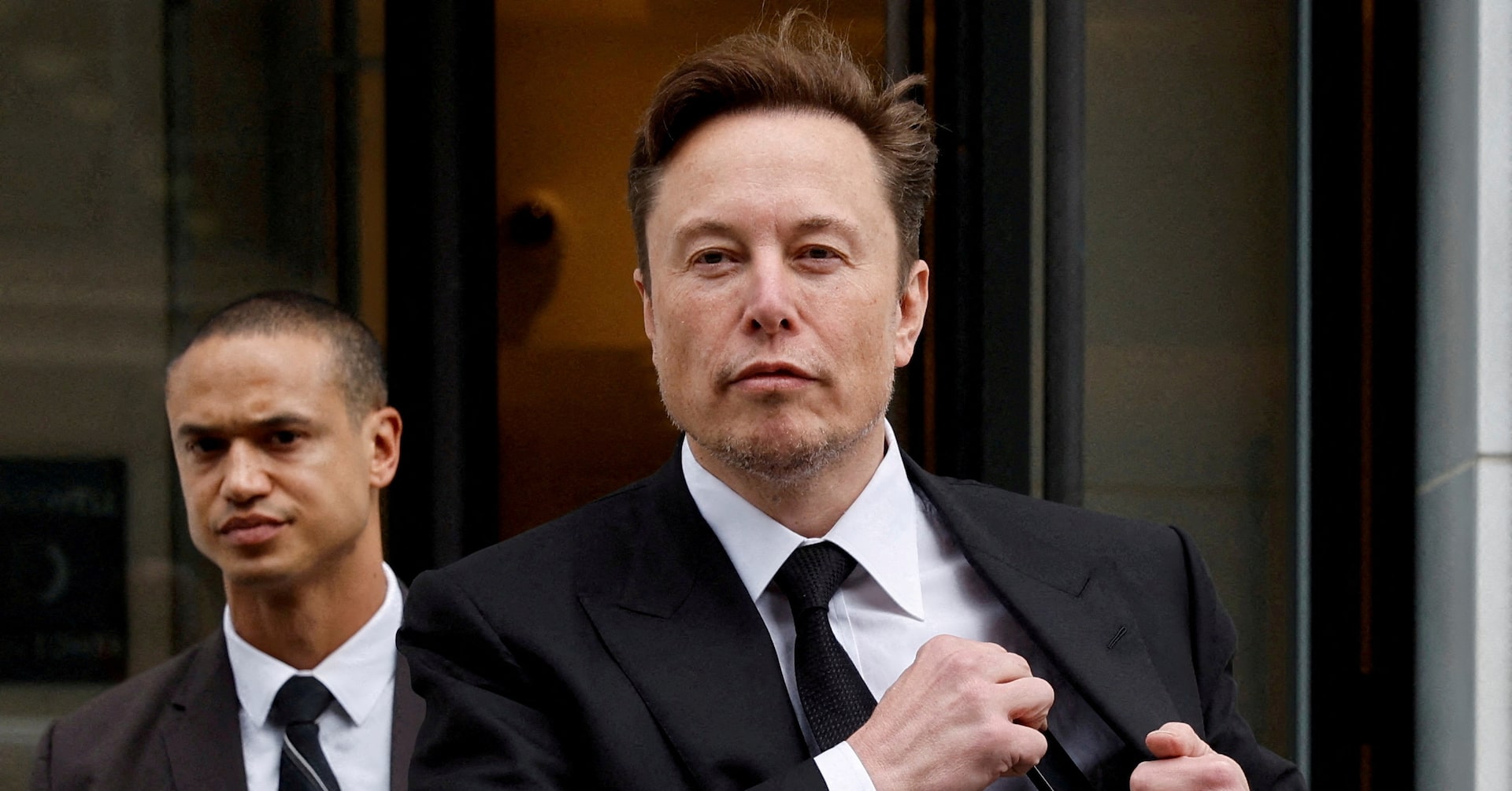
SpaceX Sets Record $135 IPO Valuation at $1.77 Trillion

- Record IPO: SpaceX's debut at $135 per share raises $75 billion, marking the largest IPO in history with a market valuation of approximately $1.77 trillion, reflecting strong investor confidence in its growth potential.
- Key Technology Development: The company's future hinges on the successful development of its fully reusable Starship rocket, which is expected to significantly reduce launch costs, making orbital data centers viable and potentially generating hundreds of billions in annual revenue.
- Massive Market Potential: SpaceX estimates a total addressable market of $28.5 trillion in its SEC filing, indicating substantial upside for shareholders if the company can successfully develop its technology and capture market share, despite facing significant challenges.
- Analyst Optimism: Morningstar analysts project that if Starship is operational by 2028, SpaceX could capture one-fifth of the AI infrastructure market by 2040, with expectations of generating $225 billion in annual revenue by 2035, highlighting a robust growth outlook.
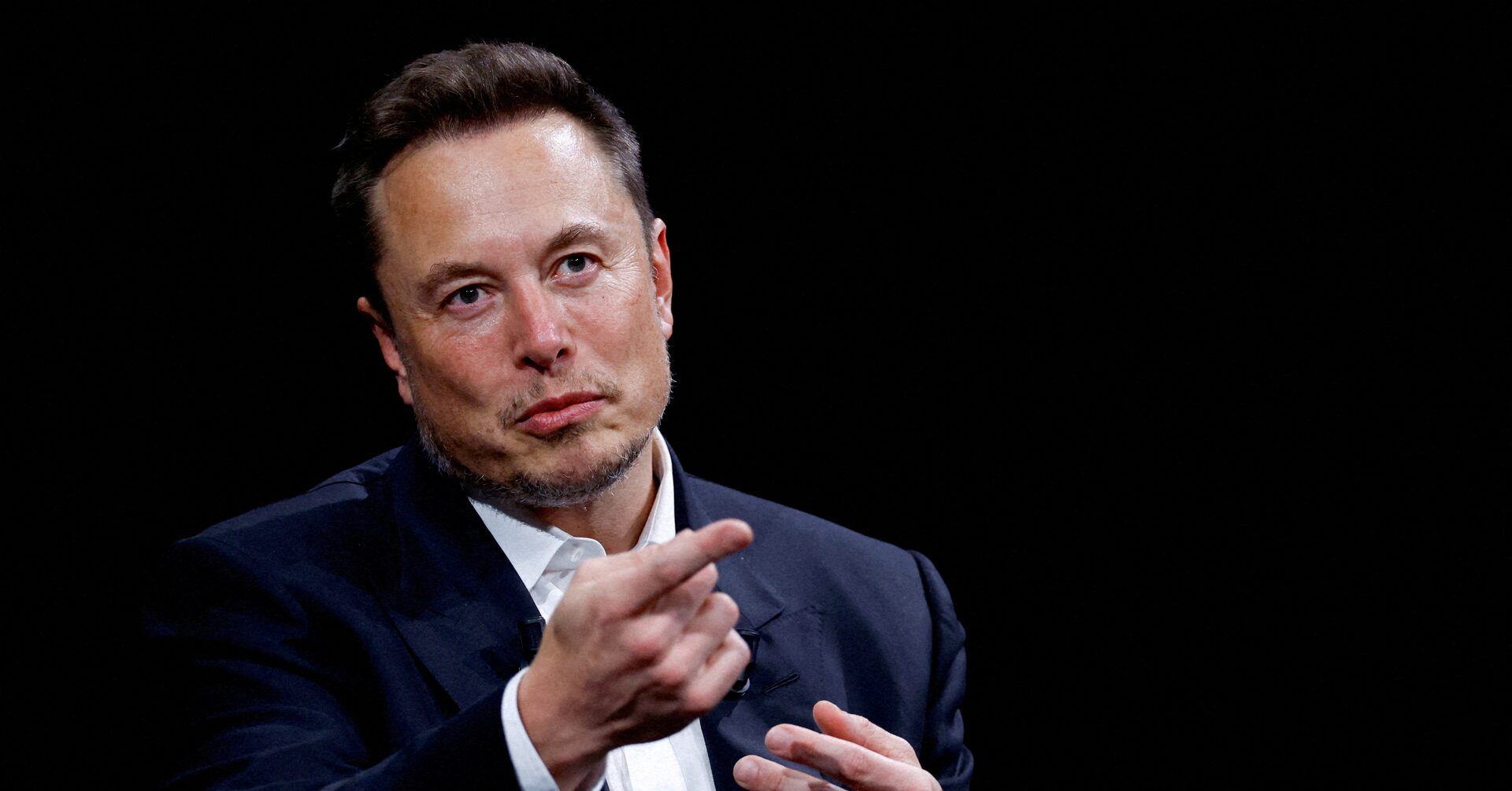
SpaceX IPO: Market Potential and Risks
- Market Size Analysis: SpaceX claims a total addressable market of $28.5 trillion, with $26.5 trillion attributed to artificial intelligence, highlighting the company's immense potential in future technologies while also reflecting a heavy reliance on AI development.
- Profitability Source: Currently, SpaceX's only profitable division is its Starlink internet service, valued at $1.6 trillion, which, although not fully realized, provides a stable cash flow support for the company.
- Importance of Rocket Launches: While many of SpaceX's future growth opportunities are closely tied to rocket launches, the IPO prospectus warns that the successful development and scaling of the Starship rocket is critical to executing its growth strategy, with any delays potentially impacting the company's future financial condition.
- Competitive Advantage and Challenges: SpaceX's leading position in the rocket launch sector gives it a dominant market share; however, CEO Elon Musk's history of hinging growth on single product success indicates significant risks, necessitating careful evaluation of potential challenges and returns by investors.
SpaceX IPO Sparks Selling Pressure on Tesla Shares
- Tesla Stock Decline: Tesla (TSLA) shares fell 4% on Wednesday to $381.59, marking a second consecutive day of losses, as market focus shifted to SpaceX's IPO, leading retail investors to potentially sell Tesla shares to fund their SpaceX purchases, thereby increasing selling pressure on Tesla.
- Surge in SpaceX IPO Demand: SpaceX's IPO has reportedly attracted over $250 billion in demand, significantly exceeding the available shares, as the company plans to offer 555.6 million shares at $135 each, aiming to raise $75 billion at a valuation of approximately $1.8 trillion, which would make it the largest IPO ever, surpassing Saudi Aramco's $29.4 billion debut in 2019.
- Merger Talks Resurface: The impending SpaceX IPO has reignited discussions about a potential merger between Tesla and SpaceX, with Tesla owning 19 million shares of SpaceX and both companies collaborating on AI and chip development, leading some investors to believe that a merger could benefit Tesla shareholders.
- Market Sentiment Shift: While optimism surrounding the SpaceX IPO is high, Gary Black cautioned that SpaceX's valuation appears stretched, estimating its IPO valuation at 300 times its projected 2025 EBITDA, advising investors to wait for a more attractive entry point post-IPO.

Closure of Strait of Hormuz Triggers Market Volatility


- Market Reaction: The announcement of the closure of the Strait of Hormuz in response to U.S. attacks has led to market turbulence, with S&P 500 futures down 0.04% and Dow futures down 0.10%, indicating investor concerns over geopolitical tensions.
- Oil Price Surge: Following the closure news, Brent crude futures rose over 2% to around $95.10 per barrel, while WTI crude futures increased about 2.5% to $92.26, reflecting market expectations of supply disruptions.
- Inflation Pressure: The U.S. Consumer Price Index for May showed a year-over-year increase of 4.2%, the highest in three years, intensifying investor concerns about the economic outlook, particularly amid rising food and energy prices.
- Escalation of Military Actions: The U.S. Central Command confirmed fresh “self-defense” strikes against Iran, with President Trump stating that Iran's economy is collapsing, further heightening market uncertainty as investors remain highly attentive to future developments.
US Inflation Hits Three-Year High Amid Geopolitical Tensions


- Rising Inflation: The US consumer price index rose to an annual rate of 4.2% in May, with Trump expressing optimism that prices will drop sharply once the conflict with Iran concludes, reflecting a potentially misleading confidence in economic stability amidst rising costs.
- Geopolitical Tensions: US airstrikes on Iran have escalated tensions in the Strait of Hormuz, driving oil prices higher, with July crude futures increasing by 2.94% to $92.68 per barrel and Brent futures rising by 2.52% to $95.45, indicating market sensitivity to energy price fluctuations.
- Market Volatility: Amid rising inflation and energy prices, Wall Street faced significant declines on Wednesday, with the Dow dropping over 900 points, highlighting investor concerns about future economic prospects, particularly as chip stocks experienced substantial sell-offs.
- Meta's Investment in India: Meta has agreed to lease an AI-enabled data center with a capacity of 168 megawatts from Reliance Industries in India, expected to be delivered within two years, which will enhance Meta's global AI infrastructure and demonstrate its long-term commitment to the Indian market.

SpaceX IPO Set to Become Largest in History

- Record IPO Size: SpaceX plans to sell 555,555,555 shares at $135 each on June 12, raising $75 billion and starting with a valuation of approximately $1.77 trillion, making it the eighth most valuable public company globally, showcasing its strong market appeal.
- Valuation vs Revenue: Despite its $1.77 trillion valuation, SpaceX reported a $4.9 billion loss in 2025 and generated $18.7 billion in revenue in 2022, resulting in a staggering price-to-sales (P/S) ratio of 93.6, indicating significant overvaluation risks compared to peers.
- Peer Comparison: SpaceX's P/S ratio is over 3.5 times that of Broadcom, which achieved 48% revenue growth and $9.31 billion in net income in its latest quarter, highlighting the extreme valuation of SpaceX's stock and the associated investment risks.
- Cautious Investment Advice: While SpaceX has promising prospects, investing at a high premium during its IPO could limit upside potential and increase the risk of a post-IPO sell-off, suggesting that investors should wait for market reactions before making decisions.
SpaceX Sets Record $135 IPO Valuation at $1.77 Trillion
- Record IPO: SpaceX's debut at $135 per share raises $75 billion, marking the largest IPO in history with a market valuation of approximately $1.77 trillion, reflecting strong investor confidence in its growth potential.
- Key Technology Development: The company's future hinges on the successful development of its fully reusable Starship rocket, which is expected to significantly reduce launch costs, making orbital data centers viable and potentially generating hundreds of billions in annual revenue.
- Massive Market Potential: SpaceX estimates a total addressable market of $28.5 trillion in its SEC filing, indicating substantial upside for shareholders if the company can successfully develop its technology and capture market share, despite facing significant challenges.
- Analyst Optimism: Morningstar analysts project that if Starship is operational by 2028, SpaceX could capture one-fifth of the AI infrastructure market by 2040, with expectations of generating $225 billion in annual revenue by 2035, highlighting a robust growth outlook.
SpaceX IPO: Market Potential and Risks
- Market Size Analysis: SpaceX claims a total addressable market of $28.5 trillion, with $26.5 trillion attributed to artificial intelligence, highlighting the company's immense potential in future technologies while also reflecting a heavy reliance on AI development.
- Profitability Source: Currently, SpaceX's only profitable division is its Starlink internet service, valued at $1.6 trillion, which, although not fully realized, provides a stable cash flow support for the company.
- Importance of Rocket Launches: While many of SpaceX's future growth opportunities are closely tied to rocket launches, the IPO prospectus warns that the successful development and scaling of the Starship rocket is critical to executing its growth strategy, with any delays potentially impacting the company's future financial condition.
- Competitive Advantage and Challenges: SpaceX's leading position in the rocket launch sector gives it a dominant market share; however, CEO Elon Musk's history of hinging growth on single product success indicates significant risks, necessitating careful evaluation of potential challenges and returns by investors.
SpaceX IPO Sparks Selling Pressure on Tesla Shares
- Tesla Stock Decline: Tesla (TSLA) shares fell 4% on Wednesday to $381.59, marking a second consecutive day of losses, as market focus shifted to SpaceX's IPO, leading retail investors to potentially sell Tesla shares to fund their SpaceX purchases, thereby increasing selling pressure on Tesla.
- Surge in SpaceX IPO Demand: SpaceX's IPO has reportedly attracted over $250 billion in demand, significantly exceeding the available shares, as the company plans to offer 555.6 million shares at $135 each, aiming to raise $75 billion at a valuation of approximately $1.8 trillion, which would make it the largest IPO ever, surpassing Saudi Aramco's $29.4 billion debut in 2019.
- Merger Talks Resurface: The impending SpaceX IPO has reignited discussions about a potential merger between Tesla and SpaceX, with Tesla owning 19 million shares of SpaceX and both companies collaborating on AI and chip development, leading some investors to believe that a merger could benefit Tesla shareholders.
- Market Sentiment Shift: While optimism surrounding the SpaceX IPO is high, Gary Black cautioned that SpaceX's valuation appears stretched, estimating its IPO valuation at 300 times its projected 2025 EBITDA, advising investors to wait for a more attractive entry point post-IPO.
Closure of Strait of Hormuz Triggers Market Volatility
- Market Reaction: The announcement of the closure of the Strait of Hormuz in response to U.S. attacks has led to market turbulence, with S&P 500 futures down 0.04% and Dow futures down 0.10%, indicating investor concerns over geopolitical tensions.
- Oil Price Surge: Following the closure news, Brent crude futures rose over 2% to around $95.10 per barrel, while WTI crude futures increased about 2.5% to $92.26, reflecting market expectations of supply disruptions.
- Inflation Pressure: The U.S. Consumer Price Index for May showed a year-over-year increase of 4.2%, the highest in three years, intensifying investor concerns about the economic outlook, particularly amid rising food and energy prices.
- Escalation of Military Actions: The U.S. Central Command confirmed fresh “self-defense” strikes against Iran, with President Trump stating that Iran's economy is collapsing, further heightening market uncertainty as investors remain highly attentive to future developments.
US Inflation Hits Three-Year High Amid Geopolitical Tensions
- Rising Inflation: The US consumer price index rose to an annual rate of 4.2% in May, with Trump expressing optimism that prices will drop sharply once the conflict with Iran concludes, reflecting a potentially misleading confidence in economic stability amidst rising costs.
- Geopolitical Tensions: US airstrikes on Iran have escalated tensions in the Strait of Hormuz, driving oil prices higher, with July crude futures increasing by 2.94% to $92.68 per barrel and Brent futures rising by 2.52% to $95.45, indicating market sensitivity to energy price fluctuations.
- Market Volatility: Amid rising inflation and energy prices, Wall Street faced significant declines on Wednesday, with the Dow dropping over 900 points, highlighting investor concerns about future economic prospects, particularly as chip stocks experienced substantial sell-offs.
- Meta's Investment in India: Meta has agreed to lease an AI-enabled data center with a capacity of 168 megawatts from Reliance Industries in India, expected to be delivered within two years, which will enhance Meta's global AI infrastructure and demonstrate its long-term commitment to the Indian market.
SpaceX IPO Set to Become Largest in History
- Record IPO Size: SpaceX plans to sell 555,555,555 shares at $135 each on June 12, raising $75 billion and starting with a valuation of approximately $1.77 trillion, making it the eighth most valuable public company globally, showcasing its strong market appeal.
- Valuation vs Revenue: Despite its $1.77 trillion valuation, SpaceX reported a $4.9 billion loss in 2025 and generated $18.7 billion in revenue in 2022, resulting in a staggering price-to-sales (P/S) ratio of 93.6, indicating significant overvaluation risks compared to peers.
- Peer Comparison: SpaceX's P/S ratio is over 3.5 times that of Broadcom, which achieved 48% revenue growth and $9.31 billion in net income in its latest quarter, highlighting the extreme valuation of SpaceX's stock and the associated investment risks.
- Cautious Investment Advice: While SpaceX has promising prospects, investing at a high premium during its IPO could limit upside potential and increase the risk of a post-IPO sell-off, suggesting that investors should wait for market reactions before making decisions.