DYNF Stock Price Analysis and ETF Dynamics
Written by Emily J. Thompson, Senior Investment Analyst
Updated: Feb 12 2026
0mins


Source: NASDAQ.COM
- Price Range Analysis: DYNF's 52-week low is $42.10 and high is $62.41, with the last trade at $61.74, indicating strong market interest as the price approaches its high.
- Technical Analysis Tool: Comparing the current share price to the 200-day moving average provides valuable insights for investors, helping to assess potential price trend changes.
- ETF Trading Mechanism: Exchange-traded funds (ETFs) operate like stocks, where investors buy and sell 'units' that can be created or destroyed based on demand, impacting liquidity and market performance.
- Inflows and Outflows Monitoring: Weekly monitoring of changes in shares outstanding for ETFs highlights significant inflows (new units created) or outflows (old units destroyed), which can affect the performance of individual stocks held within the ETFs.
Trade with 70% Backtested Accuracy
Stop guessing "Should I Buy BAC?" and start using high-conviction signals backed by rigorous historical data.
Sign up today to access powerful investing tools and make smarter, data-driven decisions.
Analyst Views on BAC
Wall Street analysts forecast BAC stock price to rise
19 Analyst Rating
15 Buy
4 Hold
0 Sell
Strong Buy
Current: 52.880

Low
55.00
Averages
61.64
High
71.00
Current: 52.880
Low
55.00
Averages
61.64
High
71.00
About BAC
Bank of America Corporation is a bank holding company and a financial holding company. Its segments include Consumer Banking, Global Wealth & Investment Management (GWIM), Global Banking and Global Markets. Consumer Banking segment offers a range of credit, banking and investment products and services to consumers and small businesses. The GWIM includes two businesses: Merrill Wealth Management, which provides tailored solutions to meet clients' needs through a full set of investment management, brokerage, banking and retirement products and Bank of America Private Bank, which provides comprehensive wealth management solutions. Global Banking segment provides a range of lending-related products and services, integrated working capital management and treasury solutions, and underwriting and advisory services. Global Markets segment offers sales and trading services and research services to institutional clients across fixed-income, credit, currency, commodity, and equity businesses.
About the author

Emily J. Thompson
Emily J. Thompson, a Chartered Financial Analyst (CFA) with 12 years in investment research, graduated with honors from the Wharton School. Specializing in industrial and technology stocks, she provides in-depth analysis for Intellectia’s earnings and market brief reports.
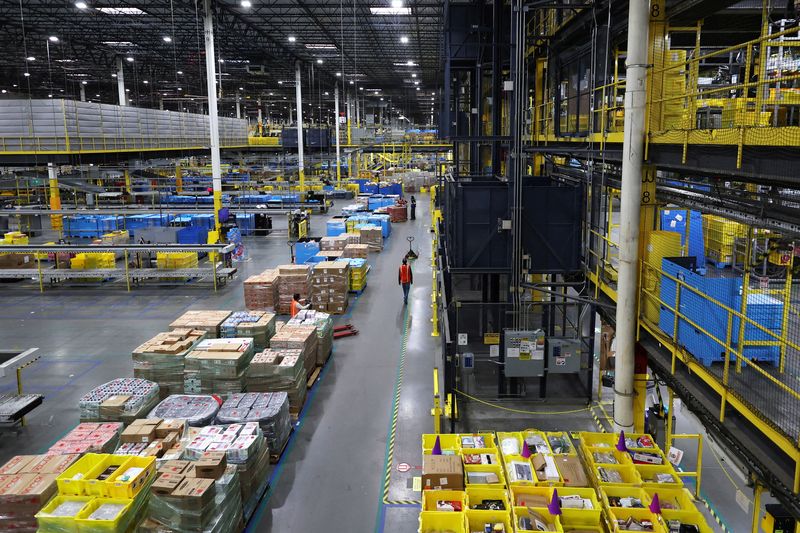
Intel Shares Surge 114%, Reaching Historic Highs


- Stock Surge: Intel's stock skyrocketed by 114% in April, pushing its market cap past $470 billion, marking the best month in its 55-year history on Nasdaq and reflecting strong market confidence in its turnaround efforts.
- Performance Recovery: Following a staggering 60% drop in 2024, Intel's stock has nearly quintupled, indicating investor optimism driven by the promising demand for its new 18A chips, particularly as data center CPU demand exceeds supply.
- Strategic Investment: The U.S. government invested $8.9 billion in Intel through the CHIPS Act, becoming its largest shareholder, with the current stake valued at over $40 billion, highlighting the government's commitment to reshaping the semiconductor industry.
- Manufacturing Capability Boost: Intel is set to collaborate with Musk's Terafab in Texas to design and manufacture ultra-high-performance chips, further solidifying its market position in advanced packaging and manufacturing, which is expected to drive significant revenue growth in the future.
See More
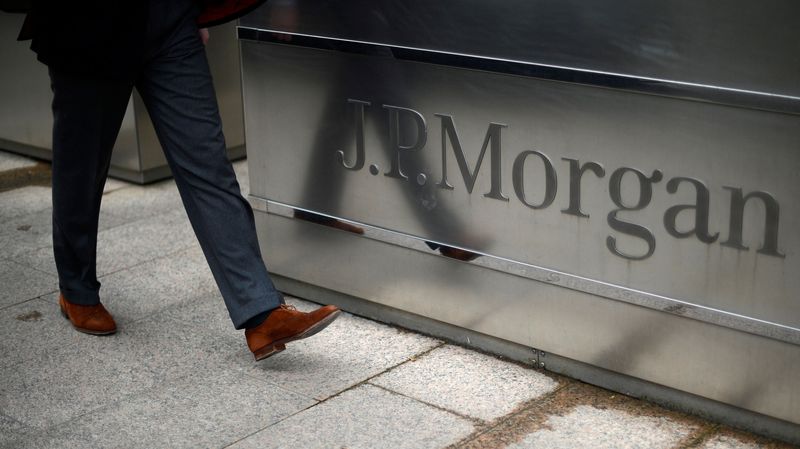
Asian Banks Tighten AI Tool Checks Amid Cybersecurity Concerns


- Escalating Cybersecurity Risks: As the latest AI models raise concerns about hackers exploiting vulnerabilities for larger cyberattacks, major banks across Asia, including those in Singapore, are tightening checks on these tools, reflecting a heightened focus on cybersecurity.
- New Model Launch: Anthropic's Claude Mythos Preview has garnered attention in the cybersecurity space, with major banks like JPMorgan Chase participating as launch partners, indicating a balance between exploring new technologies and managing associated risks.
- Market Response: The CEO of DBS Group noted that while AI tools could accelerate attackers' ability to find system weaknesses, banks can also leverage these tools to enhance their defenses, emphasizing the positive role of AI in banking operations.
- Responsible AI Use: Banks like OCBC and UOB are committed to rigorous assessments before deploying AI solutions, ensuring compliance with existing cybersecurity controls, which reflects a cautious and responsible approach to technological innovation in the financial sector.
See More

Berkshire Hathaway Hosts Shareholder Meeting Post-Buffett Tenure


- New CEO Introduction: New CEO Greg Abel will present Berkshire's business at the shareholder meeting for one hour, followed by a 2.5-hour Q&A session, showcasing his leadership capabilities and vision for the company's future.
- Financial Performance Overview: Berkshire reported a net income of $66.97 billion in 2025, down 25% from $89 billion in 2024, reflecting challenges in investment returns and market volatility while demonstrating resilience amid economic uncertainties.
- Shareholder Meeting Scale: This shareholder meeting is the largest gathering in corporate America, attracting a significant number of investors, highlighting Berkshire's importance in corporate governance and shareholder relations, especially during the transition period following Buffett's retirement.
- Leadership Change Impact: The appointment of Greg Abel as the new CEO signifies a shift in Berkshire's leadership, expected to influence the company's strategic direction and investment decisions, particularly as Abel continues to drive long-term growth strategies under Buffett's guidance.
See More

European Banks Address Private Credit Risk Concerns Amid Earnings Season


- Barclays Credit Exposure: Barclays revealed a £15 billion ($20.3 billion) exposure to private credit in its Q1 earnings, part of a total structured financing exposure of £66 billion to non-bank financial intermediaries, highlighting its risk management capabilities in a complex credit environment.
- Santander Risk Coverage: Santander's CFO stated that potential losses related to Market Financial Solutions (MFS) have been 'fully covered' in Q1, with its overall exposure to private credit being less than 1%, demonstrating the robustness of its credit systems.
- Market Reaction and Concerns: The insolvency of MFS has triggered widespread concerns over the private credit market, particularly among U.S. business development companies (BDCs), with investors increasingly focused on liquidity issues, although UBS claims its private credit investments are 'well diversified' and show no major problems.
- Credit Risk Outlook: According to Bank of America's latest credit investor survey, investment-grade investors find the asset exposure of banks and insurers 'still a bit opaque', while high-yield investors are more concerned about energy prices and inflation, indicating varied market responses to different risks.
See More

Five Steps to Contributing to a Backdoor Roth IRA

- Market Performance Review: The S&P 500 index surged 9.8% over the past 10 days, marking the 20th highest return since 1950, with historical data indicating that after 19 similar rallies, the market averaged a 20.8% increase in the following year, suggesting a positive investor sentiment that may continue to drive market confidence.
- Inheritance Spending: A study reveals that heirs convert only 61 cents of each inherited dollar into net worth within a year, with 42% of heirs completely depleting their inheritances, highlighting the inadequacies of traditional estate planning and advocating for staggered distributions to mitigate immediate spending.
- Rising Food Costs: According to Bank of America Global Research, food companies experienced a 7.9% year-over-year increase in costs in March, up from 4.2% in February, with expectations of further price hikes in the next 3 to 6 months due to rising packaging and fertilizer costs, potentially leading to sustained food price inflation.
- Roth IRA Contribution Guide: In 2026, individuals can contribute $7,500 to a Roth IRA, with an additional $1,100 for those aged 50 and over; however, high-income earners can utilize the backdoor method to contribute, following five steps to ensure compliance and maximize tax benefits.
See More

Five Steps to Contributing to a Backdoor Roth IRA
- Market Performance Review: The S&P 500 recently achieved a 9.8% rally over 10 days, marking the 20th-best return since 1950, with historical data indicating that after 19 similar rallies, the market averaged a 12-month return of 20.8%, suggesting a positive market sentiment supported by growing corporate earnings and high profit margins.
- Inheritance Spending Phenomenon: A study from the University of Alabama reveals that 42% of heirs completely spend their inheritances within a year, with each inherited dollar increasing net worth by only 61 cents, a trend prevalent among high-net-worth individuals, indicating a need for financial advisors to consider phased distributions rather than lump-sum bequests in estate planning.
- Rising Costs for Food Companies: According to Bank of America Global Research, food companies experienced a 7.9% year-over-year cost increase in March, up from 4.2% in February, primarily driven by surging fuel prices, with potential further upward pressure from rising costs of packaging and fertilizers in the coming months, impacting profit margins in the food industry.
- Roth IRA Contribution Limits: In 2026, the contribution limits for Roth IRAs phase out for single filers with incomes between $153,000 and $168,000, and for married couples filing jointly between $242,000 and $252,000, prompting high-income earners to consider backdoor Roth IRA strategies for tax optimization.
See More
Intel Shares Surge 114%, Reaching Historic Highs
- Stock Surge: Intel's stock skyrocketed by 114% in April, pushing its market cap past $470 billion, marking the best month in its 55-year history on Nasdaq and reflecting strong market confidence in its turnaround efforts.
- Performance Recovery: Following a staggering 60% drop in 2024, Intel's stock has nearly quintupled, indicating investor optimism driven by the promising demand for its new 18A chips, particularly as data center CPU demand exceeds supply.
- Strategic Investment: The U.S. government invested $8.9 billion in Intel through the CHIPS Act, becoming its largest shareholder, with the current stake valued at over $40 billion, highlighting the government's commitment to reshaping the semiconductor industry.
- Manufacturing Capability Boost: Intel is set to collaborate with Musk's Terafab in Texas to design and manufacture ultra-high-performance chips, further solidifying its market position in advanced packaging and manufacturing, which is expected to drive significant revenue growth in the future.
See More
Asian Banks Tighten AI Tool Checks Amid Cybersecurity Concerns
- Escalating Cybersecurity Risks: As the latest AI models raise concerns about hackers exploiting vulnerabilities for larger cyberattacks, major banks across Asia, including those in Singapore, are tightening checks on these tools, reflecting a heightened focus on cybersecurity.
- New Model Launch: Anthropic's Claude Mythos Preview has garnered attention in the cybersecurity space, with major banks like JPMorgan Chase participating as launch partners, indicating a balance between exploring new technologies and managing associated risks.
- Market Response: The CEO of DBS Group noted that while AI tools could accelerate attackers' ability to find system weaknesses, banks can also leverage these tools to enhance their defenses, emphasizing the positive role of AI in banking operations.
- Responsible AI Use: Banks like OCBC and UOB are committed to rigorous assessments before deploying AI solutions, ensuring compliance with existing cybersecurity controls, which reflects a cautious and responsible approach to technological innovation in the financial sector.
See More
Berkshire Hathaway Hosts Shareholder Meeting Post-Buffett Tenure
- New CEO Introduction: New CEO Greg Abel will present Berkshire's business at the shareholder meeting for one hour, followed by a 2.5-hour Q&A session, showcasing his leadership capabilities and vision for the company's future.
- Financial Performance Overview: Berkshire reported a net income of $66.97 billion in 2025, down 25% from $89 billion in 2024, reflecting challenges in investment returns and market volatility while demonstrating resilience amid economic uncertainties.
- Shareholder Meeting Scale: This shareholder meeting is the largest gathering in corporate America, attracting a significant number of investors, highlighting Berkshire's importance in corporate governance and shareholder relations, especially during the transition period following Buffett's retirement.
- Leadership Change Impact: The appointment of Greg Abel as the new CEO signifies a shift in Berkshire's leadership, expected to influence the company's strategic direction and investment decisions, particularly as Abel continues to drive long-term growth strategies under Buffett's guidance.
See More
European Banks Address Private Credit Risk Concerns Amid Earnings Season
- Barclays Credit Exposure: Barclays revealed a £15 billion ($20.3 billion) exposure to private credit in its Q1 earnings, part of a total structured financing exposure of £66 billion to non-bank financial intermediaries, highlighting its risk management capabilities in a complex credit environment.
- Santander Risk Coverage: Santander's CFO stated that potential losses related to Market Financial Solutions (MFS) have been 'fully covered' in Q1, with its overall exposure to private credit being less than 1%, demonstrating the robustness of its credit systems.
- Market Reaction and Concerns: The insolvency of MFS has triggered widespread concerns over the private credit market, particularly among U.S. business development companies (BDCs), with investors increasingly focused on liquidity issues, although UBS claims its private credit investments are 'well diversified' and show no major problems.
- Credit Risk Outlook: According to Bank of America's latest credit investor survey, investment-grade investors find the asset exposure of banks and insurers 'still a bit opaque', while high-yield investors are more concerned about energy prices and inflation, indicating varied market responses to different risks.
See More
Five Steps to Contributing to a Backdoor Roth IRA
- Market Performance Review: The S&P 500 index surged 9.8% over the past 10 days, marking the 20th highest return since 1950, with historical data indicating that after 19 similar rallies, the market averaged a 20.8% increase in the following year, suggesting a positive investor sentiment that may continue to drive market confidence.
- Inheritance Spending: A study reveals that heirs convert only 61 cents of each inherited dollar into net worth within a year, with 42% of heirs completely depleting their inheritances, highlighting the inadequacies of traditional estate planning and advocating for staggered distributions to mitigate immediate spending.
- Rising Food Costs: According to Bank of America Global Research, food companies experienced a 7.9% year-over-year increase in costs in March, up from 4.2% in February, with expectations of further price hikes in the next 3 to 6 months due to rising packaging and fertilizer costs, potentially leading to sustained food price inflation.
- Roth IRA Contribution Guide: In 2026, individuals can contribute $7,500 to a Roth IRA, with an additional $1,100 for those aged 50 and over; however, high-income earners can utilize the backdoor method to contribute, following five steps to ensure compliance and maximize tax benefits.
See More
Five Steps to Contributing to a Backdoor Roth IRA
- Market Performance Review: The S&P 500 recently achieved a 9.8% rally over 10 days, marking the 20th-best return since 1950, with historical data indicating that after 19 similar rallies, the market averaged a 12-month return of 20.8%, suggesting a positive market sentiment supported by growing corporate earnings and high profit margins.
- Inheritance Spending Phenomenon: A study from the University of Alabama reveals that 42% of heirs completely spend their inheritances within a year, with each inherited dollar increasing net worth by only 61 cents, a trend prevalent among high-net-worth individuals, indicating a need for financial advisors to consider phased distributions rather than lump-sum bequests in estate planning.
- Rising Costs for Food Companies: According to Bank of America Global Research, food companies experienced a 7.9% year-over-year cost increase in March, up from 4.2% in February, primarily driven by surging fuel prices, with potential further upward pressure from rising costs of packaging and fertilizers in the coming months, impacting profit margins in the food industry.
- Roth IRA Contribution Limits: In 2026, the contribution limits for Roth IRAs phase out for single filers with incomes between $153,000 and $168,000, and for married couples filing jointly between $242,000 and $252,000, prompting high-income earners to consider backdoor Roth IRA strategies for tax optimization.
See More