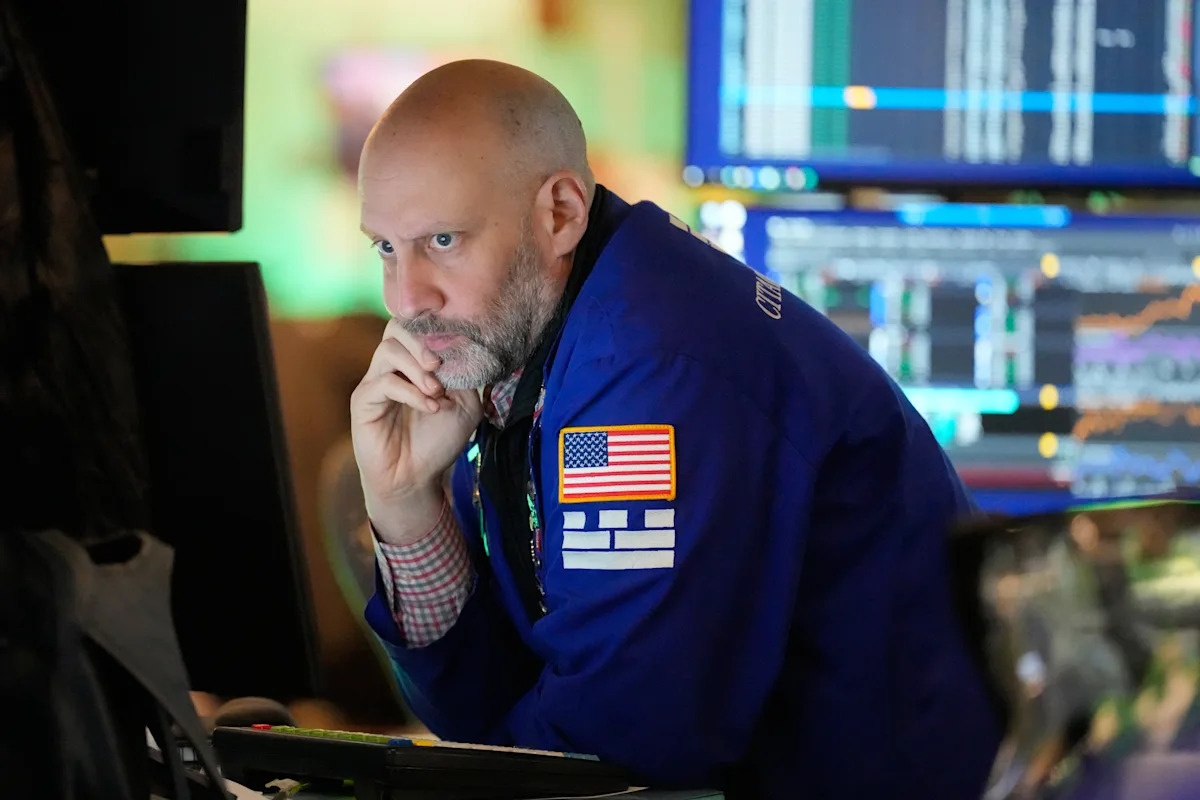
Druckenmiller Sells Sandisk, Buys Amazon Amid AI Growth
Written by Emily J. Thompson, Senior Investment Analyst
Updated: 2 days ago
0mins

Should l Buy AMZN?
Source: NASDAQ.COM
- Druckenmiller's Investment Moves: Former hedge fund manager Stanley Druckenmiller sold Sandisk and bought Amazon in Q4, reflecting his keen market insight, especially as Sandisk faces challenges due to a lack of economic moat despite benefiting from a memory chip shortage.
- Sandisk's Market Challenges: Although Sandisk achieved a 61% revenue growth to $3 billion in Q1, analysts believe its potential for market share growth is limited due to a lack of unique competitive advantages, and future cyclical fluctuations in the memory market could lead to a valuation collapse.
- Amazon's Cloud Computing Strength: Amazon's performance in cloud computing is robust, with AWS revenue growth accelerating to 24% in Q4, the fastest pace in 13 quarters, indicating that investments in AI and robotics will further enhance profitability.
- Future Outlook and Investment Opportunities: Morgan Stanley analysts project Amazon's operating margin to expand by 2 percentage points annually over the next three years, reaching 17% by 2028, making the current 30 times earnings valuation appear reasonable and attracting long-term investor interest.
Trade with 70% Backtested Accuracy
Stop guessing "Should I Buy AMZN?" and start using high-conviction signals backed by rigorous historical data.
Sign up today to access powerful investing tools and make smarter, data-driven decisions.
Analyst Views on AMZN
Wall Street analysts forecast AMZN stock price to rise
44 Analyst Rating
41 Buy
3 Hold
0 Sell
Strong Buy
Current: 213.210

Low
175.00
Averages
280.01
High
325.00
Current: 213.210
Low
175.00
Averages
280.01
High
325.00
About AMZN
Amazon.com, Inc. provides a range of products and services to customers. The products offered through its stores include merchandise and content it has purchased for resale and products offered by third-party sellers. The Company’s segments include North America, International and Amazon Web Services (AWS). It serves consumers through its online and physical stores and focuses on selection, price, and convenience. Customers access its offerings through its websites, mobile apps, Alexa, devices, streaming, and physically visiting its stores. It also manufactures and sells electronic devices, including Kindle, Fire tablet, Fire TV, Echo, Ring, Blink, and eero, and develops and produces media content. It serves developers and enterprises of all sizes, including start-ups, government agencies, and academic institutions, through AWS, which offers a set of on-demand technology services, including compute, storage, database, analytics, and machine learning, and other services.
About the author

Emily J. Thompson
Emily J. Thompson, a Chartered Financial Analyst (CFA) with 12 years in investment research, graduated with honors from the Wharton School. Specializing in industrial and technology stocks, she provides in-depth analysis for Intellectia’s earnings and market brief reports.

Amazon Pharmacy Expands Weight Loss Medication Offerings

- Medication Expansion: Amazon Pharmacy is now offering Eli Lilly's Zepbound KwikPen for same-day delivery in nearly 3,000 locations, allowing customers to purchase it starting at $299 per month with a valid prescription, significantly enhancing access to weight loss medications.
- Same-Day Delivery Service: By providing same-day delivery, Amazon Pharmacy enables customers to conveniently obtain Zepbound KwikPen, addressing the market demand for rapid medication delivery and thereby improving customer experience.
- Diverse Medication Options: In addition to Zepbound, Amazon Pharmacy also offers FDA-approved GLP-1 medications, including Mounjaro, Wegovy, and Ozempic, further enriching its weight loss product line to meet varying customer needs.
- Market Reaction: Although Amazon's shares briefly rose on the news, they subsequently surrendered gains due to broader market weakness, indicating a cautious market sentiment regarding the impact of new product launches on future stock performance.
See More
OpenAI Halts Expansion Plans with Oracle


- Partnership Termination: OpenAI has decided to halt its expansion plans with Oracle at the Stargate data center in Abilene, Texas, due to a preference for newer Nvidia graphics processing units, indicating a rejection of older technology that could impact Oracle's market position.
- Lagging Technology Updates: The current Abilene site is expected to utilize Nvidia's Blackwell processors, which are projected to come online next year, while OpenAI aims to access more powerful next-generation chips elsewhere, potentially affecting its product competitiveness.
- Increased Financial Pressure: Oracle faces a daunting $100 billion debt financing challenge, compounded by its partner Blue Owl declining to fund an additional facility and planning to cut up to 30,000 jobs, which will further exacerbate Oracle's financial strain and market confidence.
- Market Risks Emerge: Oracle's stock has dropped 23% this year and has lost over half its value since peaking in September, indicating a threat to its competitiveness in the AI infrastructure sector, especially as customer demand for the latest hardware continues to rise.
See More

Trump Administration Blacklists Anthropic, Shocking Washington Officials


- Blacklist Shock: The Trump administration's decision to blacklist Anthropic has shocked Washington officials, as the company's AI models were favored by the Department of Defense for their superior performance, leaving the military without a key technology vendor for sensitive operations.
- Contractual Risks: Designated as a supply chain risk, Anthropic must ensure defense contractors do not use its models, a label typically reserved for foreign adversaries, potentially jeopardizing hundreds of millions in contracts and imposing significant financial pressure on the company.
- Legal Challenge: Anthropic has filed a lawsuit against the Trump administration, claiming the government's actions are 'unprecedented and unlawful' and asserting that they are causing irreparable harm, which could impact its market position in the defense sector.
- Technological Dependency: Despite being blacklisted, Anthropic's Claude models are still widely used across various government agencies, and the transition to new vendors is complicated and time-consuming, which may lead to decreased efficiency for the Department of Defense during critical military operations.
See More

OpenAI Abandons Expansion Plans with Oracle
- Partnership Termination: OpenAI has decided to abandon its expansion plans with Oracle at the Stargate data center in Abilene, Texas, due to its desire for newer generations of Nvidia graphics processing units, highlighting an urgent need for technological upgrades.
- Financial Pressure: Oracle is currently burdened with over $100 billion in debt and has reported negative free cash flow, placing significant financial strain on its AI infrastructure expansion efforts, especially in competition with giants like Google and Amazon.
- Technology Update Risks: The mismatch between the 12 to 24-month construction timelines for data centers and the annual chip upgrade cycle poses a risk of infrastructure companies committing to outdated hardware, potentially undermining their competitiveness and market share.
- Market Reaction: Oracle's stock has fallen 23% this year and has lost over half its value since peaking in September, with investors closely monitoring its upcoming earnings report and $50 billion capital expenditure plan, reflecting growing concerns about its future prospects.
See More

Anthropic Faces Pentagon Ban Amid Controversy

- Pentagon Ban: The Department of Defense has designated Anthropic as a supply chain risk, prohibiting its technology from use in sensitive military environments, jeopardizing hundreds of millions in contracts and straining its relationship with the Pentagon.
- Legal Challenge: Anthropic has filed a lawsuit against the Trump administration, claiming the ban is 'unprecedented and unlawful' and asserting that it causes irreparable harm to the company, potentially threatening its future business prospects.
- Technological Dependence: Despite the shocking decision, many officials view Anthropic's AI models as superior for military applications, particularly in their integration with existing contractors like Palantir, highlighting a significant reliance on this technology.
- Market Pressure: Since its founding in 2021, Anthropic has raised billions, achieving a valuation of $380 billion, but faces intense competition from rivals like OpenAI, forcing it to accelerate commercialization efforts to maintain its market position.
See More

Tesla Faces Demand Weakness Challenges

- Weakening Demand: Tesla is experiencing declining demand across several global markets in 2025, which poses a challenge to its lofty valuation, highlighting a gap between market expectations and actual sales performance.
- Overinflated Valuation: Market experts argue that Tesla's stock price, currently at $388.85, is inflated due to Elon Musk's loyal fan base, with shares down over 20% from their 52-week high, indicating excessive optimism among investors regarding future growth.
- Revised Delivery Expectations: Analysts have revised their delivery estimates for Tesla to only 2.8 million vehicles by 2030, significantly lower than the previous target of 20 million, reflecting a diminishing confidence in the company's growth trajectory.
- Increased Competition: With rising competition in the autonomous driving sector and a forward price-to-earnings ratio exceeding 200x, analysts express caution regarding Tesla's future performance, advising investors to remain wary of Musk's overly optimistic statements.
See More
Amazon Pharmacy Expands Weight Loss Medication Offerings
- Medication Expansion: Amazon Pharmacy is now offering Eli Lilly's Zepbound KwikPen for same-day delivery in nearly 3,000 locations, allowing customers to purchase it starting at $299 per month with a valid prescription, significantly enhancing access to weight loss medications.
- Same-Day Delivery Service: By providing same-day delivery, Amazon Pharmacy enables customers to conveniently obtain Zepbound KwikPen, addressing the market demand for rapid medication delivery and thereby improving customer experience.
- Diverse Medication Options: In addition to Zepbound, Amazon Pharmacy also offers FDA-approved GLP-1 medications, including Mounjaro, Wegovy, and Ozempic, further enriching its weight loss product line to meet varying customer needs.
- Market Reaction: Although Amazon's shares briefly rose on the news, they subsequently surrendered gains due to broader market weakness, indicating a cautious market sentiment regarding the impact of new product launches on future stock performance.
See More
OpenAI Halts Expansion Plans with Oracle
- Partnership Termination: OpenAI has decided to halt its expansion plans with Oracle at the Stargate data center in Abilene, Texas, due to a preference for newer Nvidia graphics processing units, indicating a rejection of older technology that could impact Oracle's market position.
- Lagging Technology Updates: The current Abilene site is expected to utilize Nvidia's Blackwell processors, which are projected to come online next year, while OpenAI aims to access more powerful next-generation chips elsewhere, potentially affecting its product competitiveness.
- Increased Financial Pressure: Oracle faces a daunting $100 billion debt financing challenge, compounded by its partner Blue Owl declining to fund an additional facility and planning to cut up to 30,000 jobs, which will further exacerbate Oracle's financial strain and market confidence.
- Market Risks Emerge: Oracle's stock has dropped 23% this year and has lost over half its value since peaking in September, indicating a threat to its competitiveness in the AI infrastructure sector, especially as customer demand for the latest hardware continues to rise.
See More
Trump Administration Blacklists Anthropic, Shocking Washington Officials
- Blacklist Shock: The Trump administration's decision to blacklist Anthropic has shocked Washington officials, as the company's AI models were favored by the Department of Defense for their superior performance, leaving the military without a key technology vendor for sensitive operations.
- Contractual Risks: Designated as a supply chain risk, Anthropic must ensure defense contractors do not use its models, a label typically reserved for foreign adversaries, potentially jeopardizing hundreds of millions in contracts and imposing significant financial pressure on the company.
- Legal Challenge: Anthropic has filed a lawsuit against the Trump administration, claiming the government's actions are 'unprecedented and unlawful' and asserting that they are causing irreparable harm, which could impact its market position in the defense sector.
- Technological Dependency: Despite being blacklisted, Anthropic's Claude models are still widely used across various government agencies, and the transition to new vendors is complicated and time-consuming, which may lead to decreased efficiency for the Department of Defense during critical military operations.
See More
OpenAI Abandons Expansion Plans with Oracle
- Partnership Termination: OpenAI has decided to abandon its expansion plans with Oracle at the Stargate data center in Abilene, Texas, due to its desire for newer generations of Nvidia graphics processing units, highlighting an urgent need for technological upgrades.
- Financial Pressure: Oracle is currently burdened with over $100 billion in debt and has reported negative free cash flow, placing significant financial strain on its AI infrastructure expansion efforts, especially in competition with giants like Google and Amazon.
- Technology Update Risks: The mismatch between the 12 to 24-month construction timelines for data centers and the annual chip upgrade cycle poses a risk of infrastructure companies committing to outdated hardware, potentially undermining their competitiveness and market share.
- Market Reaction: Oracle's stock has fallen 23% this year and has lost over half its value since peaking in September, with investors closely monitoring its upcoming earnings report and $50 billion capital expenditure plan, reflecting growing concerns about its future prospects.
See More
Anthropic Faces Pentagon Ban Amid Controversy
- Pentagon Ban: The Department of Defense has designated Anthropic as a supply chain risk, prohibiting its technology from use in sensitive military environments, jeopardizing hundreds of millions in contracts and straining its relationship with the Pentagon.
- Legal Challenge: Anthropic has filed a lawsuit against the Trump administration, claiming the ban is 'unprecedented and unlawful' and asserting that it causes irreparable harm to the company, potentially threatening its future business prospects.
- Technological Dependence: Despite the shocking decision, many officials view Anthropic's AI models as superior for military applications, particularly in their integration with existing contractors like Palantir, highlighting a significant reliance on this technology.
- Market Pressure: Since its founding in 2021, Anthropic has raised billions, achieving a valuation of $380 billion, but faces intense competition from rivals like OpenAI, forcing it to accelerate commercialization efforts to maintain its market position.
See More
Tesla Faces Demand Weakness Challenges
- Weakening Demand: Tesla is experiencing declining demand across several global markets in 2025, which poses a challenge to its lofty valuation, highlighting a gap between market expectations and actual sales performance.
- Overinflated Valuation: Market experts argue that Tesla's stock price, currently at $388.85, is inflated due to Elon Musk's loyal fan base, with shares down over 20% from their 52-week high, indicating excessive optimism among investors regarding future growth.
- Revised Delivery Expectations: Analysts have revised their delivery estimates for Tesla to only 2.8 million vehicles by 2030, significantly lower than the previous target of 20 million, reflecting a diminishing confidence in the company's growth trajectory.
- Increased Competition: With rising competition in the autonomous driving sector and a forward price-to-earnings ratio exceeding 200x, analysts express caution regarding Tesla's future performance, advising investors to remain wary of Musk's overly optimistic statements.
See More