DOGE Releases Largest Medicaid Dataset for Fraud Detection
Written by Emily J. Thompson, Senior Investment Analyst
Updated: Feb 14 2026
0mins
Source: Benzinga
- Dataset Scale: The Department of Government Efficiency (DOGE) open-sourced the largest Medicaid dataset in its history on Friday, covering aggregated provider-level claims data from January 2018 to December 2024, showcasing the extensive impact of Medicaid.
- Fraud Detection Capability: This dataset enables effective identification of fraud patterns by providing claims information categorized by provider, procedure, and month, particularly highlighting the large-scale autism diagnosis fraud case in Minnesota, demonstrating its potential application value.
- Privacy Protection Measures: To safeguard beneficiary privacy, the dataset employs cell suppression techniques, ensuring that rows with fewer than 12 total claims are entirely removed, thus maintaining individual privacy while providing data transparency.
- Data Quality Issues: The accuracy of the data relies on submissions from each state to the Transformed Medicaid Statistical Information System; however, varying data quality issues across states may affect the overall reliability and usability of the dataset.
Trade with 70% Backtested Accuracy
Stop guessing "Should I Buy TSLA?" and start using high-conviction signals backed by rigorous historical data.
Sign up today to access powerful investing tools and make smarter, data-driven decisions.
Analyst Views on TSLA
Wall Street analysts forecast TSLA stock price to fall
30 Analyst Rating
12 Buy
11 Hold
7 Sell
Hold
Current: 408.950

Low
25.28
Averages
401.93
High
600.00
Current: 408.950
Low
25.28
Averages
401.93
High
600.00
About TSLA
Tesla, Inc. designs, develops, manufactures, sells and leases high-performance fully electric vehicles and energy generation and storage systems, and offers services related to its products. Its segments include automotive, and energy generation and storage. The automotive segment includes the design, development, manufacturing, sales and leasing of high-performance fully electric vehicles, and sales of automotive regulatory credits. It also includes sales of used vehicles, non-warranty maintenance services and collisions, part sales, paid supercharging, insurance services revenue and retail merchandise sales. The energy generation and storage segment include the design, manufacture, installation, sales and leasing of solar energy generation and energy storage products and related services and sales of solar energy systems incentives. Its consumer vehicles include the Model 3, Y, S, X and Cybertruck. Its lithium-ion battery energy storage products include Powerwall and Megapack.
About the author

Emily J. Thompson
Emily J. Thompson, a Chartered Financial Analyst (CFA) with 12 years in investment research, graduated with honors from the Wharton School. Specializing in industrial and technology stocks, she provides in-depth analysis for Intellectia’s earnings and market brief reports.
SpaceX Set for Historic IPO, Potentially Raising $75 Billion

- Record IPO Size: SpaceX is set to go public on June 12, aiming to raise up to $75 billion, which would surpass the $29.4 billion record set by Saudi Aramco in 2019, marking a significant milestone for the company in capital markets.
- Market Valuation Outlook: If successful, SpaceX's market capitalization could reach $1.8 trillion, placing it among the top ten most valuable companies globally and surpassing Tesla, further solidifying Elon Musk's leadership in the tech sector.
- Starlink Profitability: Starlink, as the profitable core of SpaceX, generated $11.4 billion of the company's total $18.7 billion revenue last year, with a 50% growth rate, demonstrating strong performance in the satellite internet market and supporting the company's overall financial health.
- AI Business Challenges: While SpaceX dominates the space launch market, its AI division, xAI, faces intense competition, achieving only $1.4 billion in sales last year while burning about $1 billion monthly, leaving its future profitability uncertain and potentially impacting overall valuation.
See More
Tesla Launches Unsupervised Robotaxi Service in Austin
- Robotaxi Service Launch: Tesla's launch of its unsupervised robotaxi service in Austin represents a significant step towards fully autonomous operations, which is expected to enhance future revenue potential and solidify its leadership in the electric vehicle market.
- Sales Recovery in China: According to the China Passenger Car Association, Tesla's retail sales surged 22.5% in May to 47,281 vehicles, breaking a two-month streak of declining sales, indicating a recovery in market demand.
- Stock Price Volatility and Market Reaction: Following the announcement, Tesla's shares rose by 5.5%, although they later cooled to $409.76, still reflecting a 4.8% increase from the previous close, indicating a positive market reaction but not a fundamental shift in perception.
- Analyst Rating Adjustment: JPMorgan upgraded Tesla's rating from Underweight to Neutral, raising the price target by 228% to $475, yet analysts remain cautious about the company's future profitability, noting the lack of genuinely new vehicle launches that could justify its current valuation.
See More
SpaceX Set for Historic IPO, Aiming to Raise $75 Billion
- Record-Breaking IPO: SpaceX is set to debut on the Nasdaq on June 12, aiming to raise $75 billion, which will value the company at approximately $1.77 trillion, making it the largest IPO in history and positioning it among the world's largest publicly traded companies.
- Market Disruption Potential: Analysts at Oppenheimer expect SpaceX to disrupt the $1.6 trillion U.S. communications industry through its Starlink satellite internet service, with space revenue targets raised from $500 billion to $800 billion by 2035.
- User Growth Expectations: Oppenheimer also increased its target for U.S.-based Starlink broadband subscribers in 2030 from 10 million to 15 million, anticipating that Starlink will be embedded in critical applications, enjoying low churn rates and strong pricing power, further solidifying its market position.
- Synergies with Tesla: While a merger remains speculative, analysts believe that the business synergies between SpaceX and Tesla will drive demand for its AI and communications technologies, particularly as Tesla expands in autonomous vehicles and robotics, creating new growth opportunities for SpaceX.
See More
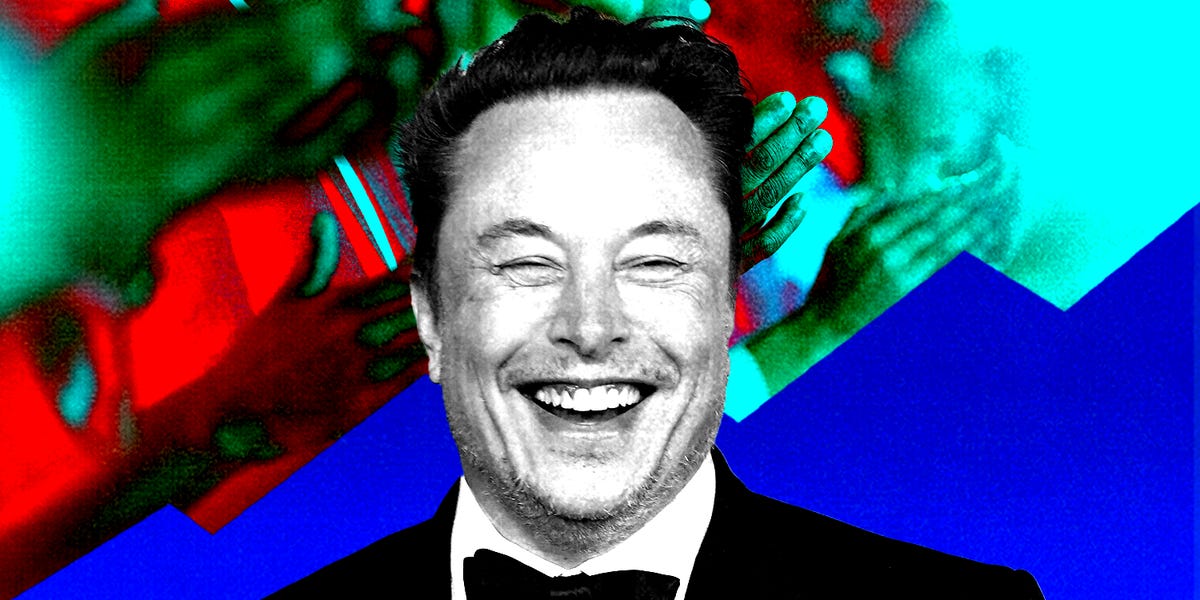
Tesla Secures Approval for Full Self-Driving Software in Denmark
- Denmark Approves FSD Software: Tesla has secured approval for its full self-driving driver assistance software in Denmark, marking a significant step in its efforts to expand services across Europe, although EU-wide approval remains distant.
- Regulatory Framework Differences: The Danish Road Traffic Authority has cleared the advanced driver-assistance system for public road use, with rollout to Danish Tesla owners expected soon, although FSD requires driver supervision, keeping drivers fully responsible for the vehicle.
- European Market Expansion: Denmark joins the ranks of European nations like the Netherlands, Lithuania, and Estonia that have approved the software, indicating Tesla's gradual penetration into the European market.
- Chinese Market Dynamics: Tesla is also pursuing similar regulatory approval in China, where FSD is available despite not having full approval, reflecting the company's proactive strategy in global markets.
See More
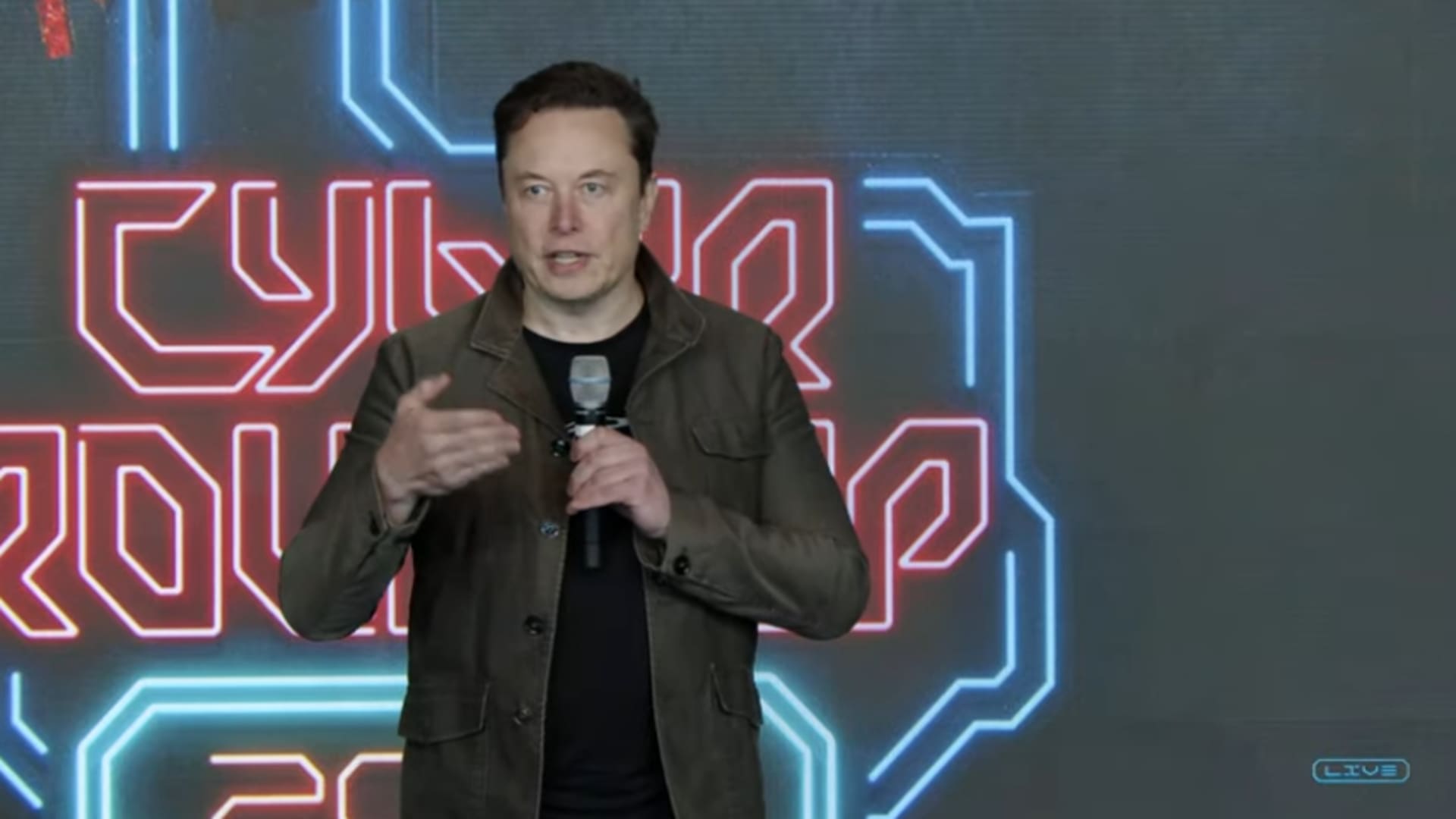
Tesla Secures Approval for Full Self-Driving Software in Denmark
- Denmark Approves FSD Software: Tesla has secured approval for its full self-driving driver assistance software in Denmark, marking a significant step in its efforts to expand services across Europe, with rollout to Danish Tesla owners expected soon, thereby enhancing its competitive position in the European market.
- European Market Expansion: This approval makes Denmark the latest European nation to endorse the software, following the Netherlands, Lithuania, and Estonia, although EU-wide approval remains distant, indicating Tesla's ongoing efforts to promote FSD technology adoption.
- Regulatory Pursuit in China: Tesla is also seeking similar regulatory approval for FSD in China, its second-largest market, having launched FSD there in May despite awaiting full approval in April, demonstrating its proactive strategy in global market penetration.
- Market Reaction: Despite the approval in Denmark, TSLA shares fell 4% at the time of writing, reflecting investor concerns over other business distractions, including SpaceX's IPO and delays in the Roadster vehicle, highlighting the complexity of market sentiment around the stock.
See More

SpaceX Sets IPO Price at $135, Targeting $1.77 Trillion Valuation


- IPO Pricing Strategy: SpaceX has set its IPO price at $135, targeting a staggering market valuation of $1.77 trillion, indicating strong investor confidence in its future growth potential.
- Revenue and Loss Context: Despite generating $18.7 billion in revenue last year, SpaceX reported an operating loss of $4.2 billion, a financial profile that stands out among the nine public trillion-dollar companies, highlighting its high-risk, high-reward business model.
- Retail Investor Allocation: The company plans to allocate approximately 30% of shares, amounting to $22.5 billion, to retail investors, significantly higher than the typical 5% to 10% range, aiming to enhance ordinary investor engagement and market activity.
- Innovative Allocation Process: With the price set in advance, SpaceX can expedite the share allocation process, facilitating a quicker IPO timeline and ensuring all shares are distributed before market opening, thereby improving market efficiency.
See More
SpaceX Set for Historic IPO, Potentially Raising $75 Billion
- Record IPO Size: SpaceX is set to go public on June 12, aiming to raise up to $75 billion, which would surpass the $29.4 billion record set by Saudi Aramco in 2019, marking a significant milestone for the company in capital markets.
- Market Valuation Outlook: If successful, SpaceX's market capitalization could reach $1.8 trillion, placing it among the top ten most valuable companies globally and surpassing Tesla, further solidifying Elon Musk's leadership in the tech sector.
- Starlink Profitability: Starlink, as the profitable core of SpaceX, generated $11.4 billion of the company's total $18.7 billion revenue last year, with a 50% growth rate, demonstrating strong performance in the satellite internet market and supporting the company's overall financial health.
- AI Business Challenges: While SpaceX dominates the space launch market, its AI division, xAI, faces intense competition, achieving only $1.4 billion in sales last year while burning about $1 billion monthly, leaving its future profitability uncertain and potentially impacting overall valuation.
See More
Tesla Launches Unsupervised Robotaxi Service in Austin
- Robotaxi Service Launch: Tesla's launch of its unsupervised robotaxi service in Austin represents a significant step towards fully autonomous operations, which is expected to enhance future revenue potential and solidify its leadership in the electric vehicle market.
- Sales Recovery in China: According to the China Passenger Car Association, Tesla's retail sales surged 22.5% in May to 47,281 vehicles, breaking a two-month streak of declining sales, indicating a recovery in market demand.
- Stock Price Volatility and Market Reaction: Following the announcement, Tesla's shares rose by 5.5%, although they later cooled to $409.76, still reflecting a 4.8% increase from the previous close, indicating a positive market reaction but not a fundamental shift in perception.
- Analyst Rating Adjustment: JPMorgan upgraded Tesla's rating from Underweight to Neutral, raising the price target by 228% to $475, yet analysts remain cautious about the company's future profitability, noting the lack of genuinely new vehicle launches that could justify its current valuation.
See More
SpaceX Set for Historic IPO, Aiming to Raise $75 Billion
- Record-Breaking IPO: SpaceX is set to debut on the Nasdaq on June 12, aiming to raise $75 billion, which will value the company at approximately $1.77 trillion, making it the largest IPO in history and positioning it among the world's largest publicly traded companies.
- Market Disruption Potential: Analysts at Oppenheimer expect SpaceX to disrupt the $1.6 trillion U.S. communications industry through its Starlink satellite internet service, with space revenue targets raised from $500 billion to $800 billion by 2035.
- User Growth Expectations: Oppenheimer also increased its target for U.S.-based Starlink broadband subscribers in 2030 from 10 million to 15 million, anticipating that Starlink will be embedded in critical applications, enjoying low churn rates and strong pricing power, further solidifying its market position.
- Synergies with Tesla: While a merger remains speculative, analysts believe that the business synergies between SpaceX and Tesla will drive demand for its AI and communications technologies, particularly as Tesla expands in autonomous vehicles and robotics, creating new growth opportunities for SpaceX.
See More
Tesla Secures Approval for Full Self-Driving Software in Denmark
- Denmark Approves FSD Software: Tesla has secured approval for its full self-driving driver assistance software in Denmark, marking a significant step in its efforts to expand services across Europe, although EU-wide approval remains distant.
- Regulatory Framework Differences: The Danish Road Traffic Authority has cleared the advanced driver-assistance system for public road use, with rollout to Danish Tesla owners expected soon, although FSD requires driver supervision, keeping drivers fully responsible for the vehicle.
- European Market Expansion: Denmark joins the ranks of European nations like the Netherlands, Lithuania, and Estonia that have approved the software, indicating Tesla's gradual penetration into the European market.
- Chinese Market Dynamics: Tesla is also pursuing similar regulatory approval in China, where FSD is available despite not having full approval, reflecting the company's proactive strategy in global markets.
See More
Tesla Secures Approval for Full Self-Driving Software in Denmark
- Denmark Approves FSD Software: Tesla has secured approval for its full self-driving driver assistance software in Denmark, marking a significant step in its efforts to expand services across Europe, with rollout to Danish Tesla owners expected soon, thereby enhancing its competitive position in the European market.
- European Market Expansion: This approval makes Denmark the latest European nation to endorse the software, following the Netherlands, Lithuania, and Estonia, although EU-wide approval remains distant, indicating Tesla's ongoing efforts to promote FSD technology adoption.
- Regulatory Pursuit in China: Tesla is also seeking similar regulatory approval for FSD in China, its second-largest market, having launched FSD there in May despite awaiting full approval in April, demonstrating its proactive strategy in global market penetration.
- Market Reaction: Despite the approval in Denmark, TSLA shares fell 4% at the time of writing, reflecting investor concerns over other business distractions, including SpaceX's IPO and delays in the Roadster vehicle, highlighting the complexity of market sentiment around the stock.
See More
SpaceX Sets IPO Price at $135, Targeting $1.77 Trillion Valuation
- IPO Pricing Strategy: SpaceX has set its IPO price at $135, targeting a staggering market valuation of $1.77 trillion, indicating strong investor confidence in its future growth potential.
- Revenue and Loss Context: Despite generating $18.7 billion in revenue last year, SpaceX reported an operating loss of $4.2 billion, a financial profile that stands out among the nine public trillion-dollar companies, highlighting its high-risk, high-reward business model.
- Retail Investor Allocation: The company plans to allocate approximately 30% of shares, amounting to $22.5 billion, to retail investors, significantly higher than the typical 5% to 10% range, aiming to enhance ordinary investor engagement and market activity.
- Innovative Allocation Process: With the price set in advance, SpaceX can expedite the share allocation process, facilitating a quicker IPO timeline and ensuring all shares are distributed before market opening, thereby improving market efficiency.
See More