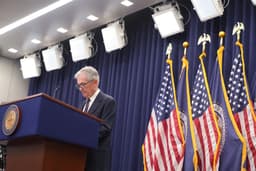
Department of Education Delays Involuntary Collections on Federal Student Loans

The Department of Education announced that it will delay the implementation of involuntary collections on federal student loans, including Administrative Wage Garnishment and the Treasury Offset Program. "The temporary delay will enable the Department to implement major student loan repayment reforms under the Working Families Tax Cuts Act to give borrowers more options to repay their loans," the agency said in a statement. "These reforms, which include simplifying repayment options and providing an additional opportunity for borrowers to rehabilitate their federal student loans, reflect the Trump Administration's commitment to provide better support for current and future borrowers in repayment," it added. SLM (SLM), Navient (NAVI), Nelnet (NNI) and SoFi Technologies (SOFI) have exposure to student loans.
Trade with 70% Backtested Accuracy
Analyst Views on NAVI

About NAVI
About the author


New Regulations Impacting Parent PLUS Loan Repayment Plans

- Repayment Plan Changes: Starting July 1, under Trump's 'One Big Beautiful Bill,' Parent PLUS borrowers will only have the new Standard Repayment Plan, which extends repayment terms and increases interest costs, potentially jeopardizing their financial stability.
- Loan Limit Restrictions: The new regulations impose an annual borrowing limit of $20,000 and a lifetime cap of $65,000 for Parent PLUS loans, which will restrict parents' ability to finance their children's education and may exacerbate educational debt burdens.
- Need for Loan Consolidation: Borrowers must apply for Direct Consolidation Loans by March 31 to maintain access to Income-Driven Repayment plans; failing to consolidate in time could result in losing loan forgiveness options and increasing financial strain.
- Importance of Future Planning: Parent borrowers need to plan ahead, as taking out new Parent PLUS loans after July 1, 2026, will forfeit access to Income-Driven Repayment plans, forcing them into the new Standard Repayment Plan, which could adversely affect their long-term financial health.
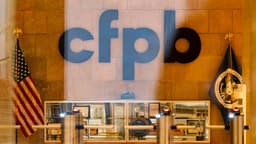
Record Student Loan Complaints Reported, CFPB Omits Key Details
- Surge in Complaints: The CFPB report indicates that federal student loan complaints reached 18,400 for the year ending June 30, 2025, marking a 36% increase from the previous year and highlighting the growing challenges borrowers face, which could undermine trust in government student loan policies.
- Missing Report Details: Although the CFPB published a 21-page report, it omitted critical information regarding the nature of borrower complaints and the loan servicers involved, potentially leading to a lack of public understanding of student loan issues and affecting policy transparency and effectiveness.
- Borrower Hardships Intensify: Approximately 9 million individuals are currently in default on their education debt, with over 800,000 borrowers awaiting decisions on applications for affordable repayment plans, indicating significant pressure and uncertainty for borrowers under the Trump administration.
- Lack of Policy Recommendations: The CFPB's report fails to include recommendations for student loan cancellation and solutions, with experts noting that this omission could hinder defaulting borrowers from receiving necessary assistance, exacerbating the crisis in the student loan market.

Growing Backlog in Student Loan Forgiveness Applications
- Current Backlog Status: As of November, over 80,210 applicants are waiting in the backlog for Public Service Loan Forgiveness (PSLF) buyback applications, an increase from 74,510 in August, indicating the Department of Education's processing capacity is insufficient, which negatively impacts borrowers' financial planning and psychological expectations.
- Policy Background Analysis: Since its implementation in 2007, the PSLF program aims to provide loan forgiveness to borrowers working for certain non-profits or government entities, but delays affecting over 83,000 borrowers during the Trump administration have hindered their debt repayment progress.
- Borrower Reactions: Many borrowers feel discouraged by the long wait times, with some expressing skepticism about the approval of their applications, highlighting the need for improved transparency and efficiency from the Department of Education, which may lead to concerns about their future financial situations.
- Future Outlook: Despite the backlog, experts still recommend that eligible borrowers continue to apply for PSLF buyback, emphasizing the importance of making loan payments during the wait to avoid losing forgiveness eligibility due to plan changes, ensuring borrowers can successfully achieve debt relief.

Debt Influences Dating Preferences Among Americans
- Debt as a Dealbreaker: The 2026 Debt and Dating Research Report by Earnest reveals that 55% of participants consider at least one type of debt a dealbreaker, with payday loans (41%) and high-interest credit card debt (14%) being the most significant, indicating that debt is increasingly shaping dating preferences among Americans.
- Communication Gaps Heighten Tension: Despite 60% of respondents identifying money as the primary source of relationship tension, 61% wait until they are officially exclusive to disclose their debt, creating a silence that often exacerbates stress, mistrust, and conflict, highlighting a significant communication barrier regarding financial issues.
- Importance of Clear Plans: Emily Childers, CMO of Earnest, emphasizes that unmanaged debt is perceived as unmanaged life; while debt itself may not be a dealbreaker, the absence of a clear repayment strategy can turn it into a red flag, underscoring the necessity of having a defined financial plan in dating.
- Research Methodology and Context: The study is based on proprietary data collected in November 2025, including an anonymous survey of 1,102 Americans and qualitative insights from five in-depth user interviews, demonstrating the profound impact of debt on interpersonal relationships and the need for financial transparency in modern dating.

Navient Corporation Q4 2025 Earnings Call Insights

- Leadership Changes: Navient appointed Steve Hauber as CFO and is searching for a fintech-experienced CFO to better align with its strategic goals, which is expected to enhance management efficiency and business execution.
- Significant Cost Reductions: The company successfully completed Phase 1 of its transformation, exceeding its $400 million expense reduction goal, which is projected to increase future loan cash flows by $2 billion, enhancing financial flexibility and supporting new growth initiatives.
- Innovative Loan Issuance: Earnest achieved total loan originations of $2.5 billion in 2025, with refinancing loans reaching $2.1 billion, and targets $4 billion in total loan originations for 2026, representing over 60% growth, indicating strong market demand.
- Optimistic Financial Outlook: Management expects core EPS for 2026 to range between $0.65 and $0.80, with expenses reduced to $350 million, reflecting confidence in future growth while emphasizing ongoing attention to credit quality.
Navient Reports Q4 Earnings Miss with Strategic Transformation Updates
- Earnings Miss: Navient reported a Q4 non-GAAP EPS of $0.02, missing estimates by $0.29, indicating challenges in profitability that could undermine investor confidence.
- Significant Revenue Decline: The company's Q4 revenue of $137 million represents a 38.6% year-over-year decline, falling short of expectations, reflecting ongoing weakness in its core business that may hinder future growth.
- Strategic Transformation Progress: In its earnings report, Navient discussed progress in the strategic transformation of its Earnest division, demonstrating a commitment to innovation and market expansion despite financial challenges, which suggests long-term growth potential.
- Executive Change: Navient appointed Steve Hauber as CFO, a leadership change that may bring new financial strategies and management direction aimed at improving financial performance and enhancing market competitiveness.
New Regulations Impacting Parent PLUS Loan Repayment Plans
- Repayment Plan Changes: Starting July 1, under Trump's 'One Big Beautiful Bill,' Parent PLUS borrowers will only have the new Standard Repayment Plan, which extends repayment terms and increases interest costs, potentially jeopardizing their financial stability.
- Loan Limit Restrictions: The new regulations impose an annual borrowing limit of $20,000 and a lifetime cap of $65,000 for Parent PLUS loans, which will restrict parents' ability to finance their children's education and may exacerbate educational debt burdens.
- Need for Loan Consolidation: Borrowers must apply for Direct Consolidation Loans by March 31 to maintain access to Income-Driven Repayment plans; failing to consolidate in time could result in losing loan forgiveness options and increasing financial strain.
- Importance of Future Planning: Parent borrowers need to plan ahead, as taking out new Parent PLUS loans after July 1, 2026, will forfeit access to Income-Driven Repayment plans, forcing them into the new Standard Repayment Plan, which could adversely affect their long-term financial health.
Record Student Loan Complaints Reported, CFPB Omits Key Details
- Surge in Complaints: The CFPB report indicates that federal student loan complaints reached 18,400 for the year ending June 30, 2025, marking a 36% increase from the previous year and highlighting the growing challenges borrowers face, which could undermine trust in government student loan policies.
- Missing Report Details: Although the CFPB published a 21-page report, it omitted critical information regarding the nature of borrower complaints and the loan servicers involved, potentially leading to a lack of public understanding of student loan issues and affecting policy transparency and effectiveness.
- Borrower Hardships Intensify: Approximately 9 million individuals are currently in default on their education debt, with over 800,000 borrowers awaiting decisions on applications for affordable repayment plans, indicating significant pressure and uncertainty for borrowers under the Trump administration.
- Lack of Policy Recommendations: The CFPB's report fails to include recommendations for student loan cancellation and solutions, with experts noting that this omission could hinder defaulting borrowers from receiving necessary assistance, exacerbating the crisis in the student loan market.
Growing Backlog in Student Loan Forgiveness Applications
- Current Backlog Status: As of November, over 80,210 applicants are waiting in the backlog for Public Service Loan Forgiveness (PSLF) buyback applications, an increase from 74,510 in August, indicating the Department of Education's processing capacity is insufficient, which negatively impacts borrowers' financial planning and psychological expectations.
- Policy Background Analysis: Since its implementation in 2007, the PSLF program aims to provide loan forgiveness to borrowers working for certain non-profits or government entities, but delays affecting over 83,000 borrowers during the Trump administration have hindered their debt repayment progress.
- Borrower Reactions: Many borrowers feel discouraged by the long wait times, with some expressing skepticism about the approval of their applications, highlighting the need for improved transparency and efficiency from the Department of Education, which may lead to concerns about their future financial situations.
- Future Outlook: Despite the backlog, experts still recommend that eligible borrowers continue to apply for PSLF buyback, emphasizing the importance of making loan payments during the wait to avoid losing forgiveness eligibility due to plan changes, ensuring borrowers can successfully achieve debt relief.
Debt Influences Dating Preferences Among Americans
- Debt as a Dealbreaker: The 2026 Debt and Dating Research Report by Earnest reveals that 55% of participants consider at least one type of debt a dealbreaker, with payday loans (41%) and high-interest credit card debt (14%) being the most significant, indicating that debt is increasingly shaping dating preferences among Americans.
- Communication Gaps Heighten Tension: Despite 60% of respondents identifying money as the primary source of relationship tension, 61% wait until they are officially exclusive to disclose their debt, creating a silence that often exacerbates stress, mistrust, and conflict, highlighting a significant communication barrier regarding financial issues.
- Importance of Clear Plans: Emily Childers, CMO of Earnest, emphasizes that unmanaged debt is perceived as unmanaged life; while debt itself may not be a dealbreaker, the absence of a clear repayment strategy can turn it into a red flag, underscoring the necessity of having a defined financial plan in dating.
- Research Methodology and Context: The study is based on proprietary data collected in November 2025, including an anonymous survey of 1,102 Americans and qualitative insights from five in-depth user interviews, demonstrating the profound impact of debt on interpersonal relationships and the need for financial transparency in modern dating.
Navient Corporation Q4 2025 Earnings Call Insights
- Leadership Changes: Navient appointed Steve Hauber as CFO and is searching for a fintech-experienced CFO to better align with its strategic goals, which is expected to enhance management efficiency and business execution.
- Significant Cost Reductions: The company successfully completed Phase 1 of its transformation, exceeding its $400 million expense reduction goal, which is projected to increase future loan cash flows by $2 billion, enhancing financial flexibility and supporting new growth initiatives.
- Innovative Loan Issuance: Earnest achieved total loan originations of $2.5 billion in 2025, with refinancing loans reaching $2.1 billion, and targets $4 billion in total loan originations for 2026, representing over 60% growth, indicating strong market demand.
- Optimistic Financial Outlook: Management expects core EPS for 2026 to range between $0.65 and $0.80, with expenses reduced to $350 million, reflecting confidence in future growth while emphasizing ongoing attention to credit quality.
Navient Reports Q4 Earnings Miss with Strategic Transformation Updates
- Earnings Miss: Navient reported a Q4 non-GAAP EPS of $0.02, missing estimates by $0.29, indicating challenges in profitability that could undermine investor confidence.
- Significant Revenue Decline: The company's Q4 revenue of $137 million represents a 38.6% year-over-year decline, falling short of expectations, reflecting ongoing weakness in its core business that may hinder future growth.
- Strategic Transformation Progress: In its earnings report, Navient discussed progress in the strategic transformation of its Earnest division, demonstrating a commitment to innovation and market expansion despite financial challenges, which suggests long-term growth potential.
- Executive Change: Navient appointed Steve Hauber as CFO, a leadership change that may bring new financial strategies and management direction aimed at improving financial performance and enhancing market competitiveness.