Delta and United Airlines Dominate Premium Market
Written by Emily J. Thompson, Senior Investment Analyst
Updated: 1 hour ago
0mins
Source: seekingalpha
- Market Dominance: Delta Air Lines (DAL) and United Airlines (UAL) are emerging as the dominant 'premium carriers' in the airline industry, significantly benefiting as lower-margin competitors are forced to cut capacity, which is expected to further solidify their market positions.
- Enhanced Pricing Power: While ticket prices for Delta and United remained flat in Q4, they are projected to rise by 6%-7% in Q1 and potentially reach double digits in Q2, indicating their strong ability to pass on rising fuel costs, thereby enhancing profitability prospects.
- Cautious M&A Outlook: Analysts suggest that Delta and United, currently at approximately two times leverage, are unlikely to pursue mergers soon; instead, they are more likely to benefit from struggling competitors cutting capacity, indicating a strategic focus on debt reduction rather than expansion.
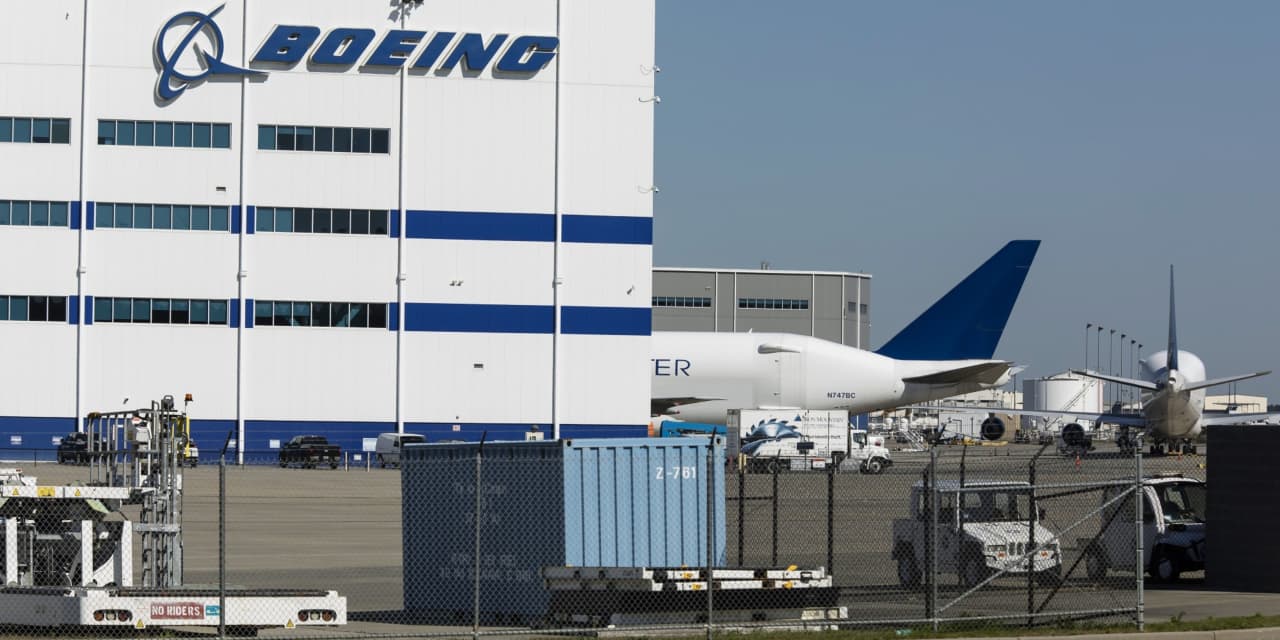
- Boeing Production Recovery: Boeing (BA) has restored production rates for the 737 and 787 to levels not seen since 2019, with 737 prices expected to rise from $25M to $42M, reflecting renewed confidence in Boeing's delivery schedule and potential for significant cash flow improvements in the future.
Trade with 70% Backtested Accuracy
Stop guessing "Should I Buy DAL?" and start using high-conviction signals backed by rigorous historical data.
Sign up today to access powerful investing tools and make smarter, data-driven decisions.
Analyst Views on DAL
Wall Street analysts forecast DAL stock price to rise
18 Analyst Rating
18 Buy
0 Hold
0 Sell
Strong Buy
Current: 70.220

Low
77.00
Averages
83.50
High
90.00
Current: 70.220
Low
77.00
Averages
83.50
High
90.00
About DAL
Delta Air Lines, Inc. provides scheduled air transportation for passengers and cargo throughout the United States and around the world. The Company has hubs and markets in Amsterdam, Atlanta, Bogota, Boston, Detroit, Lima, London-Heathrow, Los Angeles, Mexico City, Minneapolis-St. Paul, New York-JFK and LaGuardia, Paris-Charles de Gaulle, Salt Lake City, Santiago (Chile), Sao Paulo, Seattle, Seoul-Incheon, and Tokyo. Its segments include Airline and Refinery. Its airline segment is managed as a single business unit that provides scheduled air transportation for passengers and cargo throughout the United States and around the world and includes its loyalty program, as well as other ancillary businesses. Its refinery segment operates for the benefit of the airline segment by providing jet fuel to the airline segment from its own production and through jet fuel obtained through agreements with third parties. The refinery's production consists of jet fuel as well as non-jet fuel products.
About the author

Emily J. Thompson
Emily J. Thompson, a Chartered Financial Analyst (CFA) with 12 years in investment research, graduated with honors from the Wharton School. Specializing in industrial and technology stocks, she provides in-depth analysis for Intellectia’s earnings and market brief reports.

Delta and United Airlines Dominate Premium Market


- Market Dominance: Delta Air Lines (DAL) and United Airlines (UAL) are emerging as the dominant 'premium carriers' in the airline industry, significantly benefiting as lower-margin competitors are forced to cut capacity, which is expected to further solidify their market positions.
- Enhanced Pricing Power: While ticket prices for Delta and United remained flat in Q4, they are projected to rise by 6%-7% in Q1 and potentially reach double digits in Q2, indicating their strong ability to pass on rising fuel costs, thereby enhancing profitability prospects.
- Cautious M&A Outlook: Analysts suggest that Delta and United, currently at approximately two times leverage, are unlikely to pursue mergers soon; instead, they are more likely to benefit from struggling competitors cutting capacity, indicating a strategic focus on debt reduction rather than expansion.
- Boeing Production Recovery: Boeing (BA) has restored production rates for the 737 and 787 to levels not seen since 2019, with 737 prices expected to rise from $25M to $42M, reflecting renewed confidence in Boeing's delivery schedule and potential for significant cash flow improvements in the future.
See More

Companies Adjust Speech Policies Amid Cultural Wars


- Policy Adjustments: Four public companies, including Mastercard, Regions Financial, and Entergy, have revised their codes of conduct to allow employees more freedom to express opinions on social media, reflecting a neutral stance amid cultural and political disputes.
- Influence of Christian Investors: The changes were prompted by requests from a Christian investment firm aiming to protect employees' religious and viewpoint expression, indicating a cautious approach by companies towards diversity initiatives that may impact future employee relations and corporate culture.
- Social Media Guidance Update: Regions Financial updated its social media guidance by removing warnings against 'unprofessional or rude conduct,' aiming to reduce managerial overreach on employee speech and promote a more open communication environment.
- Legal and Policy Context: While the First Amendment's free speech rights do not apply to private enterprises, various state and local 'off-duty conduct laws' may influence the implementation of these new policies, requiring companies to balance employee expression with corporate values within legal frameworks.
See More
Wall Street Hits Record Highs Amid Iran Conflict Risks

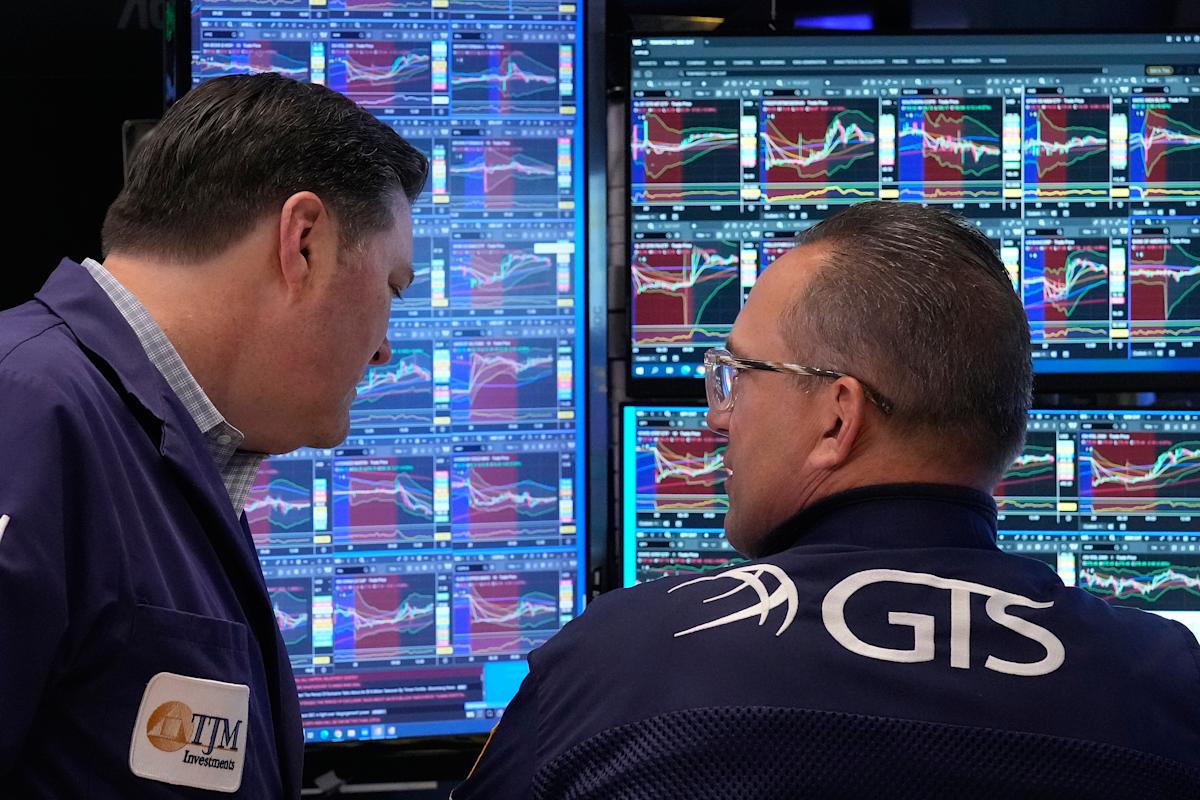
- Market Valuation Appeal: The S&P 500's current P/E ratio of 20.8 is near its lowest in a year, indicating that U.S. stocks are more attractive compared to the 22 times earnings at the start of 2026, drawing investors seeking opportunities amid uncertainty.
- Rising Energy Price Concerns: Approximately two-thirds of S&P 500 companies have expressed concerns about energy prices in their earnings calls since April, a significant increase from 17% in the January-March period, highlighting the potential economic impact of high oil prices.
- Cautious Corporate Outlook: GE Aerospace's CEO indicated that the company could have raised its forecast if not for current uncertainties, reflecting concerns in the airline industry about maintenance and spending cuts, which led to a 6% drop in GE's stock price.
- AI Expectations Driving Market: Despite risks from high energy prices, analysts have raised their earnings growth expectations for 2026 from 16% in January to nearly 20%, primarily driven by technology companies, showcasing optimism surrounding artificial intelligence.
See More
Trump Extends Iran Ceasefire Deadline Amid Market Uncertainty


- Ceasefire Extension: President Trump has extended the Iran ceasefire deadline by two weeks, a move that may exacerbate uncertainty in the Middle East conflict as Tehran shows reluctance to engage in diplomatic efforts, potentially impacting global market sentiment.
- Tariff Policy Impact: Trump expressed hope that U.S. companies that have not sought refunds for his tariffs will adhere to a 'no take back' policy, despite the Supreme Court ruling the tariffs illegal; major firms like Apple and Amazon have yet to file for refunds, which could affect their future financial performance.
- Market Reaction: Following Trump's announcement of the ceasefire extension, U.S. stock index futures rose, despite a lower close on Tuesday, while crude oil prices increased, indicating market sensitivity to developments in the Middle East.
- Aviation Industry Outlook: United Airlines has slashed its 2026 earnings outlook due to supply chain issues stemming from the Middle East conflict, reflecting the direct impact of soaring fuel prices on the airline industry and potentially leading to broader industry adjustments.
See More
US Stocks Close Lower as Oil Prices Rebound Impact Market


- Market Decline: The S&P 500 index fell by 0.63%, the Dow Jones Industrial Average dropped by 0.59%, and the Nasdaq 100 index decreased by 0.42%, reflecting investor concerns over the uncertainty surrounding Iran's geopolitical situation, which dampened market sentiment.
- Oil Price Rebound Impact: WTI crude oil prices rebounded by over 2% after Iran announced it would not attend peace talks, raising fears of a deepening global energy crisis, which could further hinder economic recovery.
- Supportive Economic Data: March retail sales rose by 1.7% month-over-month, surpassing expectations of 1.4%, indicating robust consumer spending that may provide some support for the stock market, despite overall market pressures.
- Fed Nominee Supports Independence: Fed Chair nominee Kevin Warsh emphasized the importance of monetary policy independence and controlling inflation in his Senate Banking Committee statement, which could positively influence market confidence.
See More
United Airlines Lowers 2026 Earnings Outlook Amid Fuel Price Surge
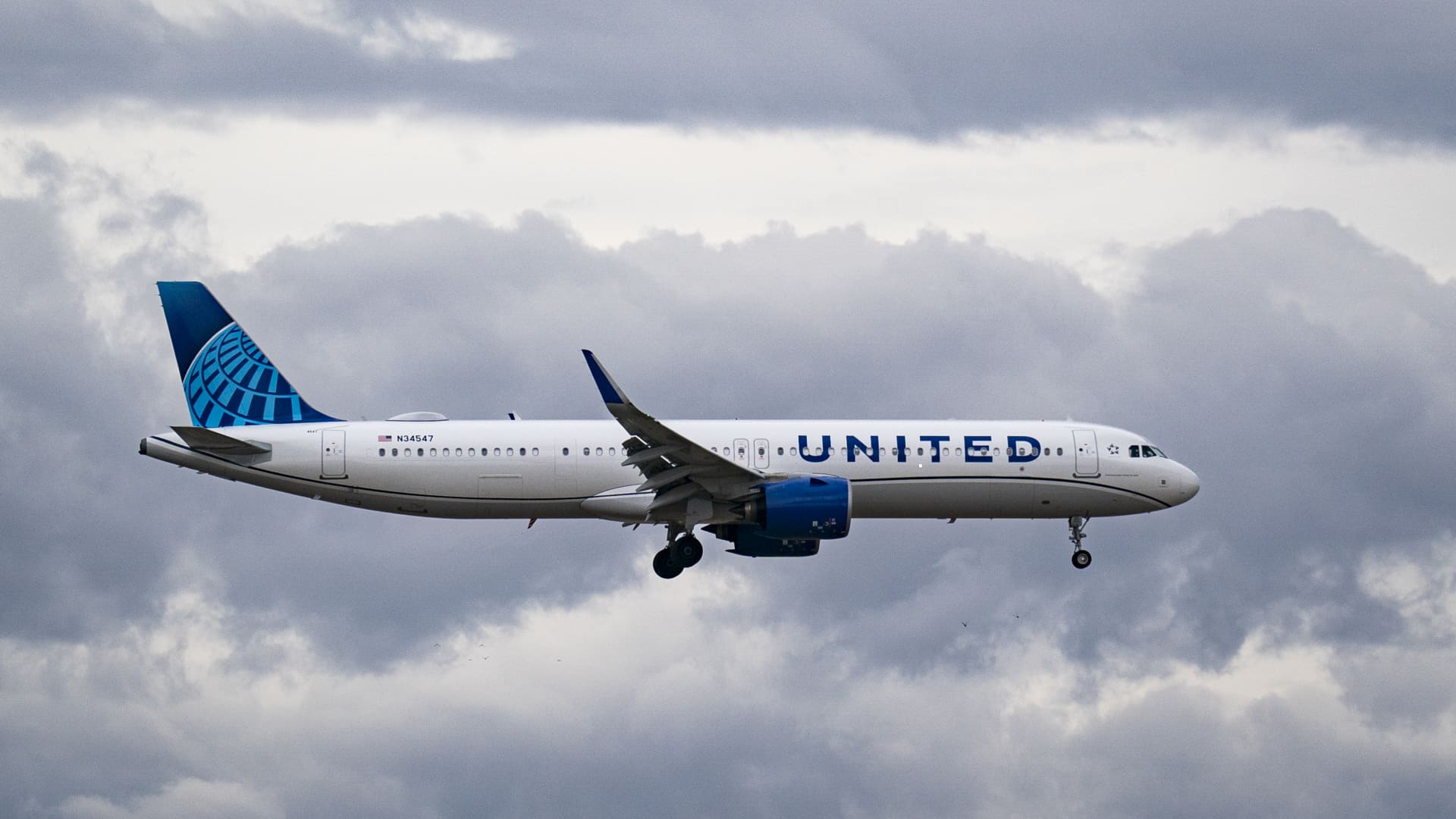
- Earnings Outlook Downgrade: United Airlines has revised its 2026 adjusted earnings per share forecast down to between $7 and $11, significantly lower than the previous estimate of $12 to $14 released in January, reflecting the impact of soaring fuel prices due to the Middle East conflict on profitability.
- Second Quarter Earnings Forecast: The airline anticipates adjusted earnings of between $1 and $2 per share for the second quarter, falling short of analysts' expectations of $2.08, indicating direct pressure on earnings from rising fuel costs.
- Revenue Growth Performance: Despite challenges, United reported a more than 10% year-over-year revenue increase in Q1, reaching $14.61 billion, with net income soaring 80% to $699 million, demonstrating the company's resilience in a high fuel cost environment.
- Strong Market Demand: Even as it raised fares and checked bag fees to cope with rising fuel prices, United reported a 7.9% increase in domestic flight revenue to $7.9 billion, indicating robust consumer demand for air travel, which supports future revenue growth.
See More
Delta and United Airlines Dominate Premium Market
- Market Dominance: Delta Air Lines (DAL) and United Airlines (UAL) are emerging as the dominant 'premium carriers' in the airline industry, significantly benefiting as lower-margin competitors are forced to cut capacity, which is expected to further solidify their market positions.
- Enhanced Pricing Power: While ticket prices for Delta and United remained flat in Q4, they are projected to rise by 6%-7% in Q1 and potentially reach double digits in Q2, indicating their strong ability to pass on rising fuel costs, thereby enhancing profitability prospects.
- Cautious M&A Outlook: Analysts suggest that Delta and United, currently at approximately two times leverage, are unlikely to pursue mergers soon; instead, they are more likely to benefit from struggling competitors cutting capacity, indicating a strategic focus on debt reduction rather than expansion.
- Boeing Production Recovery: Boeing (BA) has restored production rates for the 737 and 787 to levels not seen since 2019, with 737 prices expected to rise from $25M to $42M, reflecting renewed confidence in Boeing's delivery schedule and potential for significant cash flow improvements in the future.
See More
Companies Adjust Speech Policies Amid Cultural Wars
- Policy Adjustments: Four public companies, including Mastercard, Regions Financial, and Entergy, have revised their codes of conduct to allow employees more freedom to express opinions on social media, reflecting a neutral stance amid cultural and political disputes.
- Influence of Christian Investors: The changes were prompted by requests from a Christian investment firm aiming to protect employees' religious and viewpoint expression, indicating a cautious approach by companies towards diversity initiatives that may impact future employee relations and corporate culture.
- Social Media Guidance Update: Regions Financial updated its social media guidance by removing warnings against 'unprofessional or rude conduct,' aiming to reduce managerial overreach on employee speech and promote a more open communication environment.
- Legal and Policy Context: While the First Amendment's free speech rights do not apply to private enterprises, various state and local 'off-duty conduct laws' may influence the implementation of these new policies, requiring companies to balance employee expression with corporate values within legal frameworks.
See More
Wall Street Hits Record Highs Amid Iran Conflict Risks
- Market Valuation Appeal: The S&P 500's current P/E ratio of 20.8 is near its lowest in a year, indicating that U.S. stocks are more attractive compared to the 22 times earnings at the start of 2026, drawing investors seeking opportunities amid uncertainty.
- Rising Energy Price Concerns: Approximately two-thirds of S&P 500 companies have expressed concerns about energy prices in their earnings calls since April, a significant increase from 17% in the January-March period, highlighting the potential economic impact of high oil prices.
- Cautious Corporate Outlook: GE Aerospace's CEO indicated that the company could have raised its forecast if not for current uncertainties, reflecting concerns in the airline industry about maintenance and spending cuts, which led to a 6% drop in GE's stock price.
- AI Expectations Driving Market: Despite risks from high energy prices, analysts have raised their earnings growth expectations for 2026 from 16% in January to nearly 20%, primarily driven by technology companies, showcasing optimism surrounding artificial intelligence.
See More
Trump Extends Iran Ceasefire Deadline Amid Market Uncertainty
- Ceasefire Extension: President Trump has extended the Iran ceasefire deadline by two weeks, a move that may exacerbate uncertainty in the Middle East conflict as Tehran shows reluctance to engage in diplomatic efforts, potentially impacting global market sentiment.
- Tariff Policy Impact: Trump expressed hope that U.S. companies that have not sought refunds for his tariffs will adhere to a 'no take back' policy, despite the Supreme Court ruling the tariffs illegal; major firms like Apple and Amazon have yet to file for refunds, which could affect their future financial performance.
- Market Reaction: Following Trump's announcement of the ceasefire extension, U.S. stock index futures rose, despite a lower close on Tuesday, while crude oil prices increased, indicating market sensitivity to developments in the Middle East.
- Aviation Industry Outlook: United Airlines has slashed its 2026 earnings outlook due to supply chain issues stemming from the Middle East conflict, reflecting the direct impact of soaring fuel prices on the airline industry and potentially leading to broader industry adjustments.
See More
US Stocks Close Lower as Oil Prices Rebound Impact Market
- Market Decline: The S&P 500 index fell by 0.63%, the Dow Jones Industrial Average dropped by 0.59%, and the Nasdaq 100 index decreased by 0.42%, reflecting investor concerns over the uncertainty surrounding Iran's geopolitical situation, which dampened market sentiment.
- Oil Price Rebound Impact: WTI crude oil prices rebounded by over 2% after Iran announced it would not attend peace talks, raising fears of a deepening global energy crisis, which could further hinder economic recovery.
- Supportive Economic Data: March retail sales rose by 1.7% month-over-month, surpassing expectations of 1.4%, indicating robust consumer spending that may provide some support for the stock market, despite overall market pressures.
- Fed Nominee Supports Independence: Fed Chair nominee Kevin Warsh emphasized the importance of monetary policy independence and controlling inflation in his Senate Banking Committee statement, which could positively influence market confidence.
See More
United Airlines Lowers 2026 Earnings Outlook Amid Fuel Price Surge
- Earnings Outlook Downgrade: United Airlines has revised its 2026 adjusted earnings per share forecast down to between $7 and $11, significantly lower than the previous estimate of $12 to $14 released in January, reflecting the impact of soaring fuel prices due to the Middle East conflict on profitability.
- Second Quarter Earnings Forecast: The airline anticipates adjusted earnings of between $1 and $2 per share for the second quarter, falling short of analysts' expectations of $2.08, indicating direct pressure on earnings from rising fuel costs.
- Revenue Growth Performance: Despite challenges, United reported a more than 10% year-over-year revenue increase in Q1, reaching $14.61 billion, with net income soaring 80% to $699 million, demonstrating the company's resilience in a high fuel cost environment.
- Strong Market Demand: Even as it raised fares and checked bag fees to cope with rising fuel prices, United reported a 7.9% increase in domestic flight revenue to $7.9 billion, indicating robust consumer demand for air travel, which supports future revenue growth.
See More