Delta Air Lines Earnings Preview and Market Impact
Written by Emily J. Thompson, Senior Investment Analyst
Updated: 1 hour ago
0mins
Should l Buy DAL?
Source: seekingalpha
- Earnings Expectations: Delta Air Lines (DAL) is expected to report Q1 revenue of $14.94 billion and EPS of $0.58, with market focus on its ability to maintain profitability amidst rising fuel and labor costs.
- Sector Guidance: Morgan Stanley has lowered overall expectations for the airline sector, anticipating that FY26 guidance may be withdrawn or updated to wide ranges based on fuel assumptions, which could impact investor confidence across the industry.
- Fuel Cost Management: Delta's ownership of the Trainer refinery provides a competitive edge in managing fuel costs, which is likely to be highlighted during the earnings call as the company navigates rising fuel prices.
- Market Volatility Expectations: Options trading indicates a potential 7% share price swing for Delta following the Q1 earnings report, reflecting heightened investor attention on the company's future performance, particularly regarding summer bookings and corporate travel outlook.
Trade with 70% Backtested Accuracy
Stop guessing "Should I Buy DAL?" and start using high-conviction signals backed by rigorous historical data.
Sign up today to access powerful investing tools and make smarter, data-driven decisions.
Analyst Views on DAL
Wall Street analysts forecast DAL stock price to rise
18 Analyst Rating
18 Buy
0 Hold
0 Sell
Strong Buy
Current: 66.760

Low
77.00
Averages
83.50
High
90.00
Current: 66.760
Low
77.00
Averages
83.50
High
90.00
About DAL
Delta Air Lines, Inc. provides scheduled air transportation for passengers and cargo throughout the United States and around the world. The Company has hubs and markets in Amsterdam, Atlanta, Bogota, Boston, Detroit, Lima, London-Heathrow, Los Angeles, Mexico City, Minneapolis-St. Paul, New York-JFK and LaGuardia, Paris-Charles de Gaulle, Salt Lake City, Santiago (Chile), Sao Paulo, Seattle, Seoul-Incheon, and Tokyo. Its segments include Airline and Refinery. Its airline segment is managed as a single business unit that provides scheduled air transportation for passengers and cargo throughout the United States and around the world and includes its loyalty program, as well as other ancillary businesses. Its refinery segment operates for the benefit of the airline segment by providing jet fuel to the airline segment from its own production and through jet fuel obtained through agreements with third parties. The refinery's production consists of jet fuel as well as non-jet fuel products.
About the author

Emily J. Thompson
Emily J. Thompson, a Chartered Financial Analyst (CFA) with 12 years in investment research, graduated with honors from the Wharton School. Specializing in industrial and technology stocks, she provides in-depth analysis for Intellectia’s earnings and market brief reports.
Delta Air Lines Set to Release Earnings Amid Mixed Market Sentiment

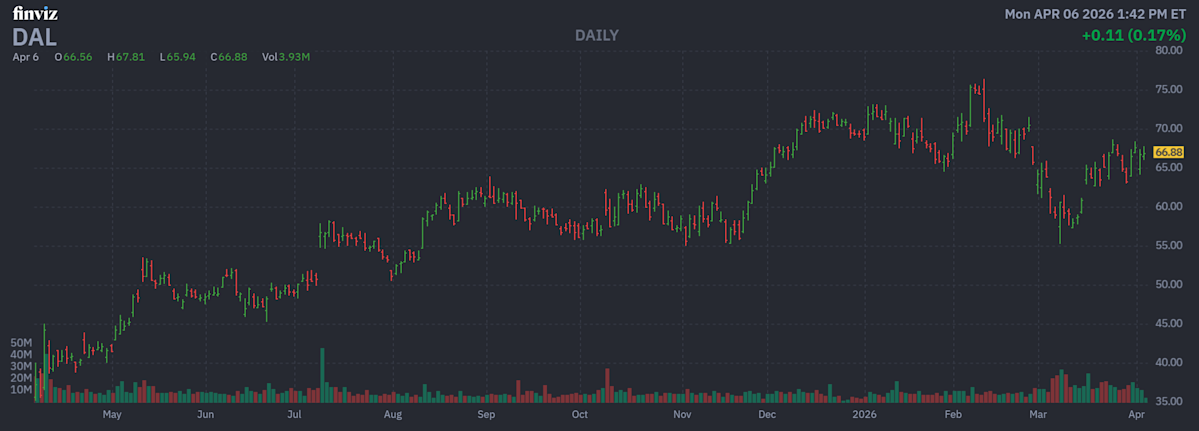
- Upcoming Earnings Release: Delta Air Lines is set to announce its fiscal Q1 results before the market opens on April 8, with expectations for a rebound following its first quarterly loss since March 2025, although the stock is currently trading around $66.88, down 12% from its February 11 high of $76.39.
- Price Volatility Expectations: The options market is pricing in a 9.4% move for Delta's stock, significantly higher than the 7.3% average over the past two years, indicating cautious sentiment among investors regarding the upcoming earnings report and its potential impact on stock performance.
- Historical Performance Review: Delta has experienced declines in four of its last eight earnings reports, including a 2.4% drop following its most recent report in January, suggesting uncertainty in market reactions to its financial disclosures, which could affect investor confidence.
- Options Trading Trends: Data from the International Securities Exchange, Chicago Board Options Exchange, and NASDAQ shows a 50-day put/call volume ratio of 1.59 for Delta, indicating that investors are anticipating downside risk, which is higher than 94% of annual readings, reflecting concerns about future performance.
See More
White House Proposes Cutting Over 9,400 TSA Jobs
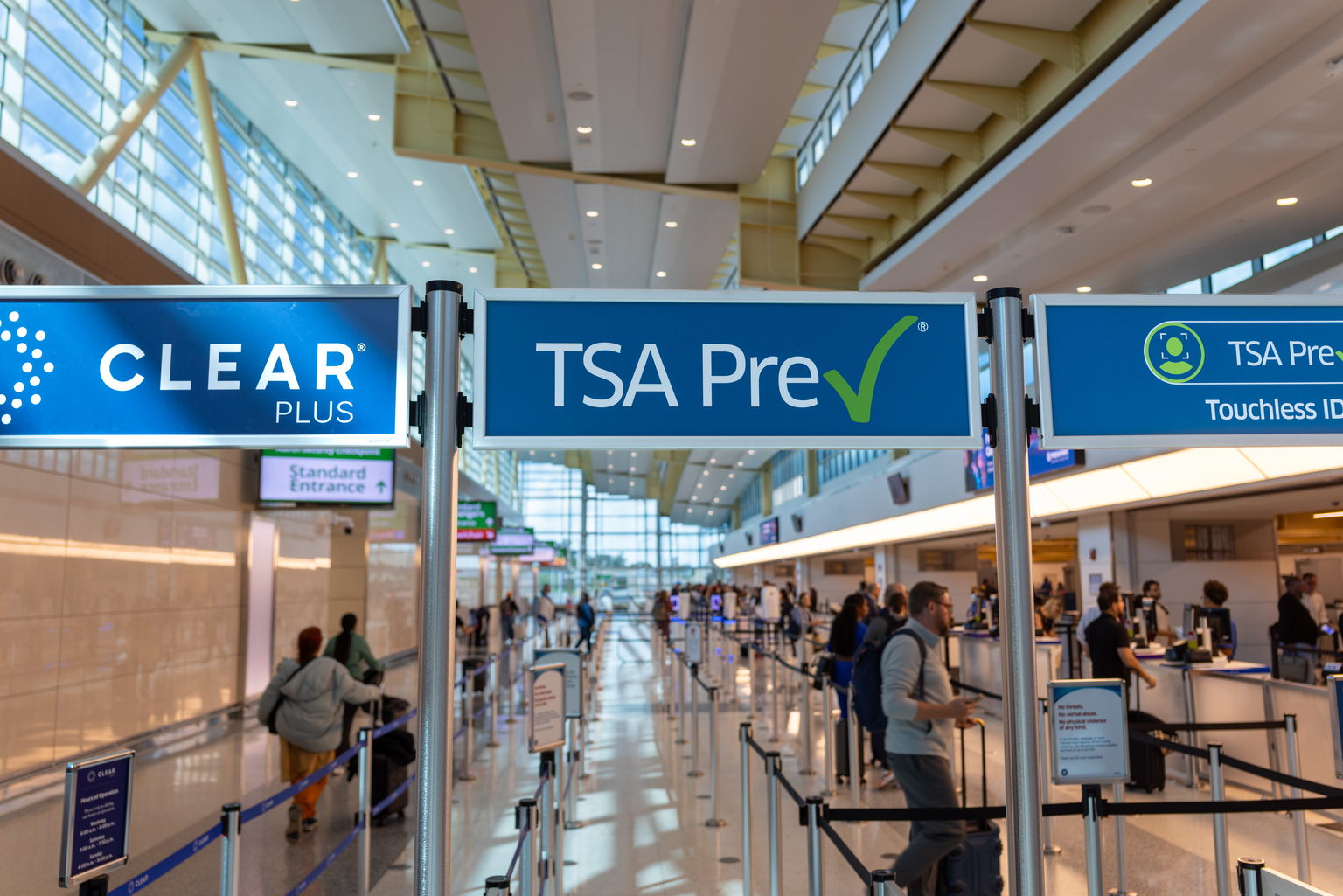
- Job Reduction Proposal: The White House has proposed cutting over 9,400 jobs at the Transportation Security Administration (TSA), with an additional 4,800 cuts expected through efficiency measures, reducing the workforce from approximately 60,000 to about 46,000 and saving over $500 million.
- Budget Impact: This proposal aims to cut the TSA's $7.8 billion budget by about 20%, which could lead to decreased airport security efficiency and negatively affect passenger travel experiences, especially as Congress reviews the new budget agreement.
- Push for Privatization: Some Republican lawmakers continue to advocate for full privatization of the TSA, with the White House suggesting that smaller airports adopt private security screening, a move that may further undermine public safety and has drawn strong opposition from unions.
- Historical Context: The TSA has already lost over 1,600 employees due to funding disruptions in the past year, and President Trump has been a vocal critic of the agency since taking office, citing its poor audit performance and intrusive screening measures that violate Americans' privacy and dignity.
See More
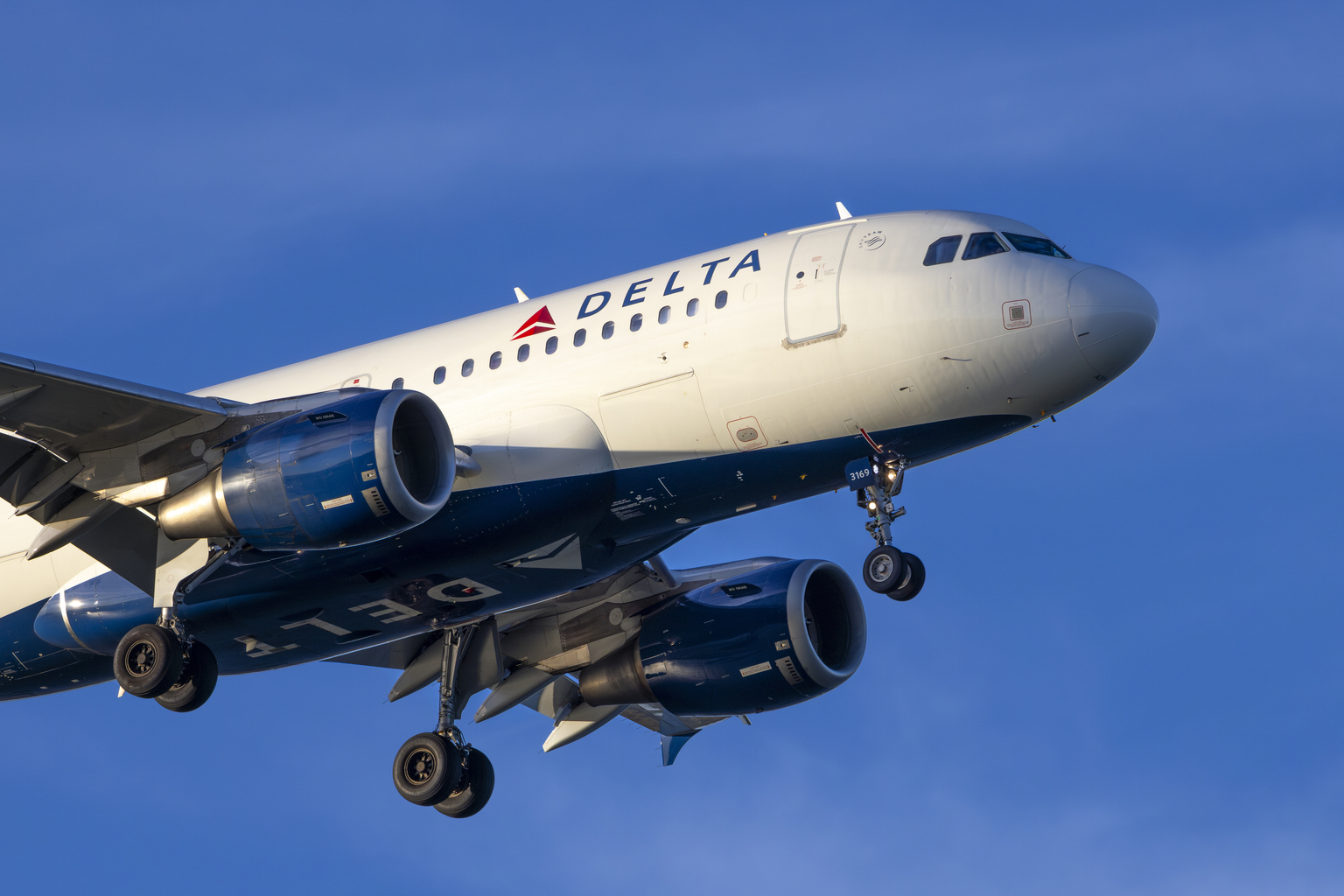
Delta Air Lines Earnings Preview and Market Impact
- Earnings Expectations: Delta Air Lines (DAL) is expected to report Q1 revenue of $14.94 billion and EPS of $0.58, with market focus on its ability to maintain profitability amidst rising fuel and labor costs.
- Sector Guidance: Morgan Stanley has lowered overall expectations for the airline sector, anticipating that FY26 guidance may be withdrawn or updated to wide ranges based on fuel assumptions, which could impact investor confidence across the industry.
- Fuel Cost Management: Delta's ownership of the Trainer refinery provides a competitive edge in managing fuel costs, which is likely to be highlighted during the earnings call as the company navigates rising fuel prices.
- Market Volatility Expectations: Options trading indicates a potential 7% share price swing for Delta following the Q1 earnings report, reflecting heightened investor attention on the company's future performance, particularly regarding summer bookings and corporate travel outlook.
See More

Preview of the Review: Should I Be Concerned?


- Market Trends: Stocks experienced an increase at the beginning of the week, continuing a familiar pattern in the market.
- Geopolitical Concerns: The ongoing conflict in Iran poses a significant risk to the stability of stock prices moving forward.
See More

Market Dynamics Amid U.S.-Iran War Impact

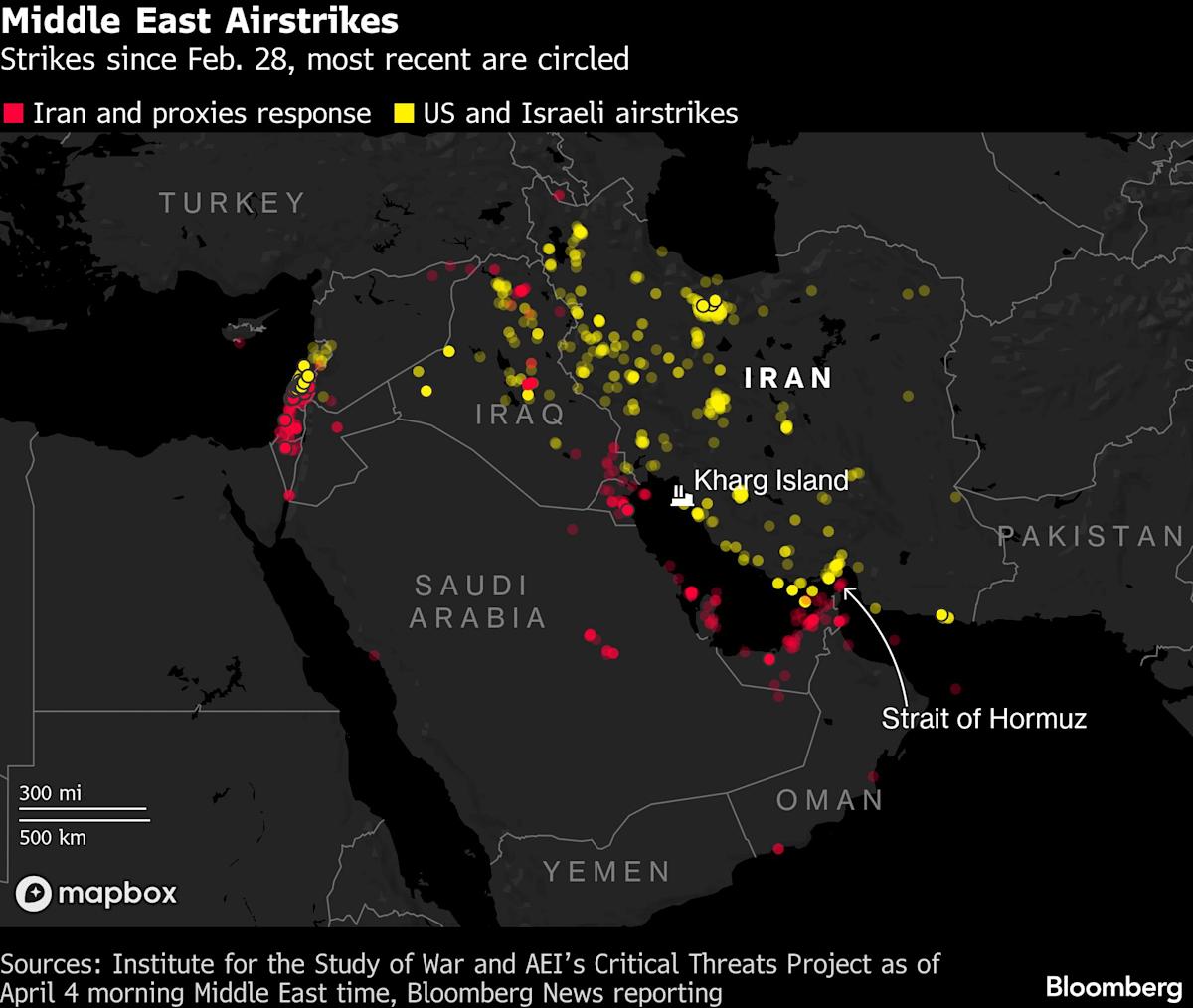
- Earnings Focus in Aviation: Delta Air Lines is set to report earnings on Wednesday, and while analysts do not expect the report to alter the stock's outlook, attention will be on future guidance amid surging jet fuel prices due to the U.S.-Iran conflict.
- Turnaround Story for Brands: Constellation Brands' stock has fallen over 50% from its 2024 highs but has rebounded nearly 20% from November lows; analysts suggest monitoring its earnings report closely, with support levels between $149 and $145 if results disappoint.
- Market Vigilance on Tensions: Traders remain alert following President Trump's social media threats towards Iran, particularly his mention of a
See More
Travel Sector Shows Strong Resilience Amid Market Turmoil


- Hilton's Strong Performance: Hilton Worldwide Holdings (HLT) has achieved an annualized total return of 21% over the past five years and an impressive 23% over ten years, demonstrating robust recovery in the post-COVID era, with a projected 9% revenue growth and 38% EBIT growth for 2025.
- Marriott's Expansion Momentum: Marriott International (MAR) ended 2025 with over 1.78 million rooms and a Bonvoy loyalty program membership increase to nearly 271 million, with the 2026 FIFA World Cup expected to boost revenue per available room by 40 basis points, further solidifying its market position.
- Viking's Rapid Growth: Viking Holdings Ltd. (VIK) posted a 62% return in 2025 and has already booked 86% of its 2026 capacity, expecting 13% revenue growth and 35% EBITDA growth, reflecting strong demand in the river cruise market.
- Market Sentiment Impact: Despite Marriott facing technical damage from rising oil prices, its fundamentals remain solid, and investors should monitor the 200-day moving average for support to assess future trend changes.
See More
Delta Air Lines Set to Release Earnings Amid Mixed Market Sentiment
- Upcoming Earnings Release: Delta Air Lines is set to announce its fiscal Q1 results before the market opens on April 8, with expectations for a rebound following its first quarterly loss since March 2025, although the stock is currently trading around $66.88, down 12% from its February 11 high of $76.39.
- Price Volatility Expectations: The options market is pricing in a 9.4% move for Delta's stock, significantly higher than the 7.3% average over the past two years, indicating cautious sentiment among investors regarding the upcoming earnings report and its potential impact on stock performance.
- Historical Performance Review: Delta has experienced declines in four of its last eight earnings reports, including a 2.4% drop following its most recent report in January, suggesting uncertainty in market reactions to its financial disclosures, which could affect investor confidence.
- Options Trading Trends: Data from the International Securities Exchange, Chicago Board Options Exchange, and NASDAQ shows a 50-day put/call volume ratio of 1.59 for Delta, indicating that investors are anticipating downside risk, which is higher than 94% of annual readings, reflecting concerns about future performance.
See More
White House Proposes Cutting Over 9,400 TSA Jobs
- Job Reduction Proposal: The White House has proposed cutting over 9,400 jobs at the Transportation Security Administration (TSA), with an additional 4,800 cuts expected through efficiency measures, reducing the workforce from approximately 60,000 to about 46,000 and saving over $500 million.
- Budget Impact: This proposal aims to cut the TSA's $7.8 billion budget by about 20%, which could lead to decreased airport security efficiency and negatively affect passenger travel experiences, especially as Congress reviews the new budget agreement.
- Push for Privatization: Some Republican lawmakers continue to advocate for full privatization of the TSA, with the White House suggesting that smaller airports adopt private security screening, a move that may further undermine public safety and has drawn strong opposition from unions.
- Historical Context: The TSA has already lost over 1,600 employees due to funding disruptions in the past year, and President Trump has been a vocal critic of the agency since taking office, citing its poor audit performance and intrusive screening measures that violate Americans' privacy and dignity.
See More
Delta Air Lines Earnings Preview and Market Impact
- Earnings Expectations: Delta Air Lines (DAL) is expected to report Q1 revenue of $14.94 billion and EPS of $0.58, with market focus on its ability to maintain profitability amidst rising fuel and labor costs.
- Sector Guidance: Morgan Stanley has lowered overall expectations for the airline sector, anticipating that FY26 guidance may be withdrawn or updated to wide ranges based on fuel assumptions, which could impact investor confidence across the industry.
- Fuel Cost Management: Delta's ownership of the Trainer refinery provides a competitive edge in managing fuel costs, which is likely to be highlighted during the earnings call as the company navigates rising fuel prices.
- Market Volatility Expectations: Options trading indicates a potential 7% share price swing for Delta following the Q1 earnings report, reflecting heightened investor attention on the company's future performance, particularly regarding summer bookings and corporate travel outlook.
See More
Preview of the Review: Should I Be Concerned?
- Market Trends: Stocks experienced an increase at the beginning of the week, continuing a familiar pattern in the market.
- Geopolitical Concerns: The ongoing conflict in Iran poses a significant risk to the stability of stock prices moving forward.
See More
Market Dynamics Amid U.S.-Iran War Impact
- Earnings Focus in Aviation: Delta Air Lines is set to report earnings on Wednesday, and while analysts do not expect the report to alter the stock's outlook, attention will be on future guidance amid surging jet fuel prices due to the U.S.-Iran conflict.
- Turnaround Story for Brands: Constellation Brands' stock has fallen over 50% from its 2024 highs but has rebounded nearly 20% from November lows; analysts suggest monitoring its earnings report closely, with support levels between $149 and $145 if results disappoint.
- Market Vigilance on Tensions: Traders remain alert following President Trump's social media threats towards Iran, particularly his mention of a
See More
Travel Sector Shows Strong Resilience Amid Market Turmoil
- Hilton's Strong Performance: Hilton Worldwide Holdings (HLT) has achieved an annualized total return of 21% over the past five years and an impressive 23% over ten years, demonstrating robust recovery in the post-COVID era, with a projected 9% revenue growth and 38% EBIT growth for 2025.
- Marriott's Expansion Momentum: Marriott International (MAR) ended 2025 with over 1.78 million rooms and a Bonvoy loyalty program membership increase to nearly 271 million, with the 2026 FIFA World Cup expected to boost revenue per available room by 40 basis points, further solidifying its market position.
- Viking's Rapid Growth: Viking Holdings Ltd. (VIK) posted a 62% return in 2025 and has already booked 86% of its 2026 capacity, expecting 13% revenue growth and 35% EBITDA growth, reflecting strong demand in the river cruise market.
- Market Sentiment Impact: Despite Marriott facing technical damage from rising oil prices, its fundamentals remain solid, and investors should monitor the 200-day moving average for support to assess future trend changes.
See More