

Defense and infrastructure improves Industrials - SSGA
Written by Emily J. Thompson, Senior Investment Analyst
Updated: Apr 19 2024
0mins

Source: SeekingAlpha
- Defense and Infrastructure as Growth Drivers: State Street Global Advisors highlight defense spending due to the Russia-Ukraine war and infrastructure investments as key growth drivers for the industrial sector.
- Rise in Defense Budgets: U.S. and Europe's defense budgets continue to increase, with NATO nations aiming for a spending target of 2% of GDP.
- Top Performing Industrial Stocks: Companies like Rheinmetall AG, Mitsubishi Heavy Industry, and General Electric are among the top performers in the industrial sector.
- Infrastructure Investment: Bills like the Infrastructure Investment and Jobs Act are stimulating demand for building products, construction, machinery, and transport networks.
- Technological Catalysts: AI technology, robotics, and machine learning-powered analytics are driving process improvements in manufacturing and logistics, enhancing productivity and efficiency.
Trade with 70% Backtested Accuracy
Stop guessing "Should I Buy UNP?" and start using high-conviction signals backed by rigorous historical data.
Sign up today to access powerful investing tools and make smarter, data-driven decisions.
Analyst Views on UNP
Wall Street analysts forecast UNP stock price to fall
15 Analyst Rating
9 Buy
6 Hold
0 Sell
Moderate Buy
Current: 283.120

Low
245.00
Averages
265.27
High
289.00
Current: 283.120
Low
245.00
Averages
265.27
High
289.00
About UNP
Union Pacific Corporation, through its principal operating company, Union Pacific Railroad Company, connects over 23 states in the western two-thirds of the country by rail, providing a critical link in the global supply chain. It maintains coordinated schedules with other rail carriers to move freight to and from the Atlantic Coast, the Pacific Coast, the Southeast, the Southwest, Canada, and Mexico. The railroad’s diversified business mix includes bulk, industrial, and premium. Its Bulk shipments consist of grain and grain products, fertilizer, food and refrigerated, and coal and renewables. The Industrial shipments consist of several categories, including construction, industrial chemicals, plastics, forest products, specialized products (primarily waste, salt, and roofing), metals and ores, petroleum, liquid petroleum gases (LPG), soda ash, and sand. Its Premium shipments include finished automobiles, automotive parts, and merchandise in intermodal containers.
About the author

Emily J. Thompson
Emily J. Thompson, a Chartered Financial Analyst (CFA) with 12 years in investment research, graduated with honors from the Wharton School. Specializing in industrial and technology stocks, she provides in-depth analysis for Intellectia’s earnings and market brief reports.
Union Pacific and Norfolk Southern Respond to STB Information Request

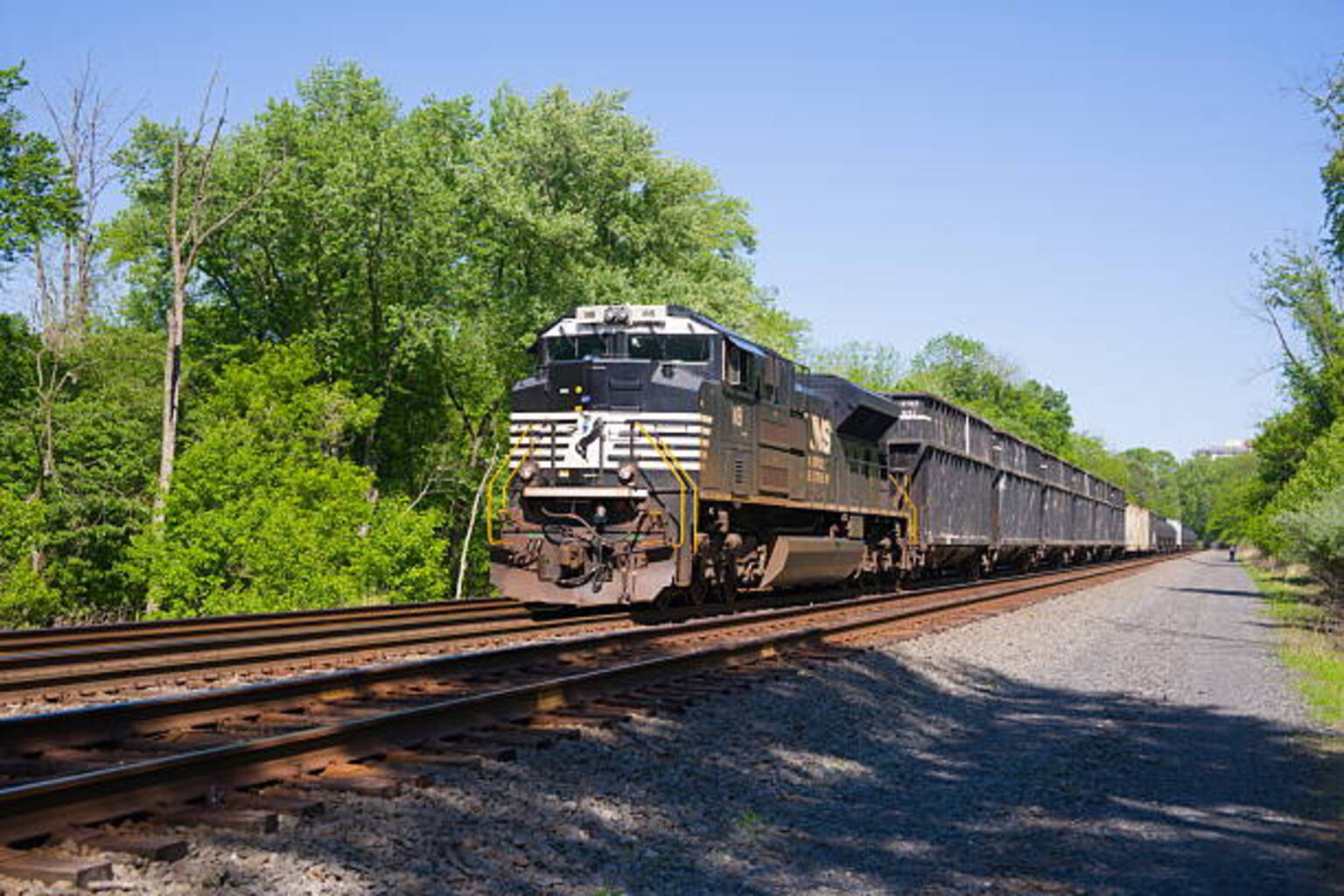
- Merger Review Progress: Union Pacific and Norfolk Southern have submitted the first part of their responses to the Surface Transportation Board (STB), indicating their commitment to cooperate with the review process to facilitate the merger.
- Control Statement: The companies emphasized in their statement that they do not control the Terminal Railroad Association of St. Louis, Kansas City Terminal Railway, and TTX Company, and they will not control these entities post-merger, aiming to alleviate concerns surrounding the merger.
- Response to Opposition: Union Pacific and Norfolk Southern highlighted that other Class I railroads opposing the merger are using the TRRA as a pawn to hinder the merger, reflecting competitive pressures and the complexities involved in the merger process.
- Next Steps: The companies plan to file responses to additional STB requests by July 27, demonstrating their confidence in the merger and their commitment to meeting regulatory requirements.
See More

Union Pacific and Norfolk Southern Submit Merger Application Supplement
- Merger Application Progress: On July 7, Union Pacific and Norfolk Southern submitted the first portion of their supplemental materials to the Surface Transportation Board, responding to additional information requests, demonstrating their firm commitment to the merger.
- Regulatory Review Commitment: The submitted materials clarify the relationship with the Terminal Railroad Association of St. Louis, Kansas City Terminal Railway, and TTX Company, emphasizing that both companies will not control these entities post-merger, ensuring compliance and mitigating opposition.
- Market Competitive Advantage: The merger is projected to provide American shippers with single-line transcontinental rail service, estimated to save shippers approximately $3.5 billion annually, significantly enhancing the competitiveness of rail transport and reducing truck and rail costs.
- Follow-up Information Submission: Union Pacific and Norfolk Southern have committed to submitting responses to the Surface Transportation Board's other information requests by July 27, 2026, further advancing the merger process, with completion expected by mid-2027.
See More
Union Pacific's Big Boy 4014 Celebrates America's 250th Anniversary
- Historic Tour: Union Pacific's Big Boy No. 4014 celebrated America's 250th anniversary in Philadelphia, marking its first journey on eastern rails since 1941, showcasing the importance of railroads to the U.S. economy and enhancing public awareness of freight transport.
- Grand Ceremony: During the event, Union Pacific CEO Jim Vena and Norfolk Southern CEO Mark George participated in a Silver Spike ceremony, symbolizing the historical connection of railroads to communities and emphasizing the critical role of rail in building America.
- Unique Exhibits: The tour features unique rail equipment, including Norfolk Southern's
See More

Myriad Uranium Corp. Initiates Phase II Drilling at Copper Mountain Uranium Project

- Phase II Drilling Commencement: Myriad Uranium Corp. has initiated Phase II drilling at the Copper Mountain Uranium Project in Wyoming, with the first four holes aimed at testing mineralization at the Lucky Cliff area, previously drilled by Union Pacific in the 1970s, and any confirmed mineralization will be outside the 1982 DOE assessment area.
- Historical Resource Estimates: The Phase II drilling will target areas associated with historical resource estimates totaling 26.63 million pounds of uranium at an average grade of 171 ppm, indicating the potential richness of the Copper Mountain project, although these resources are not currently classified as mineral resources or reserves.
- Testing New Targets: The drilling will also test new targets identified through recent geophysics, verified by ground truthing with a handheld gamma spectrometer, showcasing the project's potential for resource discovery and possibly supporting future resource estimates.
- Merger and Market Expansion: Myriad's merger with Rush is nearing completion, which will consolidate 100% ownership of the Copper Mountain project, expected to enhance market capitalization, attract institutional investor interest, simplify operational decision-making, and broaden access to financing.
See More
Union Pacific Corporation Named Among Top Dividend Stock Picks
- Dividend Stock Recommendation: Billionaire Steven Cohen includes Union Pacific Corporation (NYSE:UNP) in his top 11 dividend stock picks, indicating strong confidence in the company and potentially attracting more investor interest.
- Price Target Increase: Evercore ISI raised its price target for Union Pacific from $277 to $294 while reiterating an Outperform rating, reflecting analysts' optimistic outlook on the company's future performance, particularly amid rising shipping volumes.
- Volume Growth: Analyst Jonathan Chappell noted that the rail sector is entering a strong earnings season with increased shipping volumes in Q2, suggesting potential earnings beats that could further bolster market confidence in UNP.
- Positive Industry Outlook: Susquehanna raised UNP's price target from $290 to $305, with analyst Harrison Bauer stating that rail volumes are exceeding expectations and that industrial demand remains unaffected by higher fuel prices, showcasing the sector's resilience and growth potential.
See More
Union Pacific Corporation to Release Q2 2026 Financial Results
- Earnings Release Schedule: Union Pacific Corporation will announce its Q2 2026 financial and operational results on July 23, 2026, at 7:45 a.m. ET, reflecting the company's latest operational efficiency and financial health updates.
- Management Conference Call: The management team will host a conference call and live webcast at 8:45 a.m. ET on the same day, aimed at sharing financial performance and addressing investor inquiries, thereby enhancing transparency and investor confidence.
- Participation Details: Interested investors can dial 877-407-8293 for the teleconference, while international callers can reach out at 201-689-8349, ensuring global investor participation and access to the latest information.
- Webcast Replay: An audio replay of the webcast will be available shortly after the meeting, allowing investors who could not attend live to access the content at their convenience, further improving information accessibility and transparency.
See More
Union Pacific and Norfolk Southern Respond to STB Information Request
- Merger Review Progress: Union Pacific and Norfolk Southern have submitted the first part of their responses to the Surface Transportation Board (STB), indicating their commitment to cooperate with the review process to facilitate the merger.
- Control Statement: The companies emphasized in their statement that they do not control the Terminal Railroad Association of St. Louis, Kansas City Terminal Railway, and TTX Company, and they will not control these entities post-merger, aiming to alleviate concerns surrounding the merger.
- Response to Opposition: Union Pacific and Norfolk Southern highlighted that other Class I railroads opposing the merger are using the TRRA as a pawn to hinder the merger, reflecting competitive pressures and the complexities involved in the merger process.
- Next Steps: The companies plan to file responses to additional STB requests by July 27, demonstrating their confidence in the merger and their commitment to meeting regulatory requirements.
See More
Union Pacific and Norfolk Southern Submit Merger Application Supplement
- Merger Application Progress: On July 7, Union Pacific and Norfolk Southern submitted the first portion of their supplemental materials to the Surface Transportation Board, responding to additional information requests, demonstrating their firm commitment to the merger.
- Regulatory Review Commitment: The submitted materials clarify the relationship with the Terminal Railroad Association of St. Louis, Kansas City Terminal Railway, and TTX Company, emphasizing that both companies will not control these entities post-merger, ensuring compliance and mitigating opposition.
- Market Competitive Advantage: The merger is projected to provide American shippers with single-line transcontinental rail service, estimated to save shippers approximately $3.5 billion annually, significantly enhancing the competitiveness of rail transport and reducing truck and rail costs.
- Follow-up Information Submission: Union Pacific and Norfolk Southern have committed to submitting responses to the Surface Transportation Board's other information requests by July 27, 2026, further advancing the merger process, with completion expected by mid-2027.
See More
Union Pacific's Big Boy 4014 Celebrates America's 250th Anniversary
- Historic Tour: Union Pacific's Big Boy No. 4014 celebrated America's 250th anniversary in Philadelphia, marking its first journey on eastern rails since 1941, showcasing the importance of railroads to the U.S. economy and enhancing public awareness of freight transport.
- Grand Ceremony: During the event, Union Pacific CEO Jim Vena and Norfolk Southern CEO Mark George participated in a Silver Spike ceremony, symbolizing the historical connection of railroads to communities and emphasizing the critical role of rail in building America.
- Unique Exhibits: The tour features unique rail equipment, including Norfolk Southern's
See More
Myriad Uranium Corp. Initiates Phase II Drilling at Copper Mountain Uranium Project
- Phase II Drilling Commencement: Myriad Uranium Corp. has initiated Phase II drilling at the Copper Mountain Uranium Project in Wyoming, with the first four holes aimed at testing mineralization at the Lucky Cliff area, previously drilled by Union Pacific in the 1970s, and any confirmed mineralization will be outside the 1982 DOE assessment area.
- Historical Resource Estimates: The Phase II drilling will target areas associated with historical resource estimates totaling 26.63 million pounds of uranium at an average grade of 171 ppm, indicating the potential richness of the Copper Mountain project, although these resources are not currently classified as mineral resources or reserves.
- Testing New Targets: The drilling will also test new targets identified through recent geophysics, verified by ground truthing with a handheld gamma spectrometer, showcasing the project's potential for resource discovery and possibly supporting future resource estimates.
- Merger and Market Expansion: Myriad's merger with Rush is nearing completion, which will consolidate 100% ownership of the Copper Mountain project, expected to enhance market capitalization, attract institutional investor interest, simplify operational decision-making, and broaden access to financing.
See More
Union Pacific Corporation Named Among Top Dividend Stock Picks
- Dividend Stock Recommendation: Billionaire Steven Cohen includes Union Pacific Corporation (NYSE:UNP) in his top 11 dividend stock picks, indicating strong confidence in the company and potentially attracting more investor interest.
- Price Target Increase: Evercore ISI raised its price target for Union Pacific from $277 to $294 while reiterating an Outperform rating, reflecting analysts' optimistic outlook on the company's future performance, particularly amid rising shipping volumes.
- Volume Growth: Analyst Jonathan Chappell noted that the rail sector is entering a strong earnings season with increased shipping volumes in Q2, suggesting potential earnings beats that could further bolster market confidence in UNP.
- Positive Industry Outlook: Susquehanna raised UNP's price target from $290 to $305, with analyst Harrison Bauer stating that rail volumes are exceeding expectations and that industrial demand remains unaffected by higher fuel prices, showcasing the sector's resilience and growth potential.
See More
Union Pacific Corporation to Release Q2 2026 Financial Results
- Earnings Release Schedule: Union Pacific Corporation will announce its Q2 2026 financial and operational results on July 23, 2026, at 7:45 a.m. ET, reflecting the company's latest operational efficiency and financial health updates.
- Management Conference Call: The management team will host a conference call and live webcast at 8:45 a.m. ET on the same day, aimed at sharing financial performance and addressing investor inquiries, thereby enhancing transparency and investor confidence.
- Participation Details: Interested investors can dial 877-407-8293 for the teleconference, while international callers can reach out at 201-689-8349, ensuring global investor participation and access to the latest information.
- Webcast Replay: An audio replay of the webcast will be available shortly after the meeting, allowing investors who could not attend live to access the content at their convenience, further improving information accessibility and transparency.
See More





