Citigroup Stock: An In-Depth Look at Analyst Opinions (11 Ratings)
Analyst Ratings Overview: Citigroup's analyst ratings show a mix of bullish and bearish sentiments, with 3 bullish, 7 somewhat bullish, and 1 indifferent rating in the last 30 days, reflecting a slight increase in average price targets to $118.82.
Recent Analyst Actions: Several analysts have raised their ratings and price targets for Citigroup, with notable increases from firms like B of A Securities and Morgan Stanley, indicating a positive shift in market perception.
Financial Performance Indicators: Citigroup's revenue growth rate stands at approximately 8.11%, but its net margin, return on equity (1.88%), and return on assets (0.14%) are below industry averages, suggesting challenges in profitability and asset utilization.
Debt Management Strategy: The company maintains a below-average debt-to-equity ratio of 1.9, indicating a cautious approach to debt management amidst its financial performance challenges.
Trade with 70% Backtested Accuracy
Analyst Views on C

About C
About the author

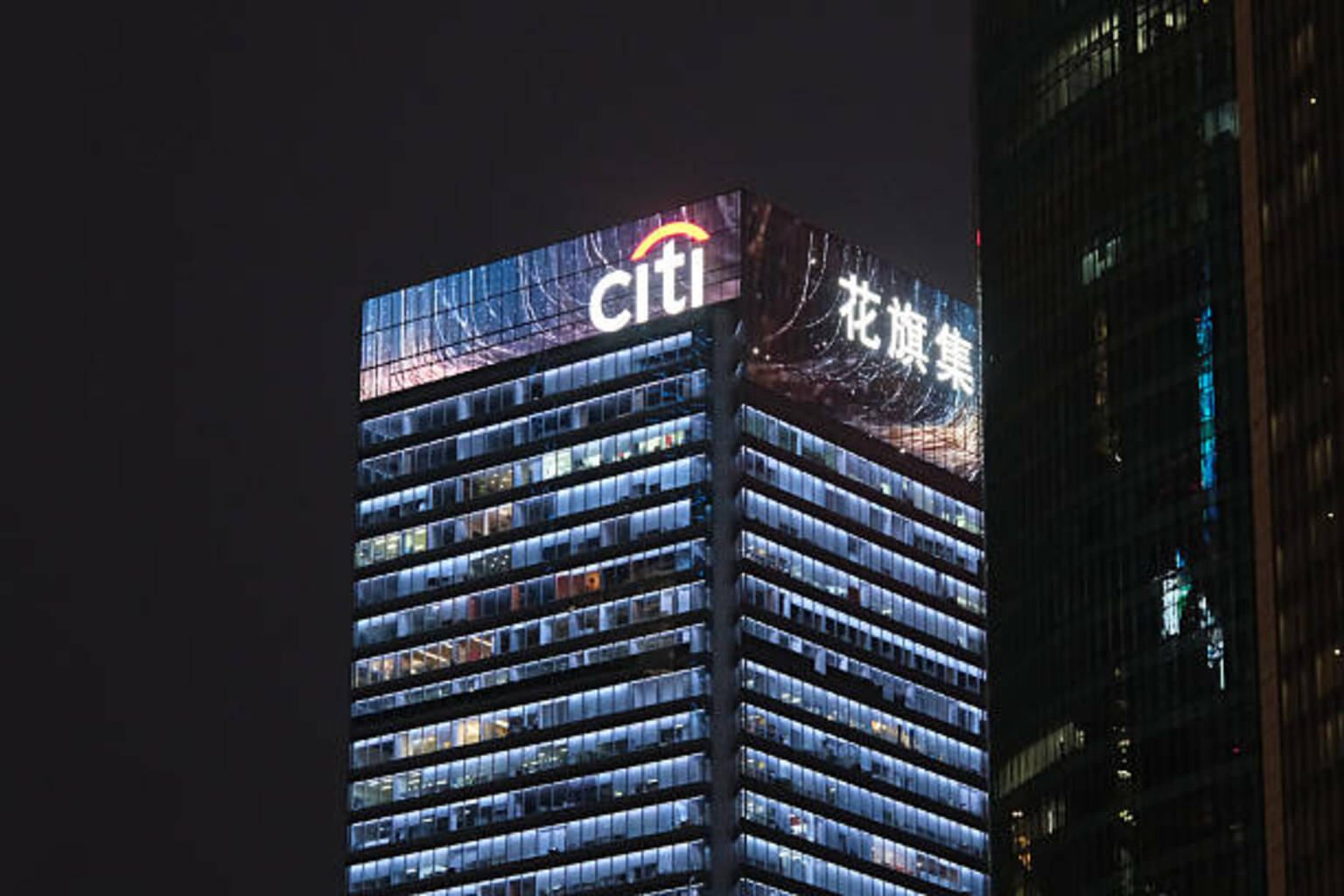
Citigroup Boosts Confidence in Investment Banking Growth Amid Market Uncertainty
- Investment Banking Growth Outlook: CEO Jane Fraser indicated that Citigroup expects mid-teens growth in Q1 investment banking fees, driven primarily by strong M&A and equity capital markets activity, despite ongoing uncertainties in the Middle East.
- Confidence in ROTCE Target: During the RBC Capital Markets Global Financial Institutions Conference, Fraser reaffirmed confidence in achieving a sustainable ROTCE of 10% to 11% this year, highlighting the bank's ability to maintain a 7% revenue growth amidst various challenges.
- Market Division Performance: While the markets division showed lackluster results, the robust growth in investment banking and wealth management compensated for this shortfall, demonstrating Citigroup's resilience in its diversified business model.
- Layoffs and Cost Management: Fraser noted potential additional layoffs to drive profitability targets in the investment bank, with expected severance costs being lower than last year, although these will be front-loaded into the current quarter's financials.
Middle East Tensions to Drive Chemical Prices Upward
- Rating Upgrade: Citi upgraded Dow's rating from neutral to buy and raised the price target from $28 to $40, indicating a potential upside of 16%, reflecting a positive outlook on the company's future performance.
- Supply Chain Impact: The Iran conflict and closure of the Strait of Hormuz are affecting global energy prices, capacity, and shipments, leading to increased feedstock costs for Asian and European producers, prompting significant upward revisions in commodity chemical forecasts.
- Margin Expansion Potential: Analysts noted that, despite the uncertain duration of the conflict, disruptions from upstream LNG plants to downstream crackers could provide months of supply-driven pricing uplift, allowing Dow to capture greater margin expansion in chains like olefins and polyolefins.
- Long-term Market Outlook: The heightened tensions in the Middle East may result in fewer projects being built in the region, while supply-side reforms in China could be accelerated if older assets are impacted, ultimately increasing the long-term value of North American assets.
India Reassesses Trade Corridors Amid U.S.-Israel War

- Trade Corridor Reevaluation: In light of the U.S.-Israel war, India is reassessing its strategic trade corridors with Iran, particularly the International North-South Transport Corridor and the India-Middle East-Europe Economic Corridor, with the latter seen as having greater potential to support India's export ambitions.
- Support for IMEC: The IMEC corridor is backed by powerful allies, with former President Trump calling it 'one of the greatest trade routes in history' and Israeli Prime Minister Netanyahu describing it as 'the largest cooperation project in our history', highlighting its strategic significance.
- Cost and Time Advantages: IMEC is expected to reduce logistical costs by up to 30% and transportation time by 40% compared to traditional routes like the Suez Canal, which is particularly crucial given the current disruptions caused by the Middle East conflict.
- Challenges of Regional Stability: Despite the clear advantages of IMEC, experts warn that its success hinges on regional stability, which is currently in short supply, potentially impacting its future trajectory.
Citigroup and Standard Chartered Evacuate Dubai Offices Amid Iran Conflict
- Safety Measures Enhanced: Citigroup has instructed employees in the Dubai International Financial Centre and Oud Metha area to work from home until further notice, reflecting the company's serious concern for employee safety amid the escalating regional tensions.
- Branch Closures: HSBC has closed all its branches in Qatar until further notice to ensure the safety of staff and customers, demonstrating the company's adaptability in crisis situations and commitment to employee welfare.
- Revenue Impact Assessment: Standard Chartered derives nearly 6% of its overall income from the UAE, and this evacuation could negatively impact its financial performance in the short term, particularly given its high reliance on the region for business.
- Industry Response: Goldman Sachs employees are also working from home in the region, indicating a broader sensitivity within the financial sector to the Middle East situation and a collective emphasis on employee safety, which may lead to fluctuations in overall market sentiment.
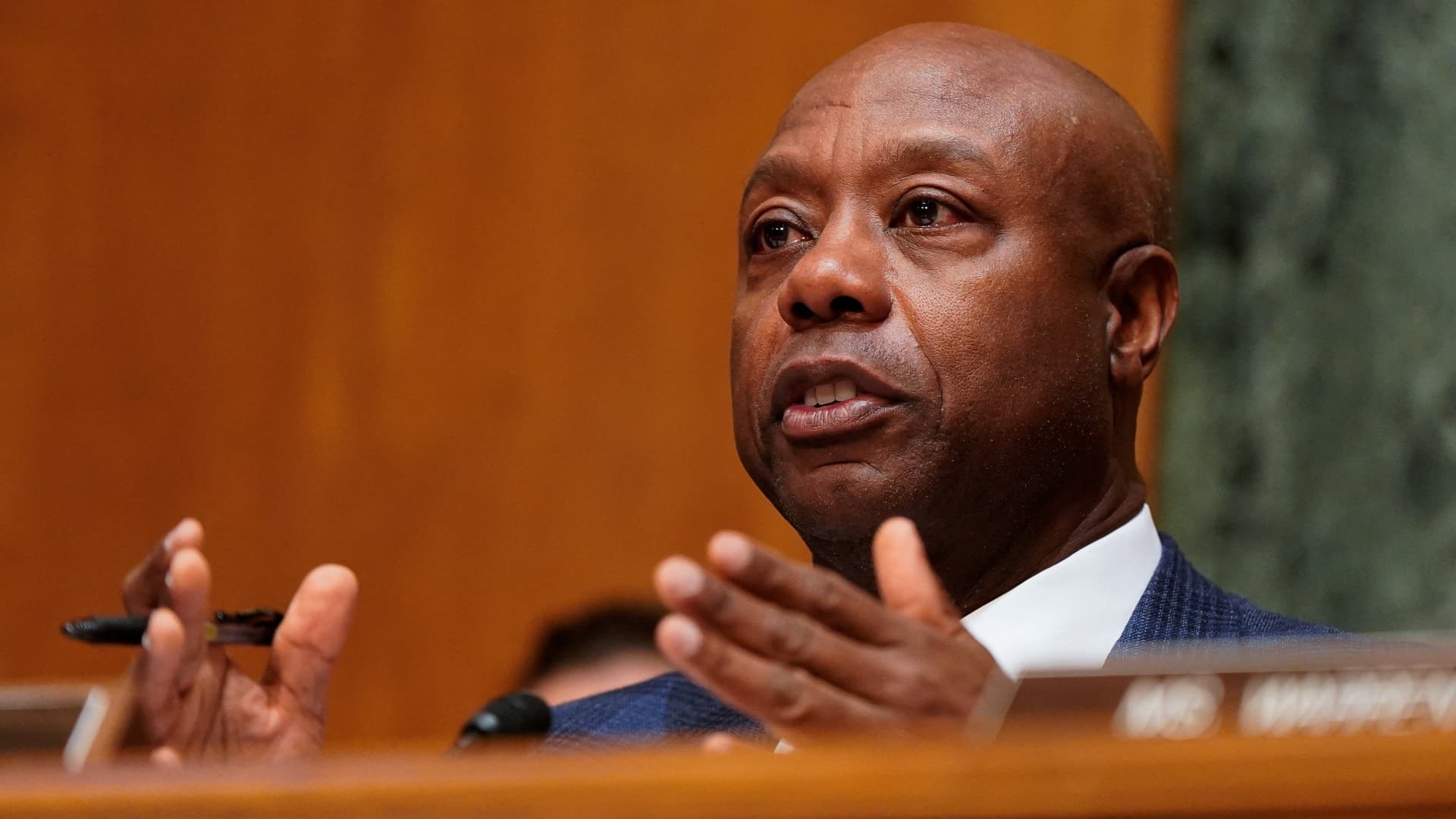
Sen. Scott Discusses Fed Investigation and Nomination

- Fed Investigation Impact: Senator Tim Scott expressed hope that the federal investigation into Fed Chair Jerome Powell will conclude soon, allowing the Senate to proceed with the confirmation of Kevin Warsh, Trump's nominee, thereby ensuring the Fed's normal functioning.
- Nomination Blockade: Senator Thom Tillis from North Carolina vowed to block any Fed nominations until Powell's investigation is resolved, highlighting the potential threat political struggles pose to the Fed's independence, which could affect market confidence in Fed policies.
- Powell's Testimony Issues: Powell was scheduled to testify before Congress on February 11 but missed the date due to the investigation; Scott noted Powell's unpreparedness during his committee appearance, although he believes Powell did not commit a crime, which may impact Powell's reputation.
- Warsh Nomination Outlook: Despite the obstacles, Senator Kevin Cramer believes Democrats should support Warsh's nomination, asserting there is no reason to oppose it, and that confirmation hearings will proceed promptly to avoid a gap between Powell's term and the new term.
Market Update: Oil Price Surge and Corporate Earnings

- Oil Price Volatility: U.S. crude prices surged 4% due to reports of cargo ship attacks off Iran's coast, putting pressure on stocks and indicating ongoing geopolitical risks affecting market sentiment as the S&P 500 is set for a slightly lower open.
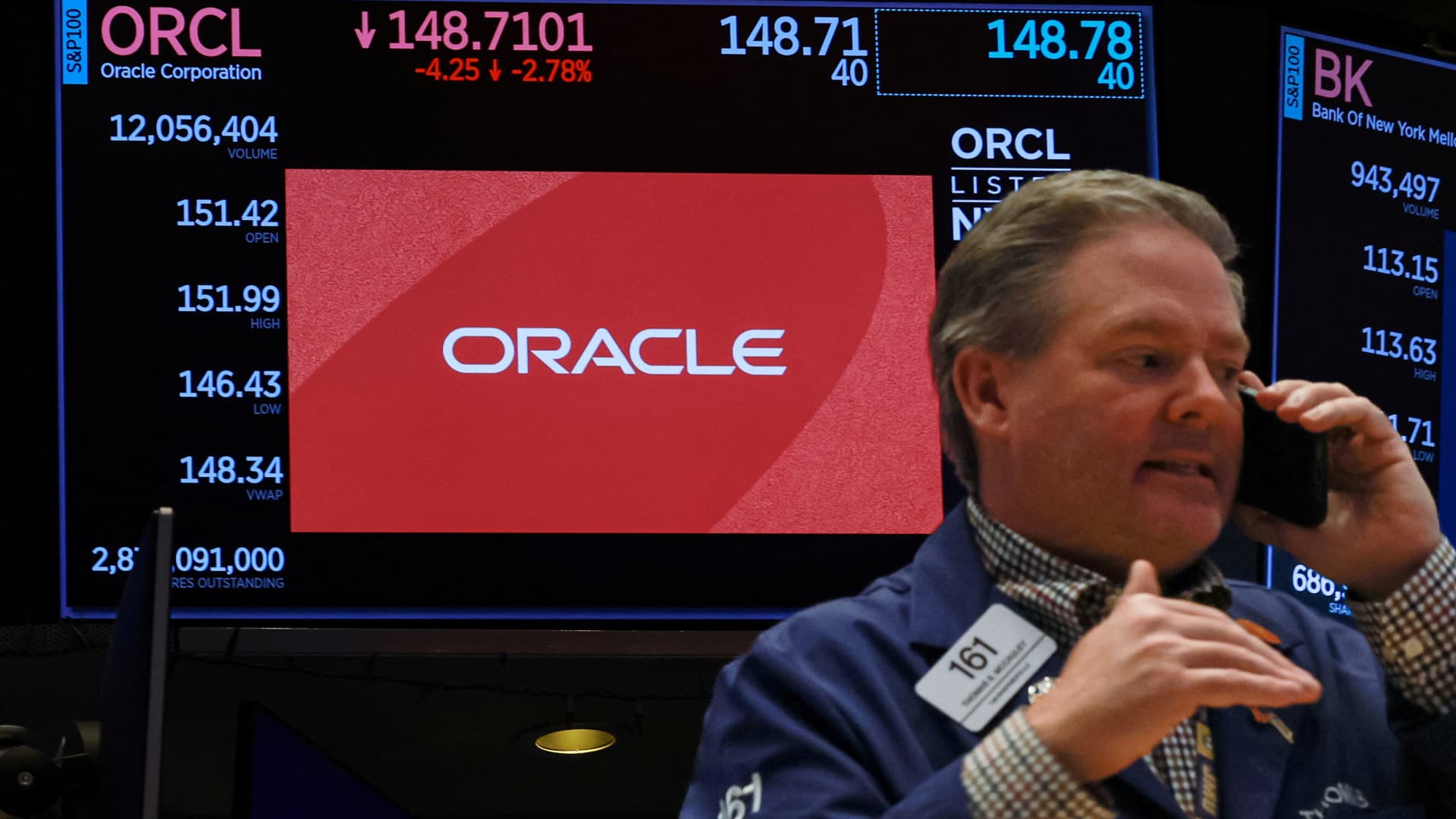
- Oracle's Strong Earnings: Oracle's quarterly results exceeded expectations, leading to a stock price increase of over 9%, with smooth AI buildout and remaining performance obligations exceeding $500 billion, highlighting the company's robust market position and growth potential.
- Kohl's Price Target Cut: Goldman Sachs lowered its price target for Kohl's from $15 to $13 while maintaining a sell rating, citing mixed quarterly results and decelerating same-store sales, reflecting challenges in the retail sector.
- Nike Upgrade: Barclays upgraded Nike from hold to buy, raising the price target from $64 to $73, arguing that tariff risks have eased, and management's progress in inventory management and margin stabilization provides a solid foundation for investment.
Citigroup Boosts Confidence in Investment Banking Growth Amid Market Uncertainty
- Investment Banking Growth Outlook: CEO Jane Fraser indicated that Citigroup expects mid-teens growth in Q1 investment banking fees, driven primarily by strong M&A and equity capital markets activity, despite ongoing uncertainties in the Middle East.
- Confidence in ROTCE Target: During the RBC Capital Markets Global Financial Institutions Conference, Fraser reaffirmed confidence in achieving a sustainable ROTCE of 10% to 11% this year, highlighting the bank's ability to maintain a 7% revenue growth amidst various challenges.
- Market Division Performance: While the markets division showed lackluster results, the robust growth in investment banking and wealth management compensated for this shortfall, demonstrating Citigroup's resilience in its diversified business model.
- Layoffs and Cost Management: Fraser noted potential additional layoffs to drive profitability targets in the investment bank, with expected severance costs being lower than last year, although these will be front-loaded into the current quarter's financials.
Middle East Tensions to Drive Chemical Prices Upward
- Rating Upgrade: Citi upgraded Dow's rating from neutral to buy and raised the price target from $28 to $40, indicating a potential upside of 16%, reflecting a positive outlook on the company's future performance.
- Supply Chain Impact: The Iran conflict and closure of the Strait of Hormuz are affecting global energy prices, capacity, and shipments, leading to increased feedstock costs for Asian and European producers, prompting significant upward revisions in commodity chemical forecasts.
- Margin Expansion Potential: Analysts noted that, despite the uncertain duration of the conflict, disruptions from upstream LNG plants to downstream crackers could provide months of supply-driven pricing uplift, allowing Dow to capture greater margin expansion in chains like olefins and polyolefins.
- Long-term Market Outlook: The heightened tensions in the Middle East may result in fewer projects being built in the region, while supply-side reforms in China could be accelerated if older assets are impacted, ultimately increasing the long-term value of North American assets.
India Reassesses Trade Corridors Amid U.S.-Israel War
- Trade Corridor Reevaluation: In light of the U.S.-Israel war, India is reassessing its strategic trade corridors with Iran, particularly the International North-South Transport Corridor and the India-Middle East-Europe Economic Corridor, with the latter seen as having greater potential to support India's export ambitions.
- Support for IMEC: The IMEC corridor is backed by powerful allies, with former President Trump calling it 'one of the greatest trade routes in history' and Israeli Prime Minister Netanyahu describing it as 'the largest cooperation project in our history', highlighting its strategic significance.
- Cost and Time Advantages: IMEC is expected to reduce logistical costs by up to 30% and transportation time by 40% compared to traditional routes like the Suez Canal, which is particularly crucial given the current disruptions caused by the Middle East conflict.
- Challenges of Regional Stability: Despite the clear advantages of IMEC, experts warn that its success hinges on regional stability, which is currently in short supply, potentially impacting its future trajectory.
Citigroup and Standard Chartered Evacuate Dubai Offices Amid Iran Conflict
- Safety Measures Enhanced: Citigroup has instructed employees in the Dubai International Financial Centre and Oud Metha area to work from home until further notice, reflecting the company's serious concern for employee safety amid the escalating regional tensions.
- Branch Closures: HSBC has closed all its branches in Qatar until further notice to ensure the safety of staff and customers, demonstrating the company's adaptability in crisis situations and commitment to employee welfare.
- Revenue Impact Assessment: Standard Chartered derives nearly 6% of its overall income from the UAE, and this evacuation could negatively impact its financial performance in the short term, particularly given its high reliance on the region for business.
- Industry Response: Goldman Sachs employees are also working from home in the region, indicating a broader sensitivity within the financial sector to the Middle East situation and a collective emphasis on employee safety, which may lead to fluctuations in overall market sentiment.
Sen. Scott Discusses Fed Investigation and Nomination
- Fed Investigation Impact: Senator Tim Scott expressed hope that the federal investigation into Fed Chair Jerome Powell will conclude soon, allowing the Senate to proceed with the confirmation of Kevin Warsh, Trump's nominee, thereby ensuring the Fed's normal functioning.
- Nomination Blockade: Senator Thom Tillis from North Carolina vowed to block any Fed nominations until Powell's investigation is resolved, highlighting the potential threat political struggles pose to the Fed's independence, which could affect market confidence in Fed policies.
- Powell's Testimony Issues: Powell was scheduled to testify before Congress on February 11 but missed the date due to the investigation; Scott noted Powell's unpreparedness during his committee appearance, although he believes Powell did not commit a crime, which may impact Powell's reputation.
- Warsh Nomination Outlook: Despite the obstacles, Senator Kevin Cramer believes Democrats should support Warsh's nomination, asserting there is no reason to oppose it, and that confirmation hearings will proceed promptly to avoid a gap between Powell's term and the new term.
Market Update: Oil Price Surge and Corporate Earnings
- Oil Price Volatility: U.S. crude prices surged 4% due to reports of cargo ship attacks off Iran's coast, putting pressure on stocks and indicating ongoing geopolitical risks affecting market sentiment as the S&P 500 is set for a slightly lower open.
- Oracle's Strong Earnings: Oracle's quarterly results exceeded expectations, leading to a stock price increase of over 9%, with smooth AI buildout and remaining performance obligations exceeding $500 billion, highlighting the company's robust market position and growth potential.
- Kohl's Price Target Cut: Goldman Sachs lowered its price target for Kohl's from $15 to $13 while maintaining a sell rating, citing mixed quarterly results and decelerating same-store sales, reflecting challenges in the retail sector.
- Nike Upgrade: Barclays upgraded Nike from hold to buy, raising the price target from $64 to $73, arguing that tariff risks have eased, and management's progress in inventory management and margin stabilization provides a solid foundation for investment.