Cracker Barrel Reports Strong Q2 Earnings Despite Revenue Decline
- Revenue Decline: Cracker Barrel's total revenue for Q2 was $874.8 million, a 7.9% year-over-year decrease that slightly missed analyst expectations of $876.94 million, indicating pressure in a competitive market.
- Earnings Beat: The adjusted earnings per share came in at $0.25, surpassing the analyst estimate of -$0.22, although it significantly dropped from $1.38 in the same quarter last year, suggesting some success in cost management.
- EBITDA Guidance Cut: The company narrowed its full-year adjusted EBITDA outlook to $85 million–$100 million, down from a previous range of $70 million–$110 million, reflecting a cautious outlook on future performance.
- Analyst Price Target Adjustments: Following the earnings announcement, several analysts adjusted their price targets for Cracker Barrel, with UBS raising its target from $26 to $31, Truist Securities from $45 to $47, and Wells Fargo from $30 to $35, indicating varied market perspectives on the company's future performance.
Trade with 70% Backtested Accuracy
Analyst Views on CBRL

About CBRL
About the author

Beef Prices Hit All-Time Highs Amid Supply Constraints


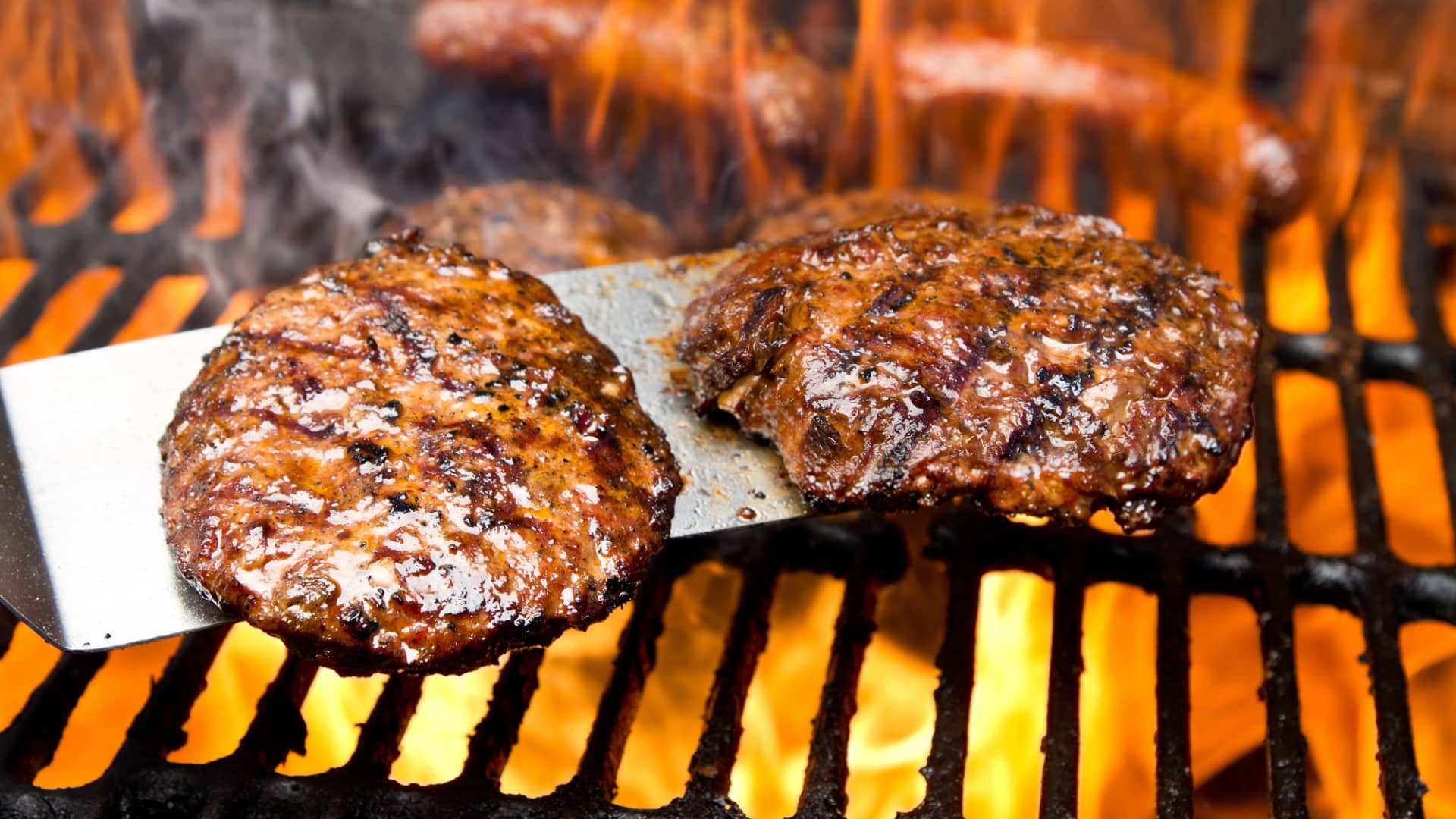
- Futures Price Surge: On Tuesday, live cattle futures at the CME Group settled at $2.51 per pound, marking the highest price on record since the 1960s, driven by rising ranching costs and herd reductions, with prices increasing over 25% in the past year.
- Slaughter Volume Decline: Barclays estimates that cattle slaughter is expected to fall to 2.2 million head in March, down from 2.5 million a year earlier, resulting in a 300,000-pound drop in beef production to 1.9 million pounds, exacerbating supply constraints in the market.
- Retail Price Increase: The Bureau of Labor Statistics reported that the average retail price of ground beef for hamburgers reached approximately $6.70 per pound in March, reflecting a 12% increase from the same month last year, leading to higher costs for consumers planning summer barbecues.
- Financial Strain on Farmers: A survey by the American Farm Bureau Federation revealed that nearly 60% of U.S. farmers reported worsening financial conditions, with many unable to afford the necessary fertilizer for their fields, highlighting the broader impact of rising agricultural production costs on farmers.
Beef Prices Hit Record Highs, Pressuring Consumers Ahead of Summer
- Beef Price Surge: Live cattle futures reached $2.51 per pound on Tuesday, marking the highest price since the 1960s according to FactSet, driven by rising ranching costs and herd reductions, indicating a significant supply constraint.
- Slaughter Volume Decline: Cattle slaughter is expected to drop to 2.2 million head in March from 2.5 million a year earlier, with Barclays estimating a 300,000-pound decrease in beef production to 1.9 million pounds, exacerbating supply-demand imbalances in the market.
- Retail Price Increase: The Bureau of Labor Statistics reported that the retail price of ground beef for hamburgers rose to approximately $6.70 per pound in March, a 12% increase from the previous year, directly impacting consumer plans for summer barbecues.
- Financial Strain on Farmers: A survey by the American Farm Bureau Federation revealed that nearly 60% of U.S. farmers reported worsening financial conditions, with many unable to afford the necessary fertilizers, highlighting the broader inflationary pressures affecting agricultural production.
Three Potential Stocks and Two to Sell

- Cracker Barrel Performance Decline: Cracker Barrel (CBRL) has experienced weak same-store sales trends over the past two years, indicating limited opportunities for new restaurant openings in its core markets, leading to a 33.1% decline in earnings per share over the last six years despite revenue growth, highlighting significantly reduced profitability of incremental sales.
- Ruger Growth Stagnation: Ruger (RGR) has seen stagnant sales over the past five years, signaling an urgent need for new growth strategies, with a low free cash flow margin of 6.8% over the last two years constraining its ability to self-fund growth or return capital to shareholders, reflecting inefficacy in management's investment decisions.
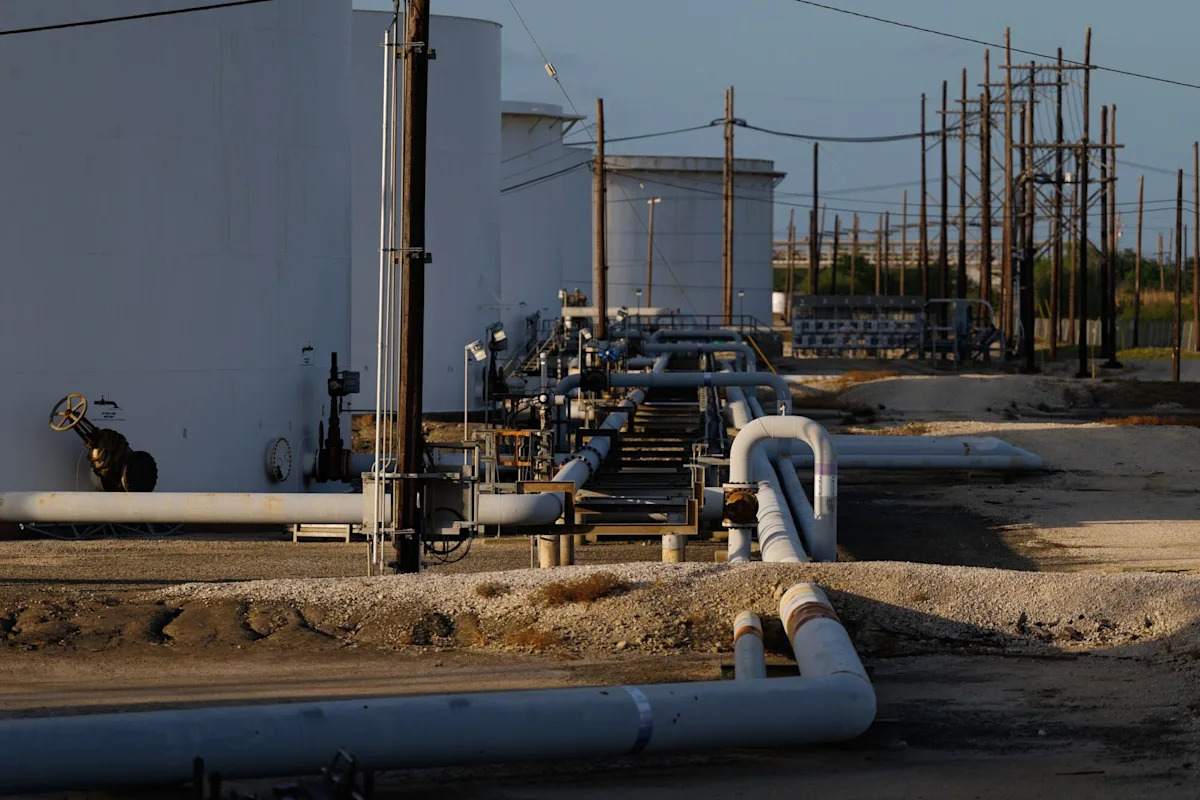
- Vitesse Energy's Attractiveness: Vitesse Energy (VTS), trading at $18.11, owns non-operated stakes in oil and gas wells in North Dakota and Montana's Williston Basin, boasting a respectable 10.3% annualized sales growth over the last four years and a best-in-class gross margin of 79.8%, indicating strong unit economics.
- Strong Market Performance: Vitesse Energy's robust free cash flow allows flexibility to invest in growth initiatives or return capital to shareholders, with a valuation ratio of 53.3x forward P/E, showcasing its potential in the market.
Shift in American Comfort Food Consumption Trends
- Restaurant Closures: Denny's plans to close over 150 locations, reflecting a decline in consumer preference for traditional comfort foods, particularly influenced by health trends and diet drugs, which weaken its market competitiveness.
- Sales Decline: Cracker Barrel reported a 7.2% drop in comparable-store sales in its most recent quarter, indicating a shift in consumer preference towards healthier, locally sourced, and easy-to-prepare meals, impacting its profitability.
- MCL Restaurant Shrinkage: MCL Restaurant & Bakery, after years of declining sales, is set to close several locations in March, reducing its footprint to just seven, highlighting its ongoing contraction in the market.
- Industry Outlook: According to Black Box Intelligence, 9% of full-service restaurants are at risk of closure by 2026, primarily due to rising costs and declining customer counts, raising concerns about the overall health of the restaurant industry.

Congressional Members Invested in These 5 Stocks—Is It Worth Your Investment?


Congressional Stock Trading Legislation: Lawmakers from both parties have proposed banning members of Congress from trading individual stocks while in office, echoing sentiments from the STOCK Act of 2012, which aimed to enhance transparency in trading activities.
Recent Stock Purchases by Congress Members: Several members of Congress, including Representative Lisa McClain and Senator Shelley Moore Capito, have made notable stock purchases in companies like Big Bear AI and Simply Good Foods, raising questions about potential conflicts of interest.
Market Trends and Stock Performance: The article highlights significant stock performance trends, including a reported 52% gain for a top-performing member of Congress in stock trades, and discusses the implications of these trades on market perceptions and investor behavior.
Investor Caution and Research: Investors are advised to conduct thorough research before acting on congressional stock disclosures, as these trades may not serve as reliable trading signals due to the time lag in public disclosure and the potential for prior pricing adjustments.

Restaurant Stocks Face Inflation and Economic Volatility Challenges
- Industry Decline: The S&P 500 Hotels, Restaurants, and Leisure sector is down approximately 4% in 2026, while the broader benchmark index has fallen 1.8%, indicating the restaurant industry's struggles amid inflation and uneven economic growth.
- Fast-Food Chains Struggling: DoorDash's stock has plummeted over 27%, Chipotle is down nearly 12%, and Wendy's has lost 15% year-to-date, reflecting shifts in consumer spending habits and the impact of GLP-1 drugs on dining out.
- Impact of GLP-1 Drugs: Research indicates that households with GLP-1 users experienced an 8% short-term decline in food-away-from-home spending, which could significantly affect sales at quick-service and fast-casual restaurants, particularly among lower-income consumers.
- Labor Market Volatility: The unemployment rate rose slightly to 4.4% in February, correlating with weak restaurant demand, as fast-casual and quick-service restaurants reported stagnant or declining same-store sales, highlighting the sensitivity of younger consumers to labor market changes.
Beef Prices Hit All-Time Highs Amid Supply Constraints
- Futures Price Surge: On Tuesday, live cattle futures at the CME Group settled at $2.51 per pound, marking the highest price on record since the 1960s, driven by rising ranching costs and herd reductions, with prices increasing over 25% in the past year.
- Slaughter Volume Decline: Barclays estimates that cattle slaughter is expected to fall to 2.2 million head in March, down from 2.5 million a year earlier, resulting in a 300,000-pound drop in beef production to 1.9 million pounds, exacerbating supply constraints in the market.
- Retail Price Increase: The Bureau of Labor Statistics reported that the average retail price of ground beef for hamburgers reached approximately $6.70 per pound in March, reflecting a 12% increase from the same month last year, leading to higher costs for consumers planning summer barbecues.
- Financial Strain on Farmers: A survey by the American Farm Bureau Federation revealed that nearly 60% of U.S. farmers reported worsening financial conditions, with many unable to afford the necessary fertilizer for their fields, highlighting the broader impact of rising agricultural production costs on farmers.
Beef Prices Hit Record Highs, Pressuring Consumers Ahead of Summer
- Beef Price Surge: Live cattle futures reached $2.51 per pound on Tuesday, marking the highest price since the 1960s according to FactSet, driven by rising ranching costs and herd reductions, indicating a significant supply constraint.
- Slaughter Volume Decline: Cattle slaughter is expected to drop to 2.2 million head in March from 2.5 million a year earlier, with Barclays estimating a 300,000-pound decrease in beef production to 1.9 million pounds, exacerbating supply-demand imbalances in the market.
- Retail Price Increase: The Bureau of Labor Statistics reported that the retail price of ground beef for hamburgers rose to approximately $6.70 per pound in March, a 12% increase from the previous year, directly impacting consumer plans for summer barbecues.
- Financial Strain on Farmers: A survey by the American Farm Bureau Federation revealed that nearly 60% of U.S. farmers reported worsening financial conditions, with many unable to afford the necessary fertilizers, highlighting the broader inflationary pressures affecting agricultural production.
Three Potential Stocks and Two to Sell
- Cracker Barrel Performance Decline: Cracker Barrel (CBRL) has experienced weak same-store sales trends over the past two years, indicating limited opportunities for new restaurant openings in its core markets, leading to a 33.1% decline in earnings per share over the last six years despite revenue growth, highlighting significantly reduced profitability of incremental sales.
- Ruger Growth Stagnation: Ruger (RGR) has seen stagnant sales over the past five years, signaling an urgent need for new growth strategies, with a low free cash flow margin of 6.8% over the last two years constraining its ability to self-fund growth or return capital to shareholders, reflecting inefficacy in management's investment decisions.
- Vitesse Energy's Attractiveness: Vitesse Energy (VTS), trading at $18.11, owns non-operated stakes in oil and gas wells in North Dakota and Montana's Williston Basin, boasting a respectable 10.3% annualized sales growth over the last four years and a best-in-class gross margin of 79.8%, indicating strong unit economics.
- Strong Market Performance: Vitesse Energy's robust free cash flow allows flexibility to invest in growth initiatives or return capital to shareholders, with a valuation ratio of 53.3x forward P/E, showcasing its potential in the market.
Shift in American Comfort Food Consumption Trends
- Restaurant Closures: Denny's plans to close over 150 locations, reflecting a decline in consumer preference for traditional comfort foods, particularly influenced by health trends and diet drugs, which weaken its market competitiveness.
- Sales Decline: Cracker Barrel reported a 7.2% drop in comparable-store sales in its most recent quarter, indicating a shift in consumer preference towards healthier, locally sourced, and easy-to-prepare meals, impacting its profitability.
- MCL Restaurant Shrinkage: MCL Restaurant & Bakery, after years of declining sales, is set to close several locations in March, reducing its footprint to just seven, highlighting its ongoing contraction in the market.
- Industry Outlook: According to Black Box Intelligence, 9% of full-service restaurants are at risk of closure by 2026, primarily due to rising costs and declining customer counts, raising concerns about the overall health of the restaurant industry.
Congressional Members Invested in These 5 Stocks—Is It Worth Your Investment?
Congressional Stock Trading Legislation: Lawmakers from both parties have proposed banning members of Congress from trading individual stocks while in office, echoing sentiments from the STOCK Act of 2012, which aimed to enhance transparency in trading activities.
Recent Stock Purchases by Congress Members: Several members of Congress, including Representative Lisa McClain and Senator Shelley Moore Capito, have made notable stock purchases in companies like Big Bear AI and Simply Good Foods, raising questions about potential conflicts of interest.
Market Trends and Stock Performance: The article highlights significant stock performance trends, including a reported 52% gain for a top-performing member of Congress in stock trades, and discusses the implications of these trades on market perceptions and investor behavior.
Investor Caution and Research: Investors are advised to conduct thorough research before acting on congressional stock disclosures, as these trades may not serve as reliable trading signals due to the time lag in public disclosure and the potential for prior pricing adjustments.
Restaurant Stocks Face Inflation and Economic Volatility Challenges
- Industry Decline: The S&P 500 Hotels, Restaurants, and Leisure sector is down approximately 4% in 2026, while the broader benchmark index has fallen 1.8%, indicating the restaurant industry's struggles amid inflation and uneven economic growth.
- Fast-Food Chains Struggling: DoorDash's stock has plummeted over 27%, Chipotle is down nearly 12%, and Wendy's has lost 15% year-to-date, reflecting shifts in consumer spending habits and the impact of GLP-1 drugs on dining out.
- Impact of GLP-1 Drugs: Research indicates that households with GLP-1 users experienced an 8% short-term decline in food-away-from-home spending, which could significantly affect sales at quick-service and fast-casual restaurants, particularly among lower-income consumers.
- Labor Market Volatility: The unemployment rate rose slightly to 4.4% in February, correlating with weak restaurant demand, as fast-casual and quick-service restaurants reported stagnant or declining same-store sales, highlighting the sensitivity of younger consumers to labor market changes.