

Costco's 682% Return Over 10 Years: A Strong Investment
Written by Emily J. Thompson, Senior Investment Analyst
Updated: Jan 31 2026
0mins
Source: Fool
- Significant Investment Returns: As of January 27, Costco has achieved a total return of 682% over the past decade, meaning a $100 initial investment is now worth $782, significantly outperforming the S&P 500 index and highlighting its strong investment appeal.
- Warehouse Growth: Over the last ten years, Costco has expanded its warehouse count, which has driven merchandise sales growth and an increase in its loyal membership base, resulting in a substantial rise in net income that reflects its robust fundamental performance.
- Market Performance Analysis: Currently, Costco has a market capitalization of $417 billion, with shares priced at $940.10 and a price-to-earnings ratio of 52, indicating its expensive nature as an investment opportunity, necessitating careful evaluation by investors.
- Investment Advice: Despite Costco's impressive historical performance, experts recommend that investors wait for a significant pullback in stock price before considering adding to their positions to avoid the risks associated with buying at high levels.
Trade with 70% Backtested Accuracy
Stop guessing "Should I Buy COST?" and start using high-conviction signals backed by rigorous historical data.
Sign up today to access powerful investing tools and make smarter, data-driven decisions.
Analyst Views on COST
Wall Street analysts forecast COST stock price to rise
24 Analyst Rating
19 Buy
4 Hold
1 Sell
Strong Buy
Current: 979.450

Low
769.00
Averages
1061
High
1205
Current: 979.450
Low
769.00
Averages
1061
High
1205
About COST
Costco Wholesale Corporation (Costco) operates membership warehouses and e-commerce sites that offer a selection of nationally branded and private-label products in a wide range of categories. The Company buys the majority of its merchandise directly from suppliers and route it to cross-docking consolidation points (depots) or directly to its warehouses. It operates 891 warehouses, including 614 in the United States and Puerto Rico, 108 in Canada, 40 in Mexico, 35 in Japan, 29 in the United Kingdom, 19 in Korea, 15 in Australia, 14 in Taiwan, seven in China, five in Spain, two in France, and one each in Iceland, New Zealand and Sweden. It also operates e-commerce sites in the United States, Canada, the United Kingdom, Mexico, Korea, Taiwan, Japan and Australia. The Company provides wide selection of merchandise, plus the convenience of specialty departments and exclusive member services.
About the author

Emily J. Thompson
Emily J. Thompson, a Chartered Financial Analyst (CFA) with 12 years in investment research, graduated with honors from the Wharton School. Specializing in industrial and technology stocks, she provides in-depth analysis for Intellectia’s earnings and market brief reports.

Highlights from Zacks Analyst Blog on Featured Stocks


- Costco Strong Performance: Over the past six months, Costco's shares have risen by 13.7%, closely matching the 14% growth of the discount retail sector, indicating that its membership-based warehouse model and strong customer loyalty are driving stable revenue and competitive market positioning.
- Surge in Lam Research Demand: Lam Research's stock has surged by 120.9% in the past six months, significantly outperforming the semiconductor industry’s 50% growth, driven by increased demand for deposition and etch tools fueled by AI, with expectations for continued growth in equipment spending through 2026.
- KLA Market Share Gains: KLA's shares have increased by 97.4% over the last six months, benefiting from AI-driven spending in advanced packaging and high-bandwidth memory, with projections indicating its advanced packaging revenue could reach approximately $1 billion in 2026, reflecting robust market demand.
- AXIL Brands Diversification: AXIL Brands' stock has risen by 24.4% over the past year, and despite tariff pressures, the company has maintained profitability while investing in growth by expanding its retail and online distribution channels, showcasing its core strengths in hearing enhancement and protection.
See More

U.S.-Iran Relations and Fed Meeting Preview


- U.S.-Iran Negotiations: The back-and-forth on U.S.-Iran negotiations has created volatility, with President Trump initially threatening action against Iran before suggesting a deal is imminent, impacting oil prices and market sentiment, necessitating cautious investor strategies amid uncertainty.
- Fed Meeting Preview: New Chair Kevin Warsh is expected to keep interest rates unchanged at Wednesday's meeting, with markets keenly awaiting his economic projections, particularly regarding inflation and job growth, which could influence future monetary policy decisions.
- Economic Data Focus: The May retail sales report, due Wednesday, is anticipated to show a 0.5% month-over-month increase, which will reflect consumer spending willingness and directly impact retail giants like TJX, Amazon, and Costco.
- Housing Market Insights: This week will see the release of May housing starts and pending home sales data; while high mortgage rates may dampen market activity, any signs of increased supply could alleviate price pressures, affecting investment outlooks for companies like Home Depot.
See More

Kroger Named Among Top 10 Value Dividend Stocks by Buffett


- Price Target Adjustment: JPMorgan has lowered Kroger's price target from $72 to $70 while maintaining a Neutral rating, anticipating the company will reaffirm its full-year guidance in the upcoming earnings report on June 18, indicating market confidence in its stability.
- Pricing Strategy Shift: New CEO Greg Foran plans to reduce prices on thousands of items to compete against rivals like Walmart, Costco, and Aldi, demonstrating Kroger's proactive approach in the market share battle.
- Cost-Cutting Initiatives: Kroger aims to support price reductions through tighter sourcing practices, streamlined operations, and cost-cutting measures, with plans to lower costs by directly importing goods and utilizing technology more effectively to enhance customer service.
- Market Positioning Adjustment: As a food and drug retailer, Kroger is working to attract consumers by lowering shelf prices, although analysts note that certain AI stocks may offer greater upside potential, reflecting Kroger's competitive standing in investors' minds.
See More
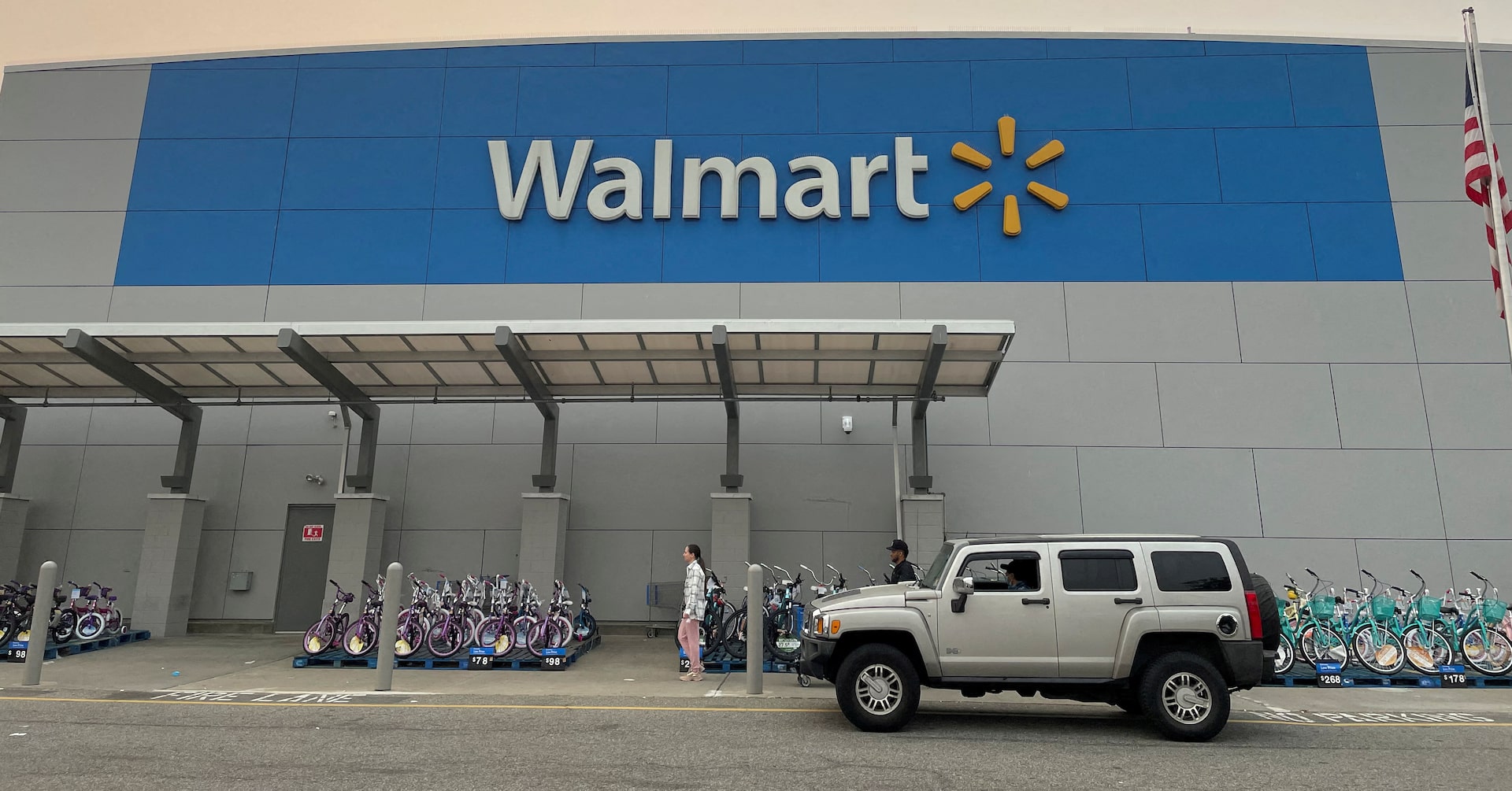
Consumer Confidence Hits Historic Low Amid Inflation Woes
- Consumer Confidence Plummets: The U.S. consumer sentiment survey recorded a historic low of 44.8 in May, indicating that persistent inflation has severely impacted consumer morale, likely leading to significant reductions in discretionary spending and adversely affecting related companies' sales performance.
- Shift to Discount Retail: As household budgets tighten, consumers are increasingly turning to discount retailers like Walmart and Costco, which may benefit during economic downturns, although their price-to-earnings ratios of 42 and 49 suggest relatively high valuations.
- Cautious Market Response: While retail sales data continues to rise, spending on luxury goods is contracting, prompting investors to monitor actual spending habits closely to identify potential investment opportunities, especially as market volatility increases in the coming months.
- Investment Strategy Adjustment: In light of low consumer sentiment, investors should remain patient and selective in stock purchases, focusing on whether luxury goods producers' stocks become undervalued, allowing for potential gains when the market eventually rebounds.
See More

U.S. Consumer Sentiment Hits Historic Low
- Consumer Confidence Plummets: The U.S. consumer sentiment survey recorded a historic low of 44.8 in May, indicating a pessimistic outlook on the economy that could lead to reduced spending on discretionary goods, thereby impacting sales for related companies.
- Investor Response Strategy: In light of declining consumer sentiment, investors should focus on consumer-facing stocks that may be affected, although the current market offers limited discount opportunities, raising concerns about new investments being trapped in overvalued assets.
- Retail Sales Trends: Despite the drop in consumer confidence, retail sales continue to rise, suggesting that as household budgets tighten, consumers may redirect spending, with serious earnings softness expected over the next year leading to deeper stock discounts.
- Warehouse Giants Benefit: Amidst low consumer sentiment, discount retailers like Walmart and Costco may emerge as winners, even though their price-to-earnings ratios of 42 and 49 indicate that these recession-resistant retailers remain relatively expensive.
See More

Investment Comparison of Walmart, Costco, and Amazon

- Successful Membership Model: Costco's membership renewal rate reached 92.2% in the U.S. and Canada for Q3 2026, with a global rate of 89.7%, demonstrating strong customer loyalty and a stable revenue source that reinforces its market position.
- Significant E-commerce Growth: In the same quarter, Costco's e-commerce site and app traffic surged by 37%, while digitally enabled comparable sales rose by 21.5%, indicating substantial success in enhancing online customer engagement, despite a recent dip in stock price.
- Walmart's Stability: As the only 'Dividend King', Walmart has increased its dividend for 53 consecutive years, showcasing the reliability of its business model, with shares also up over 150% in the past five years, further boosted by technology investments like the AI shopping agent Sparky.
- Amazon's Cloud Business Potential: Amazon's AWS revenue grew by 28% to $37.6 billion in Q1 2026, reflecting strong performance in the cloud sector, and while its stock may be volatile, long-term AI investments could lead to significant stock price appreciation potential.
See More
Highlights from Zacks Analyst Blog on Featured Stocks
- Costco Strong Performance: Over the past six months, Costco's shares have risen by 13.7%, closely matching the 14% growth of the discount retail sector, indicating that its membership-based warehouse model and strong customer loyalty are driving stable revenue and competitive market positioning.
- Surge in Lam Research Demand: Lam Research's stock has surged by 120.9% in the past six months, significantly outperforming the semiconductor industry’s 50% growth, driven by increased demand for deposition and etch tools fueled by AI, with expectations for continued growth in equipment spending through 2026.
- KLA Market Share Gains: KLA's shares have increased by 97.4% over the last six months, benefiting from AI-driven spending in advanced packaging and high-bandwidth memory, with projections indicating its advanced packaging revenue could reach approximately $1 billion in 2026, reflecting robust market demand.
- AXIL Brands Diversification: AXIL Brands' stock has risen by 24.4% over the past year, and despite tariff pressures, the company has maintained profitability while investing in growth by expanding its retail and online distribution channels, showcasing its core strengths in hearing enhancement and protection.
See More
U.S.-Iran Relations and Fed Meeting Preview
- U.S.-Iran Negotiations: The back-and-forth on U.S.-Iran negotiations has created volatility, with President Trump initially threatening action against Iran before suggesting a deal is imminent, impacting oil prices and market sentiment, necessitating cautious investor strategies amid uncertainty.
- Fed Meeting Preview: New Chair Kevin Warsh is expected to keep interest rates unchanged at Wednesday's meeting, with markets keenly awaiting his economic projections, particularly regarding inflation and job growth, which could influence future monetary policy decisions.
- Economic Data Focus: The May retail sales report, due Wednesday, is anticipated to show a 0.5% month-over-month increase, which will reflect consumer spending willingness and directly impact retail giants like TJX, Amazon, and Costco.
- Housing Market Insights: This week will see the release of May housing starts and pending home sales data; while high mortgage rates may dampen market activity, any signs of increased supply could alleviate price pressures, affecting investment outlooks for companies like Home Depot.
See More
Kroger Named Among Top 10 Value Dividend Stocks by Buffett
- Price Target Adjustment: JPMorgan has lowered Kroger's price target from $72 to $70 while maintaining a Neutral rating, anticipating the company will reaffirm its full-year guidance in the upcoming earnings report on June 18, indicating market confidence in its stability.
- Pricing Strategy Shift: New CEO Greg Foran plans to reduce prices on thousands of items to compete against rivals like Walmart, Costco, and Aldi, demonstrating Kroger's proactive approach in the market share battle.
- Cost-Cutting Initiatives: Kroger aims to support price reductions through tighter sourcing practices, streamlined operations, and cost-cutting measures, with plans to lower costs by directly importing goods and utilizing technology more effectively to enhance customer service.
- Market Positioning Adjustment: As a food and drug retailer, Kroger is working to attract consumers by lowering shelf prices, although analysts note that certain AI stocks may offer greater upside potential, reflecting Kroger's competitive standing in investors' minds.
See More
Consumer Confidence Hits Historic Low Amid Inflation Woes
- Consumer Confidence Plummets: The U.S. consumer sentiment survey recorded a historic low of 44.8 in May, indicating that persistent inflation has severely impacted consumer morale, likely leading to significant reductions in discretionary spending and adversely affecting related companies' sales performance.
- Shift to Discount Retail: As household budgets tighten, consumers are increasingly turning to discount retailers like Walmart and Costco, which may benefit during economic downturns, although their price-to-earnings ratios of 42 and 49 suggest relatively high valuations.
- Cautious Market Response: While retail sales data continues to rise, spending on luxury goods is contracting, prompting investors to monitor actual spending habits closely to identify potential investment opportunities, especially as market volatility increases in the coming months.
- Investment Strategy Adjustment: In light of low consumer sentiment, investors should remain patient and selective in stock purchases, focusing on whether luxury goods producers' stocks become undervalued, allowing for potential gains when the market eventually rebounds.
See More
U.S. Consumer Sentiment Hits Historic Low
- Consumer Confidence Plummets: The U.S. consumer sentiment survey recorded a historic low of 44.8 in May, indicating a pessimistic outlook on the economy that could lead to reduced spending on discretionary goods, thereby impacting sales for related companies.
- Investor Response Strategy: In light of declining consumer sentiment, investors should focus on consumer-facing stocks that may be affected, although the current market offers limited discount opportunities, raising concerns about new investments being trapped in overvalued assets.
- Retail Sales Trends: Despite the drop in consumer confidence, retail sales continue to rise, suggesting that as household budgets tighten, consumers may redirect spending, with serious earnings softness expected over the next year leading to deeper stock discounts.
- Warehouse Giants Benefit: Amidst low consumer sentiment, discount retailers like Walmart and Costco may emerge as winners, even though their price-to-earnings ratios of 42 and 49 indicate that these recession-resistant retailers remain relatively expensive.
See More
Investment Comparison of Walmart, Costco, and Amazon
- Successful Membership Model: Costco's membership renewal rate reached 92.2% in the U.S. and Canada for Q3 2026, with a global rate of 89.7%, demonstrating strong customer loyalty and a stable revenue source that reinforces its market position.
- Significant E-commerce Growth: In the same quarter, Costco's e-commerce site and app traffic surged by 37%, while digitally enabled comparable sales rose by 21.5%, indicating substantial success in enhancing online customer engagement, despite a recent dip in stock price.
- Walmart's Stability: As the only 'Dividend King', Walmart has increased its dividend for 53 consecutive years, showcasing the reliability of its business model, with shares also up over 150% in the past five years, further boosted by technology investments like the AI shopping agent Sparky.
- Amazon's Cloud Business Potential: Amazon's AWS revenue grew by 28% to $37.6 billion in Q1 2026, reflecting strong performance in the cloud sector, and while its stock may be volatile, long-term AI investments could lead to significant stock price appreciation potential.
See More




