CoreWeave Sees 142% Increase in Value Year-Over-Year Before Q4 Earnings Release
Market Trends: Software stocks are under pressure, with investors shifting focus to defensive sectors like energy and utilities, potentially overlooking resilient areas in tech, particularly AI cloud computing.
CoreWeave's Growth: CoreWeave, a cloud infrastructure provider, has transitioned from cryptocurrency mining to offering GPU-accelerated cloud services, significantly increasing its revenue and gaining attention from major investors like NVIDIA.
Financial Performance: CoreWeave reported a remarkable revenue growth of 134% year-over-year in Q3 2025, despite not yet achieving GAAP profitability, and has a substantial revenue backlog of nearly $56 billion.
Analyst Ratings: Analysts maintain a moderate buy rating for CoreWeave, with a potential upside of over 31%, as the company continues to grow and expand its services in the competitive cloud market.
Trade with 70% Backtested Accuracy
Analyst Views on GOOGL

About GOOGL
About the author

Google Invests €411 Million in Proxima Fusion for Nuclear Fusion Development

- Significant Funding: Google has invested €411 million (approximately $468 million) in Germany's Proxima Fusion during a funding round led by XTX Ventures and East X Ventures, reflecting strong confidence in nuclear fusion technology, with Proxima's valuation reaching $2.7 billion.
- Clear Technical Goals: Proxima Fusion aims to launch its fusion demonstrator in the early 2030s, targeting the establishment of Europe's first commercial fusion power plant, marking a significant position for Europe in the global nuclear fusion technology race.
- Challenges and Opportunities: While nuclear fusion promises clean and abundant energy, the commercialization process faces immense challenges; Google's investment underscores a long-term interest in this potential energy source, with Proxima accelerating the production of high-temperature superconducting cables and magnets.
- Talent Recruitment Plans: Proxima plans to expand its engineering, manufacturing, and operations teams to accelerate technological progress, reflecting its competitiveness in the global fusion landscape and commitment to future energy technologies.
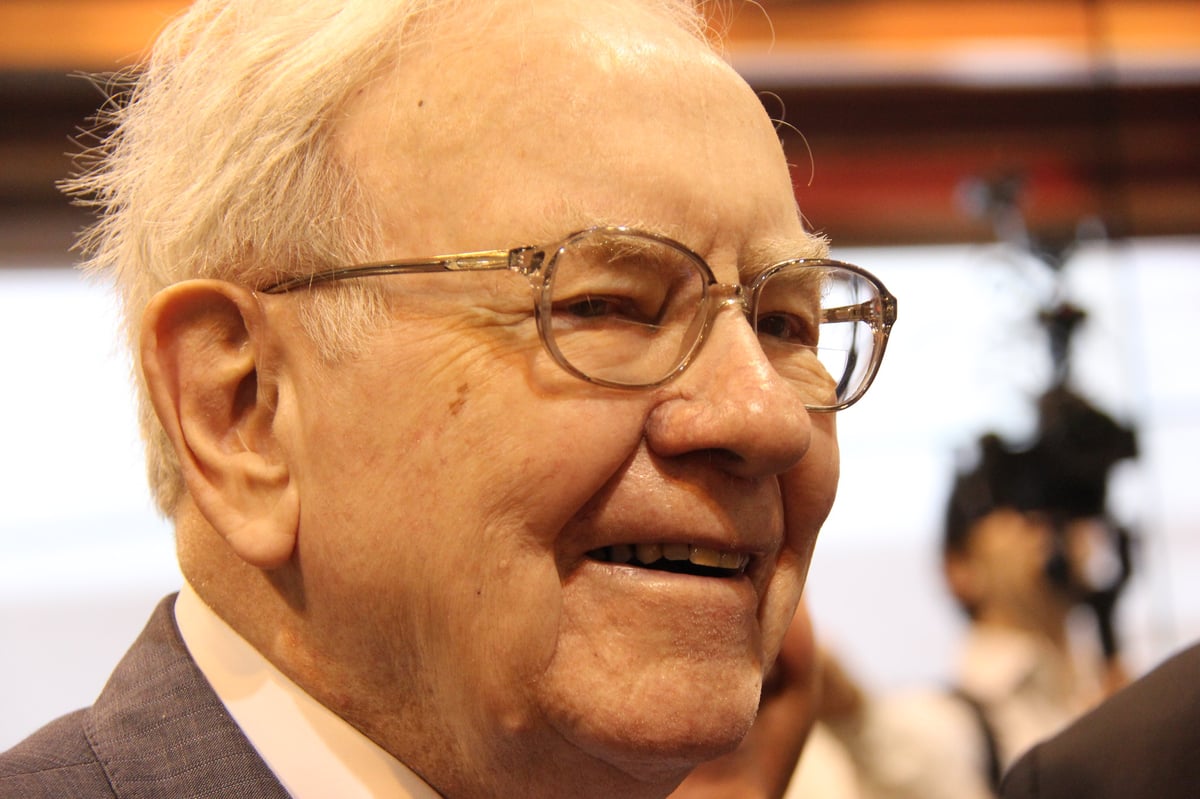
Berkshire Hathaway's New Leadership After Buffett's Retirement

- New Leadership Transition: Following Warren Buffett's retirement on December 31, Greg Abel has taken the helm as CEO of Berkshire Hathaway, marking the first leadership change in over fifty years, and he has swiftly exited 16 positions, demonstrating a decisive management style.
- Increased Investment in Google: Abel has aggressively ramped up Berkshire's investment in Alphabet, more than doubling its stake in Class A shares during the first quarter and opening a position in Class C shares, thereby solidifying Berkshire's investment strategy in the AI sector.
- Apple Remains a Core Asset: Despite Buffett selling 75% of Berkshire's Apple stake prior to his retirement, Abel views Apple as a key long-term growth asset, with the company currently representing 20.5% of Berkshire's investment portfolio, highlighting its potential in high-margin services and AI integration.
- Growth in AI and Cloud Services: Google Cloud's sales growth surged to 63% in the first quarter of 2026, showcasing strong momentum in AI integration and high-margin services, and Abel's investment strategy is expected to further enhance Berkshire's competitiveness in this area.

Buffett's Retirement Marks New Era for Berkshire Hathaway
- Leadership Transition: Following Warren Buffett's retirement on December 31, Greg Abel has swiftly transformed Berkshire Hathaway's investment strategy by exiting 16 positions and aggressively increasing stakes in Alphabet, indicating a strong focus on artificial intelligence that is expected to drive portfolio growth.
- Portfolio Restructuring: Abel has concentrated 30% of Berkshire's $343 billion investment portfolio in two foundational AI stocks, Apple and Alphabet, signaling a strategic pivot towards high-growth technology sectors that could enhance future earnings.
- Growth Potential of Alphabet: Abel more than doubled Berkshire's stake in Alphabet's Class A shares in Q1 and opened a position in Class C shares, alongside a commitment to purchase a $10 billion private placement, reflecting confidence in Alphabet's sustainable competitive advantages and likely strengthening Berkshire's market position.
- Long-term Value of Apple: Despite Buffett selling 75% of Berkshire's Apple stake prior to his retirement, Abel highlighted Apple as a multidecade compounder in his first letter to shareholders, suggesting that its high-margin subscription services and AI integration will further enhance customer loyalty and profitability.
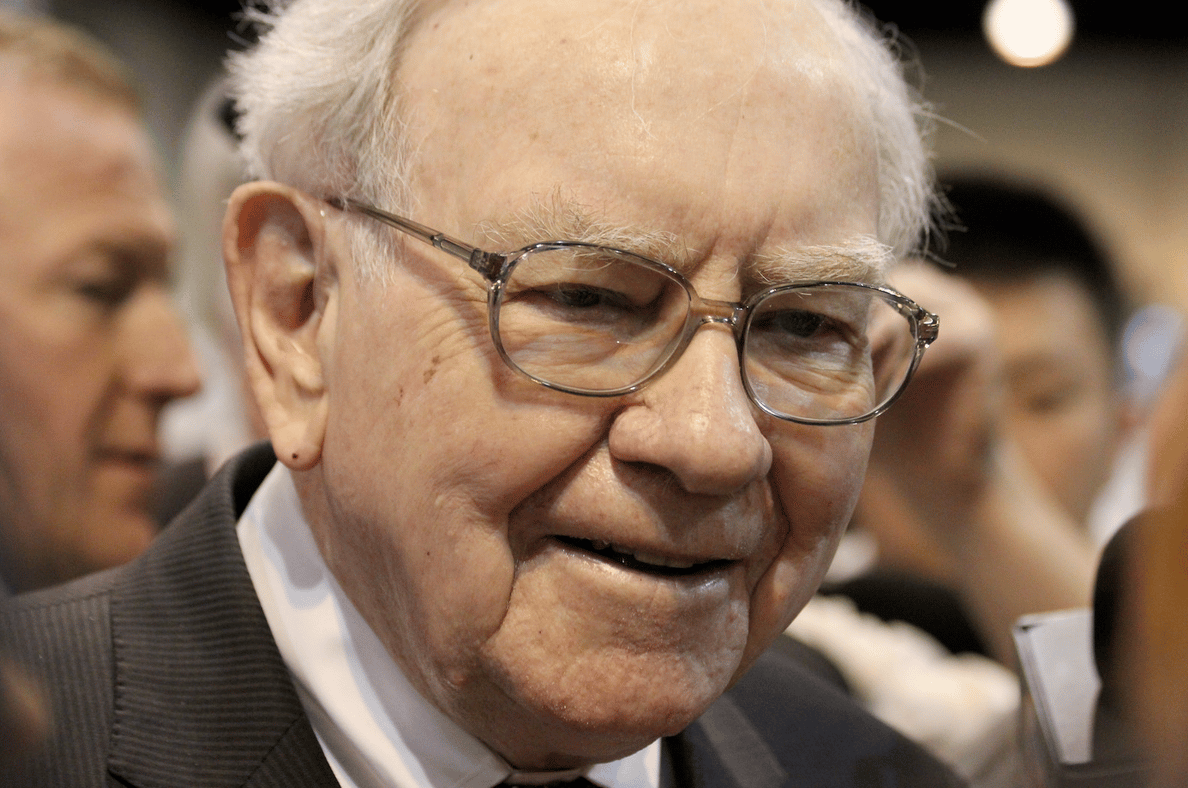
Berkshire's Abel Increases Alphabet Stake Significantly

- Acquisition Plans: Under Abel's leadership, Berkshire Hathaway announced an $8.5 billion acquisition of homebuilder Taylor Morrison, marking a significant shift in its acquisition strategy and demonstrating confidence in the real estate market.
- Capital Investment: Berkshire agreed to purchase $10 billion in newly issued Alphabet shares through a private placement, further enhancing its investment in the artificial intelligence sector, indicating the company's focus on future tech trends.
- Shareholding Growth: As of March 31, 2026, Berkshire's stake in Alphabet has grown to approximately 86.4 million shares, valued at around $31.6 billion, reflecting a gradual tilt towards tech stocks that may influence investor perceptions of the company's future performance.
- Strategic Shift: While the overall asset allocation has not changed significantly, Abel's move suggests an increasing allocation to technology stocks, and if the AI growth trend continues, this strategic adjustment could prove wise in hindsight.

Berkshire's Abel Increases Tech Stock Investments
- Major Investment Moves: Last month, Berkshire Hathaway made a significant $10 billion private placement investment in Alphabet, further increasing its equity position, indicating a sustained interest in technology stocks that may foreshadow larger allocations in the future.
- Acquisition Plans: Concurrently, Berkshire announced an $8.5 billion acquisition of homebuilder Taylor Morrison, marking the first major acquisition under Abel's leadership and reflecting the company's strategic intent to diversify its investments.
- Equity Growth: Berkshire's stake in Alphabet has surged from 17.9 million shares last year to approximately 86.4 million shares now, valued at around $31.6 billion, highlighting the company's focus on the growth potential of artificial intelligence, which could influence investor perceptions of its stock.
- Market Resilience: Despite Abel's strategic shifts, Berkshire retains nearly $400 billion in cash, representing 36% of its market cap, positioning the company well to weather downturns, although further investments in tech stocks should be approached with caution.
Nvidia's Sustained Growth and Optimistic Five-Year Outlook


- Significant Revenue Growth: Nvidia reported a remarkable 74.6% revenue increase and a staggering 120.7% rise in net income in the latest quarter, underscoring its robust performance in the semiconductor industry and solidifying its market leadership.
- AI Spending Drives Growth: Currently, Nvidia's growth is primarily fueled by AI spending, particularly from tech giants like Google's parent company Alphabet and Microsoft, although concerns about the long-term sustainability of this spending remain.
- Market Dominance: Even if AI spending plateaus in the coming years, Nvidia is likely to maintain its dominance in the high-end processor market, with expectations of at least a 50% stock price increase over the next five years.
- Unlimited Future Potential: Regardless of whether AI continues to thrive, Nvidia's powerful processing chips will remain essential for future technologies such as quantum computing, positioning the company to lead in these emerging markets.
Google Invests €411 Million in Proxima Fusion for Nuclear Fusion Development
- Significant Funding: Google has invested €411 million (approximately $468 million) in Germany's Proxima Fusion during a funding round led by XTX Ventures and East X Ventures, reflecting strong confidence in nuclear fusion technology, with Proxima's valuation reaching $2.7 billion.
- Clear Technical Goals: Proxima Fusion aims to launch its fusion demonstrator in the early 2030s, targeting the establishment of Europe's first commercial fusion power plant, marking a significant position for Europe in the global nuclear fusion technology race.
- Challenges and Opportunities: While nuclear fusion promises clean and abundant energy, the commercialization process faces immense challenges; Google's investment underscores a long-term interest in this potential energy source, with Proxima accelerating the production of high-temperature superconducting cables and magnets.
- Talent Recruitment Plans: Proxima plans to expand its engineering, manufacturing, and operations teams to accelerate technological progress, reflecting its competitiveness in the global fusion landscape and commitment to future energy technologies.
Berkshire Hathaway's New Leadership After Buffett's Retirement
- New Leadership Transition: Following Warren Buffett's retirement on December 31, Greg Abel has taken the helm as CEO of Berkshire Hathaway, marking the first leadership change in over fifty years, and he has swiftly exited 16 positions, demonstrating a decisive management style.
- Increased Investment in Google: Abel has aggressively ramped up Berkshire's investment in Alphabet, more than doubling its stake in Class A shares during the first quarter and opening a position in Class C shares, thereby solidifying Berkshire's investment strategy in the AI sector.
- Apple Remains a Core Asset: Despite Buffett selling 75% of Berkshire's Apple stake prior to his retirement, Abel views Apple as a key long-term growth asset, with the company currently representing 20.5% of Berkshire's investment portfolio, highlighting its potential in high-margin services and AI integration.
- Growth in AI and Cloud Services: Google Cloud's sales growth surged to 63% in the first quarter of 2026, showcasing strong momentum in AI integration and high-margin services, and Abel's investment strategy is expected to further enhance Berkshire's competitiveness in this area.
Buffett's Retirement Marks New Era for Berkshire Hathaway
- Leadership Transition: Following Warren Buffett's retirement on December 31, Greg Abel has swiftly transformed Berkshire Hathaway's investment strategy by exiting 16 positions and aggressively increasing stakes in Alphabet, indicating a strong focus on artificial intelligence that is expected to drive portfolio growth.
- Portfolio Restructuring: Abel has concentrated 30% of Berkshire's $343 billion investment portfolio in two foundational AI stocks, Apple and Alphabet, signaling a strategic pivot towards high-growth technology sectors that could enhance future earnings.
- Growth Potential of Alphabet: Abel more than doubled Berkshire's stake in Alphabet's Class A shares in Q1 and opened a position in Class C shares, alongside a commitment to purchase a $10 billion private placement, reflecting confidence in Alphabet's sustainable competitive advantages and likely strengthening Berkshire's market position.
- Long-term Value of Apple: Despite Buffett selling 75% of Berkshire's Apple stake prior to his retirement, Abel highlighted Apple as a multidecade compounder in his first letter to shareholders, suggesting that its high-margin subscription services and AI integration will further enhance customer loyalty and profitability.
Berkshire's Abel Increases Alphabet Stake Significantly
- Acquisition Plans: Under Abel's leadership, Berkshire Hathaway announced an $8.5 billion acquisition of homebuilder Taylor Morrison, marking a significant shift in its acquisition strategy and demonstrating confidence in the real estate market.
- Capital Investment: Berkshire agreed to purchase $10 billion in newly issued Alphabet shares through a private placement, further enhancing its investment in the artificial intelligence sector, indicating the company's focus on future tech trends.
- Shareholding Growth: As of March 31, 2026, Berkshire's stake in Alphabet has grown to approximately 86.4 million shares, valued at around $31.6 billion, reflecting a gradual tilt towards tech stocks that may influence investor perceptions of the company's future performance.
- Strategic Shift: While the overall asset allocation has not changed significantly, Abel's move suggests an increasing allocation to technology stocks, and if the AI growth trend continues, this strategic adjustment could prove wise in hindsight.
Berkshire's Abel Increases Tech Stock Investments
- Major Investment Moves: Last month, Berkshire Hathaway made a significant $10 billion private placement investment in Alphabet, further increasing its equity position, indicating a sustained interest in technology stocks that may foreshadow larger allocations in the future.
- Acquisition Plans: Concurrently, Berkshire announced an $8.5 billion acquisition of homebuilder Taylor Morrison, marking the first major acquisition under Abel's leadership and reflecting the company's strategic intent to diversify its investments.
- Equity Growth: Berkshire's stake in Alphabet has surged from 17.9 million shares last year to approximately 86.4 million shares now, valued at around $31.6 billion, highlighting the company's focus on the growth potential of artificial intelligence, which could influence investor perceptions of its stock.
- Market Resilience: Despite Abel's strategic shifts, Berkshire retains nearly $400 billion in cash, representing 36% of its market cap, positioning the company well to weather downturns, although further investments in tech stocks should be approached with caution.
Nvidia's Sustained Growth and Optimistic Five-Year Outlook
- Significant Revenue Growth: Nvidia reported a remarkable 74.6% revenue increase and a staggering 120.7% rise in net income in the latest quarter, underscoring its robust performance in the semiconductor industry and solidifying its market leadership.
- AI Spending Drives Growth: Currently, Nvidia's growth is primarily fueled by AI spending, particularly from tech giants like Google's parent company Alphabet and Microsoft, although concerns about the long-term sustainability of this spending remain.
- Market Dominance: Even if AI spending plateaus in the coming years, Nvidia is likely to maintain its dominance in the high-end processor market, with expectations of at least a 50% stock price increase over the next five years.
- Unlimited Future Potential: Regardless of whether AI continues to thrive, Nvidia's powerful processing chips will remain essential for future technologies such as quantum computing, positioning the company to lead in these emerging markets.