CoreCard at risk of losing Apple card business, WSJ reports
Written by Emily J. Thompson, Senior Investment Analyst
Updated: Aug 03 2025
0mins


Should l Buy AAPL?
CoreCard's Risk with Apple: CoreCard (CCRD) faces the potential loss of its credit card business with Apple, as Apple is in talks with JPMorgan (JPM) to replace Goldman Sachs (GS) as its card issuer, which could jeopardize CoreCard's partnership.
Euronet's Acquisition of CoreCard: Euronet (EEFT) has announced plans to acquire CoreCard for $248 million, or $30 per share, in an all-stock transaction.
Trade with 70% Backtested Accuracy
Stop guessing "Should I Buy AAPL?" and start using high-conviction signals backed by rigorous historical data.
Sign up today to access powerful investing tools and make smarter, data-driven decisions.
Analyst Views on AAPL
Wall Street analysts forecast AAPL stock price to rise
27 Analyst Rating
17 Buy
9 Hold
1 Sell
Moderate Buy
Current: 287.510

Low
239.00
Averages
306.89
High
350.00
Current: 287.510
Low
239.00
Averages
306.89
High
350.00
About AAPL
Apple Inc. designs, manufactures and markets smartphones, personal computers, tablets, wearables and accessories, and sells a variety of related services. Its product categories include iPhone, Mac, iPad, Wearables, Home and Accessories. Its services include advertising, AppleCare, cloud services, digital content, and payment services. The Company operates various platforms, including the App Store, that allow customers to discover and download applications and digital content, such as books, music, video, games and podcasts. It also offers digital content through subscription-based services, including Apple Arcade, Apple Fitness+, Apple Music, Apple News+, and Apple TV+. Its wearables include smartwatches, wireless headphones, and spatial computers. Its products include iPhone 16 Pro, iPhone 16, iPhone 15, iPhone 14, iPhone SE, MacBook Air, MacBook Pro, iMac, Mac mini, Mac Studio, Mac Pro, iPad Pro, iPad Air, AirPods, AirPods Pro, AirPods Max, Apple TV, Apple Vision Pro and others.
About the author

Emily J. Thompson
Emily J. Thompson, a Chartered Financial Analyst (CFA) with 12 years in investment research, graduated with honors from the Wharton School. Specializing in industrial and technology stocks, she provides in-depth analysis for Intellectia’s earnings and market brief reports.

Apple Launches Low-Priced MacBook Neo, Boosting Sales Growth

- Sales Growth: Since its launch in March, Apple's MacBook Neo has driven a 6% year-over-year increase in Mac sales, indicating the product's success in attracting new customers and bolstering overall sales, thereby reinforcing Apple's position in the premium market.
- Education Market Potential: With a starting price of $499, the MacBook Neo could tap into the U.S. K-12 market, where selling to just half of the 54 million students could generate approximately $13.5 billion in new revenue, significantly enhancing Apple's influence in the education sector.
- Strong Customer Response: CEO Tim Cook noted that demand for the MacBook Neo has exceeded expectations, setting records for new customers, which suggests that the product effectively meets market demand for affordable laptops, further enhancing brand appeal.
- Robust Financial Performance: Apple's latest earnings report revealed quarterly revenue of $111.2 billion, a 17% year-over-year increase, with diluted earnings per share rising 22% year-over-year, indicating the company's success in launching new products and boosting investor confidence.
See More

Apple Opposes Canadian Bill C-22 on Encryption

- Bill Controversy: Apple has publicly opposed Canadian Bill C-22, stating that it could force the company to compromise device encryption, thereby impacting user privacy and security, highlighting tech companies' concerns over government efforts to expand lawful access to encrypted data.
- Legislative Background: Proposed by Canada's ruling Liberal Party, the bill aims to assist law enforcement in investigating security threats more swiftly; however, Apple argues that it would undermine their ability to provide robust privacy protections, potentially leading to user data breaches.
- International Implications: The bill's provisions could mirror a data access request sent to Apple by the UK last year, which led Apple to withdraw a feature allowing end-to-end encrypted cloud storage, illustrating the complex interplay of data security across borders.
- Industry Response: Apple emphasized in a statement that if passed, the bill would allow the government to compel companies to insert backdoors into their products, eroding user trust, while executives from Meta are also scheduled to testify regarding the bill, indicating widespread industry concern.
See More
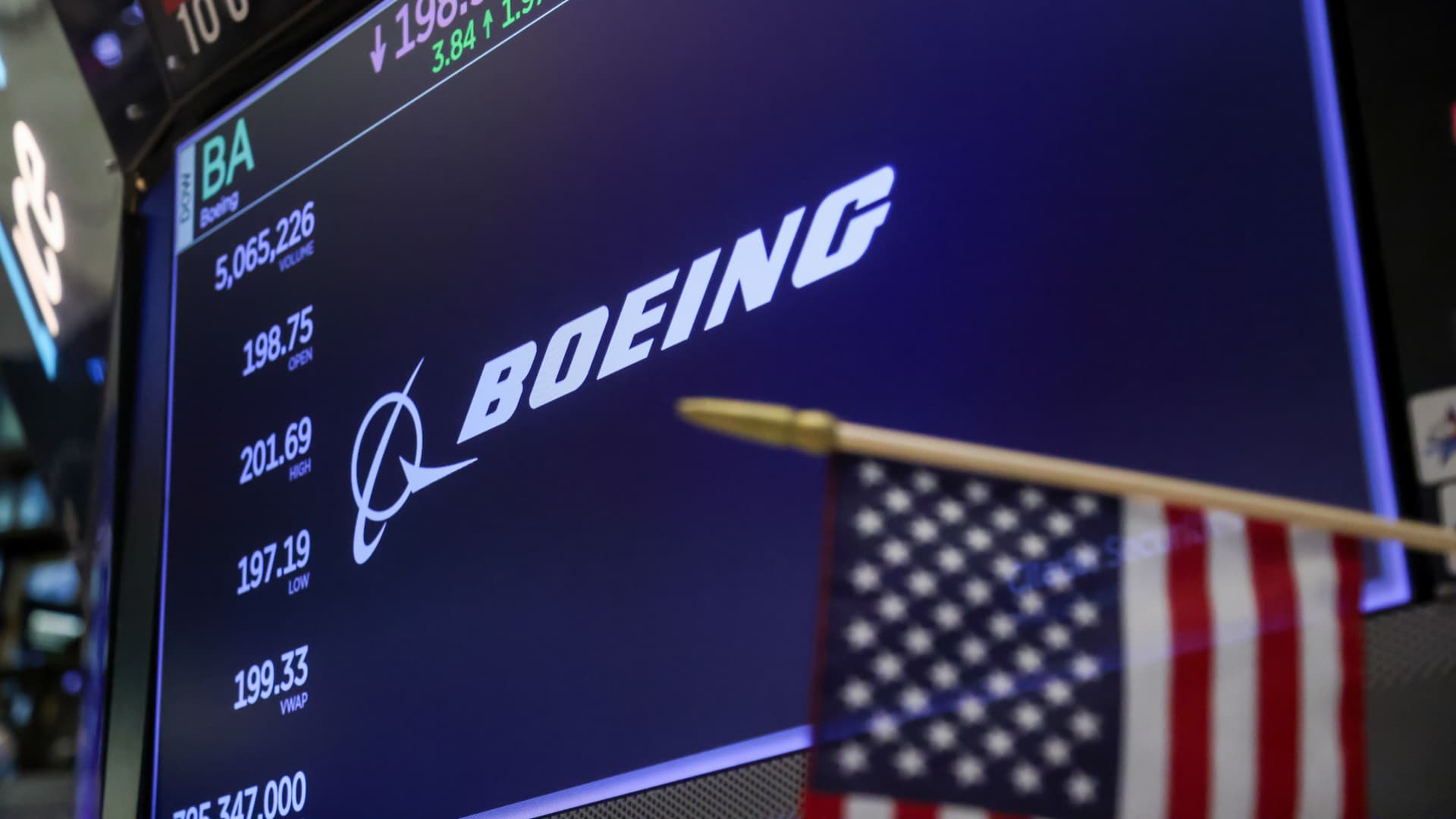
Market Dynamics: Oil Prices and Tech Stocks Fluctuate


- Oil Price Recovery: West Texas Intermediate crude oil prices rebounded above $97 per barrel after a morning dip, reflecting cautious optimism about future demand, which could impact related energy stocks' performance.
- Divergent Tech Stock Performance: As AI-related stocks pull back, cybersecurity software stocks like CrowdStrike and Palo Alto Networks surged, crossing $500 and $190 respectively for the first time, indicating increased market confidence in their business models and potentially attracting more investor interest.
- Boeing Stock Rise: Boeing's shares rose as CEO Kelly Ortberg is set to accompany President Trump on his trip to China, with the market anticipating a major order of up to 500 planes, although skepticism remains regarding the order's realization.
- Employment Data Expectations: Economists forecast a 65,000 increase in April's nonfarm payrolls with the unemployment rate steady at 4.3%, while average hourly earnings are expected to rise by 3.8%, providing crucial economic health indicators that could influence investor confidence.
See More

Trump Administration Invites CEOs of Major Companies for China Trip

- Executive Visit Plan: The Trump administration plans to invite CEOs from major companies including Nvidia, Apple, Exxon, and Boeing to accompany the president on a trip to China next week, highlighting the government's focus on strengthening business relations with China.
- Diverse Corporate Representation: In addition to the aforementioned companies, executives from Qualcomm, Blackstone, Citigroup, and Visa are also on the invitation list, indicating that the visit will encompass multiple industries aimed at fostering multinational cooperation and investment.
- Lack of Government Response: Despite media reports on this matter, the White House has not yet responded to requests for comment, which may reflect a cautious approach in government communications regarding international engagements.
- Strategic Implications: This executive visit could not only enhance commercial exchanges between the U.S. and China but also create opportunities for American companies to further develop in the Chinese market, especially in the current complex international trade environment.
See More
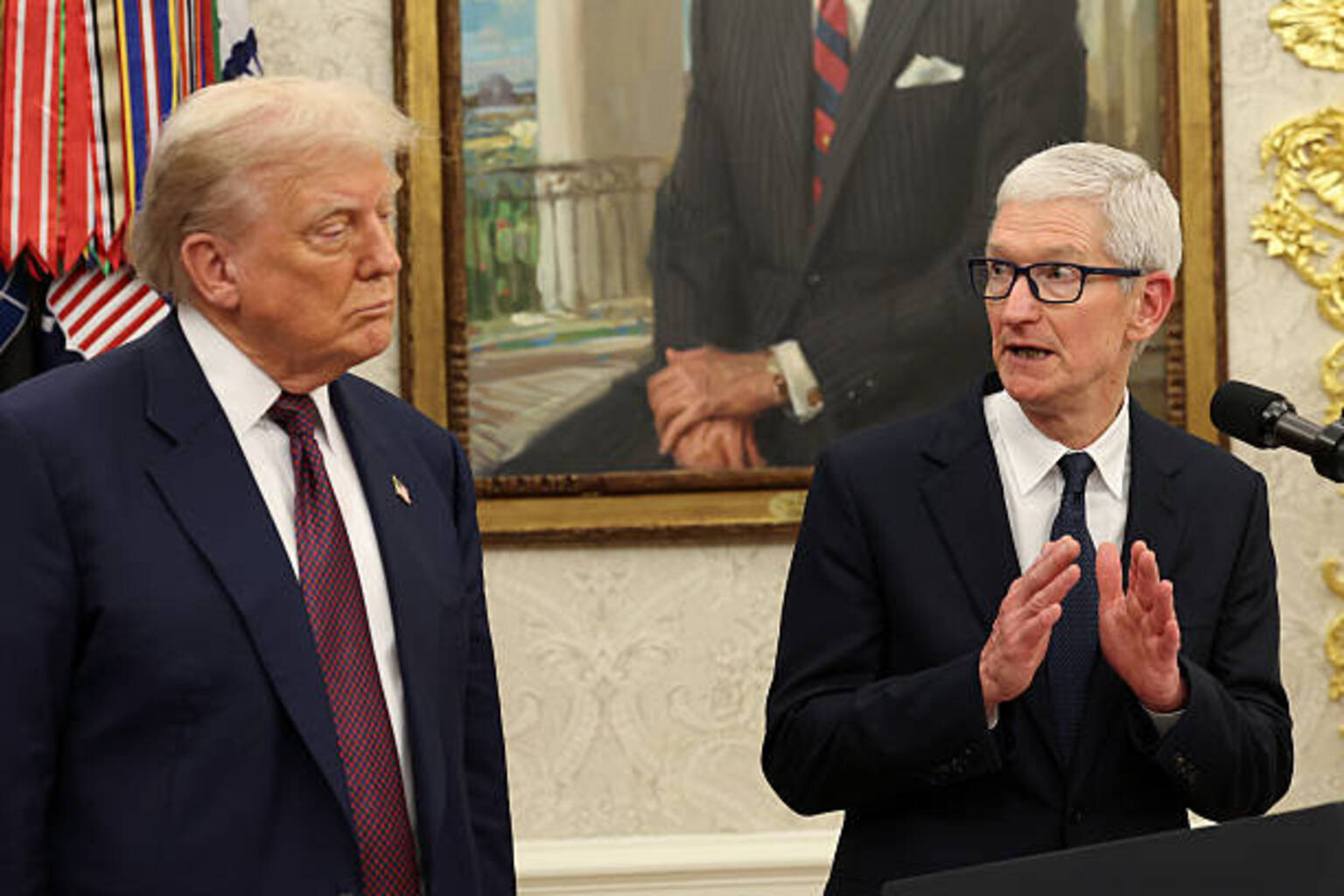
Trump Invites Apple and Nvidia CEOs for Upcoming China Visit
- High-Level Visit Plans: The Trump Administration is expected to invite the CEOs of Apple and Nvidia for a visit to China next week, primarily aimed at improving U.S.-China relations rather than securing specific deals, indicating a willingness for economic cooperation.
- Other Invited Executives: In addition to Apple and Nvidia, executives from Exxon, Boeing, Qualcomm, Blackstone, Citigroup, and Visa are also likely to be invited, suggesting that the visit will encompass leaders from multiple industries to foster cross-sector dialogue and collaboration.
- Government Involvement: U.S. Treasury Secretary Scott Bessent, Trade Representative Jamieson Greer, and Ambassador to China David Perdue have been involved in selecting the invited executives, highlighting the visit's significance and potential impact on future policy directions.
- Agenda Discussions: During the visit, the White House and Chinese government are considering whether to include artificial intelligence on the agenda; if successful, Trump and Xi Jinping are expected to discuss safety measures regarding AI risks, reflecting both sides' concerns and willingness to collaborate on emerging technology.
See More
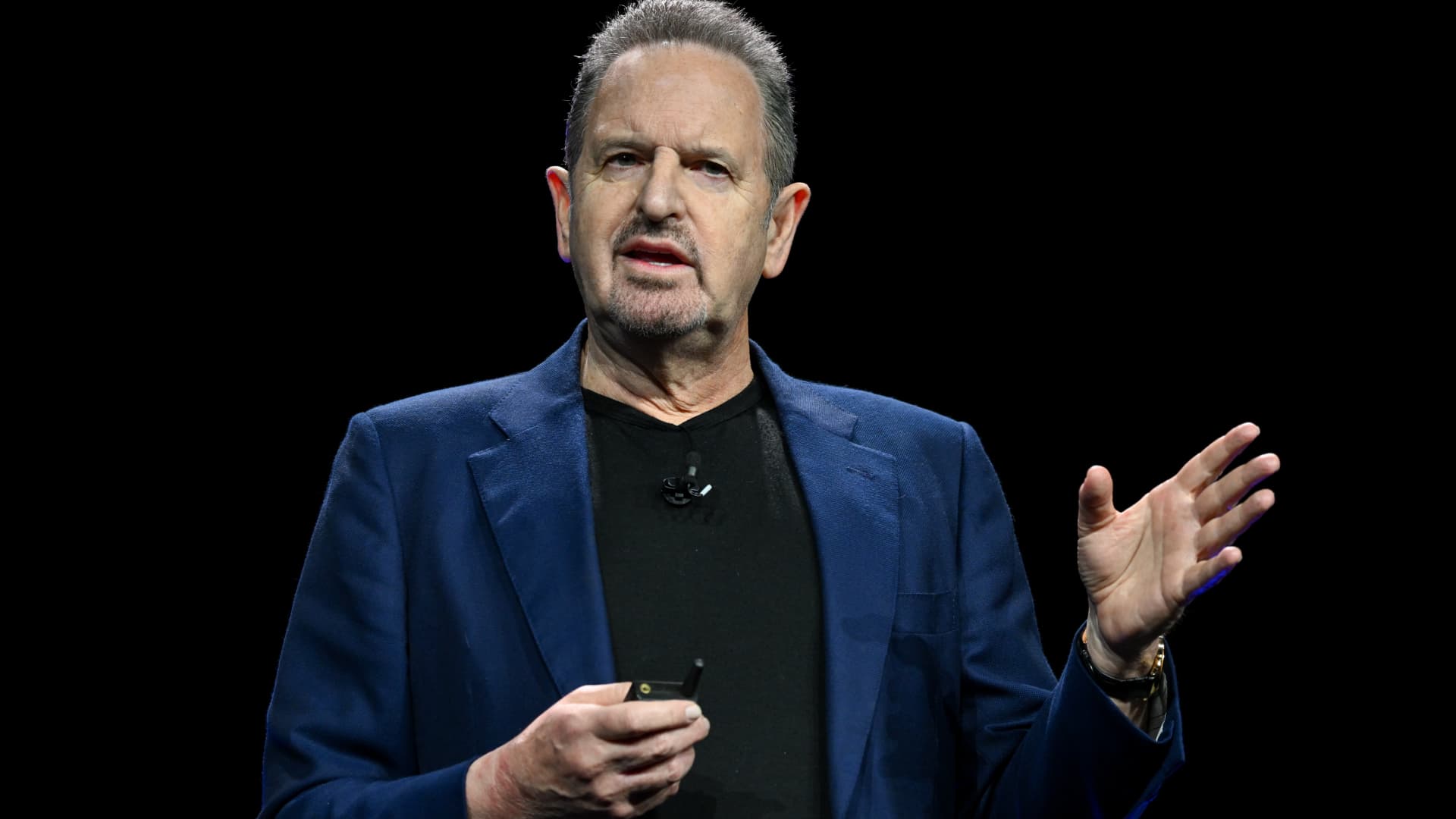
Arm CEO Addresses AI Chip Supply Concerns


- Supply Confidence: Arm CEO Rene Haas expressed confidence in meeting the $2 billion customer demand for fiscal years 2027 and 2028, despite CFO's mention of maintaining a $1 billion revenue outlook, indicating concerns about supply chain capacity.
- Strong Market Demand: Haas emphasized that the demand for CPUs is robust, particularly with the rise of Agentic AI, which increases the CPU's role in task management, laying a solid foundation for Arm's future growth.
- Production Challenges: Although TSMC is ramping up capacity, Arm faces supply chain bottlenecks due to the complexity of design and production, especially in competing for sufficient production capacity against major clients like Nvidia and AMD.
- Business Model Transformation: Arm is transitioning from its traditional licensing model to producing the AGI CPU, a strategic shift that not only enhances the company's market competitiveness but also provides new momentum for future revenue growth.
See More
Apple Launches Low-Priced MacBook Neo, Boosting Sales Growth
- Sales Growth: Since its launch in March, Apple's MacBook Neo has driven a 6% year-over-year increase in Mac sales, indicating the product's success in attracting new customers and bolstering overall sales, thereby reinforcing Apple's position in the premium market.
- Education Market Potential: With a starting price of $499, the MacBook Neo could tap into the U.S. K-12 market, where selling to just half of the 54 million students could generate approximately $13.5 billion in new revenue, significantly enhancing Apple's influence in the education sector.
- Strong Customer Response: CEO Tim Cook noted that demand for the MacBook Neo has exceeded expectations, setting records for new customers, which suggests that the product effectively meets market demand for affordable laptops, further enhancing brand appeal.
- Robust Financial Performance: Apple's latest earnings report revealed quarterly revenue of $111.2 billion, a 17% year-over-year increase, with diluted earnings per share rising 22% year-over-year, indicating the company's success in launching new products and boosting investor confidence.
See More
Apple Opposes Canadian Bill C-22 on Encryption
- Bill Controversy: Apple has publicly opposed Canadian Bill C-22, stating that it could force the company to compromise device encryption, thereby impacting user privacy and security, highlighting tech companies' concerns over government efforts to expand lawful access to encrypted data.
- Legislative Background: Proposed by Canada's ruling Liberal Party, the bill aims to assist law enforcement in investigating security threats more swiftly; however, Apple argues that it would undermine their ability to provide robust privacy protections, potentially leading to user data breaches.
- International Implications: The bill's provisions could mirror a data access request sent to Apple by the UK last year, which led Apple to withdraw a feature allowing end-to-end encrypted cloud storage, illustrating the complex interplay of data security across borders.
- Industry Response: Apple emphasized in a statement that if passed, the bill would allow the government to compel companies to insert backdoors into their products, eroding user trust, while executives from Meta are also scheduled to testify regarding the bill, indicating widespread industry concern.
See More
Market Dynamics: Oil Prices and Tech Stocks Fluctuate
- Oil Price Recovery: West Texas Intermediate crude oil prices rebounded above $97 per barrel after a morning dip, reflecting cautious optimism about future demand, which could impact related energy stocks' performance.
- Divergent Tech Stock Performance: As AI-related stocks pull back, cybersecurity software stocks like CrowdStrike and Palo Alto Networks surged, crossing $500 and $190 respectively for the first time, indicating increased market confidence in their business models and potentially attracting more investor interest.
- Boeing Stock Rise: Boeing's shares rose as CEO Kelly Ortberg is set to accompany President Trump on his trip to China, with the market anticipating a major order of up to 500 planes, although skepticism remains regarding the order's realization.
- Employment Data Expectations: Economists forecast a 65,000 increase in April's nonfarm payrolls with the unemployment rate steady at 4.3%, while average hourly earnings are expected to rise by 3.8%, providing crucial economic health indicators that could influence investor confidence.
See More
Trump Administration Invites CEOs of Major Companies for China Trip
- Executive Visit Plan: The Trump administration plans to invite CEOs from major companies including Nvidia, Apple, Exxon, and Boeing to accompany the president on a trip to China next week, highlighting the government's focus on strengthening business relations with China.
- Diverse Corporate Representation: In addition to the aforementioned companies, executives from Qualcomm, Blackstone, Citigroup, and Visa are also on the invitation list, indicating that the visit will encompass multiple industries aimed at fostering multinational cooperation and investment.
- Lack of Government Response: Despite media reports on this matter, the White House has not yet responded to requests for comment, which may reflect a cautious approach in government communications regarding international engagements.
- Strategic Implications: This executive visit could not only enhance commercial exchanges between the U.S. and China but also create opportunities for American companies to further develop in the Chinese market, especially in the current complex international trade environment.
See More
Trump Invites Apple and Nvidia CEOs for Upcoming China Visit
- High-Level Visit Plans: The Trump Administration is expected to invite the CEOs of Apple and Nvidia for a visit to China next week, primarily aimed at improving U.S.-China relations rather than securing specific deals, indicating a willingness for economic cooperation.
- Other Invited Executives: In addition to Apple and Nvidia, executives from Exxon, Boeing, Qualcomm, Blackstone, Citigroup, and Visa are also likely to be invited, suggesting that the visit will encompass leaders from multiple industries to foster cross-sector dialogue and collaboration.
- Government Involvement: U.S. Treasury Secretary Scott Bessent, Trade Representative Jamieson Greer, and Ambassador to China David Perdue have been involved in selecting the invited executives, highlighting the visit's significance and potential impact on future policy directions.
- Agenda Discussions: During the visit, the White House and Chinese government are considering whether to include artificial intelligence on the agenda; if successful, Trump and Xi Jinping are expected to discuss safety measures regarding AI risks, reflecting both sides' concerns and willingness to collaborate on emerging technology.
See More
Arm CEO Addresses AI Chip Supply Concerns
- Supply Confidence: Arm CEO Rene Haas expressed confidence in meeting the $2 billion customer demand for fiscal years 2027 and 2028, despite CFO's mention of maintaining a $1 billion revenue outlook, indicating concerns about supply chain capacity.
- Strong Market Demand: Haas emphasized that the demand for CPUs is robust, particularly with the rise of Agentic AI, which increases the CPU's role in task management, laying a solid foundation for Arm's future growth.
- Production Challenges: Although TSMC is ramping up capacity, Arm faces supply chain bottlenecks due to the complexity of design and production, especially in competing for sufficient production capacity against major clients like Nvidia and AMD.
- Business Model Transformation: Arm is transitioning from its traditional licensing model to producing the AGI CPU, a strategic shift that not only enhances the company's market competitiveness but also provides new momentum for future revenue growth.
See More