Consumer Staples Stocks Remain Attractive Amid Global Turmoil
Written by Emily J. Thompson, Senior Investment Analyst
Updated: 6 days ago
0mins
Source: Fool
- Stability of Consumer Stocks: Amid rising geopolitical tensions and economic concerns in the U.S., consumer staples stocks like Coca-Cola and Procter & Gamble are viewed as solid investment choices, as their products remain in demand even during economic downturns, ensuring a steady revenue stream.
- Advantages of Dividend Kings: Both Coca-Cola and Procter & Gamble are Dividend Kings, offering dividend yields of 2.5% and 2.6% respectively, significantly higher than the S&P 500's 1.1%, making them attractive assets for investors in the current market environment.
- Performance Discrepancies: Coca-Cola's organic sales grew by 5% in the most recent quarter, while Procter & Gamble's remained flat, leading to a 12% increase in Coca-Cola's stock price over the past year compared to a 5% decline for Procter & Gamble, highlighting significant differences in market performance.
- Flexibility in Investment Choices: With a $1,000 investment, investors can purchase 12 shares of Coca-Cola or 6 shares of Procter & Gamble, allowing them to choose based on their risk preferences while ensuring stable returns in an uncertain market.
Trade with 70% Backtested Accuracy
Stop guessing "Should I Buy KO?" and start using high-conviction signals backed by rigorous historical data.
Sign up today to access powerful investing tools and make smarter, data-driven decisions.
Analyst Views on KO
Wall Street analysts forecast KO stock price to rise
14 Analyst Rating
13 Buy
1 Hold
0 Sell
Strong Buy
Current: 77.880

Low
71.00
Averages
79.33
High
85.00
Current: 77.880
Low
71.00
Averages
79.33
High
85.00
About KO
The Coca-Cola Company is a beverage company. The Company's segments include Europe, Middle East and Africa (EMEA); Latin America; North America; Asia Pacific, and Bottling Investments. It sells multiple brands across several beverage categories worldwide. Its portfolio of sparkling soft drink brands includes Coca-Cola, Sprite and Fanta. Its water, sports, coffee and tea brands include Dasani, smartwater, vitaminwater, Topo Chico, BODYARMOR, Powerade, Costa, Georgia, Fuze Tea, Gold Peak and Ayataka. Its juice, value-added dairy and plant-based beverage brands include Minute Maid, Simply, innocent, Del Valle, fairlife and Santa Clara. It operates in two lines of business: concentrate operations and finished product operations. Its concentrate operations sell beverage concentrates, syrups, including fountain syrups, and certain finished beverages to authorized bottling operations. Its finished product operations sell sparkling soft drinks and a variety of other finished beverages.
About the author

Emily J. Thompson
Emily J. Thompson, a Chartered Financial Analyst (CFA) with 12 years in investment research, graduated with honors from the Wharton School. Specializing in industrial and technology stocks, she provides in-depth analysis for Intellectia’s earnings and market brief reports.

Coca-Cola Reports Strong 2025 Earnings Growth

- Organic Revenue Growth: Coca-Cola achieved a 5% year-over-year organic revenue growth in both Q4 and the full year of 2025, demonstrating resilience amid pressures from lower-income consumers, which bolsters investor confidence in future growth prospects.
- Optimistic Cash Flow Forecast: Management anticipates a 7% year-over-year increase in free cash flow for 2026, reaching approximately $12.2 billion, providing a solid foundation for ongoing dividend payments and future investments, thereby reinforcing its market position.
- Operational Efficiency Improvement: Despite a 32% year-over-year decline in Q4 operating income, the comparable currency-neutral operating income surged by 13%, particularly in North America where the operating margin hit 30% for the first time, showcasing effective cost management strategies.
- Stable Dividend Yield: Coca-Cola's current dividend yield stands at 2.7%, and with a conservative payout ratio of 67%, the company presents a strong balance between stable returns and ongoing growth, appealing to investors seeking defensive investment options.
See More
Coca-Cola and Procter & Gamble: Investment Opportunities in Dividend Kings
- Dividend Yield Comparison: Coca-Cola's dividend yield stands at 2.6%, while Procter & Gamble's is at 2.7%, both exceeding the S&P 500's 1.1%, highlighting their stability and appeal, particularly for conservative investors amid economic uncertainty.
- Industry Leadership: Both Coca-Cola and P&G are leaders in their respective sectors, offering essential consumer goods with high customer loyalty, ensuring stable revenues even during economic downturns, which supports their ongoing dividend growth.
- Attractive Valuation: Coca-Cola's price-to-earnings ratio is currently 25x, slightly below its five-year average of 26x, while P&G's is just under 23x, below its five-year average of around 25x, indicating that both companies are reasonably priced in the current market environment.
- Investment Security: Given the potential for economic recession, investors can rely on the dividend income from these two companies rather than stock price fluctuations, allowing them to maintain confidence during market recoveries and ensuring long-term investment stability.
See More

Analysis of Coca-Cola and Procter & Gamble's Appeal
- Dividend Kings Status: Both Coca-Cola and Procter & Gamble are Dividend Kings with over 50 years of annual dividend increases, indicating their ability to maintain stable cash flows and investment appeal amid economic uncertainty.
- Attractive Dividend Yields: Coca-Cola offers a dividend yield of 2.6% and Procter & Gamble 2.7%, both exceeding the S&P 500's yield of 1.1%, making them more appealing to income-seeking investors.
- Reasonable Valuation Levels: Coca-Cola's price-to-earnings ratio stands at 25x, slightly below its five-year average of 26x, while Procter & Gamble's is just under 23x, below its five-year average of around 25x, indicating both are reasonably priced in the current market.
- Strong Market Foundations: As industry leaders in their respective niches, both companies leverage strong distribution, marketing, and innovation capabilities to sustain growth during economic fluctuations, ensuring continued dividend expansion.
See More
Coca-Cola Shares Surge 11% Amid Strong Earnings and Leadership Transition
- Significant Earnings Growth: Coca-Cola's organic revenue grew by 5% year-over-year in Q4 2025, demonstrating resilience amid pressure from lower-income consumers, which bolstered investor confidence in its premium valuation.
- Strong Cash Flow: The company reported free cash flow of $11.4 billion for the full year, reflecting effective cost management and ongoing organic growth, further solidifying its financial health.
- Future Growth Expectations: Management anticipates organic revenue growth of 4% to 5% in 2026, alongside a projected 5% to 6% increase in comparable currency-neutral earnings per share, providing a robust growth outlook for investors.
- Dividend Appeal: With a dividend yield of 2.7% and a conservative payout ratio of 67%, Coca-Cola remains attractive in the current high-valuation environment, appealing to investors seeking stable income.
See More
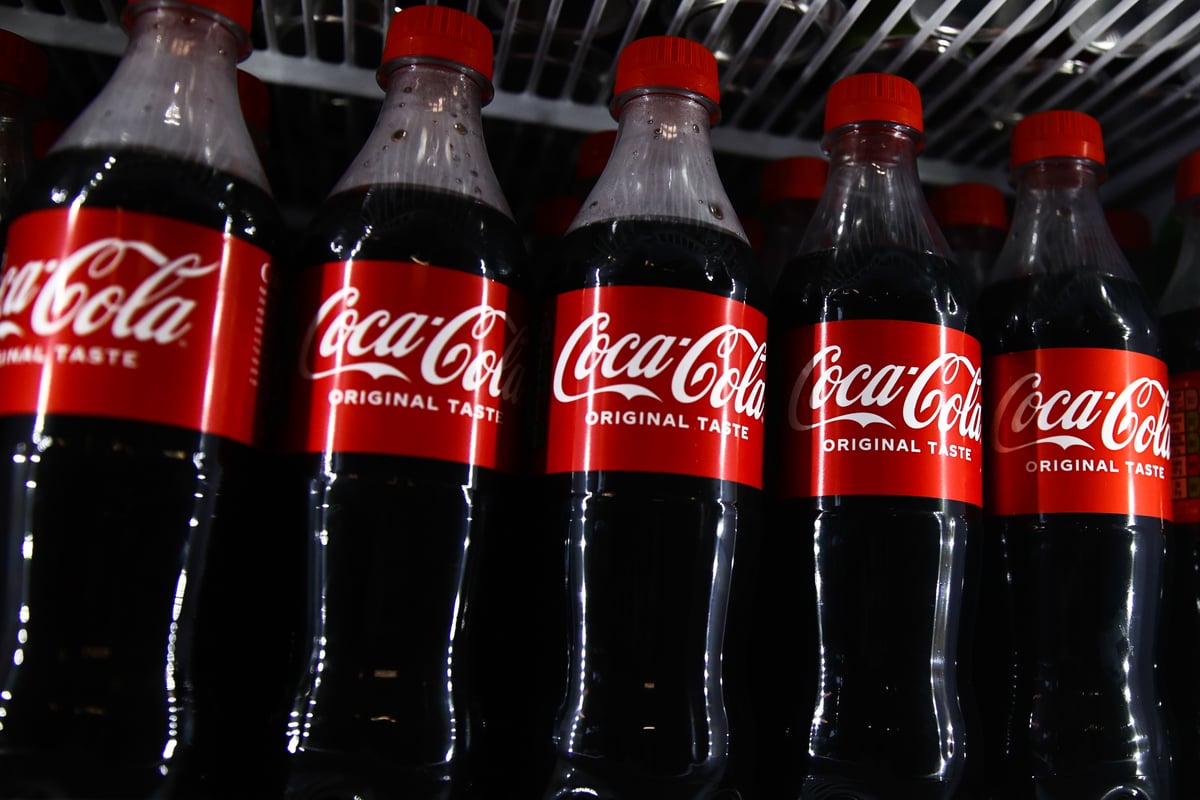
Coca-Cola and American Express: Long-Term Investment Value
- Long-Term Holdings: Berkshire Hathaway has held American Express stock since 1964 and Coca-Cola since 1988, demonstrating the company's long-term trust and strategic vision for these two firms over nearly 40 years.
- Significant Dividend Income: In 2025, Berkshire received $816 million in dividends from Coca-Cola and $479 million from American Express, indicating that these investments are not only stable but also growing, enhancing the company's cash flow and financial flexibility.
- Cost Basis Yield: With a cost basis of $3.25 per share for Coca-Cola and an annual dividend of $2.12, Berkshire enjoys a yield of 65%, while American Express has a cost basis of $8.60 and a dividend of $3.80, yielding 44%, showcasing the substantial financial returns from long-term holdings.
- Strategic Portfolio: New CEO Abel emphasized that Coca-Cola, American Express, Apple, and Moody's are core investments for Berkshire, expected to compound over time, with dividend income providing crucial funding for future acquisitions and operations.
See More

Berkshire Hathaway's Cash Reserves Analysis

- Cash Reserve Status: Berkshire Hathaway ended 2025 with a cash reserve of $373.3 billion, down from $381.6 billion in Q3, yet still demonstrating strong financial strength, indicating the company's resilience amid market fluctuations.
- Stock Trading Dynamics: The company has been a net seller for the 13th consecutive quarter, primarily raising funds through sales of Apple and Bank of America stocks, reflecting its ongoing focus on these core holdings and risk management strategies.
- Buyback Strategy Adjustment: Although the company has not repurchased shares for six straight quarters, it began buying back stock earlier this month, indicating a reassessment of current stock prices, particularly as the price-to-book ratio has decreased from 1.8 to 1.4.
- CEO Strategic Outlook: New CEO Abel emphasized patience in managing the cash reserves in his annual letter, stating the need for disciplined investment timing while also highlighting the importance of risk management beyond its large insurance operations.
See More
Coca-Cola Reports Strong 2025 Earnings Growth
- Organic Revenue Growth: Coca-Cola achieved a 5% year-over-year organic revenue growth in both Q4 and the full year of 2025, demonstrating resilience amid pressures from lower-income consumers, which bolsters investor confidence in future growth prospects.
- Optimistic Cash Flow Forecast: Management anticipates a 7% year-over-year increase in free cash flow for 2026, reaching approximately $12.2 billion, providing a solid foundation for ongoing dividend payments and future investments, thereby reinforcing its market position.
- Operational Efficiency Improvement: Despite a 32% year-over-year decline in Q4 operating income, the comparable currency-neutral operating income surged by 13%, particularly in North America where the operating margin hit 30% for the first time, showcasing effective cost management strategies.
- Stable Dividend Yield: Coca-Cola's current dividend yield stands at 2.7%, and with a conservative payout ratio of 67%, the company presents a strong balance between stable returns and ongoing growth, appealing to investors seeking defensive investment options.
See More
Coca-Cola and Procter & Gamble: Investment Opportunities in Dividend Kings
- Dividend Yield Comparison: Coca-Cola's dividend yield stands at 2.6%, while Procter & Gamble's is at 2.7%, both exceeding the S&P 500's 1.1%, highlighting their stability and appeal, particularly for conservative investors amid economic uncertainty.
- Industry Leadership: Both Coca-Cola and P&G are leaders in their respective sectors, offering essential consumer goods with high customer loyalty, ensuring stable revenues even during economic downturns, which supports their ongoing dividend growth.
- Attractive Valuation: Coca-Cola's price-to-earnings ratio is currently 25x, slightly below its five-year average of 26x, while P&G's is just under 23x, below its five-year average of around 25x, indicating that both companies are reasonably priced in the current market environment.
- Investment Security: Given the potential for economic recession, investors can rely on the dividend income from these two companies rather than stock price fluctuations, allowing them to maintain confidence during market recoveries and ensuring long-term investment stability.
See More
Analysis of Coca-Cola and Procter & Gamble's Appeal
- Dividend Kings Status: Both Coca-Cola and Procter & Gamble are Dividend Kings with over 50 years of annual dividend increases, indicating their ability to maintain stable cash flows and investment appeal amid economic uncertainty.
- Attractive Dividend Yields: Coca-Cola offers a dividend yield of 2.6% and Procter & Gamble 2.7%, both exceeding the S&P 500's yield of 1.1%, making them more appealing to income-seeking investors.
- Reasonable Valuation Levels: Coca-Cola's price-to-earnings ratio stands at 25x, slightly below its five-year average of 26x, while Procter & Gamble's is just under 23x, below its five-year average of around 25x, indicating both are reasonably priced in the current market.
- Strong Market Foundations: As industry leaders in their respective niches, both companies leverage strong distribution, marketing, and innovation capabilities to sustain growth during economic fluctuations, ensuring continued dividend expansion.
See More
Coca-Cola Shares Surge 11% Amid Strong Earnings and Leadership Transition
- Significant Earnings Growth: Coca-Cola's organic revenue grew by 5% year-over-year in Q4 2025, demonstrating resilience amid pressure from lower-income consumers, which bolstered investor confidence in its premium valuation.
- Strong Cash Flow: The company reported free cash flow of $11.4 billion for the full year, reflecting effective cost management and ongoing organic growth, further solidifying its financial health.
- Future Growth Expectations: Management anticipates organic revenue growth of 4% to 5% in 2026, alongside a projected 5% to 6% increase in comparable currency-neutral earnings per share, providing a robust growth outlook for investors.
- Dividend Appeal: With a dividend yield of 2.7% and a conservative payout ratio of 67%, Coca-Cola remains attractive in the current high-valuation environment, appealing to investors seeking stable income.
See More
Coca-Cola and American Express: Long-Term Investment Value
- Long-Term Holdings: Berkshire Hathaway has held American Express stock since 1964 and Coca-Cola since 1988, demonstrating the company's long-term trust and strategic vision for these two firms over nearly 40 years.
- Significant Dividend Income: In 2025, Berkshire received $816 million in dividends from Coca-Cola and $479 million from American Express, indicating that these investments are not only stable but also growing, enhancing the company's cash flow and financial flexibility.
- Cost Basis Yield: With a cost basis of $3.25 per share for Coca-Cola and an annual dividend of $2.12, Berkshire enjoys a yield of 65%, while American Express has a cost basis of $8.60 and a dividend of $3.80, yielding 44%, showcasing the substantial financial returns from long-term holdings.
- Strategic Portfolio: New CEO Abel emphasized that Coca-Cola, American Express, Apple, and Moody's are core investments for Berkshire, expected to compound over time, with dividend income providing crucial funding for future acquisitions and operations.
See More
Berkshire Hathaway's Cash Reserves Analysis
- Cash Reserve Status: Berkshire Hathaway ended 2025 with a cash reserve of $373.3 billion, down from $381.6 billion in Q3, yet still demonstrating strong financial strength, indicating the company's resilience amid market fluctuations.
- Stock Trading Dynamics: The company has been a net seller for the 13th consecutive quarter, primarily raising funds through sales of Apple and Bank of America stocks, reflecting its ongoing focus on these core holdings and risk management strategies.
- Buyback Strategy Adjustment: Although the company has not repurchased shares for six straight quarters, it began buying back stock earlier this month, indicating a reassessment of current stock prices, particularly as the price-to-book ratio has decreased from 1.8 to 1.4.
- CEO Strategic Outlook: New CEO Abel emphasized patience in managing the cash reserves in his annual letter, stating the need for disciplined investment timing while also highlighting the importance of risk management beyond its large insurance operations.
See More