Consumer Staples Dividend Stocks with Growth Potential
Written by Emily J. Thompson, Senior Investment Analyst
Updated: May 25 2026
0mins


Source: Fool
- Costco Stock Performance: Costco Wholesale trades at nearly 57 times earnings, and while its dividend yield is only 0.5%, its quarterly payouts have more than doubled over the past five years, with discussions of a potential stock split since 2000, indicating resilience and future growth potential amidst market volatility.
- International Business Expansion: Costco's international operations are rapidly growing and are expected to significantly contribute to future revenue and profit growth, with a management team that balances innovation and discipline to maintain a competitive edge in a challenging market.
- Coca-Cola's Growth Potential: Coca-Cola Consolidated, with a market cap of $11.5 billion, has outperformed its parent company over the past five years, showcasing strong competitiveness in the North American market; despite a 0.6% dividend yield, improved cash flow and debt reduction lay the groundwork for future dividend growth.
- Financial Health: Coca-Cola Consolidated's operational cash flow surged in Q1 while eliminating $150 million in debt, and if it can effectively manage selling and administrative expenses, it is poised for double-digit sales and gross profit growth, potentially rewarding investors significantly over the next five years.
Trade with 70% Backtested Accuracy
Stop guessing "Should I Buy COST?" and start using high-conviction signals backed by rigorous historical data.
Sign up today to access powerful investing tools and make smarter, data-driven decisions.
Analyst Views on COST
Wall Street analysts forecast COST stock price to rise
24 Analyst Rating
19 Buy
4 Hold
1 Sell
Strong Buy
Current: 953.130

Low
769.00
Averages
1061
High
1205
Current: 953.130
Low
769.00
Averages
1061
High
1205
About COST
Costco Wholesale Corporation (Costco) operates membership warehouses and e-commerce sites that offer a selection of nationally branded and private-label products in a wide range of categories. The Company buys the majority of its merchandise directly from suppliers and route it to cross-docking consolidation points (depots) or directly to its warehouses. It operates 891 warehouses, including 614 in the United States and Puerto Rico, 108 in Canada, 40 in Mexico, 35 in Japan, 29 in the United Kingdom, 19 in Korea, 15 in Australia, 14 in Taiwan, seven in China, five in Spain, two in France, and one each in Iceland, New Zealand and Sweden. It also operates e-commerce sites in the United States, Canada, the United Kingdom, Mexico, Korea, Taiwan, Japan and Australia. The Company provides wide selection of merchandise, plus the convenience of specialty departments and exclusive member services.
About the author

Emily J. Thompson
Emily J. Thompson, a Chartered Financial Analyst (CFA) with 12 years in investment research, graduated with honors from the Wharton School. Specializing in industrial and technology stocks, she provides in-depth analysis for Intellectia’s earnings and market brief reports.
Costco Sales Growth Slows, Shares Decline
- Sales Performance Overview: Costco's net sales rose 10.6% year-over-year to $29.24 billion for the five weeks ending July 5, indicating a strong business foundation despite a slowdown in sales growth.
- Comparable Sales Data: The company's comparable sales increased by 8.8%, although this was lower than the previous month's 12.5%, adjusted same-store sales still grew by 7% when excluding gas price and foreign currency fluctuations, reflecting relatively stable market demand.
- Market Reaction Analysis: Given that Costco's stock trades at a premium compared to other retailers, investor expectations were high, leading to a decline in shares despite strong sales growth due to concerns over the slowdown.
- Future Outlook: Despite facing challenges from slowing growth, Costco is expected to continue attracting value-seeking consumers through its low-price strategy and expanding store network, which should drive higher sales and profits in the future.
See More

Costco's Sales Growth Slows Amid Market Expectations
- Sales Growth: Costco's net sales increased by 10.6% year-over-year to $29.24 billion for the five weeks ending July 5, demonstrating the company's stable performance under its value-focused strategy.
- Comparable Sales Data: Although comparable sales rose by 8.8%, this represents a slowdown from May's 12.5%, indicating that the market's preference for accelerating growth may lead to a shift in investor sentiment.
- Oil Price Impact: Earlier sales growth was boosted by rising oil prices; however, as oil prices retreat, the appeal of discounted gasoline may diminish, potentially affecting future sales growth.
- Market Expectations: Costco's shares trade at premium earnings and cash flow multiples compared to many retailers, leading to high market expectations for future growth, where any slowdown could trigger selling pressure from investors.
See More

U.S. Stocks Close Higher Led by Chipmakers Amid Strong Investor Demand


- Chipmaker Rally: The U.S. stock market saw a boost as chipmakers surged, driven by SK Hynix's ADRs being oversubscribed by more than seven times, indicating strong investor demand and enhancing overall market sentiment.
- Optimistic Market Sentiment: Despite escalating tensions in the Middle East, stocks rose, reflecting investor confidence in robust Q2 earnings forecasts, which are expected to increase by 23%, close to Q1's impressive 30% growth.
- Strong Labor Market: Weekly initial unemployment claims unexpectedly fell to 215,000, indicating a resilient labor market that further supports the upward trend in stock prices amid economic uncertainties.
- Airline Stocks Benefit from Oil Price Drop: Airline and cruise line stocks rallied as WTI crude oil prices fell over 1%, showcasing the market's sensitivity to fluctuations in energy prices and their impact on operational costs.
See More
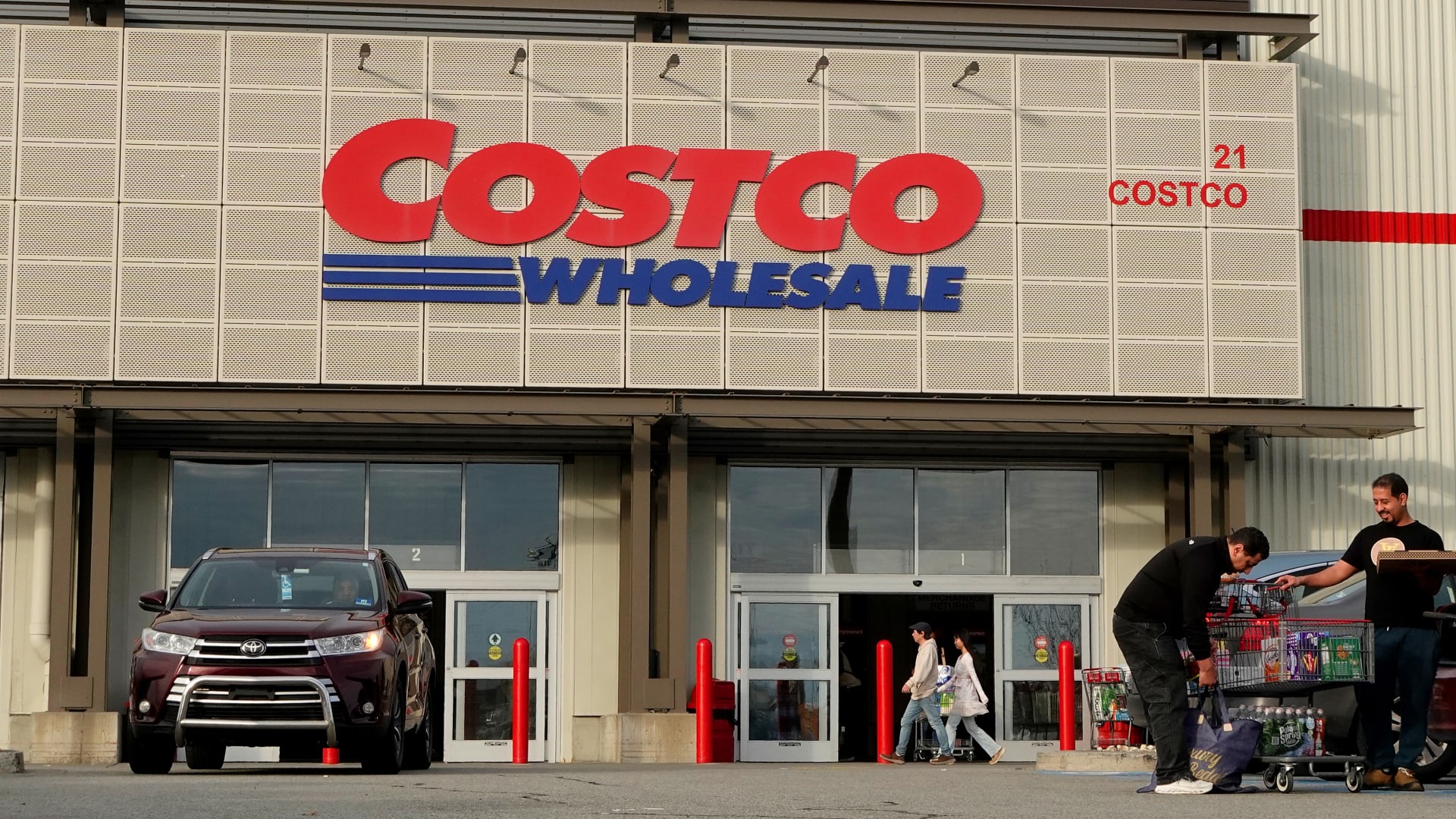
Costco's June Sales Growth Slows Amid Economic Concerns

- Sales Growth Slowdown: Costco reported a 10.6% year-over-year increase in total sales for June, reaching $29.4 billion, slightly below expectations, indicating that even retail giants are not immune to economic pressures.
- U.S. Market Performance: Sales growth in the U.S. was 7.6%, down from 8.7% in May and below Mizuho analysts' expectations of 8% to 9%, reflecting a decline in consumer confidence amid rising costs.
- Stock Price Reaction: Costco's shares fell over 4% on Thursday, although they are still up about 5.5% year-to-date, trailing the S&P 500's nearly 10% gain, highlighting market concerns about future growth potential.
- Membership Growth Slowing: Membership growth is also slowing, with the latest figures showing a 4.1% year-over-year increase in paid members to 82.9 million, while the renewal rate held steady at 89.7%, indicating a less robust growth trajectory than anticipated.
See More

US Stocks Rise, Led by Chipmakers Amid Strong Investor Demand
- Chipmaker Surge: SK Hynix's American depositary receipts (ADRs) were oversubscribed by more than seven times, raising approximately $24.5 billion, making it the second-largest foreign company offering, indicating strong investor demand and driving overall market gains.
- Positive Labor Market Signals: Weekly initial unemployment claims unexpectedly fell by 2,000 to 215,000, marking a six-week low, which suggests a robust labor market and enhances market confidence in economic recovery, potentially influencing Fed policy.
- Optimistic Q2 Earnings Outlook: Bloomberg Intelligence forecasts a 23% increase in Q2 earnings, close to Q1's 30% growth, primarily driven by AI infrastructure stocks, reflecting sustained market confidence in technology sectors.
- International Market Recovery: The Euro Stoxx 50 rose by 1.10%, China's Shanghai Composite increased by 1.65%, and Japan's Nikkei 225 climbed by 1.38%, indicating global market optimism regarding the US economic recovery, further supporting US stock gains.
See More
Midday Market Moves: Notable Stock Fluctuations


- Micron's Investment Plan: Micron Technology announced an investment of up to $3 billion to strengthen the U.S. semiconductor supply chain, resulting in a more than 7% stock increase, which not only reflects the company's confidence in future markets but may also enhance its competitive position in the global semiconductor industry.
- Mara Holdings Expansion: Mara Holdings' stock surged 15% as it plans to acquire over 1,200 acres of land in Matagorda County, Texas from HIF USA, which is expected to more than double its power capacity to approximately 4.8 gigawatts, significantly strengthening its market position in the digital infrastructure sector.
- Qiagen Acquisition Interest: Qiagen's stock rose 10% following reports that firms like EQT, AllianceBernstein, and KKR are interested in acquiring the company, with potential buyers suggesting an offer of at least $50 per share, indicating optimistic market expectations for its future growth.
- PepsiCo's Mixed Results: PepsiCo reported adjusted earnings of $2.20 per share, falling short of the $2.21 expected by analysts, despite revenue of $24.18 billion exceeding estimates, leading to a 3% stock decline, reflecting market concerns about its profitability.
See More
Costco Sales Growth Slows, Shares Decline
- Sales Performance Overview: Costco's net sales rose 10.6% year-over-year to $29.24 billion for the five weeks ending July 5, indicating a strong business foundation despite a slowdown in sales growth.
- Comparable Sales Data: The company's comparable sales increased by 8.8%, although this was lower than the previous month's 12.5%, adjusted same-store sales still grew by 7% when excluding gas price and foreign currency fluctuations, reflecting relatively stable market demand.
- Market Reaction Analysis: Given that Costco's stock trades at a premium compared to other retailers, investor expectations were high, leading to a decline in shares despite strong sales growth due to concerns over the slowdown.
- Future Outlook: Despite facing challenges from slowing growth, Costco is expected to continue attracting value-seeking consumers through its low-price strategy and expanding store network, which should drive higher sales and profits in the future.
See More
Costco's Sales Growth Slows Amid Market Expectations
- Sales Growth: Costco's net sales increased by 10.6% year-over-year to $29.24 billion for the five weeks ending July 5, demonstrating the company's stable performance under its value-focused strategy.
- Comparable Sales Data: Although comparable sales rose by 8.8%, this represents a slowdown from May's 12.5%, indicating that the market's preference for accelerating growth may lead to a shift in investor sentiment.
- Oil Price Impact: Earlier sales growth was boosted by rising oil prices; however, as oil prices retreat, the appeal of discounted gasoline may diminish, potentially affecting future sales growth.
- Market Expectations: Costco's shares trade at premium earnings and cash flow multiples compared to many retailers, leading to high market expectations for future growth, where any slowdown could trigger selling pressure from investors.
See More
U.S. Stocks Close Higher Led by Chipmakers Amid Strong Investor Demand
- Chipmaker Rally: The U.S. stock market saw a boost as chipmakers surged, driven by SK Hynix's ADRs being oversubscribed by more than seven times, indicating strong investor demand and enhancing overall market sentiment.
- Optimistic Market Sentiment: Despite escalating tensions in the Middle East, stocks rose, reflecting investor confidence in robust Q2 earnings forecasts, which are expected to increase by 23%, close to Q1's impressive 30% growth.
- Strong Labor Market: Weekly initial unemployment claims unexpectedly fell to 215,000, indicating a resilient labor market that further supports the upward trend in stock prices amid economic uncertainties.
- Airline Stocks Benefit from Oil Price Drop: Airline and cruise line stocks rallied as WTI crude oil prices fell over 1%, showcasing the market's sensitivity to fluctuations in energy prices and their impact on operational costs.
See More
Costco's June Sales Growth Slows Amid Economic Concerns
- Sales Growth Slowdown: Costco reported a 10.6% year-over-year increase in total sales for June, reaching $29.4 billion, slightly below expectations, indicating that even retail giants are not immune to economic pressures.
- U.S. Market Performance: Sales growth in the U.S. was 7.6%, down from 8.7% in May and below Mizuho analysts' expectations of 8% to 9%, reflecting a decline in consumer confidence amid rising costs.
- Stock Price Reaction: Costco's shares fell over 4% on Thursday, although they are still up about 5.5% year-to-date, trailing the S&P 500's nearly 10% gain, highlighting market concerns about future growth potential.
- Membership Growth Slowing: Membership growth is also slowing, with the latest figures showing a 4.1% year-over-year increase in paid members to 82.9 million, while the renewal rate held steady at 89.7%, indicating a less robust growth trajectory than anticipated.
See More
US Stocks Rise, Led by Chipmakers Amid Strong Investor Demand
- Chipmaker Surge: SK Hynix's American depositary receipts (ADRs) were oversubscribed by more than seven times, raising approximately $24.5 billion, making it the second-largest foreign company offering, indicating strong investor demand and driving overall market gains.
- Positive Labor Market Signals: Weekly initial unemployment claims unexpectedly fell by 2,000 to 215,000, marking a six-week low, which suggests a robust labor market and enhances market confidence in economic recovery, potentially influencing Fed policy.
- Optimistic Q2 Earnings Outlook: Bloomberg Intelligence forecasts a 23% increase in Q2 earnings, close to Q1's 30% growth, primarily driven by AI infrastructure stocks, reflecting sustained market confidence in technology sectors.
- International Market Recovery: The Euro Stoxx 50 rose by 1.10%, China's Shanghai Composite increased by 1.65%, and Japan's Nikkei 225 climbed by 1.38%, indicating global market optimism regarding the US economic recovery, further supporting US stock gains.
See More
Midday Market Moves: Notable Stock Fluctuations
- Micron's Investment Plan: Micron Technology announced an investment of up to $3 billion to strengthen the U.S. semiconductor supply chain, resulting in a more than 7% stock increase, which not only reflects the company's confidence in future markets but may also enhance its competitive position in the global semiconductor industry.
- Mara Holdings Expansion: Mara Holdings' stock surged 15% as it plans to acquire over 1,200 acres of land in Matagorda County, Texas from HIF USA, which is expected to more than double its power capacity to approximately 4.8 gigawatts, significantly strengthening its market position in the digital infrastructure sector.
- Qiagen Acquisition Interest: Qiagen's stock rose 10% following reports that firms like EQT, AllianceBernstein, and KKR are interested in acquiring the company, with potential buyers suggesting an offer of at least $50 per share, indicating optimistic market expectations for its future growth.
- PepsiCo's Mixed Results: PepsiCo reported adjusted earnings of $2.20 per share, falling short of the $2.21 expected by analysts, despite revenue of $24.18 billion exceeding estimates, leading to a 3% stock decline, reflecting market concerns about its profitability.
See More