Coca-Cola and Tractor Supply: Stable Investment Choices
Written by Emily J. Thompson, Senior Investment Analyst
Updated: Mar 24 2026
0mins

Source: Fool
- Coca-Cola's Cash Flow Stability: Coca-Cola achieved a 5% organic revenue growth in Q4 2025, with a 23% increase in earnings per share to $3.04 for the year, demonstrating its strong profitability in a complex economic environment, thereby ensuring its dividend payments have grown for over 60 years.
- Dividend King Status: With free cash flow reaching $5.3 billion, Coca-Cola can comfortably support its legendary dividend program, and despite a price-to-earnings ratio of 25, the company's stable growth narrative and dividend growth potential remain attractive to investors.
- Tractor Supply's Market Positioning: Tractor Supply reported a 3.3% year-over-year increase in net sales to $3.90 billion in Q4 2025, with full-year sales climbing 4.3% to $15.52 billion, showcasing its strong performance in the rural market despite high comparisons from the COVID period.
- Future Growth Expectations: Tractor Supply anticipates a 4% to 6% sales growth in 2026, with earnings per share projected between $2.13 and $2.23, and the board raised the dividend by 4.3% to $0.96 per share, reflecting its financial flexibility and commitment to ongoing dividend growth.
Trade with 70% Backtested Accuracy
Stop guessing "Should I Buy KO?" and start using high-conviction signals backed by rigorous historical data.
Sign up today to access powerful investing tools and make smarter, data-driven decisions.
Analyst Views on KO
Wall Street analysts forecast KO stock price to rise
14 Analyst Rating
13 Buy
1 Hold
0 Sell
Strong Buy
Current: 76.080

Low
71.00
Averages
79.33
High
85.00
Current: 76.080
Low
71.00
Averages
79.33
High
85.00
About KO
The Coca-Cola Company is a beverage company. The Company's segments include Europe, Middle East and Africa (EMEA); Latin America; North America; Asia Pacific, and Bottling Investments. It sells multiple brands across several beverage categories worldwide. Its portfolio of sparkling soft drink brands includes Coca-Cola, Sprite and Fanta. Its water, sports, coffee and tea brands include Dasani, smartwater, vitaminwater, Topo Chico, BODYARMOR, Powerade, Costa, Georgia, Fuze Tea, Gold Peak and Ayataka. Its juice, value-added dairy and plant-based beverage brands include Minute Maid, Simply, innocent, Del Valle, fairlife and Santa Clara. It operates in two lines of business: concentrate operations and finished product operations. Its concentrate operations sell beverage concentrates, syrups, including fountain syrups, and certain finished beverages to authorized bottling operations. Its finished product operations sell sparkling soft drinks and a variety of other finished beverages.
About the author

Emily J. Thompson
Emily J. Thompson, a Chartered Financial Analyst (CFA) with 12 years in investment research, graduated with honors from the Wharton School. Specializing in industrial and technology stocks, she provides in-depth analysis for Intellectia’s earnings and market brief reports.

Coca-Cola Plans $1 Billion Investment in Africa

- Investment Plan: Coca-Cola has announced a $1 billion investment in South Africa by 2030, aiming to expand its operations in Africa, reflecting the company's confidence in the region's economic potential.
- Collaborative Approach: The investment will be made in partnership with regional bottling partners, aligning with its asset-light franchise strategy, and is expected to enhance product production capabilities and distribution networks.
- Economic Value: Coca-Cola stated that its larger system in South Africa generated R51.2 billion in economic value in 2024, and the new investment will further build on this foundation.
- Future Outlook: The company also plans to initiate a $1.2 billion investment starting in 2025, demonstrating its long-term commitment to the African market, particularly in South Africa, which serves as a key platform for future expansion.
See More
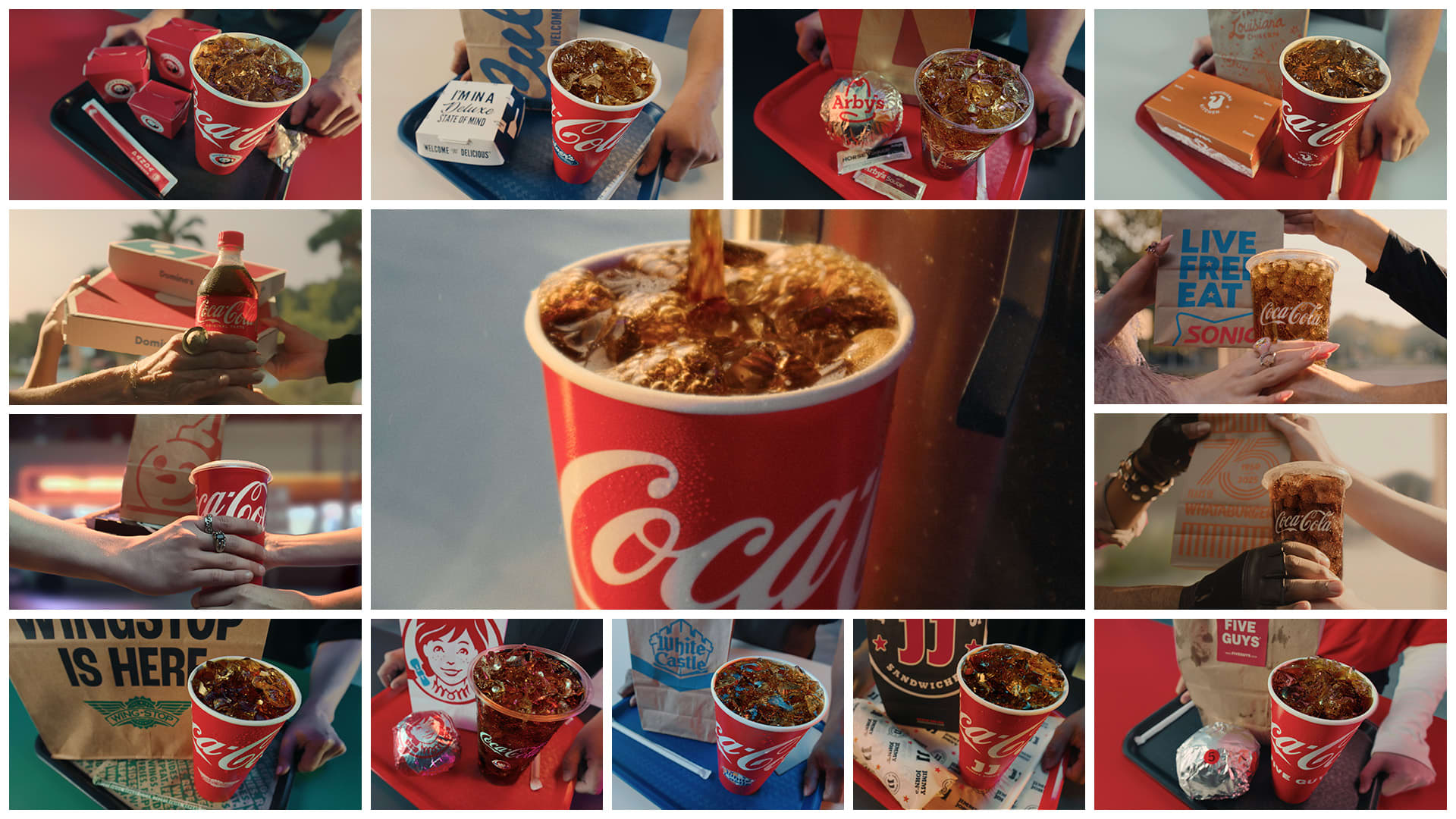
Coca-Cola Launches New Marketing Campaign to Boost Restaurant Sales

- Campaign Launch: Coca-Cola unveiled a new marketing campaign on Thursday aimed at boosting beverage sales in restaurants to tackle challenges posed by declining traffic and sluggish sales growth, marking the first time it has partnered with multiple restaurant chains for ads.
- Wide Advertising Reach: The campaign features commercials showcasing 13 different chains, including Arby's, Domino's, and Wendy's, emphasizing the importance of drinks as high-margin menu items, particularly as consumers cut back on dining out.
- Deepening Partnerships: Coca-Cola collaborates with restaurants to market combo meals, providing marketing funds to attract customers, especially amid intensified value competition in the fast-food sector, highlighting its role as a “business partner.”
- Sales Outlook: Despite a 4% organic sales growth in North America in 2025, Coca-Cola's domestic unit case volume fell by 1%, indicating weak demand, with modest sales growth projected for 2026, reflecting a challenging market environment.
See More

Coca-Cola Launches First Multi-Chain Restaurant Ad Campaign
- Advertising Innovation: Coca-Cola has launched its first advertising campaign featuring 13 restaurant chains, including Arby's and Domino's, aimed at boosting restaurant sales by highlighting the high margins of drinks, particularly as consumer dining frequency declines.
- Market Challenges: According to Black Box Intelligence, U.S. restaurant traffic fell by 2% in February, with 38% of consumers indicating reduced spending at restaurants in Q1 2026, making Coca-Cola's marketing efforts crucial in this challenging environment.
- Strategic Partnerships: Coca-Cola has collaborated with restaurant partners to market combo meals, leveraging marketing funds to enhance the appeal of $5 value meals, aiming to drive traffic and beverage sales for mutual benefit.
- Future Outlook: The advertising campaign will debut in theaters on Friday and expand to linear TV and digital channels by mid-April, underscoring Coca-Cola's strategic significance in the restaurant industry, especially amid economic slowdowns.
See More
Investment Advantages of Coca-Cola and Apple

- Coca-Cola's Brand Value: Warren Buffett has invested in Coca-Cola since 1988 and has never sold his shares, reflecting his unwavering confidence in the brand, which currently boasts a market cap of $327 billion and a gross margin of 61.75%, maintaining a strong market position in the beverage industry.
- Apple's Ecosystem Lock-In: Although Buffett has gradually reduced his stake in Apple, it remains his largest holding, accounting for over 22% of his portfolio, with a market cap of $3.8 trillion; its high-margin services and payments business creates strong user retention and a continuous revenue stream.
- Business Model Comparison: Coca-Cola sells syrup rather than beverages, leveraging high margins for marketing and innovation to create a global distribution moat, while Apple locks users into its ecosystem, ensuring high-margin recurring revenue, showcasing distinct business strategies.
- Investment Outlook Analysis: While Coca-Cola enjoys market presence through brand loyalty, Apple's high-margin service business makes it more attractive for long-term investment, positioning it as an ideal stock for investors looking to hold indefinitely.
See More

Schwab U.S. Dividend ETF Annual Reconstitution

- Annual Reconstitution Overview: The Schwab U.S. Dividend ETF removed 22 stocks and added 25 during its annual reconstitution, reducing its energy stock allocation from 23.5% to 16.3%, while increasing consumer staples' weighting to 19.4%, indicating a strategic shift towards this sector for income generation.
- New Consumer Staples Additions: Procter & Gamble and Marzetti were added with allocations of 3.8% and 0.08%, respectively; Procter & Gamble boasts a 135-year dividend payment history and a 69-year streak of increases, qualifying it as a Dividend King, thus providing a reliable income source for the fund.
- Stability of Consumer Staples: Consumer staples stocks maintain strong demand during recessions due to their essential nature, allowing the Schwab ETF to offer stable and steadily rising dividend income throughout economic cycles, which enhances investor confidence.
- Dividend Yield Comparison: Procter & Gamble's current dividend yield of 3% is nearly triple that of the S&P 500's 1.2%, showcasing its competitiveness among high-yield stocks and adding appeal to the Schwab ETF's investment portfolio.
See More

Schwab U.S. Dividend ETF Reconstitution Alters Sector Focus
- Energy Stock Reduction: The Schwab U.S. Dividend ETF reduced its energy stock allocation from 23.5% to 16.3% during its annual reconstitution, resulting in consumer staples becoming the fund's top sector with a 19.4% weighting, indicating a shift in market confidence away from energy stocks.
- New Additions: The fund added Procter & Gamble and Marzetti, with Procter & Gamble receiving a 3.8% allocation, placing it in the top ten, while Marzetti has a 0.08% weighting, reflecting a strategic shift towards stable dividend income sources.
- Dividend King Status: Procter & Gamble has paid dividends for 135 consecutive years and increased them for 69 years, qualifying as a Dividend King, while Marzetti has a 63-year history of dividend increases, showcasing stability and appeal in the consumer staples sector.
- Resilience of Consumer Staples: Consumer staples stocks maintain strong demand during economic downturns as their products are essential for daily life, enhancing the Schwab U.S. Dividend ETF's portfolio resilience and providing stable, rising dividend income throughout economic cycles.
See More
Coca-Cola Plans $1 Billion Investment in Africa
- Investment Plan: Coca-Cola has announced a $1 billion investment in South Africa by 2030, aiming to expand its operations in Africa, reflecting the company's confidence in the region's economic potential.
- Collaborative Approach: The investment will be made in partnership with regional bottling partners, aligning with its asset-light franchise strategy, and is expected to enhance product production capabilities and distribution networks.
- Economic Value: Coca-Cola stated that its larger system in South Africa generated R51.2 billion in economic value in 2024, and the new investment will further build on this foundation.
- Future Outlook: The company also plans to initiate a $1.2 billion investment starting in 2025, demonstrating its long-term commitment to the African market, particularly in South Africa, which serves as a key platform for future expansion.
See More
Coca-Cola Launches New Marketing Campaign to Boost Restaurant Sales
- Campaign Launch: Coca-Cola unveiled a new marketing campaign on Thursday aimed at boosting beverage sales in restaurants to tackle challenges posed by declining traffic and sluggish sales growth, marking the first time it has partnered with multiple restaurant chains for ads.
- Wide Advertising Reach: The campaign features commercials showcasing 13 different chains, including Arby's, Domino's, and Wendy's, emphasizing the importance of drinks as high-margin menu items, particularly as consumers cut back on dining out.
- Deepening Partnerships: Coca-Cola collaborates with restaurants to market combo meals, providing marketing funds to attract customers, especially amid intensified value competition in the fast-food sector, highlighting its role as a “business partner.”
- Sales Outlook: Despite a 4% organic sales growth in North America in 2025, Coca-Cola's domestic unit case volume fell by 1%, indicating weak demand, with modest sales growth projected for 2026, reflecting a challenging market environment.
See More
Coca-Cola Launches First Multi-Chain Restaurant Ad Campaign
- Advertising Innovation: Coca-Cola has launched its first advertising campaign featuring 13 restaurant chains, including Arby's and Domino's, aimed at boosting restaurant sales by highlighting the high margins of drinks, particularly as consumer dining frequency declines.
- Market Challenges: According to Black Box Intelligence, U.S. restaurant traffic fell by 2% in February, with 38% of consumers indicating reduced spending at restaurants in Q1 2026, making Coca-Cola's marketing efforts crucial in this challenging environment.
- Strategic Partnerships: Coca-Cola has collaborated with restaurant partners to market combo meals, leveraging marketing funds to enhance the appeal of $5 value meals, aiming to drive traffic and beverage sales for mutual benefit.
- Future Outlook: The advertising campaign will debut in theaters on Friday and expand to linear TV and digital channels by mid-April, underscoring Coca-Cola's strategic significance in the restaurant industry, especially amid economic slowdowns.
See More
Investment Advantages of Coca-Cola and Apple
- Coca-Cola's Brand Value: Warren Buffett has invested in Coca-Cola since 1988 and has never sold his shares, reflecting his unwavering confidence in the brand, which currently boasts a market cap of $327 billion and a gross margin of 61.75%, maintaining a strong market position in the beverage industry.
- Apple's Ecosystem Lock-In: Although Buffett has gradually reduced his stake in Apple, it remains his largest holding, accounting for over 22% of his portfolio, with a market cap of $3.8 trillion; its high-margin services and payments business creates strong user retention and a continuous revenue stream.
- Business Model Comparison: Coca-Cola sells syrup rather than beverages, leveraging high margins for marketing and innovation to create a global distribution moat, while Apple locks users into its ecosystem, ensuring high-margin recurring revenue, showcasing distinct business strategies.
- Investment Outlook Analysis: While Coca-Cola enjoys market presence through brand loyalty, Apple's high-margin service business makes it more attractive for long-term investment, positioning it as an ideal stock for investors looking to hold indefinitely.
See More
Schwab U.S. Dividend ETF Annual Reconstitution
- Annual Reconstitution Overview: The Schwab U.S. Dividend ETF removed 22 stocks and added 25 during its annual reconstitution, reducing its energy stock allocation from 23.5% to 16.3%, while increasing consumer staples' weighting to 19.4%, indicating a strategic shift towards this sector for income generation.
- New Consumer Staples Additions: Procter & Gamble and Marzetti were added with allocations of 3.8% and 0.08%, respectively; Procter & Gamble boasts a 135-year dividend payment history and a 69-year streak of increases, qualifying it as a Dividend King, thus providing a reliable income source for the fund.
- Stability of Consumer Staples: Consumer staples stocks maintain strong demand during recessions due to their essential nature, allowing the Schwab ETF to offer stable and steadily rising dividend income throughout economic cycles, which enhances investor confidence.
- Dividend Yield Comparison: Procter & Gamble's current dividend yield of 3% is nearly triple that of the S&P 500's 1.2%, showcasing its competitiveness among high-yield stocks and adding appeal to the Schwab ETF's investment portfolio.
See More
Schwab U.S. Dividend ETF Reconstitution Alters Sector Focus
- Energy Stock Reduction: The Schwab U.S. Dividend ETF reduced its energy stock allocation from 23.5% to 16.3% during its annual reconstitution, resulting in consumer staples becoming the fund's top sector with a 19.4% weighting, indicating a shift in market confidence away from energy stocks.
- New Additions: The fund added Procter & Gamble and Marzetti, with Procter & Gamble receiving a 3.8% allocation, placing it in the top ten, while Marzetti has a 0.08% weighting, reflecting a strategic shift towards stable dividend income sources.
- Dividend King Status: Procter & Gamble has paid dividends for 135 consecutive years and increased them for 69 years, qualifying as a Dividend King, while Marzetti has a 63-year history of dividend increases, showcasing stability and appeal in the consumer staples sector.
- Resilience of Consumer Staples: Consumer staples stocks maintain strong demand during economic downturns as their products are essential for daily life, enhancing the Schwab U.S. Dividend ETF's portfolio resilience and providing stable, rising dividend income throughout economic cycles.
See More