Coca-Cola and Hershey Present Dividend Investment Opportunities
Written by Emily J. Thompson, Senior Investment Analyst
Updated: 46 minutes ago
0mins
Source: Fool
- Coca-Cola's Steady Income: Coca-Cola has maintained 64 consecutive years of dividend increases, generating $12.5 billion in free cash flow last year while paying nearly $11 billion in dividends, showcasing its robust capital-light business model and expected continued income for investors.
- Market Adaptability: Despite challenges from changing tastes, Coca-Cola's low/no-calorie beverages accounted for nearly one-third of global volume in 2024, with 32 brands each generating over $1 billion in annual sales, demonstrating its adaptability to diverse consumer demands.
- Hershey's Growth Potential: Despite being impacted by soaring cocoa prices, Hershey has maintained 96 years of consecutive dividend payments, generating $1.85 billion in free cash flow and paying $1.1 billion in dividends last year, with projected adjusted sales growth of 2.5% to 3.5% in 2026, indicating resilience in adversity.
- Brand Diversification Strategy: Hershey achieved a 7.9% organic sales increase in Q1, driven by strong demand for its candy and snack brands, with management focusing on meeting diverse consumer preferences across occasions, ensuring sustained growth in the future.
Trade with 70% Backtested Accuracy
Stop guessing "Should I Buy KO?" and start using high-conviction signals backed by rigorous historical data.
Sign up today to access powerful investing tools and make smarter, data-driven decisions.
Analyst Views on KO
Wall Street analysts forecast KO stock price to rise
14 Analyst Rating
13 Buy
1 Hold
0 Sell
Strong Buy
Current: 79.230

Low
71.00
Averages
79.33
High
85.00
Current: 79.230
Low
71.00
Averages
79.33
High
85.00
About KO
The Coca-Cola Company is a beverage company. The Company's segments include Europe, Middle East and Africa (EMEA); Latin America; North America; Asia Pacific, and Bottling Investments. It sells multiple brands across several beverage categories worldwide. Its portfolio of sparkling soft drink brands includes Coca-Cola, Sprite and Fanta. Its water, sports, coffee and tea brands include Dasani, smartwater, vitaminwater, Topo Chico, BODYARMOR, Powerade, Costa, Georgia, Fuze Tea, Gold Peak and Ayataka. Its juice, value-added dairy and plant-based beverage brands include Minute Maid, Simply, innocent, Del Valle, fairlife and Santa Clara. It operates in two lines of business: concentrate operations and finished product operations. Its concentrate operations sell beverage concentrates, syrups, including fountain syrups, and certain finished beverages to authorized bottling operations. Its finished product operations sell sparkling soft drinks and a variety of other finished beverages.
About the author

Emily J. Thompson
Emily J. Thompson, a Chartered Financial Analyst (CFA) with 12 years in investment research, graduated with honors from the Wharton School. Specializing in industrial and technology stocks, she provides in-depth analysis for Intellectia’s earnings and market brief reports.
Coca-Cola and Hershey Present Dividend Investment Opportunities


- Coca-Cola's Steady Income: Coca-Cola has maintained 64 consecutive years of dividend increases, generating $12.5 billion in free cash flow last year while paying nearly $11 billion in dividends, showcasing its robust capital-light business model and expected continued income for investors.
- Market Adaptability: Despite challenges from changing tastes, Coca-Cola's low/no-calorie beverages accounted for nearly one-third of global volume in 2024, with 32 brands each generating over $1 billion in annual sales, demonstrating its adaptability to diverse consumer demands.
- Hershey's Growth Potential: Despite being impacted by soaring cocoa prices, Hershey has maintained 96 years of consecutive dividend payments, generating $1.85 billion in free cash flow and paying $1.1 billion in dividends last year, with projected adjusted sales growth of 2.5% to 3.5% in 2026, indicating resilience in adversity.
- Brand Diversification Strategy: Hershey achieved a 7.9% organic sales increase in Q1, driven by strong demand for its candy and snack brands, with management focusing on meeting diverse consumer preferences across occasions, ensuring sustained growth in the future.
See More

Three Top Dividend Stocks: PG, O, KO
- Procter & Gamble Performance: Procter & Gamble achieved a 7% year-over-year sales increase in Q3 2026, generating $4 billion in operating cash flow, showcasing its strong brand influence and marketing capabilities, with plans to pay $10 billion in dividends in 2026, enhancing shareholder value.
- Realty Income Stability: Realty Income reported adjusted funds from operations of $1.08 in Q4 2025, up from $1.05 the previous year, maintaining a 55-year record of monthly dividend payments despite challenges, with a current dividend yield of 5.1%, reflecting its financial resilience.
- Coca-Cola Growth Potential: Coca-Cola experienced a 10% year-over-year organic revenue increase in Q1 2026, with a gross margin of 61.82%, indicating expansion potential in new markets and products, and is expected to pay $8.8 billion in dividends in 2025, solidifying its status as a Dividend King.
- Dividend Investment Appeal: All three companies exhibit strong dividend-paying capabilities, with Procter & Gamble, Realty Income, and Coca-Cola yielding 2.88%, 5.05%, and 2.60% respectively, providing investors with a stable source of passive income, making them suitable for long-term investors.
See More

Procter & Gamble Marks 70 Years of Dividend Increases
- Procter & Gamble's Strong Performance: Procter & Gamble achieved a 7% year-over-year sales increase in Q3 2026, with operating cash flow reaching $4 billion, demonstrating robust performance in the consumer goods market and enhancing shareholder value through sustained cash flow.
- Resilience of Realty Income: Realty Income reported adjusted funds from operations of $1.08 in Q4 2025, up from $1.05 the previous year, indicating stability in a challenging real estate environment, while its 5.1% monthly dividend yield attracts numerous investors.
- Coca-Cola's Market Leadership: Coca-Cola experienced a 10% organic revenue growth in Q1 2026, with a comparable operating margin of 34.5%, showcasing strong profitability, and is expected to raise its dividend to $9.2 billion in 2026, further solidifying its status as a
See More
Social Media Influencers Transform India's Food and Beverage Market

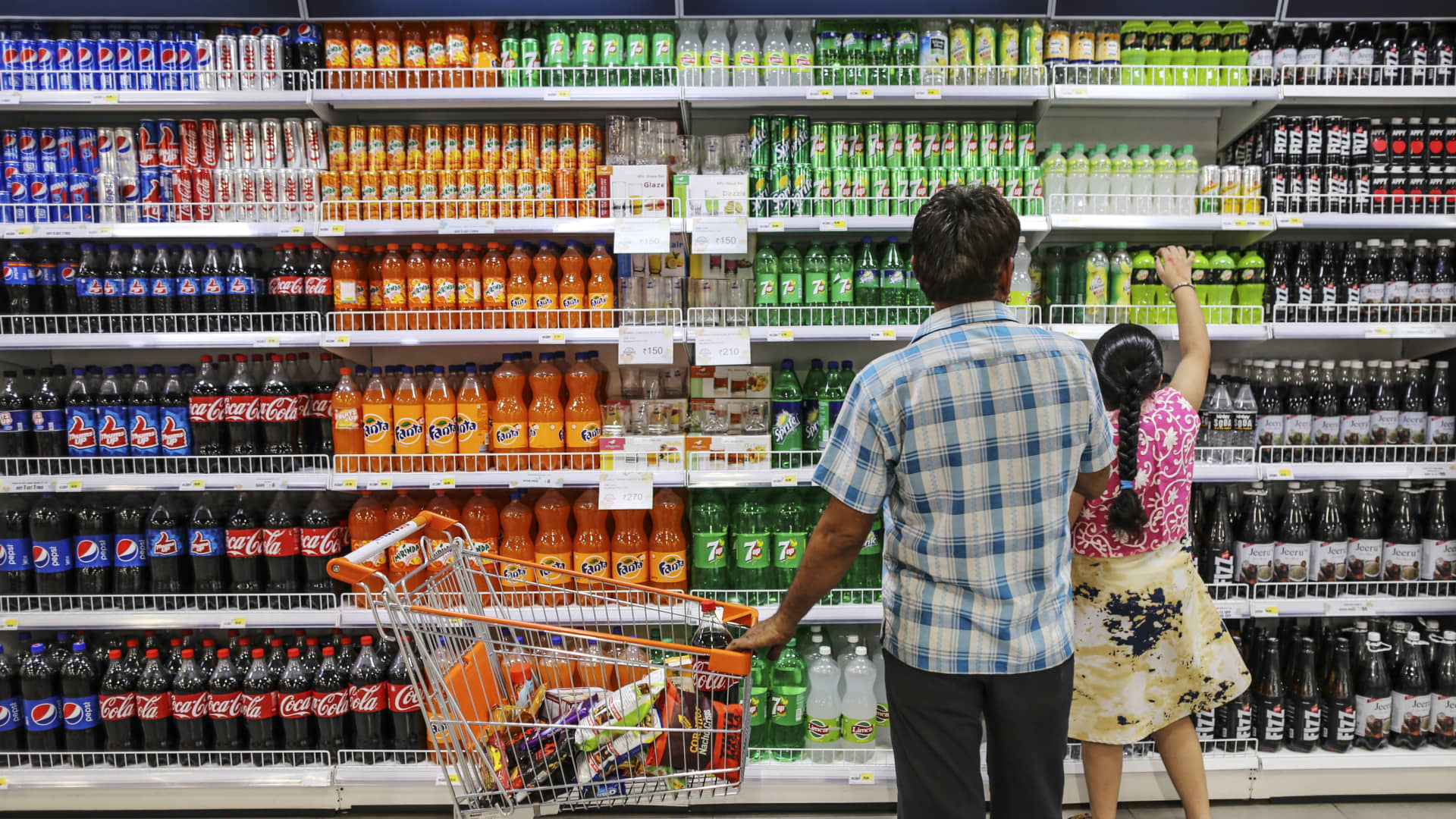
- Health Beverage Transformation: PepsiCo reports that over 50% of its beverage portfolio in India consists of low- to no-sugar options, with plans to increase this to 90%, reflecting a significant shift towards healthier consumer preferences in the market.
- Consumer Awareness Rise: Social media influencers are urging consumers to read labels, leading brands like Dabur and Mondelez to reduce sugar content; Dabur has cut sugar by 21% in its juices by 2023 and aims for an additional 20% reduction, highlighting the strong demand for healthier products.
- Rise of D2C Brands: The growth of social media is facilitating the rise of direct-to-consumer brands in India, posing a threat to traditional companies that fail to adapt, as experts indicate this trend will be a crucial lever for future personal care and food brands.
- Strengthened Food Safety Regulations: India's food safety regulator has banned certain beverages from using
See More
Reshuffling in Consumer Sector Creates Investment Opportunities
- Coca-Cola's Strong Performance: Coca-Cola reported Q1 2026 revenue of $12.47 billion, an 11.2% year-over-year increase, with EPS of $0.86, exceeding estimates by 5.9%, and raised its full-year EPS growth guidance to 8%-9%, indicating robust market demand and brand strength.
- Walmart's Resilience: Walmart is set to report its fiscal Q1 2027 results, and despite tariff pressures, high-income households are shifting to its private-label brands, driving comparable sales growth, showcasing its adaptability in times of economic strain.
- McCormick's Merger Strategy: McCormick announced a merger with Unilever's food business, expected to create approximately $20 billion in annual revenue and achieve $600 million in cost synergies in the first year, significantly enhancing its footprint in emerging markets, although integration risks remain.
- Keurig Dr Pepper's Spin-Off Plan: Keurig Dr Pepper completed its acquisition of JDE Peet's and plans to separate into two independent companies by the end of 2026, with the first year expected to see a 10% EPS increase, providing investors with clearer capital allocation narratives.
See More

Consumer Giants Thrive Amid Market Volatility and Strategic Moves
- Coca-Cola's Strong Performance: Coca-Cola reported Q1 2026 revenue of $12.47 billion, an 11.2% year-over-year increase, with EPS of $0.86, beating consensus by 5.9%, and raised its full-year EPS growth guidance to 8%-9%, indicating robust market demand and brand strength.
- Walmart's Counterintuitive Growth: Walmart is set to report its fiscal Q1 2027 results, where high-income households shifting to its private-label brands amid tariff pressures have contributed to comparable sales gains, showcasing its market adaptability and competitive edge in challenging economic conditions.
- McCormick and Unilever Merger: McCormick announced a merger with Unilever's food division, expected to create approximately $20 billion in annual revenue and achieve $600 million in cost synergies in the first year, significantly enhancing its footprint in emerging markets, despite integration risks, the long-term strategic rationale is compelling.
- Keurig Dr Pepper's Post-Acquisition Restructuring: Keurig Dr Pepper completed its acquisition of JDE Peet's on April 1, planning to separate into two independent companies by the end of 2026, with an anticipated 10% EPS accretion in the first year, providing investors with clearer capital allocation narratives post-split.
See More
Coca-Cola and Hershey Present Dividend Investment Opportunities
- Coca-Cola's Steady Income: Coca-Cola has maintained 64 consecutive years of dividend increases, generating $12.5 billion in free cash flow last year while paying nearly $11 billion in dividends, showcasing its robust capital-light business model and expected continued income for investors.
- Market Adaptability: Despite challenges from changing tastes, Coca-Cola's low/no-calorie beverages accounted for nearly one-third of global volume in 2024, with 32 brands each generating over $1 billion in annual sales, demonstrating its adaptability to diverse consumer demands.
- Hershey's Growth Potential: Despite being impacted by soaring cocoa prices, Hershey has maintained 96 years of consecutive dividend payments, generating $1.85 billion in free cash flow and paying $1.1 billion in dividends last year, with projected adjusted sales growth of 2.5% to 3.5% in 2026, indicating resilience in adversity.
- Brand Diversification Strategy: Hershey achieved a 7.9% organic sales increase in Q1, driven by strong demand for its candy and snack brands, with management focusing on meeting diverse consumer preferences across occasions, ensuring sustained growth in the future.
See More
Three Top Dividend Stocks: PG, O, KO
- Procter & Gamble Performance: Procter & Gamble achieved a 7% year-over-year sales increase in Q3 2026, generating $4 billion in operating cash flow, showcasing its strong brand influence and marketing capabilities, with plans to pay $10 billion in dividends in 2026, enhancing shareholder value.
- Realty Income Stability: Realty Income reported adjusted funds from operations of $1.08 in Q4 2025, up from $1.05 the previous year, maintaining a 55-year record of monthly dividend payments despite challenges, with a current dividend yield of 5.1%, reflecting its financial resilience.
- Coca-Cola Growth Potential: Coca-Cola experienced a 10% year-over-year organic revenue increase in Q1 2026, with a gross margin of 61.82%, indicating expansion potential in new markets and products, and is expected to pay $8.8 billion in dividends in 2025, solidifying its status as a Dividend King.
- Dividend Investment Appeal: All three companies exhibit strong dividend-paying capabilities, with Procter & Gamble, Realty Income, and Coca-Cola yielding 2.88%, 5.05%, and 2.60% respectively, providing investors with a stable source of passive income, making them suitable for long-term investors.
See More
Procter & Gamble Marks 70 Years of Dividend Increases
- Procter & Gamble's Strong Performance: Procter & Gamble achieved a 7% year-over-year sales increase in Q3 2026, with operating cash flow reaching $4 billion, demonstrating robust performance in the consumer goods market and enhancing shareholder value through sustained cash flow.
- Resilience of Realty Income: Realty Income reported adjusted funds from operations of $1.08 in Q4 2025, up from $1.05 the previous year, indicating stability in a challenging real estate environment, while its 5.1% monthly dividend yield attracts numerous investors.
- Coca-Cola's Market Leadership: Coca-Cola experienced a 10% organic revenue growth in Q1 2026, with a comparable operating margin of 34.5%, showcasing strong profitability, and is expected to raise its dividend to $9.2 billion in 2026, further solidifying its status as a
See More
Social Media Influencers Transform India's Food and Beverage Market
- Health Beverage Transformation: PepsiCo reports that over 50% of its beverage portfolio in India consists of low- to no-sugar options, with plans to increase this to 90%, reflecting a significant shift towards healthier consumer preferences in the market.
- Consumer Awareness Rise: Social media influencers are urging consumers to read labels, leading brands like Dabur and Mondelez to reduce sugar content; Dabur has cut sugar by 21% in its juices by 2023 and aims for an additional 20% reduction, highlighting the strong demand for healthier products.
- Rise of D2C Brands: The growth of social media is facilitating the rise of direct-to-consumer brands in India, posing a threat to traditional companies that fail to adapt, as experts indicate this trend will be a crucial lever for future personal care and food brands.
- Strengthened Food Safety Regulations: India's food safety regulator has banned certain beverages from using
See More
Reshuffling in Consumer Sector Creates Investment Opportunities
- Coca-Cola's Strong Performance: Coca-Cola reported Q1 2026 revenue of $12.47 billion, an 11.2% year-over-year increase, with EPS of $0.86, exceeding estimates by 5.9%, and raised its full-year EPS growth guidance to 8%-9%, indicating robust market demand and brand strength.
- Walmart's Resilience: Walmart is set to report its fiscal Q1 2027 results, and despite tariff pressures, high-income households are shifting to its private-label brands, driving comparable sales growth, showcasing its adaptability in times of economic strain.
- McCormick's Merger Strategy: McCormick announced a merger with Unilever's food business, expected to create approximately $20 billion in annual revenue and achieve $600 million in cost synergies in the first year, significantly enhancing its footprint in emerging markets, although integration risks remain.
- Keurig Dr Pepper's Spin-Off Plan: Keurig Dr Pepper completed its acquisition of JDE Peet's and plans to separate into two independent companies by the end of 2026, with the first year expected to see a 10% EPS increase, providing investors with clearer capital allocation narratives.
See More
Consumer Giants Thrive Amid Market Volatility and Strategic Moves
- Coca-Cola's Strong Performance: Coca-Cola reported Q1 2026 revenue of $12.47 billion, an 11.2% year-over-year increase, with EPS of $0.86, beating consensus by 5.9%, and raised its full-year EPS growth guidance to 8%-9%, indicating robust market demand and brand strength.
- Walmart's Counterintuitive Growth: Walmart is set to report its fiscal Q1 2027 results, where high-income households shifting to its private-label brands amid tariff pressures have contributed to comparable sales gains, showcasing its market adaptability and competitive edge in challenging economic conditions.
- McCormick and Unilever Merger: McCormick announced a merger with Unilever's food division, expected to create approximately $20 billion in annual revenue and achieve $600 million in cost synergies in the first year, significantly enhancing its footprint in emerging markets, despite integration risks, the long-term strategic rationale is compelling.
- Keurig Dr Pepper's Post-Acquisition Restructuring: Keurig Dr Pepper completed its acquisition of JDE Peet's on April 1, planning to separate into two independent companies by the end of 2026, with an anticipated 10% EPS accretion in the first year, providing investors with clearer capital allocation narratives post-split.
See More