Class Action Lawsuit Filed Against Snowflake Inc.
- Class Action Initiation: Rosen Law Firm has filed a class action lawsuit on behalf of investors who purchased Snowflake Inc. (NYSE: SNOW) Class A common stock between June 27, 2023, and February 28, 2024, alleging that the company failed to disclose negative impacts on revenue from product efficiency declines, resulting in investor losses.
- Compensation Structure: Investors joining the lawsuit will not incur any upfront costs, as the law firm operates on a contingency fee basis, which encourages participation by alleviating financial burdens on investors seeking compensation.
- Details of Allegations: The lawsuit claims that during the class period, Snowflake made numerous positive statements about its business while failing to disclose the adverse effects of product usage and new developments, leading investors to misjudge the company's consumption patterns and revenue forecasts.
- Law Firm Credentials: Rosen Law Firm is recognized for its successful track record in securities class actions, having recovered over $438 million for investors in 2019 alone, underscoring its expertise and influence in handling similar cases.
Trade with 70% Backtested Accuracy
Analyst Views on SNOW

About SNOW
About the author

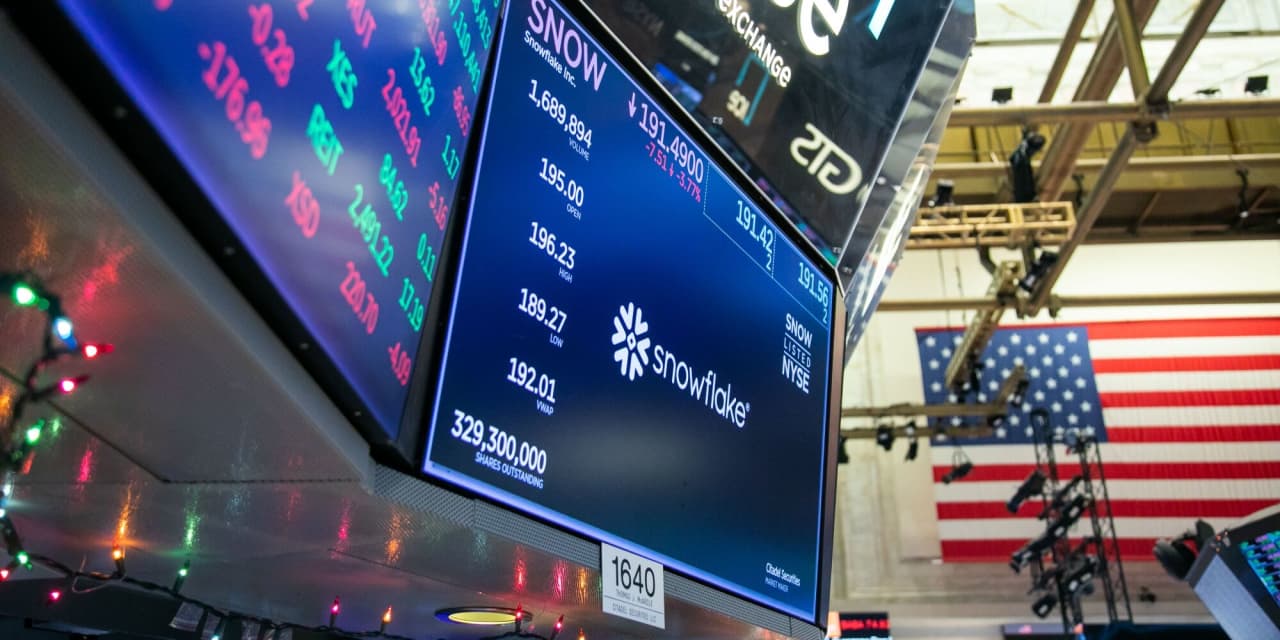
Snowflake Reports Strong Quarter but Continues to Post Losses

- Product Revenue Growth: Snowflake's product revenue surged 30% year-over-year to $1.23 billion in fiscal Q4 2026, reflecting strong performance in the AI data cloud market, although profitability remains a concern.
- Significant Customer Growth: The company added 740 net new customers in the quarter, a 40% increase year-over-year, with 733 customers generating over $1 million in annual revenue, indicating successful expansion of its customer base and enhancing future revenue potential.
- Persistent Loss Issues: Despite robust revenue growth, Snowflake reported a GAAP operating loss of $318 million in fiscal Q4 and a total net loss of approximately $1.33 billion for the year, highlighting challenges in achieving profitability that may affect investor confidence.
- Cautious Future Outlook: Snowflake projects fiscal 2027 product revenue of $5.66 billion, implying 27% growth, but its market capitalization of $57 billion and a price-to-sales ratio of 12 raise concerns about future profitability, potentially putting pressure on the stock price.
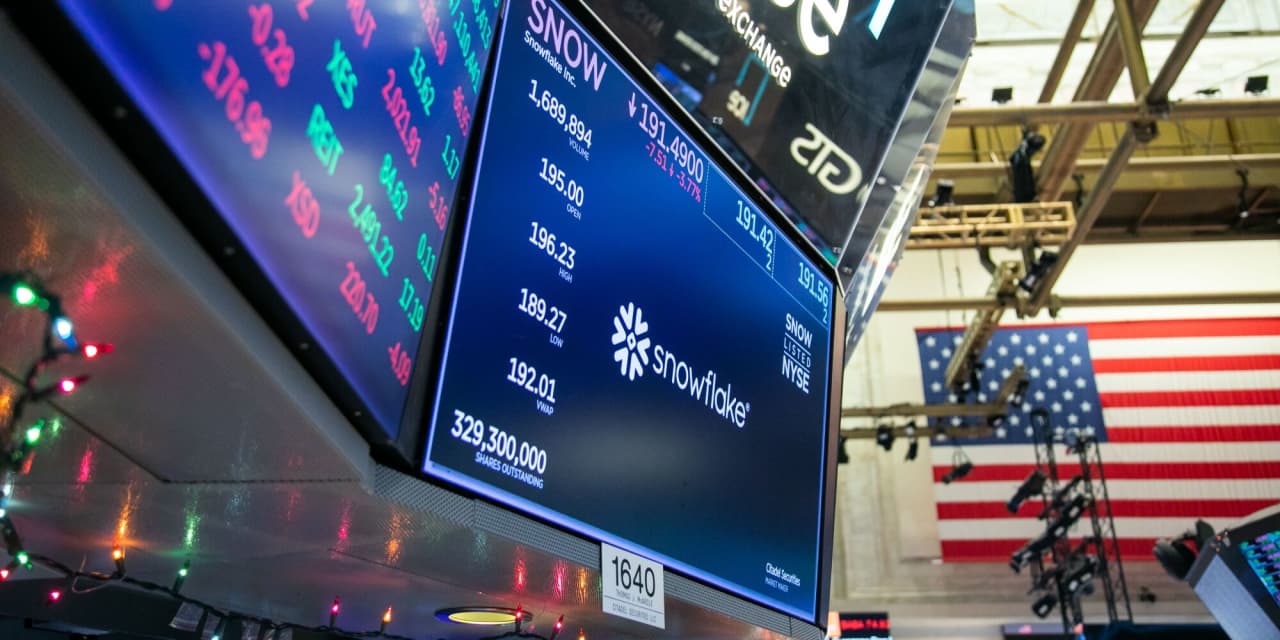
Class Action Lawsuit Filed Against Snowflake Inc.
- Class Action Initiation: Rosen Law Firm has filed a class action lawsuit on behalf of investors who purchased Snowflake Inc. (NYSE: SNOW) Class A common stock between June 27, 2023, and February 28, 2024, alleging that the company failed to disclose negative impacts on revenue from product efficiency declines, resulting in investor losses.
- Compensation Structure: Investors joining the lawsuit will not incur any upfront costs, as the law firm operates on a contingency fee basis, which encourages participation by alleviating financial burdens on investors seeking compensation.
- Details of Allegations: The lawsuit claims that during the class period, Snowflake made numerous positive statements about its business while failing to disclose the adverse effects of product usage and new developments, leading investors to misjudge the company's consumption patterns and revenue forecasts.
- Law Firm Credentials: Rosen Law Firm is recognized for its successful track record in securities class actions, having recovered over $438 million for investors in 2019 alone, underscoring its expertise and influence in handling similar cases.

Sen. Mark Kelly Calls for AI Regulations to Protect Families


- AI Regulation Advocacy: Senator Mark Kelly emphasized that artificial intelligence is rapidly transforming the workforce and called for practical regulations to protect families while fostering innovation, highlighting the need for a balance between technological advancement and social responsibility.
- Escalating Trade Tensions: Following the U.S. Supreme Court's ruling against President Trump's emergency tariff authority, trade tensions between Washington and Taipei have intensified, with Trump doubling down on criticism of Taiwan's semiconductor dominance, potentially leading to the swift implementation of new tariffs that could disrupt economic relations.
- Taiwan's Response Strategy: In light of the Supreme Court's decision, Taiwan is quickly moving to preserve recently negotiated trade benefits with the United States, demonstrating its determination to seek stability in an uncertain trade environment and maintain its economic ties.
- Wayve's Successful Funding: British robotaxi startup Wayve announced it has raised $1.5 billion in fresh funding to bolster its global operations, with backing from Microsoft and Nvidia pushing its valuation to $8.6 billion, reflecting strong market confidence in autonomous driving technology.

Amazon and OpenAI Forge $50 Billion Strategic Partnership


- Massive Investment Commitment: Amazon has announced a strategic partnership with OpenAI worth up to $50 billion, including an initial investment of $15 billion, with an additional $35 billion contingent on OpenAI meeting specific milestones, significantly enhancing Amazon's competitive edge in the AI sector.
- Infrastructure Expansion: OpenAI will leverage Amazon Web Services (AWS) infrastructure, committing to deploy 2 gigawatts of Trainium AI chips, which not only boosts OpenAI's computational capabilities but also presents new growth opportunities for Amazon's cloud services business.
- Market Competitive Advantage: This partnership positions Amazon more favorably against competitors like Microsoft and Google in the AI market, particularly by gaining access to powerful AI models from OpenAI, which could drive innovation in its consumer products.
- Long-term Strategic Layout: The collaboration with OpenAI not only supplements existing AI technologies but may also foster further cooperation in emerging areas like agentic commerce, demonstrating Amazon's commitment to long-term investments in the AI domain.

OpenAI's Fundraising Structure Raises Alarms

- Warning on Fundraising Structure: George Noble has raised alarms over OpenAI's $110 billion fundraising, labeling its structure as 'borderline criminal' and warning that it 'can't end well', reflecting deep market concerns about sustainability.
- Massive Loss Projections: Noble highlighted that OpenAI is projected to burn $8 billion in 2025, $17 billion in 2026, $35 billion in 2027, and $47 billion in 2028, with cumulative losses exceeding $115 billion, underscoring severe challenges to its financial health.
- Circular Financing Issues: Noble criticized the investments from Amazon and Nvidia as 'vendor financing disguised as venture capital', noting Amazon's $50 billion investment with a commitment for OpenAI to spend $100 billion on AWS, creating a potentially destabilizing cycle of payments.
- Historical Parallels: Noble compared OpenAI's fundraising to the dot-com bubble and the 2008 mortgage crisis, emphasizing that when major players finance each other's growth through circular investment structures, it signals the last phase of a credit cycle, heightening market risks.
Has Snowflake's Stock Decline Reached Its Lowest Point? Indicators Suggest a Recovery.
Stock Performance: Snowflake's stock has faced declines due to market fears surrounding AI software disruption, but it remains a critical player in AI training and data management, suggesting potential for recovery.
Financial Highlights: The company reported a strong Q4 FY2026 with nearly 30% year-over-year revenue growth, driven by product demand and new client acquisitions, outperforming market estimates.
Market Sentiment: Analysts express cautious optimism about Snowflake's future, highlighting its potential for significant growth driven by AI, despite some concerns about pricing strategies and market competition.
Institutional Activity: Institutions have been accumulating Snowflake stock, indicating confidence in its long-term prospects, while the company continues to expand its product lines and strategic partnerships to enhance its market position.
Snowflake Reports Strong Quarter but Continues to Post Losses
- Product Revenue Growth: Snowflake's product revenue surged 30% year-over-year to $1.23 billion in fiscal Q4 2026, reflecting strong performance in the AI data cloud market, although profitability remains a concern.
- Significant Customer Growth: The company added 740 net new customers in the quarter, a 40% increase year-over-year, with 733 customers generating over $1 million in annual revenue, indicating successful expansion of its customer base and enhancing future revenue potential.
- Persistent Loss Issues: Despite robust revenue growth, Snowflake reported a GAAP operating loss of $318 million in fiscal Q4 and a total net loss of approximately $1.33 billion for the year, highlighting challenges in achieving profitability that may affect investor confidence.
- Cautious Future Outlook: Snowflake projects fiscal 2027 product revenue of $5.66 billion, implying 27% growth, but its market capitalization of $57 billion and a price-to-sales ratio of 12 raise concerns about future profitability, potentially putting pressure on the stock price.
Class Action Lawsuit Filed Against Snowflake Inc.
- Class Action Initiation: Rosen Law Firm has filed a class action lawsuit on behalf of investors who purchased Snowflake Inc. (NYSE: SNOW) Class A common stock between June 27, 2023, and February 28, 2024, alleging that the company failed to disclose negative impacts on revenue from product efficiency declines, resulting in investor losses.
- Compensation Structure: Investors joining the lawsuit will not incur any upfront costs, as the law firm operates on a contingency fee basis, which encourages participation by alleviating financial burdens on investors seeking compensation.
- Details of Allegations: The lawsuit claims that during the class period, Snowflake made numerous positive statements about its business while failing to disclose the adverse effects of product usage and new developments, leading investors to misjudge the company's consumption patterns and revenue forecasts.
- Law Firm Credentials: Rosen Law Firm is recognized for its successful track record in securities class actions, having recovered over $438 million for investors in 2019 alone, underscoring its expertise and influence in handling similar cases.
Sen. Mark Kelly Calls for AI Regulations to Protect Families
- AI Regulation Advocacy: Senator Mark Kelly emphasized that artificial intelligence is rapidly transforming the workforce and called for practical regulations to protect families while fostering innovation, highlighting the need for a balance between technological advancement and social responsibility.
- Escalating Trade Tensions: Following the U.S. Supreme Court's ruling against President Trump's emergency tariff authority, trade tensions between Washington and Taipei have intensified, with Trump doubling down on criticism of Taiwan's semiconductor dominance, potentially leading to the swift implementation of new tariffs that could disrupt economic relations.
- Taiwan's Response Strategy: In light of the Supreme Court's decision, Taiwan is quickly moving to preserve recently negotiated trade benefits with the United States, demonstrating its determination to seek stability in an uncertain trade environment and maintain its economic ties.
- Wayve's Successful Funding: British robotaxi startup Wayve announced it has raised $1.5 billion in fresh funding to bolster its global operations, with backing from Microsoft and Nvidia pushing its valuation to $8.6 billion, reflecting strong market confidence in autonomous driving technology.
Amazon and OpenAI Forge $50 Billion Strategic Partnership
- Massive Investment Commitment: Amazon has announced a strategic partnership with OpenAI worth up to $50 billion, including an initial investment of $15 billion, with an additional $35 billion contingent on OpenAI meeting specific milestones, significantly enhancing Amazon's competitive edge in the AI sector.
- Infrastructure Expansion: OpenAI will leverage Amazon Web Services (AWS) infrastructure, committing to deploy 2 gigawatts of Trainium AI chips, which not only boosts OpenAI's computational capabilities but also presents new growth opportunities for Amazon's cloud services business.
- Market Competitive Advantage: This partnership positions Amazon more favorably against competitors like Microsoft and Google in the AI market, particularly by gaining access to powerful AI models from OpenAI, which could drive innovation in its consumer products.
- Long-term Strategic Layout: The collaboration with OpenAI not only supplements existing AI technologies but may also foster further cooperation in emerging areas like agentic commerce, demonstrating Amazon's commitment to long-term investments in the AI domain.
OpenAI's Fundraising Structure Raises Alarms
- Warning on Fundraising Structure: George Noble has raised alarms over OpenAI's $110 billion fundraising, labeling its structure as 'borderline criminal' and warning that it 'can't end well', reflecting deep market concerns about sustainability.
- Massive Loss Projections: Noble highlighted that OpenAI is projected to burn $8 billion in 2025, $17 billion in 2026, $35 billion in 2027, and $47 billion in 2028, with cumulative losses exceeding $115 billion, underscoring severe challenges to its financial health.
- Circular Financing Issues: Noble criticized the investments from Amazon and Nvidia as 'vendor financing disguised as venture capital', noting Amazon's $50 billion investment with a commitment for OpenAI to spend $100 billion on AWS, creating a potentially destabilizing cycle of payments.
- Historical Parallels: Noble compared OpenAI's fundraising to the dot-com bubble and the 2008 mortgage crisis, emphasizing that when major players finance each other's growth through circular investment structures, it signals the last phase of a credit cycle, heightening market risks.
Has Snowflake's Stock Decline Reached Its Lowest Point? Indicators Suggest a Recovery.
Stock Performance: Snowflake's stock has faced declines due to market fears surrounding AI software disruption, but it remains a critical player in AI training and data management, suggesting potential for recovery.
Financial Highlights: The company reported a strong Q4 FY2026 with nearly 30% year-over-year revenue growth, driven by product demand and new client acquisitions, outperforming market estimates.
Market Sentiment: Analysts express cautious optimism about Snowflake's future, highlighting its potential for significant growth driven by AI, despite some concerns about pricing strategies and market competition.
Institutional Activity: Institutions have been accumulating Snowflake stock, indicating confidence in its long-term prospects, while the company continues to expand its product lines and strategic partnerships to enhance its market position.