Chipotle Faces Setback in 2025 Performance
Written by Emily J. Thompson, Senior Investment Analyst
Updated: Mar 15 2026
0mins
Should l Buy CMG?
Source: Fool
- First Same-Store Sales Decline: Chipotle experienced its first same-store sales decline since 2016 in 2025, with a drop of 1.7%, primarily due to inflation driving up prices for beef and other ingredients, which compressed profit margins.
- Decreased Store Traffic: In 2025, overall restaurant transactions fell by 2.5%, indicating that consumers opted to dine at home due to economic concerns, directly impacting the company's performance.
- Growth Strategy Reset: Chipotle launched a five-point 'Recipe for Growth' strategy in 2025, aiming to enhance profits through menu innovation, brand messaging, and global market expansion, with plans to open 350 to 370 new restaurants to counteract declining performance.
- Valuation Normalization: Chipotle's price-to-earnings ratio has decreased from 56 times at the end of 2024 to 30 times, which, while still somewhat high, may offer investors a more reasonable entry point given the company's conservative growth outlook for 2026.
Trade with 70% Backtested Accuracy
Stop guessing "Should I Buy CMG?" and start using high-conviction signals backed by rigorous historical data.
Sign up today to access powerful investing tools and make smarter, data-driven decisions.
Analyst Views on CMG
Wall Street analysts forecast CMG stock price to rise
25 Analyst Rating
18 Buy
7 Hold
0 Sell
Moderate Buy
Current: 32.630

Low
35.00
Averages
45.95
High
56.00
Current: 32.630
Low
35.00
Averages
45.95
High
56.00
About CMG
Chipotle Mexican Grill, Inc. is a restaurant company. The Company develops and operates restaurants that serve a menu of burritos, burrito bowls, quesadillas, tacos, and salads, made using fresh ingredients. The Company operates approximately 3839 restaurants in the United States, Canada, the United Kingdom, France, Germany, Kuwait, and United Arab Emirates. It owns and operates all its restaurants in North America and Europe. The Company is focused in serving sourced, classically cooked, real food with wholesome ingredients without artificial colors, flavors or preservatives. Its menu includes Burrito, Burrito Bowl, Lifestyle Bowl, Quesadilla, Salad, Tacos, Kid’s Meal, Chips and Sides, and Build your Own (digital only). It also includes Raymonte’s Chicken Bowl, The Mr. Fantasy Burrito, Carne Asada, Build-Your-Own Chipotle, catering and group order. Its subsidiaries include Chipotle Mexican Grill Canada Corp., Chipotle Mexican Grill France SAS, among others.
About the author

Emily J. Thompson
Emily J. Thompson, a Chartered Financial Analyst (CFA) with 12 years in investment research, graduated with honors from the Wharton School. Specializing in industrial and technology stocks, she provides in-depth analysis for Intellectia’s earnings and market brief reports.
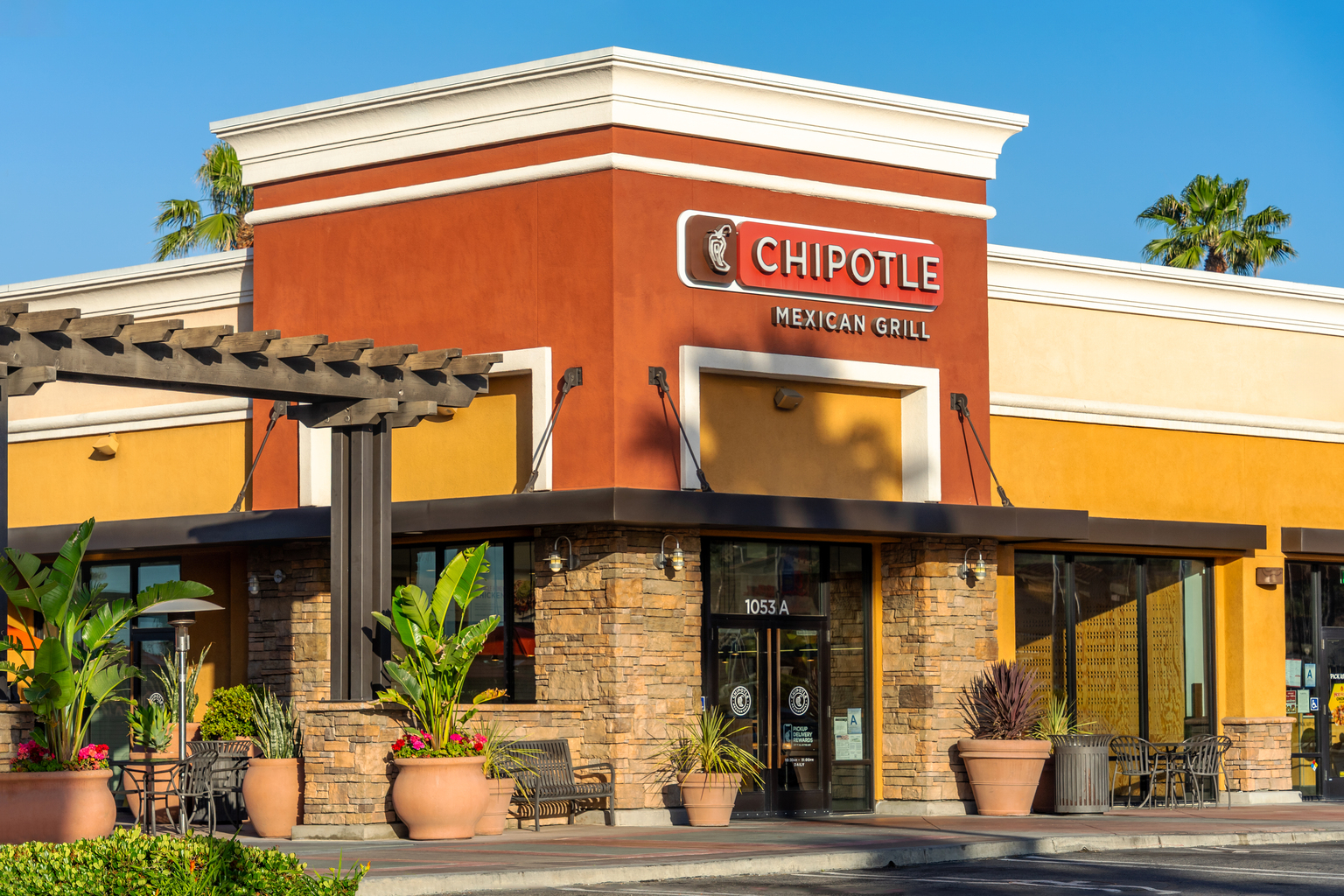
Chipotle Revives Burrito Vault Game for National Burrito Day Celebration

- Game Revival: Chipotle plans to bring back its Burrito Vault game on April 2 for National Burrito Day, which attracted significant social media attention last year, likely increasing customer engagement this year.
- New Gameplay Feature: This year's game introduces the 'Double Protein Power Hour', occurring once daily, which doubles the number of prizes available, enhancing customer participation and brand loyalty through the appeal of double protein rewards.
- Promotional Offer: On National Burrito Day, Chipotle will also offer a $0 delivery fee, aiming to attract more customers to order online, thereby boosting sales during this promotional period.
- Market Competition: With the arrival of spring and summer, other chains are also launching National Burrito Day promotions, and Chipotle's strategy is designed to maintain its competitive edge, particularly in the context of promoting its high-protein menu items.
See More

Chipotle Stock Declines Amid Sales Struggles

- Sales Decline: Chipotle's same-store sales fell 2.5% year-over-year in Q4 2025, leading to a drop in operating margin from 14.6% to 14.1%, indicating challenges in maintaining customer traffic and pricing power, which could hinder future revenue growth.
- Bearish Market Sentiment: Investor sentiment has turned negative towards Chipotle and other restaurant stocks due to concerns over rising gas prices, with expectations that reduced consumer spending on dining out will further pressure the company's performance.
- Increased Competitive Pressure: Chipotle is losing market share to emerging fast-casual brands like Cava Group, with growing consumer concerns over food quality and inconsistent portion sizes potentially leading to customer attrition and damaging brand reputation.
- Valuation Risks: Despite a 50% drop from its highs, Chipotle's stock still trades at a P/E ratio of 29.5, suggesting that investors should be cautious about buying the stock at this time given its current underperformance.
See More
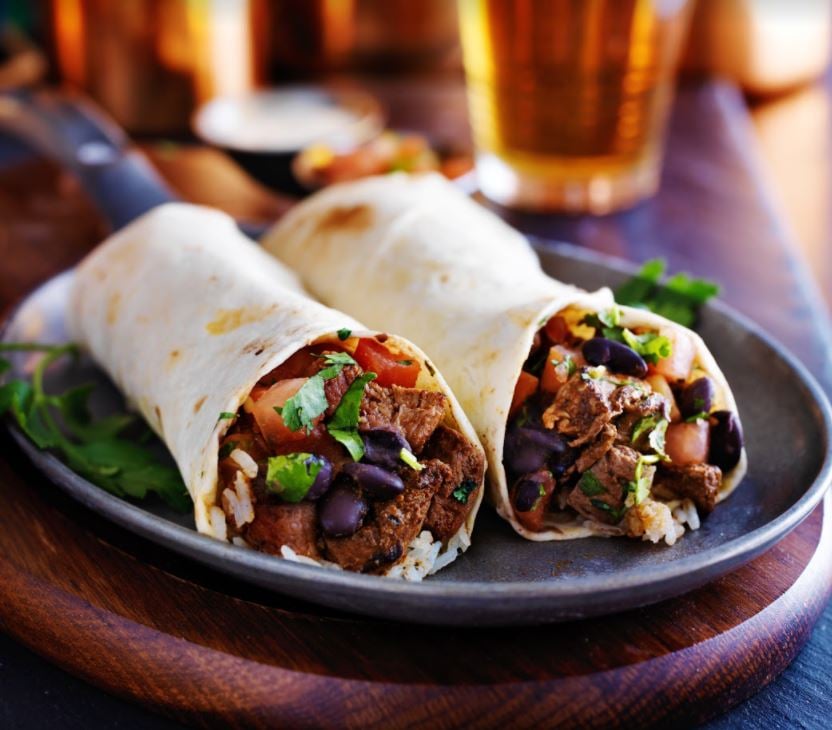
Chipotle Shares Drop 14% Amid Consumer Spending Concerns
- Stock Price Decline: Chipotle's shares fell 14% in March, primarily due to increasing investor pessimism about the restaurant sector, particularly concerns over rising gas prices impacting consumer spending, which has led to diminished confidence in its future performance.
- Poor Earnings Performance: In its Q4 2025 report, Chipotle revealed a 2.5% year-over-year decline in same-store sales and a drop in operating margin from 14.6% to 14.1%, indicating challenges in maintaining customer traffic and pricing power, reflecting a broader trend of weakness in the restaurant industry.
- Increased Market Competition: With growing consumer dissatisfaction regarding food quality and portion sizes, Chipotle is losing market share to emerging fast-casual brands like Cava Group, which threatens its previously dominant position in the fast-casual dining market and heightens investor concerns.
- Future Growth Potential: Despite the current stock decline, Chipotle operates over 4,000 restaurants and is slowly expanding globally; if it can restore same-store sales growth, revenue is expected to continue compounding, but the current P/E ratio of 29.5 appears too high for a struggling restaurant concept, suggesting investors should hold off on buying the dip.
See More
Netflix Raises Subscription Prices Again, Testing User Loyalty


- Price Increase Impact: Netflix has raised its U.S. subscription prices, with the standard and premium tiers increasing by $2 and the ad-supported tier by $1, reflecting a significant 28.6% rise for the ad-supported tier and 29.1% for the standard tier since October 2023, indicating a bold strategy to boost revenue while risking user attrition.
- User Attrition Risk: By increasing prices on lower-cost subscription tiers, Netflix risks driving users out of its ecosystem entirely, especially in a competitive streaming market where price sensitivity is high, potentially impacting the company's long-term growth prospects if users switch to more affordable alternatives.
- Confidence in Content Expansion: Netflix's strategy to enhance its value proposition through expanded content offerings, including sports, demonstrates its confidence in maintaining user loyalty despite inflationary pressures, which is crucial in the current economic climate where consumer spending is strained.
- Investment Appeal: Despite the challenges posed by price increases, Netflix's business model, which relies on high-margin recurring revenue and predictable cash flows, continues to attract investors, positioning the company as a relatively stable investment option amid economic uncertainty, reinforcing its status as a foundational holding in diversified portfolios.
See More
Analysis of Market Impact from Iran War

- Surging Oil Prices: The ongoing Iran war has led to a significant increase in global oil prices, with approximately 20% of the world's oil passing through the Strait of Hormuz, resulting in an overall market decline and expected long-term economic impacts.
- Extended Rebuilding Timeline: The reconstruction of LNG assets is projected to take 3-5 years, and if the conflict persists, this timeline may extend further, posing greater challenges to the global economy.
- Supply Chain Complexity: The current issues are more complex than mere supply shortages, particularly with Qatar's LNG facilities damaged, leading to uncertain recovery times that could affect production across multiple industries.
- Investor Sentiment Deterioration: The S&P 500 has dropped about 4% year-to-date, with the fear and greed index falling to 17, indicating a heightened fear among investors regarding future market conditions, which may lead to increased market volatility.
See More
CNBC Investing Club March Meeting Overview


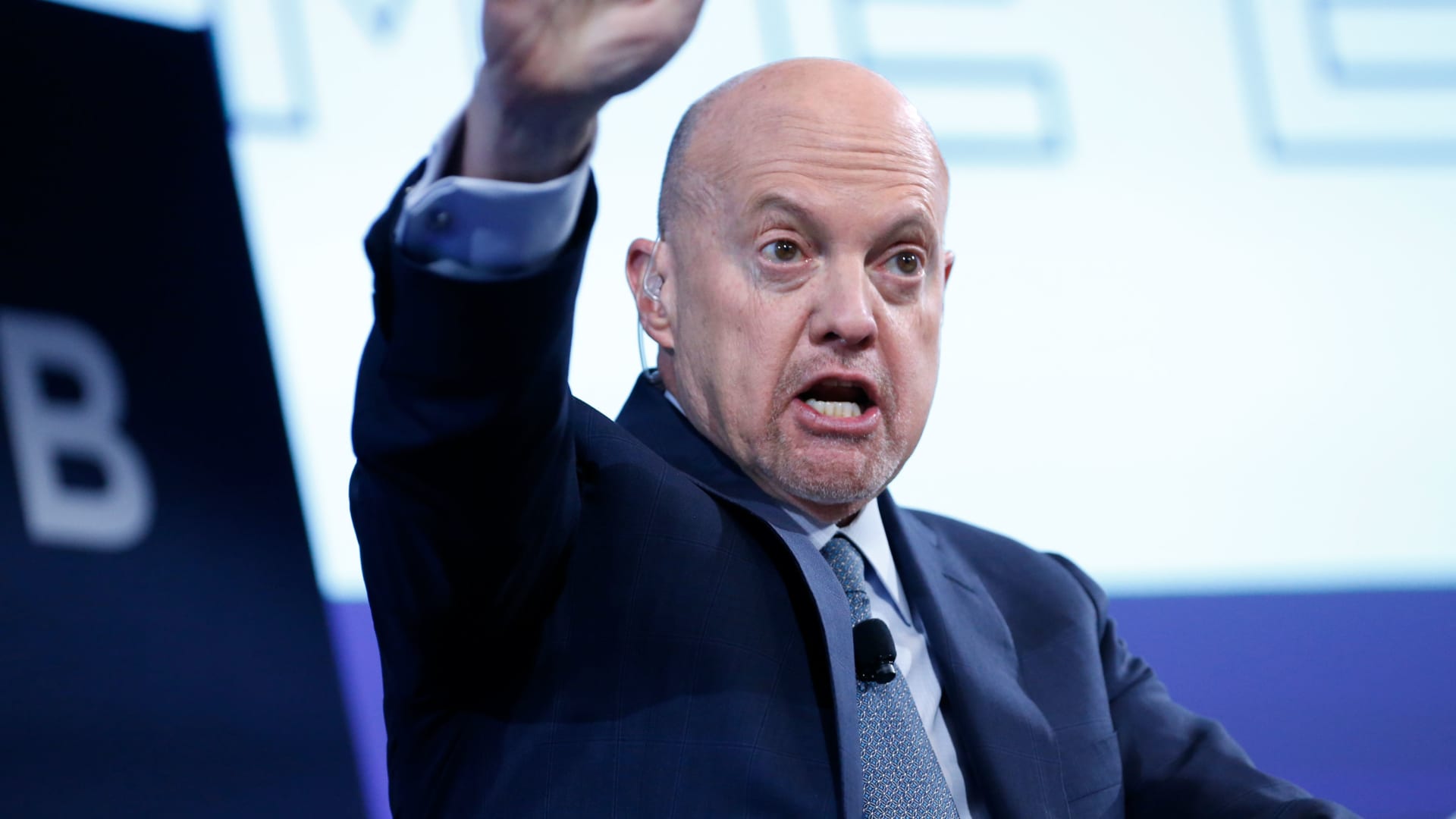
- Energy Stocks Surge: Following the outbreak of war in Iran, energy stocks, particularly fertilizer manufacturers, have shown strong performance, indicating robust market demand that could drive profitability for related companies.
- AWS Growth Acceleration: Amazon's cloud unit AWS is no longer lagging behind Microsoft Azure, thanks to its partnership with Anthropic, with expectations for next quarter's margins to exceed market forecasts, boosting investor confidence.
- Cybersecurity Challenges: CrowdStrike has been affected by turmoil in the software market, but the CEO highlighted the positive impact of AI on cyberattacks, indicating long-term growth potential in the security sector, despite high stock prices.
- Healthcare Sector Risks: Eli Lilly faces pricing pressure from competitor Novo Nordisk, but the company is prepared to counter this by increasing volume, with the upcoming launch of its GLP-1 obesity drug expected to drive growth.
See More
Chipotle Revives Burrito Vault Game for National Burrito Day Celebration
- Game Revival: Chipotle plans to bring back its Burrito Vault game on April 2 for National Burrito Day, which attracted significant social media attention last year, likely increasing customer engagement this year.
- New Gameplay Feature: This year's game introduces the 'Double Protein Power Hour', occurring once daily, which doubles the number of prizes available, enhancing customer participation and brand loyalty through the appeal of double protein rewards.
- Promotional Offer: On National Burrito Day, Chipotle will also offer a $0 delivery fee, aiming to attract more customers to order online, thereby boosting sales during this promotional period.
- Market Competition: With the arrival of spring and summer, other chains are also launching National Burrito Day promotions, and Chipotle's strategy is designed to maintain its competitive edge, particularly in the context of promoting its high-protein menu items.
See More
Chipotle Stock Declines Amid Sales Struggles
- Sales Decline: Chipotle's same-store sales fell 2.5% year-over-year in Q4 2025, leading to a drop in operating margin from 14.6% to 14.1%, indicating challenges in maintaining customer traffic and pricing power, which could hinder future revenue growth.
- Bearish Market Sentiment: Investor sentiment has turned negative towards Chipotle and other restaurant stocks due to concerns over rising gas prices, with expectations that reduced consumer spending on dining out will further pressure the company's performance.
- Increased Competitive Pressure: Chipotle is losing market share to emerging fast-casual brands like Cava Group, with growing consumer concerns over food quality and inconsistent portion sizes potentially leading to customer attrition and damaging brand reputation.
- Valuation Risks: Despite a 50% drop from its highs, Chipotle's stock still trades at a P/E ratio of 29.5, suggesting that investors should be cautious about buying the stock at this time given its current underperformance.
See More
Chipotle Shares Drop 14% Amid Consumer Spending Concerns
- Stock Price Decline: Chipotle's shares fell 14% in March, primarily due to increasing investor pessimism about the restaurant sector, particularly concerns over rising gas prices impacting consumer spending, which has led to diminished confidence in its future performance.
- Poor Earnings Performance: In its Q4 2025 report, Chipotle revealed a 2.5% year-over-year decline in same-store sales and a drop in operating margin from 14.6% to 14.1%, indicating challenges in maintaining customer traffic and pricing power, reflecting a broader trend of weakness in the restaurant industry.
- Increased Market Competition: With growing consumer dissatisfaction regarding food quality and portion sizes, Chipotle is losing market share to emerging fast-casual brands like Cava Group, which threatens its previously dominant position in the fast-casual dining market and heightens investor concerns.
- Future Growth Potential: Despite the current stock decline, Chipotle operates over 4,000 restaurants and is slowly expanding globally; if it can restore same-store sales growth, revenue is expected to continue compounding, but the current P/E ratio of 29.5 appears too high for a struggling restaurant concept, suggesting investors should hold off on buying the dip.
See More
Netflix Raises Subscription Prices Again, Testing User Loyalty
- Price Increase Impact: Netflix has raised its U.S. subscription prices, with the standard and premium tiers increasing by $2 and the ad-supported tier by $1, reflecting a significant 28.6% rise for the ad-supported tier and 29.1% for the standard tier since October 2023, indicating a bold strategy to boost revenue while risking user attrition.
- User Attrition Risk: By increasing prices on lower-cost subscription tiers, Netflix risks driving users out of its ecosystem entirely, especially in a competitive streaming market where price sensitivity is high, potentially impacting the company's long-term growth prospects if users switch to more affordable alternatives.
- Confidence in Content Expansion: Netflix's strategy to enhance its value proposition through expanded content offerings, including sports, demonstrates its confidence in maintaining user loyalty despite inflationary pressures, which is crucial in the current economic climate where consumer spending is strained.
- Investment Appeal: Despite the challenges posed by price increases, Netflix's business model, which relies on high-margin recurring revenue and predictable cash flows, continues to attract investors, positioning the company as a relatively stable investment option amid economic uncertainty, reinforcing its status as a foundational holding in diversified portfolios.
See More
Analysis of Market Impact from Iran War
- Surging Oil Prices: The ongoing Iran war has led to a significant increase in global oil prices, with approximately 20% of the world's oil passing through the Strait of Hormuz, resulting in an overall market decline and expected long-term economic impacts.
- Extended Rebuilding Timeline: The reconstruction of LNG assets is projected to take 3-5 years, and if the conflict persists, this timeline may extend further, posing greater challenges to the global economy.
- Supply Chain Complexity: The current issues are more complex than mere supply shortages, particularly with Qatar's LNG facilities damaged, leading to uncertain recovery times that could affect production across multiple industries.
- Investor Sentiment Deterioration: The S&P 500 has dropped about 4% year-to-date, with the fear and greed index falling to 17, indicating a heightened fear among investors regarding future market conditions, which may lead to increased market volatility.
See More
CNBC Investing Club March Meeting Overview
- Energy Stocks Surge: Following the outbreak of war in Iran, energy stocks, particularly fertilizer manufacturers, have shown strong performance, indicating robust market demand that could drive profitability for related companies.
- AWS Growth Acceleration: Amazon's cloud unit AWS is no longer lagging behind Microsoft Azure, thanks to its partnership with Anthropic, with expectations for next quarter's margins to exceed market forecasts, boosting investor confidence.
- Cybersecurity Challenges: CrowdStrike has been affected by turmoil in the software market, but the CEO highlighted the positive impact of AI on cyberattacks, indicating long-term growth potential in the security sector, despite high stock prices.
- Healthcare Sector Risks: Eli Lilly faces pricing pressure from competitor Novo Nordisk, but the company is prepared to counter this by increasing volume, with the upcoming launch of its GLP-1 obesity drug expected to drive growth.
See More