China's Commerce Ministry Warns of Semiconductor Supply Chain Crisis

China's commerce ministry warned of another global semiconductor supply chain crisis due to conflicts between Nexperia and its Chinese subsidiary, Eduardo Baptista of Reuters reports. Last October, production in the global auto industry was disrupted after Beijing imposed export controls on Chinese-made Nexperia chips. While the chip shortage eased after negotiations, the conflict between Nexperia's headquarters and its China-based unit has only intensified. Publicly traded companies in the space include Ford (F), General Motors (GM), Honda (HMC), Lucid Group (LCID), Mercedes-Benz (MBGYY), Nissan (NSANY), Rivian (RIVN), Stellantis (STLA), Tesla (TSLA), Toyota (TM), BMW (BMWYY), Audi (AUDVF), and Renault (RNSDF).
Trade with 70% Backtested Accuracy
Analyst Views on F

About F
About the author

Ford Partners with onX to Offer Outdoor Navigation Services
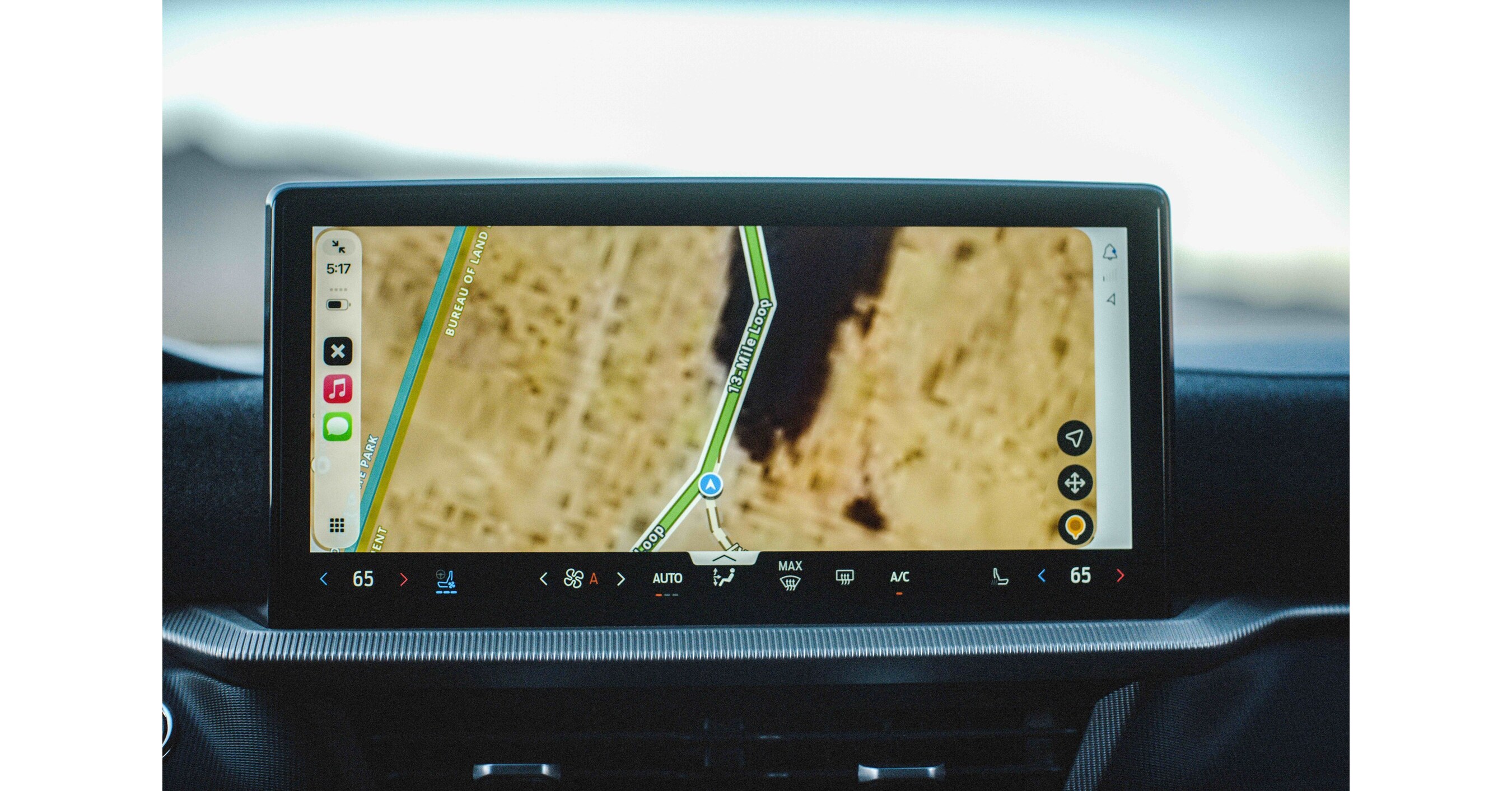
- Outdoor Navigation Partnership: Ford collaborates with onX to offer one year of onX Offroad, Hunt, and Backcountry Elite memberships to owners of 2017 and newer Ford vehicles, aiming to enhance outdoor adventure experiences and attract more outdoor enthusiasts to Ford vehicles.
- Integrated Technology Enhancements: The new service allows users to integrate onX apps directly into their vehicle screens via Apple CarPlay and Android Auto, enabling offline map downloads in areas without cell service, thereby enhancing navigation capabilities for Ford owners in remote locations and improving customer satisfaction.
- Promotional Content Series: Ford and onX launch the “Chasing Off-Road Confidence” series, showcasing how Ford owners use the onX app to explore off-road trails across the U.S., which is expected to attract potential customers through real-life examples and strengthen brand loyalty.
- Market Growth Potential: With outdoor recreation participation hitting record levels, the partnership between Ford and onX not only reflects a commitment to the off-road market but also has the potential to expand market share by providing innovative navigation solutions, enhancing the company's competitiveness in the outdoor adventure sector.
Ford Partners with onX to Offer One Year Free Navigation Service
- Collaboration Background: Ford has partnered with outdoor digital navigation leader onX to offer a complimentary year of onX Offroad, Hunt, and Backcountry Elite memberships to owners of 2017 and newer vehicles, aiming to enhance customer outdoor adventure experiences.
- Application Features: Users can access over 650,000 miles of off-road routes with detailed difficulty ratings and descriptions through onX's apps, thereby enhancing their off-roading capabilities and safety, which further strengthens Ford's competitiveness in the off-road vehicle market.
- Market Trends: As outdoor recreation participation hits record levels, the collaboration between Ford and onX not only responds to this trend but also elevates brand image through technological investments, attracting more outdoor enthusiasts to choose Ford vehicles.
- Content Promotion: The launch of the “Chasing Off-Road Confidence” content series will showcase how Ford owners utilize onX's navigation technology to explore unique outdoor destinations across the U.S., further enhancing customer brand loyalty and engagement.
Market Dynamics and Company Outlook


- Oil Price Fluctuations: Brent crude oil prices surged by 4%, surpassing $117 per barrel, leading U.S. gas prices to exceed $4 per gallon; while the S&P 500 is expected to open higher, the market faces cost pressures from rising oil prices, potentially impacting overall economic recovery.
- Marvell and Nvidia Partnership: Marvell shares surged nearly 10% after announcing a strategic partnership with Nvidia, which will invest $2 billion to enhance the connectivity of Marvell's custom processors with Nvidia's networking technology, thereby strengthening Marvell's competitive position in the AI chip market.
- McCormick Acquires Unilever's Food Business: McCormick announced a $45 billion deal to acquire Unilever's food business, which will significantly expand its market share in spices and condiments, despite reporting only 1.2% organic sales growth in the last quarter, enhancing brand influence.
- Wells Fargo Downgrades Ford: Wells Fargo cut its price target for Ford from $11 to $10 and reiterated a sell rating, with analysts concerned that the fallout from the Iran war will increase raw material and freight costs, potentially impacting the profitability of automakers.

GM Increases Heavy-Duty Truck Production to Meet Demand

- Production Adjustment: GM plans to operate its Flint Assembly Plant six days a week starting in June to better align with the increasing demand for heavy-duty trucks, reflecting strong market interest in its Silverado and Sierra models.
- Sales Growth: In 2025, GM sold 206,184 Silverado heavy-duty trucks, marking a 12.2% increase, while Sierra heavy-duty sales rose about 10% to 118,066 units, demonstrating the company's robust performance in the heavy-duty truck market.
- EV Investment Pullback: Amid reduced support from the Trump administration for electric vehicles, GM's EV sales fell 43% year-over-year in Q4 2025, leading to a $6 billion charge primarily due to significant pullbacks in EV investments in North America.
- Market Sentiment: Despite challenges, GM's stock has gained 54% over the past 12 months, and retail sentiment on Stocktwits remains in the 'bullish' territory, indicating confidence in the company's future performance.
Economist Claims Recessions Are Unpredictable
- Difficulty in Forecasting Recessions: Former White House economist Tyler Goodspeed asserts in his new book that recessions are often caused by unforeseen shocks, which are difficult to hedge against, highlighting the limitations of traditional forecasting tools.
- Impact of Energy Prices: Goodspeed emphasizes that the surge in energy prices during the 2008 financial crisis significantly contributed to the recession's depth, despite the absence of obvious external shocks like wars or embargoes, revealing the vulnerability of the energy market.
- Historical Lessons: He notes that contractionary fiscal and monetary policies during recessions often exacerbate economic difficulties, underscoring the importance of cautious policy measures to avoid further harm during economic downturns.
- Trend of Economic Expansion: Despite the inevitability of recessions, Goodspeed believes that the long-term trend indicates longer-lasting economic expansions, suggesting that we are becoming more adept at absorbing shocks that historically led to recessions.

Google Introduces AI-Powered Features for Electric Vehicles, Offering Intelligent Battery Predictions and Charging Locations


Personalized Guidance for EV Drivers: Google has introduced a feature that allows drivers to input their vehicle details and current charge levels to receive tailored guidance, enhancing navigation for electric vehicle (EV) users across the U.S. and supporting over 15 automotive brands.
Integration of Advanced Battery Forecasting: The new system integrates advanced battery forecasting and charging recommendations directly into in-car navigation systems, aiming to make long-distance travel more predictable for EV drivers.
Real-Time Data Utilization: The feature leverages real-time conditions and vehicle-specific data to provide updated arrival estimates and charging locations, addressing common concerns about battery range during longer journeys.
Expansion of EV Navigation Tools: This update is part of a broader trend among automakers to enhance EV offerings, with Google’s navigation tools expected to support more than 350 electric vehicle models, improving trip planning accuracy compared to traditional navigation systems.
Ford Partners with onX to Offer Outdoor Navigation Services
- Outdoor Navigation Partnership: Ford collaborates with onX to offer one year of onX Offroad, Hunt, and Backcountry Elite memberships to owners of 2017 and newer Ford vehicles, aiming to enhance outdoor adventure experiences and attract more outdoor enthusiasts to Ford vehicles.
- Integrated Technology Enhancements: The new service allows users to integrate onX apps directly into their vehicle screens via Apple CarPlay and Android Auto, enabling offline map downloads in areas without cell service, thereby enhancing navigation capabilities for Ford owners in remote locations and improving customer satisfaction.
- Promotional Content Series: Ford and onX launch the “Chasing Off-Road Confidence” series, showcasing how Ford owners use the onX app to explore off-road trails across the U.S., which is expected to attract potential customers through real-life examples and strengthen brand loyalty.
- Market Growth Potential: With outdoor recreation participation hitting record levels, the partnership between Ford and onX not only reflects a commitment to the off-road market but also has the potential to expand market share by providing innovative navigation solutions, enhancing the company's competitiveness in the outdoor adventure sector.
Ford Partners with onX to Offer One Year Free Navigation Service
- Collaboration Background: Ford has partnered with outdoor digital navigation leader onX to offer a complimentary year of onX Offroad, Hunt, and Backcountry Elite memberships to owners of 2017 and newer vehicles, aiming to enhance customer outdoor adventure experiences.
- Application Features: Users can access over 650,000 miles of off-road routes with detailed difficulty ratings and descriptions through onX's apps, thereby enhancing their off-roading capabilities and safety, which further strengthens Ford's competitiveness in the off-road vehicle market.
- Market Trends: As outdoor recreation participation hits record levels, the collaboration between Ford and onX not only responds to this trend but also elevates brand image through technological investments, attracting more outdoor enthusiasts to choose Ford vehicles.
- Content Promotion: The launch of the “Chasing Off-Road Confidence” content series will showcase how Ford owners utilize onX's navigation technology to explore unique outdoor destinations across the U.S., further enhancing customer brand loyalty and engagement.
Market Dynamics and Company Outlook
- Oil Price Fluctuations: Brent crude oil prices surged by 4%, surpassing $117 per barrel, leading U.S. gas prices to exceed $4 per gallon; while the S&P 500 is expected to open higher, the market faces cost pressures from rising oil prices, potentially impacting overall economic recovery.
- Marvell and Nvidia Partnership: Marvell shares surged nearly 10% after announcing a strategic partnership with Nvidia, which will invest $2 billion to enhance the connectivity of Marvell's custom processors with Nvidia's networking technology, thereby strengthening Marvell's competitive position in the AI chip market.
- McCormick Acquires Unilever's Food Business: McCormick announced a $45 billion deal to acquire Unilever's food business, which will significantly expand its market share in spices and condiments, despite reporting only 1.2% organic sales growth in the last quarter, enhancing brand influence.
- Wells Fargo Downgrades Ford: Wells Fargo cut its price target for Ford from $11 to $10 and reiterated a sell rating, with analysts concerned that the fallout from the Iran war will increase raw material and freight costs, potentially impacting the profitability of automakers.
GM Increases Heavy-Duty Truck Production to Meet Demand
- Production Adjustment: GM plans to operate its Flint Assembly Plant six days a week starting in June to better align with the increasing demand for heavy-duty trucks, reflecting strong market interest in its Silverado and Sierra models.
- Sales Growth: In 2025, GM sold 206,184 Silverado heavy-duty trucks, marking a 12.2% increase, while Sierra heavy-duty sales rose about 10% to 118,066 units, demonstrating the company's robust performance in the heavy-duty truck market.
- EV Investment Pullback: Amid reduced support from the Trump administration for electric vehicles, GM's EV sales fell 43% year-over-year in Q4 2025, leading to a $6 billion charge primarily due to significant pullbacks in EV investments in North America.
- Market Sentiment: Despite challenges, GM's stock has gained 54% over the past 12 months, and retail sentiment on Stocktwits remains in the 'bullish' territory, indicating confidence in the company's future performance.
Economist Claims Recessions Are Unpredictable
- Difficulty in Forecasting Recessions: Former White House economist Tyler Goodspeed asserts in his new book that recessions are often caused by unforeseen shocks, which are difficult to hedge against, highlighting the limitations of traditional forecasting tools.
- Impact of Energy Prices: Goodspeed emphasizes that the surge in energy prices during the 2008 financial crisis significantly contributed to the recession's depth, despite the absence of obvious external shocks like wars or embargoes, revealing the vulnerability of the energy market.
- Historical Lessons: He notes that contractionary fiscal and monetary policies during recessions often exacerbate economic difficulties, underscoring the importance of cautious policy measures to avoid further harm during economic downturns.
- Trend of Economic Expansion: Despite the inevitability of recessions, Goodspeed believes that the long-term trend indicates longer-lasting economic expansions, suggesting that we are becoming more adept at absorbing shocks that historically led to recessions.
Google Introduces AI-Powered Features for Electric Vehicles, Offering Intelligent Battery Predictions and Charging Locations
Personalized Guidance for EV Drivers: Google has introduced a feature that allows drivers to input their vehicle details and current charge levels to receive tailored guidance, enhancing navigation for electric vehicle (EV) users across the U.S. and supporting over 15 automotive brands.
Integration of Advanced Battery Forecasting: The new system integrates advanced battery forecasting and charging recommendations directly into in-car navigation systems, aiming to make long-distance travel more predictable for EV drivers.
Real-Time Data Utilization: The feature leverages real-time conditions and vehicle-specific data to provide updated arrival estimates and charging locations, addressing common concerns about battery range during longer journeys.
Expansion of EV Navigation Tools: This update is part of a broader trend among automakers to enhance EV offerings, with Google’s navigation tools expected to support more than 350 electric vehicle models, improving trip planning accuracy compared to traditional navigation systems.