China Considers Limiting Solar Equipment Exports
Written by Emily J. Thompson, Senior Investment Analyst
Updated: 1 hour ago
0mins
Should l Buy TSLA?
Source: seekingalpha
- Initial Export Talks: Chinese officials have begun discussions with solar panel equipment manufacturers regarding potential restrictions on advanced technology exports to the U.S., which could hinder American firms' plans to build new factories and expand production capabilities.
- Market Dominance: China accounts for over 80% of global solar panel components and is home to the top ten suppliers of solar cell manufacturing equipment, and imposing export limits would further solidify its dominance in the global market.
- Industry Response: Analysts anticipate that export controls could significantly impact China's solar industry, particularly as companies like Tesla push for solar production self-sufficiency in the U.S., potentially undermining the competitiveness of Chinese manufacturers.
- Policy Context: This move aligns with China's ongoing efforts to control rare earth exports, reflecting the government's determination to protect domestic industrial interests, which may escalate tensions in international trade.
Trade with 70% Backtested Accuracy
Stop guessing "Should I Buy TSLA?" and start using high-conviction signals backed by rigorous historical data.
Sign up today to access powerful investing tools and make smarter, data-driven decisions.
Analyst Views on TSLA
Wall Street analysts forecast TSLA stock price to rise
30 Analyst Rating
12 Buy
11 Hold
7 Sell
Hold
Current: 364.200

Low
25.28
Averages
401.93
High
600.00
Current: 364.200
Low
25.28
Averages
401.93
High
600.00
About TSLA
Tesla, Inc. designs, develops, manufactures, sells and leases high-performance fully electric vehicles and energy generation and storage systems, and offers services related to its products. Its segments include automotive, and energy generation and storage. The automotive segment includes the design, development, manufacturing, sales and leasing of high-performance fully electric vehicles, and sales of automotive regulatory credits. It also includes sales of used vehicles, non-warranty maintenance services and collisions, part sales, paid supercharging, insurance services revenue and retail merchandise sales. The energy generation and storage segment include the design, manufacture, installation, sales and leasing of solar energy generation and energy storage products and related services and sales of solar energy systems incentives. Its consumer vehicles include the Model 3, Y, S, X and Cybertruck. Its lithium-ion battery energy storage products include Powerwall and Megapack.
About the author

Emily J. Thompson
Emily J. Thompson, a Chartered Financial Analyst (CFA) with 12 years in investment research, graduated with honors from the Wharton School. Specializing in industrial and technology stocks, she provides in-depth analysis for Intellectia’s earnings and market brief reports.
Tesla Approaches 10 Billion Full Self-Driving Miles Milestone

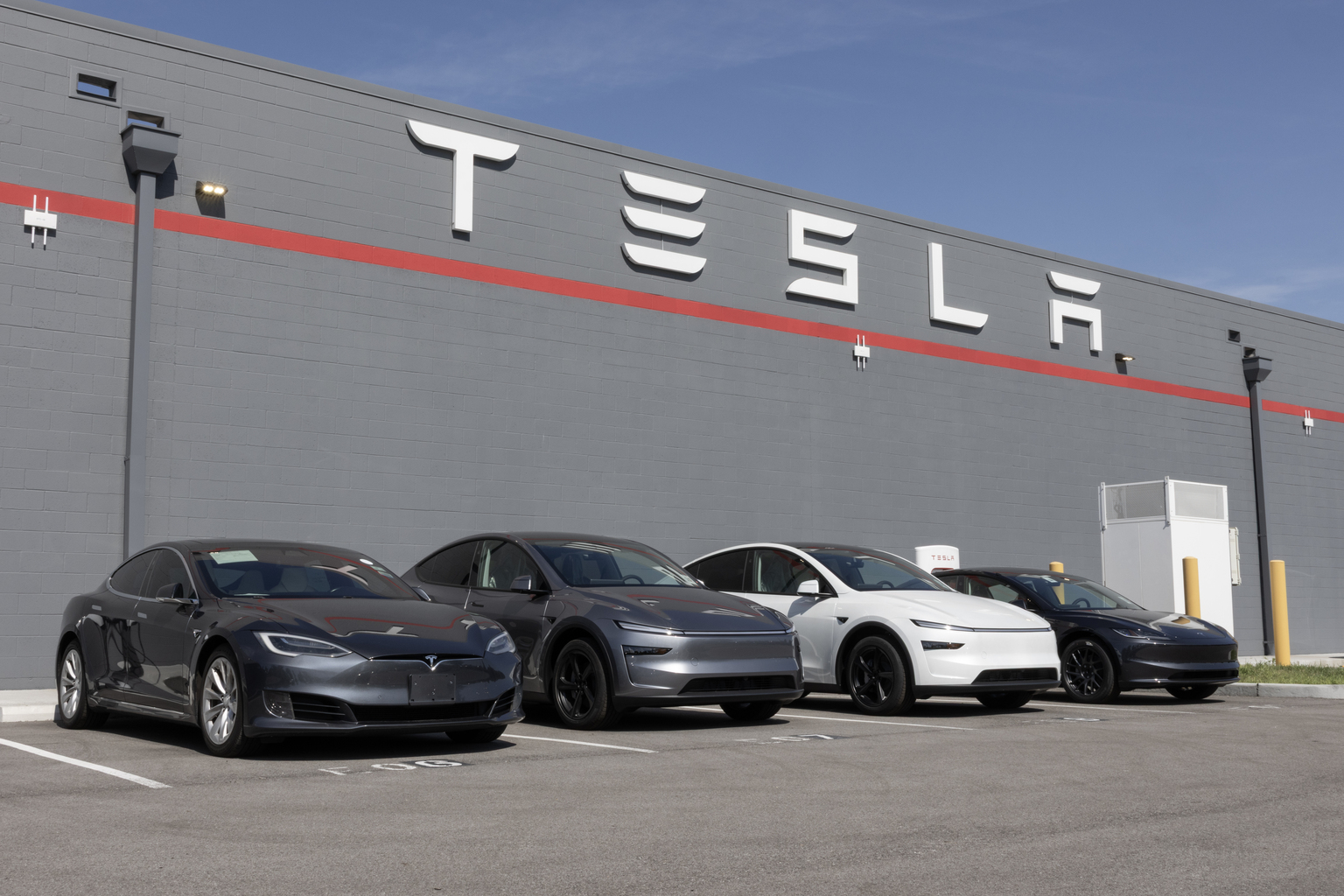
- Milestone Achievement: Tesla (TSLA) is nearing the milestone of 10 billion full self-driving miles, reinforcing its lead in autonomy, although the FSD system still requires driver attention, indicating a transitional phase in autonomous driving.
- Capex Concerns: Morgan Stanley analyst Andrew Percoco highlighted that Tesla's capital expenditures are projected to reach $20.7 billion in 2026, aligning with the company's guidance but raising concerns as free cash flow turns negative, necessitating clearer evidence of unsupervised autonomy to support stock valuation.
- Robotaxi Operations: Tesla's current robotaxi activities in Austin are still small-scale and moving towards less supervised driving, but not yet considered a broad commercial rollout, with initial production of CyberCab expected to begin this month, indicating gradual progress in autonomous vehicle deployment.
- Earnings Report Anticipation: Tesla is set to report Q1 earnings on April 22 after market close, with investors keenly awaiting insights on the latest developments regarding robotaxi and CyberCab rollouts during the earnings conference call, which could influence market sentiment significantly.
See More

Tesla's Optimus Robot Production Plans Unveiled
- Production Timeline: Tesla plans to begin production of the Optimus robot by the end of 2026, with an expected annual capacity of one million units, which will significantly diversify the company's product line and drive future revenue growth.
- Production Line Shift: The company will halt production of the Model S and Model X in California to repurpose those lines for Optimus manufacturing, a strategic shift that not only optimizes resource allocation but may also enhance overall production efficiency.
- Chinese Factory Potential: Tesla's China president stated that the Shanghai gigafactory is capable of supporting the mass production of Optimus, indicating the company's strong commitment to the Chinese market and potentially strengthening its competitive position in the global robotics market.
- Positive Market Reaction: TSLA stock rose 4% following the announcement, reflecting increased investor confidence in the Optimus project, with the stock gaining 45% over the past 12 months, indicating a bullish outlook on the company's future growth.
See More
Tesla Shares Surge After Software Update and UBS Upgrade
- Stock Surge: Tesla shares rose over 6% on Wednesday, driven by the rollout of new software updates and an upgrade from UBS analysts who changed their rating from sell to hold, raising the price target to $352, reflecting growing market confidence in Tesla's future prospects.
- Software Update Impact: The Spring update enhances user experience by making it easier for customers to subscribe to the premium Full Self Driving option and view usage statistics on their touchscreens, thereby increasing customer engagement and satisfaction.
- New Model Development: UBS analyst Joseph Spak highlighted that Tesla is working on a new, smaller SUV, which is seen as a positive development indicating the company's proactive measures to expand its product lineup in response to the current limitations of its light-duty vehicle offerings.
- Production Line Adjustment: Tesla has ceased sales of its flagship Model S and Model X to transition part of its Fremont, California factory to produce the humanoid robot Optimus, a strategic shift that may lay the groundwork for future technological innovations and enhance the company's competitive edge in the market.
See More

Microsoft's Stock Decline and AI Threat Analysis


- Poor Market Performance: In Q1 2023, Microsoft's stock fell by 23%, the worst among the Magnificent Seven, reflecting market concerns about AI's future impact and signs of weakness in the U.S. economy, which dampened investor appetite for growth stocks.
- Cloud Revenue Growth: Despite challenges, Microsoft's cloud revenue soared by 26% in the recent quarter, surpassing $50 billion, indicating strong customer demand for its diverse services and highlighting the company's growth potential in AI and cloud offerings.
- AI Threat and Opportunity: While AI is seen as a potential threat to the software industry, Microsoft's investments and product developments in AI enable it to benefit, particularly through its partnership with OpenAI, having invested around $13 billion, further solidifying its market position.
- Valuation Appeal: Microsoft is currently trading at a price-to-earnings ratio of 22x, close to its lowest in three years, down from a peak of over 35x, making it an attractive option for growth investors, especially amid increasing market volatility.
See More

Microsoft Thrives Amid AI Boom Despite Q1 Decline
- Earnings Performance: Microsoft reported a 26% increase in cloud revenue during Q1, surpassing $50 billion, demonstrating strong demand in AI and cloud computing, which highlights the resilience of its business despite overall market sentiment being low.
- Market Reaction: Although Microsoft's stock fell by 23% in Q1, the recent optimism surrounding AI may support future growth for the company, particularly in the demand for cloud services and AI products.
- AI Investment: With an investment of approximately $13 billion in OpenAI, Microsoft is strategically positioning itself in the AI sector, which is expected to further drive the integration of its software and cloud services, enhancing its competitive edge in the market.
- Valuation Appeal: Currently trading at a price-to-earnings ratio of 22x, close to its lowest in three years, Microsoft presents one of the most attractive investment opportunities among the Magnificent Seven, appealing to value-seeking investors.
See More
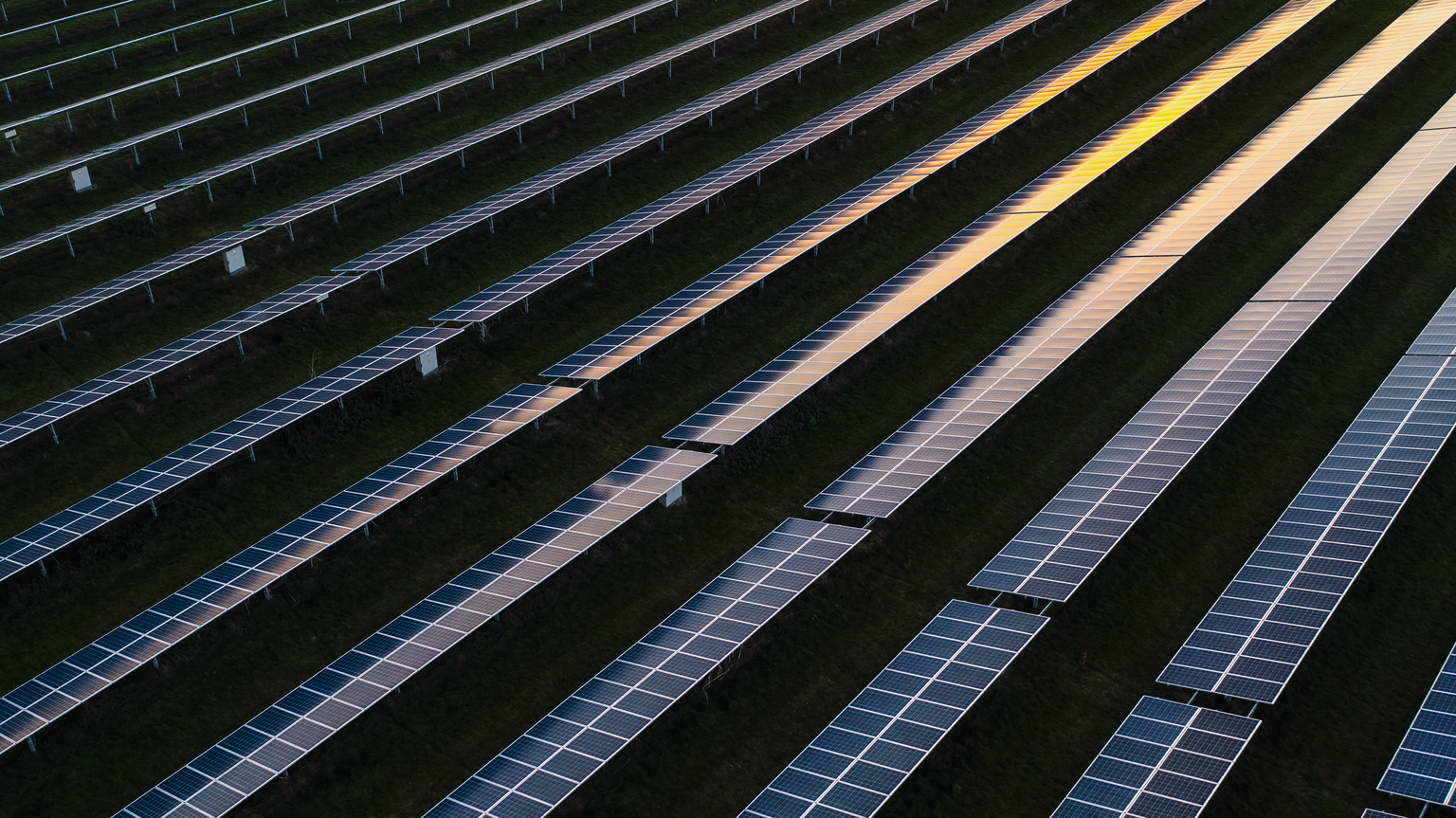
China Considers Limiting Solar Equipment Exports
- Initial Export Talks: Chinese officials have begun discussions with solar panel equipment manufacturers regarding potential restrictions on advanced technology exports to the U.S., which could hinder American firms' plans to build new factories and expand production capabilities.
- Market Dominance: China accounts for over 80% of global solar panel components and is home to the top ten suppliers of solar cell manufacturing equipment, and imposing export limits would further solidify its dominance in the global market.
- Industry Response: Analysts anticipate that export controls could significantly impact China's solar industry, particularly as companies like Tesla push for solar production self-sufficiency in the U.S., potentially undermining the competitiveness of Chinese manufacturers.
- Policy Context: This move aligns with China's ongoing efforts to control rare earth exports, reflecting the government's determination to protect domestic industrial interests, which may escalate tensions in international trade.
See More
Tesla Approaches 10 Billion Full Self-Driving Miles Milestone
- Milestone Achievement: Tesla (TSLA) is nearing the milestone of 10 billion full self-driving miles, reinforcing its lead in autonomy, although the FSD system still requires driver attention, indicating a transitional phase in autonomous driving.
- Capex Concerns: Morgan Stanley analyst Andrew Percoco highlighted that Tesla's capital expenditures are projected to reach $20.7 billion in 2026, aligning with the company's guidance but raising concerns as free cash flow turns negative, necessitating clearer evidence of unsupervised autonomy to support stock valuation.
- Robotaxi Operations: Tesla's current robotaxi activities in Austin are still small-scale and moving towards less supervised driving, but not yet considered a broad commercial rollout, with initial production of CyberCab expected to begin this month, indicating gradual progress in autonomous vehicle deployment.
- Earnings Report Anticipation: Tesla is set to report Q1 earnings on April 22 after market close, with investors keenly awaiting insights on the latest developments regarding robotaxi and CyberCab rollouts during the earnings conference call, which could influence market sentiment significantly.
See More
Tesla's Optimus Robot Production Plans Unveiled
- Production Timeline: Tesla plans to begin production of the Optimus robot by the end of 2026, with an expected annual capacity of one million units, which will significantly diversify the company's product line and drive future revenue growth.
- Production Line Shift: The company will halt production of the Model S and Model X in California to repurpose those lines for Optimus manufacturing, a strategic shift that not only optimizes resource allocation but may also enhance overall production efficiency.
- Chinese Factory Potential: Tesla's China president stated that the Shanghai gigafactory is capable of supporting the mass production of Optimus, indicating the company's strong commitment to the Chinese market and potentially strengthening its competitive position in the global robotics market.
- Positive Market Reaction: TSLA stock rose 4% following the announcement, reflecting increased investor confidence in the Optimus project, with the stock gaining 45% over the past 12 months, indicating a bullish outlook on the company's future growth.
See More
Tesla Shares Surge After Software Update and UBS Upgrade
- Stock Surge: Tesla shares rose over 6% on Wednesday, driven by the rollout of new software updates and an upgrade from UBS analysts who changed their rating from sell to hold, raising the price target to $352, reflecting growing market confidence in Tesla's future prospects.
- Software Update Impact: The Spring update enhances user experience by making it easier for customers to subscribe to the premium Full Self Driving option and view usage statistics on their touchscreens, thereby increasing customer engagement and satisfaction.
- New Model Development: UBS analyst Joseph Spak highlighted that Tesla is working on a new, smaller SUV, which is seen as a positive development indicating the company's proactive measures to expand its product lineup in response to the current limitations of its light-duty vehicle offerings.
- Production Line Adjustment: Tesla has ceased sales of its flagship Model S and Model X to transition part of its Fremont, California factory to produce the humanoid robot Optimus, a strategic shift that may lay the groundwork for future technological innovations and enhance the company's competitive edge in the market.
See More
Microsoft's Stock Decline and AI Threat Analysis
- Poor Market Performance: In Q1 2023, Microsoft's stock fell by 23%, the worst among the Magnificent Seven, reflecting market concerns about AI's future impact and signs of weakness in the U.S. economy, which dampened investor appetite for growth stocks.
- Cloud Revenue Growth: Despite challenges, Microsoft's cloud revenue soared by 26% in the recent quarter, surpassing $50 billion, indicating strong customer demand for its diverse services and highlighting the company's growth potential in AI and cloud offerings.
- AI Threat and Opportunity: While AI is seen as a potential threat to the software industry, Microsoft's investments and product developments in AI enable it to benefit, particularly through its partnership with OpenAI, having invested around $13 billion, further solidifying its market position.
- Valuation Appeal: Microsoft is currently trading at a price-to-earnings ratio of 22x, close to its lowest in three years, down from a peak of over 35x, making it an attractive option for growth investors, especially amid increasing market volatility.
See More
Microsoft Thrives Amid AI Boom Despite Q1 Decline
- Earnings Performance: Microsoft reported a 26% increase in cloud revenue during Q1, surpassing $50 billion, demonstrating strong demand in AI and cloud computing, which highlights the resilience of its business despite overall market sentiment being low.
- Market Reaction: Although Microsoft's stock fell by 23% in Q1, the recent optimism surrounding AI may support future growth for the company, particularly in the demand for cloud services and AI products.
- AI Investment: With an investment of approximately $13 billion in OpenAI, Microsoft is strategically positioning itself in the AI sector, which is expected to further drive the integration of its software and cloud services, enhancing its competitive edge in the market.
- Valuation Appeal: Currently trading at a price-to-earnings ratio of 22x, close to its lowest in three years, Microsoft presents one of the most attractive investment opportunities among the Magnificent Seven, appealing to value-seeking investors.
See More
China Considers Limiting Solar Equipment Exports
- Initial Export Talks: Chinese officials have begun discussions with solar panel equipment manufacturers regarding potential restrictions on advanced technology exports to the U.S., which could hinder American firms' plans to build new factories and expand production capabilities.
- Market Dominance: China accounts for over 80% of global solar panel components and is home to the top ten suppliers of solar cell manufacturing equipment, and imposing export limits would further solidify its dominance in the global market.
- Industry Response: Analysts anticipate that export controls could significantly impact China's solar industry, particularly as companies like Tesla push for solar production self-sufficiency in the U.S., potentially undermining the competitiveness of Chinese manufacturers.
- Policy Context: This move aligns with China's ongoing efforts to control rare earth exports, reflecting the government's determination to protect domestic industrial interests, which may escalate tensions in international trade.
See More