Charles Schwab's Earnings to Highlight Asset Growth
Written by Emily J. Thompson, Senior Investment Analyst
Updated: Jan 20 2026
0mins

Source: Barron's
Earnings Report Anticipation: Charles Schwab is set to report its fourth-quarter earnings on Wednesday, with investors expecting strong performance.
Analyst Estimates: Wall Street analysts predict adjusted earnings of $1.40 per share on revenue of $6.4 billion, a significant increase from last year's adjusted earnings of $1.01 on revenue of $5.3 billion.
Trade with 70% Backtested Accuracy
Stop guessing "Should I Buy MS?" and start using high-conviction signals backed by rigorous historical data.
Sign up today to access powerful investing tools and make smarter, data-driven decisions.
Analyst Views on MS
Wall Street analysts forecast MS stock price to fall
14 Analyst Rating
7 Buy
7 Hold
0 Sell
Moderate Buy
Current: 224.960

Low
132.00
Averages
185.00
High
219.00
Current: 224.960
Low
132.00
Averages
185.00
High
219.00
About MS
Morgan Stanley is a global financial services company. The Company is engaged in providing a range of investment banking, securities, wealth management and investment management services. Its segments include Institutional Securities, Wealth Management and Investment Management. Its Institutional Securities segment provides a variety of products and services to corporations, governments, financial institutions and ultra-high net worth clients. Its Wealth Management segment provides an array of financial services and solutions to individual investors and small to medium-sized businesses and institutions. Its Investment Management segment provides a range of investment strategies and products that span geographies, asset classes, and public and private markets to a diverse group of clients across institutional and intermediary channels. Its investment banking services consist of capital raising and financial advisory services, including the underwriting of debt and other products.
About the author

Emily J. Thompson
Emily J. Thompson, a Chartered Financial Analyst (CFA) with 12 years in investment research, graduated with honors from the Wharton School. Specializing in industrial and technology stocks, she provides in-depth analysis for Intellectia’s earnings and market brief reports.

Analysis of Ford's Energy Business Prospects


- New Business Launch: Ford announced its energy storage business in May, leading to a 47% stock price increase, with projections suggesting it could generate $500 million in operating profit by 2030, indicating strong market enthusiasm for its strategic pivot.
- EV Challenges: The company has incurred $16 billion in losses from its EV division, with management forecasting continued losses for the next three years, prompting Ford to seek recovery through its energy storage initiative, demonstrating adaptability to market pressures.
- Investment and Capacity Goals: Ford aims to produce up to 20 gigawatts of battery storage capacity over the next five years, committing $2 billion to kickstart this business, which underscores its focus on new market opportunities and long-term strategic planning.
- Market Reaction and Risks: Although Ford's energy business has yet to generate profit or revenue, the stock surge reflects investor optimism towards AI-related ventures; however, analysts caution that shareholders should prioritize cost management and vehicle sales improvements to ensure long-term financial stability.
See More
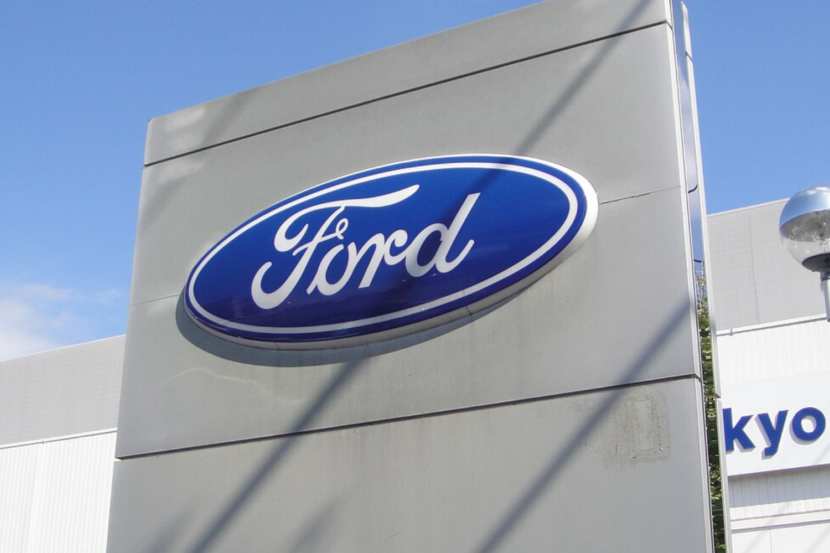
Ford Shifts Focus to Energy Storage Business
- Launch of Energy Storage: Ford announced in May the launch of Ford Energy, aiming to produce up to 20 gigawatts of battery storage capacity over the next five years, with deliveries starting in 2028, as a strategy to recover from $16 billion in losses from its EV division.
- Optimistic Profit Forecast: Analysts predict that Ford Energy could generate $500 million in operating profit by 2030, which, while modest compared to Ford's nearly $6.8 billion EBIT last year, indicates the company's proactive approach to exploring new revenue streams.
- Investment and Market Reaction: Ford plans to invest $2 billion in this new venture, and despite having no current profits or revenues, its stock surged 47% last month due to investor enthusiasm for its energy storage business, reflecting a broader excitement for AI-related initiatives.
- Future Challenges and Risks: While Ford's move into energy storage is noteworthy, analysts caution that investors should not rush to buy the stock solely based on this transition, especially given the company's ongoing challenges, including a staggering $8.2 billion net loss related to its EV restructuring.
See More

SpaceX's IPO Sets Record with $75 Billion Raised


- Record Fundraising: SpaceX's IPO raised an unprecedented $75 billion, which increased to $85.7 billion after underwriters exercised overallotment options, closing its first trading day with a market cap exceeding $2 trillion, marking it as the only company to debut at such a valuation.
- Strong Market Performance: As of June 18, SpaceX's market cap reached $2.5 trillion, briefly surpassing Amazon to become the fifth-most-valuable company globally, with shares hovering around $200, leaving investors eager to see how the stock performs as initial excitement wanes.
- Revenue Growth Potential: Last year, SpaceX reported $18.7 billion in revenue, a 33% increase, with projections suggesting it could double by 2026; Elon Musk anticipates at least $1 trillion in revenue by 2031, while Morgan Stanley forecasts $3.4 trillion by 2040.
- Valuation Risk Warning: Despite optimistic revenue forecasts, SpaceX's current price-to-sales ratio stands at approximately 134, indicating a high valuation risk; analysts caution that if expected growth is not realized in the coming year, the market cap could experience significant volatility, urging investors to proceed with caution.
See More

SpaceX IPO Breaks Records with Over $2 Trillion Valuation

- Record Financing: SpaceX raised an unprecedented $75 billion in its IPO, which increased to $85.7 billion after underwriters exercised overallotment options, demonstrating strong market confidence in its growth potential and solidifying its leadership in the aerospace sector.
- Valuation Milestone: Closing its first trading day with a market cap exceeding $2 trillion, SpaceX became the only company to debut at such a valuation, reflecting high investor recognition of its long-term potential while also raising concerns about a possible valuation bubble.
- Future Growth Expectations: Projected revenues for SpaceX could reach $36 billion by 2026, and despite a current price-to-sales ratio of 134, indicating optimistic market expectations for its future performance, this also suggests potential volatility risks ahead.
- Market Competition Analysis: Compared to Facebook's debut in 2012, SpaceX is arguably a more mature business, and while it faces challenges from high valuations, its strong revenue growth and market position may offer better return opportunities for investors.
See More

SpaceX Achieves Historic IPO Raising $75 Billion


- Record IPO: SpaceX successfully executed a historic initial public offering this month, raising $75 billion, making it the largest IPO ever, with a valuation of $2.66 trillion, reflecting strong market confidence in its growth prospects.
- Revenue Growth Expectations: Last year, SpaceX generated $18.7 billion in revenue, a 33% increase, with Musk predicting annual revenue could reach $1 trillion by 2030, while Wall Street's conservative estimates are only $330 billion, indicating differing views on its growth potential.
- Growth Challenges: To meet Musk's revenue target, SpaceX must achieve a compound annual growth rate of 122% over the next five years, necessitating significant increases in rocket launches, competitiveness in the AI sector, and expansion of its Starlink satellite network.
- Market Competition: Despite SpaceX's ambitious goals, analysts suggest that Nvidia is more likely to reach $1 trillion in annual revenue by 2030, highlighting the strong demand in the AI chip market and Nvidia's dominant market position.
See More

Musk Predicts SpaceX to Reach $1 Trillion Revenue by 2030
- Revenue Forecast: Musk predicts SpaceX will achieve $1 trillion in revenue by 2030, while Wall Street's conservative estimates range from $330 billion to $470 billion, indicating market skepticism about its growth potential.
- IPO Achievement: SpaceX successfully executed a record initial public offering (IPO) this month, raising $75 billion and achieving a valuation of $2.66 trillion, underscoring its leadership position in the aerospace industry.
- Growth Challenges: To meet Musk's ambitious revenue target, SpaceX must achieve a compound annual growth rate (CAGR) of 122% over the next five years, necessitating significant improvements in rocket launches and the expansion of its Starlink network.
- Market Competition: Despite SpaceX's lofty goals, Nvidia is expected to be more likely to reach $1 trillion in revenue by 2030, highlighting the immense potential of the AI chip market and Nvidia's dominant position within it.
See More
Analysis of Ford's Energy Business Prospects
- New Business Launch: Ford announced its energy storage business in May, leading to a 47% stock price increase, with projections suggesting it could generate $500 million in operating profit by 2030, indicating strong market enthusiasm for its strategic pivot.
- EV Challenges: The company has incurred $16 billion in losses from its EV division, with management forecasting continued losses for the next three years, prompting Ford to seek recovery through its energy storage initiative, demonstrating adaptability to market pressures.
- Investment and Capacity Goals: Ford aims to produce up to 20 gigawatts of battery storage capacity over the next five years, committing $2 billion to kickstart this business, which underscores its focus on new market opportunities and long-term strategic planning.
- Market Reaction and Risks: Although Ford's energy business has yet to generate profit or revenue, the stock surge reflects investor optimism towards AI-related ventures; however, analysts caution that shareholders should prioritize cost management and vehicle sales improvements to ensure long-term financial stability.
See More
Ford Shifts Focus to Energy Storage Business
- Launch of Energy Storage: Ford announced in May the launch of Ford Energy, aiming to produce up to 20 gigawatts of battery storage capacity over the next five years, with deliveries starting in 2028, as a strategy to recover from $16 billion in losses from its EV division.
- Optimistic Profit Forecast: Analysts predict that Ford Energy could generate $500 million in operating profit by 2030, which, while modest compared to Ford's nearly $6.8 billion EBIT last year, indicates the company's proactive approach to exploring new revenue streams.
- Investment and Market Reaction: Ford plans to invest $2 billion in this new venture, and despite having no current profits or revenues, its stock surged 47% last month due to investor enthusiasm for its energy storage business, reflecting a broader excitement for AI-related initiatives.
- Future Challenges and Risks: While Ford's move into energy storage is noteworthy, analysts caution that investors should not rush to buy the stock solely based on this transition, especially given the company's ongoing challenges, including a staggering $8.2 billion net loss related to its EV restructuring.
See More
SpaceX's IPO Sets Record with $75 Billion Raised
- Record Fundraising: SpaceX's IPO raised an unprecedented $75 billion, which increased to $85.7 billion after underwriters exercised overallotment options, closing its first trading day with a market cap exceeding $2 trillion, marking it as the only company to debut at such a valuation.
- Strong Market Performance: As of June 18, SpaceX's market cap reached $2.5 trillion, briefly surpassing Amazon to become the fifth-most-valuable company globally, with shares hovering around $200, leaving investors eager to see how the stock performs as initial excitement wanes.
- Revenue Growth Potential: Last year, SpaceX reported $18.7 billion in revenue, a 33% increase, with projections suggesting it could double by 2026; Elon Musk anticipates at least $1 trillion in revenue by 2031, while Morgan Stanley forecasts $3.4 trillion by 2040.
- Valuation Risk Warning: Despite optimistic revenue forecasts, SpaceX's current price-to-sales ratio stands at approximately 134, indicating a high valuation risk; analysts caution that if expected growth is not realized in the coming year, the market cap could experience significant volatility, urging investors to proceed with caution.
See More
SpaceX IPO Breaks Records with Over $2 Trillion Valuation
- Record Financing: SpaceX raised an unprecedented $75 billion in its IPO, which increased to $85.7 billion after underwriters exercised overallotment options, demonstrating strong market confidence in its growth potential and solidifying its leadership in the aerospace sector.
- Valuation Milestone: Closing its first trading day with a market cap exceeding $2 trillion, SpaceX became the only company to debut at such a valuation, reflecting high investor recognition of its long-term potential while also raising concerns about a possible valuation bubble.
- Future Growth Expectations: Projected revenues for SpaceX could reach $36 billion by 2026, and despite a current price-to-sales ratio of 134, indicating optimistic market expectations for its future performance, this also suggests potential volatility risks ahead.
- Market Competition Analysis: Compared to Facebook's debut in 2012, SpaceX is arguably a more mature business, and while it faces challenges from high valuations, its strong revenue growth and market position may offer better return opportunities for investors.
See More
SpaceX Achieves Historic IPO Raising $75 Billion
- Record IPO: SpaceX successfully executed a historic initial public offering this month, raising $75 billion, making it the largest IPO ever, with a valuation of $2.66 trillion, reflecting strong market confidence in its growth prospects.
- Revenue Growth Expectations: Last year, SpaceX generated $18.7 billion in revenue, a 33% increase, with Musk predicting annual revenue could reach $1 trillion by 2030, while Wall Street's conservative estimates are only $330 billion, indicating differing views on its growth potential.
- Growth Challenges: To meet Musk's revenue target, SpaceX must achieve a compound annual growth rate of 122% over the next five years, necessitating significant increases in rocket launches, competitiveness in the AI sector, and expansion of its Starlink satellite network.
- Market Competition: Despite SpaceX's ambitious goals, analysts suggest that Nvidia is more likely to reach $1 trillion in annual revenue by 2030, highlighting the strong demand in the AI chip market and Nvidia's dominant market position.
See More
Musk Predicts SpaceX to Reach $1 Trillion Revenue by 2030
- Revenue Forecast: Musk predicts SpaceX will achieve $1 trillion in revenue by 2030, while Wall Street's conservative estimates range from $330 billion to $470 billion, indicating market skepticism about its growth potential.
- IPO Achievement: SpaceX successfully executed a record initial public offering (IPO) this month, raising $75 billion and achieving a valuation of $2.66 trillion, underscoring its leadership position in the aerospace industry.
- Growth Challenges: To meet Musk's ambitious revenue target, SpaceX must achieve a compound annual growth rate (CAGR) of 122% over the next five years, necessitating significant improvements in rocket launches and the expansion of its Starlink network.
- Market Competition: Despite SpaceX's lofty goals, Nvidia is expected to be more likely to reach $1 trillion in revenue by 2030, highlighting the immense potential of the AI chip market and Nvidia's dominant position within it.
See More