Capital One Acquires Discover, Enters Transaction Processing Market
Written by Emily J. Thompson, Senior Investment Analyst
Updated: May 25 2026
0mins
Source: NASDAQ.COM
- Business Model Shift: Capital One's acquisition of payment processor Discover dramatically alters its business model by entering the transaction processing space, which is expected to provide a more stable revenue stream, particularly during economic downturns.
- Synergy Realization: By 2027, Capital One aims to achieve up to $2.7 billion in synergies from the integration of Discover's credit card business, with approximately $1.5 billion expected from cost savings through back-office migration, enhancing overall profitability.
- Customer Impact: Starting July 2026, Capital One will begin migrating Discover cards to its back-office platform; while major customer benefits are expected to remain unchanged, users will need to set up new accounts, potentially affecting customer loyalty.
- Profit Outlook: Management targets a roughly 15% boost to adjusted earnings by 2027, and despite a 20% decline in Capital One's stock in 2026, shareholders may be pleased with the integration progress.
Trade with 70% Backtested Accuracy
Stop guessing "Should I Buy COF?" and start using high-conviction signals backed by rigorous historical data.
Sign up today to access powerful investing tools and make smarter, data-driven decisions.
Analyst Views on COF
Wall Street analysts forecast COF stock price to rise
19 Analyst Rating
16 Buy
3 Hold
0 Sell
Strong Buy
Current: 200.870

Low
256.00
Averages
280.42
High
310.00
Current: 200.870
Low
256.00
Averages
280.42
High
310.00
About COF
Capital One Financial Corporation is a diversified financial services holding company with banking and non-banking subsidiaries. The Company offers a broad spectrum of financial products and services to consumers, small businesses and commercial clients through a variety of channels. It operates through three segments: Credit Card, Consumer Banking and Commercial Banking. The Credit Card segment consists of its domestic consumer and small business card lending, and international card businesses in the United Kingdom and Canada. The Consumer Banking segment consists of its deposit gathering and lending activities for consumers and small businesses, and national auto lending. The Commercial Banking segment consists of its lending, deposit gathering, capital markets and treasury management services to commercial real estate and commercial and industrial customers. Its principal operating subsidiary is Capital One, National Association, which offers banking products and financial services.
About the author

Emily J. Thompson
Emily J. Thompson, a Chartered Financial Analyst (CFA) with 12 years in investment research, graduated with honors from the Wharton School. Specializing in industrial and technology stocks, she provides in-depth analysis for Intellectia’s earnings and market brief reports.

Capital One Financial's Positive Outlook Highlighted by Jim Cramer

- Strong Consumer Confidence: Recent data shows a 0.9% month-over-month and 6.9% year-over-year increase in retail sales for May, indicating robust consumer spending that provides a favorable market environment for Capital One, enhancing its credit card business appeal.
- Credit Card Business Growth: Capital One has successfully attracted more customers by offering higher interest rate credit cards, demonstrating resilience and growth potential despite pressures from rising oil prices, which has positively impacted its stock performance.
- Market Leadership Position: Following its acquisition of Discover, Capital One has become the largest credit card issuer by balances in the U.S., leveraging greater scale and a diversified product portfolio to strengthen its competitive position and lay the groundwork for future growth.
- Investor Confidence Boost: Jim Cramer highlights Capital One's investment value, asserting that its broad exposure to the mass market and strong consumer base make it a compelling investment choice, especially following the completion of the Discover deal, which enhances the company's outlook.
See More
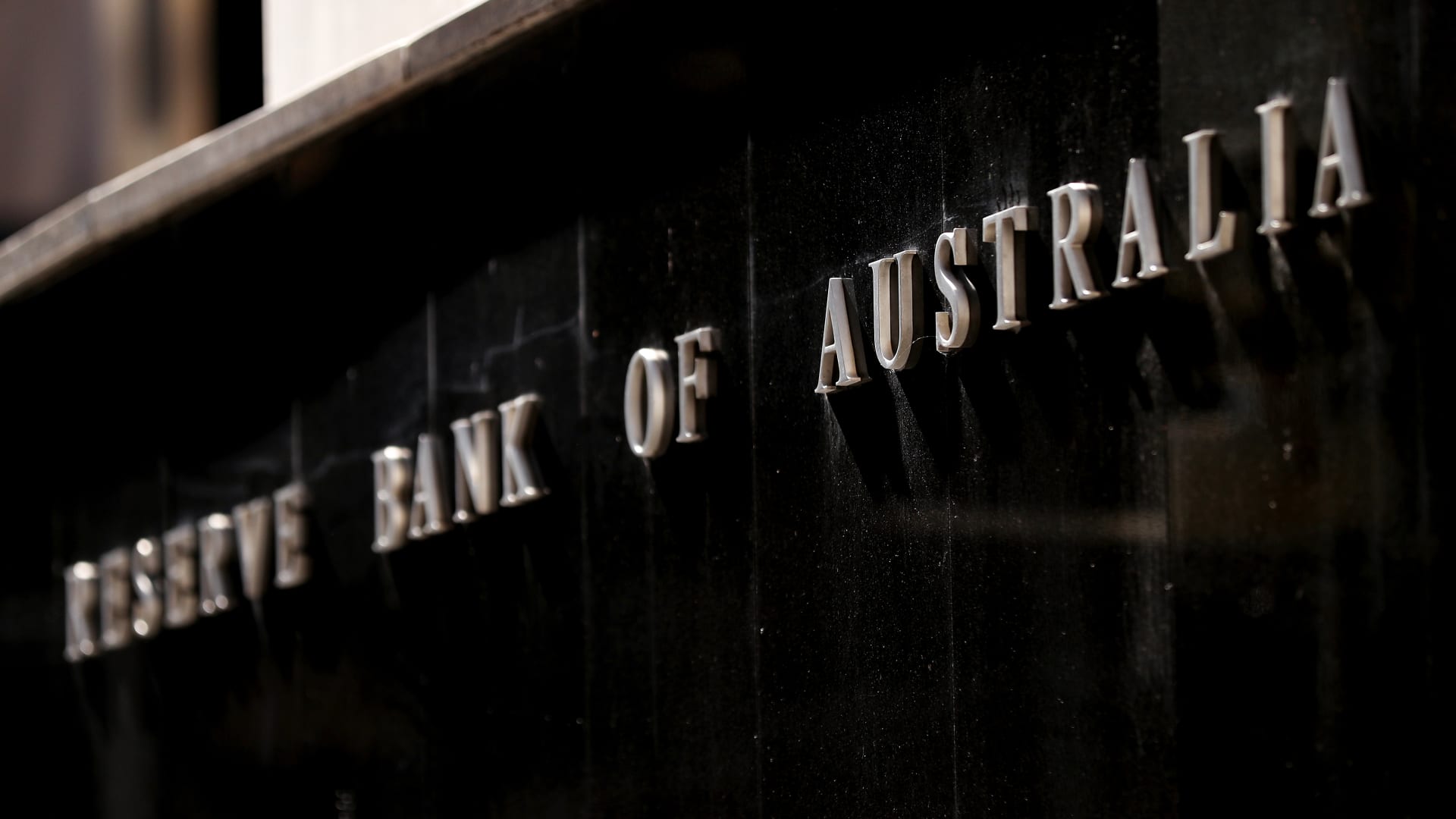
Federal Reserve Policy Impacts Market Performance


- Fed Policy Impact: Fed Chairman Kevin Warsh indicated a potential interest rate hike to combat stubborn inflation, leading to a 1.2% drop in the S&P 500 on the first 'Fed day', reflecting investor anxiety over monetary policy.
- Market Recovery: Despite the sell-off, the S&P 500 rose 0.9% over a shortened four-session trading week, marking its 11th weekly gain in the past 12 weeks, demonstrating market resilience and a recovery in investor confidence.
- Chip Stocks Surge: Intel's stock jumped 10.6% on Thursday after Trump announced a partnership with Apple, bringing its weekly gain to 7.6%, while Nvidia and Broadcom also saw increases of 2.9% and 4.7%, highlighting the strength of the semiconductor sector.
- Oil Price Decline Impact: The signing of a ceasefire agreement between the U.S. and Iran led to a nearly 10% drop in crude oil prices this week, benefiting consumer banks like Capital One, which saw its stock rise, reflecting positive market sentiment towards lower oil prices.
See More

Recap of CNBC Investing Club Monthly Meeting

- Portfolio Analysis: During the June Monthly Meeting, Jim Cramer and Jeff Marks provided an in-depth analysis of 35 portfolio stocks, highlighting their preference for Intel due to its significant upside potential in data center CPU growth, particularly in the context of competition with TSMC.
- Tech Giants Restructuring: Cramer noted a reordering of the 'Magnificent Seven,' with newcomers like SpaceX and the yet-to-go-public Anthropic and OpenAI emerging as formidable competitors, indicating intensified market competition, especially in the AI sector.
- Strengths of Alphabet and Apple: Alphabet is positioned advantageously in the AI era with its YouTube and Waymo businesses, while Apple leverages its ecosystem of over 2.5 billion iPhone users to strengthen its AI partnership with Alphabet, showcasing both companies' robust market positions.
- Market Dynamics and Investment Strategy: Despite challenges faced by Meta and Microsoft, Cramer advises maintaining investments in Amazon and Nvidia, believing that the latter's GPU demand will continue to grow, and that Amazon's cloud business remains highly profitable.
See More
Capital One Launches Databolt Connect for Secure Data Sharing
- Secure Data Sharing: Capital One's Databolt Connect application facilitates secure multi-party data collaboration on the Databricks Marketplace, enabling organizations to accelerate innovation while protecting sensitive data and meeting compliance requirements.
- Zero-Trust Architecture: The app is designed to ensure that sensitive data is processed exclusively within the customer's Databricks environment, mitigating the risk of data exposure and enhancing organizational security and compliance.
- HIPAA Compliance: Databolt Connect supports customizable rules such as one-way irreversible tokenization, ensuring compliance with HIPAA standards when handling healthcare data, thus enabling secure record linkage for clients.
- Facilitating Collaborative Analysis: Multiple parties can securely link their tokenized data in a shared Databricks Clean Room, promoting high-value joint analysis while safeguarding the privacy of sensitive identifiers.
See More

Wells Fargo's Performance Deteriorates Post Asset Cap Removal


- Asset Cap Removal: After Wells Fargo lifted its $1.95 trillion asset cap in June 2025, expectations were high for business growth; however, the bank's performance in 2026 has been disappointing, with shares down nearly 9% year-to-date, underperforming the S&P 500's over 10% gain.
- Disappointing Earnings: Following two consecutive subpar quarters, Wells Fargo's stock was downgraded to a hold-equivalent rating, with the price target reduced from $100 to $95 per share, reflecting market concerns about its future profitability.
- High Efficiency Ratio: The bank's efficiency ratio stood at 67% for Q1 2026, worse than Citigroup's 62% and Bank of America's 61%, indicating ongoing challenges in cost reduction despite improvements since CEO Charlie Scharf's tenure began in 2019.
- Investment Banking Expansion: While Wells Fargo has increased investments in its investment banking and capital markets, its minor role in the SpaceX IPO resulted in significantly lower fees compared to competitors, highlighting its struggles in diversifying revenue and capturing market share.
See More

U.S.-Iran Peace Deal Boosts Stock Market Rally


- Oil Price Decline Impact: The memorandum of understanding between the U.S. and Iran has led to a significant drop in oil prices, improving the inflation outlook and driving bond yields lower, which provides a favorable backdrop for Federal Reserve Chairman Kevin Warsh's first policy meeting, potentially allowing him to avoid a hawkish stance.
- Market Optimism: The Nasdaq's 3% rise reflects market optimism regarding the reopening of the Strait of Hormuz; if oil exports resume, it could further lower crude prices, influencing future inflation and interest rate trajectories.
- Successful SpaceX IPO: SpaceX's initial public offering performed well, alleviating concerns about an oversupply of new stocks, thereby boosting investor confidence in the market's ability to absorb new capital, especially as geopolitical tensions ease.
- Potential Housing Market Recovery: With declining oil prices and bond yields, the housing market may see a revival, as interest rates significantly impact the homebuying process; stocks like Home Depot are gaining attention, although investors remain cautious about a rebound in the housing sector.
See More
Capital One Financial's Positive Outlook Highlighted by Jim Cramer
- Strong Consumer Confidence: Recent data shows a 0.9% month-over-month and 6.9% year-over-year increase in retail sales for May, indicating robust consumer spending that provides a favorable market environment for Capital One, enhancing its credit card business appeal.
- Credit Card Business Growth: Capital One has successfully attracted more customers by offering higher interest rate credit cards, demonstrating resilience and growth potential despite pressures from rising oil prices, which has positively impacted its stock performance.
- Market Leadership Position: Following its acquisition of Discover, Capital One has become the largest credit card issuer by balances in the U.S., leveraging greater scale and a diversified product portfolio to strengthen its competitive position and lay the groundwork for future growth.
- Investor Confidence Boost: Jim Cramer highlights Capital One's investment value, asserting that its broad exposure to the mass market and strong consumer base make it a compelling investment choice, especially following the completion of the Discover deal, which enhances the company's outlook.
See More
Federal Reserve Policy Impacts Market Performance
- Fed Policy Impact: Fed Chairman Kevin Warsh indicated a potential interest rate hike to combat stubborn inflation, leading to a 1.2% drop in the S&P 500 on the first 'Fed day', reflecting investor anxiety over monetary policy.
- Market Recovery: Despite the sell-off, the S&P 500 rose 0.9% over a shortened four-session trading week, marking its 11th weekly gain in the past 12 weeks, demonstrating market resilience and a recovery in investor confidence.
- Chip Stocks Surge: Intel's stock jumped 10.6% on Thursday after Trump announced a partnership with Apple, bringing its weekly gain to 7.6%, while Nvidia and Broadcom also saw increases of 2.9% and 4.7%, highlighting the strength of the semiconductor sector.
- Oil Price Decline Impact: The signing of a ceasefire agreement between the U.S. and Iran led to a nearly 10% drop in crude oil prices this week, benefiting consumer banks like Capital One, which saw its stock rise, reflecting positive market sentiment towards lower oil prices.
See More
Recap of CNBC Investing Club Monthly Meeting
- Portfolio Analysis: During the June Monthly Meeting, Jim Cramer and Jeff Marks provided an in-depth analysis of 35 portfolio stocks, highlighting their preference for Intel due to its significant upside potential in data center CPU growth, particularly in the context of competition with TSMC.
- Tech Giants Restructuring: Cramer noted a reordering of the 'Magnificent Seven,' with newcomers like SpaceX and the yet-to-go-public Anthropic and OpenAI emerging as formidable competitors, indicating intensified market competition, especially in the AI sector.
- Strengths of Alphabet and Apple: Alphabet is positioned advantageously in the AI era with its YouTube and Waymo businesses, while Apple leverages its ecosystem of over 2.5 billion iPhone users to strengthen its AI partnership with Alphabet, showcasing both companies' robust market positions.
- Market Dynamics and Investment Strategy: Despite challenges faced by Meta and Microsoft, Cramer advises maintaining investments in Amazon and Nvidia, believing that the latter's GPU demand will continue to grow, and that Amazon's cloud business remains highly profitable.
See More
Capital One Launches Databolt Connect for Secure Data Sharing
- Secure Data Sharing: Capital One's Databolt Connect application facilitates secure multi-party data collaboration on the Databricks Marketplace, enabling organizations to accelerate innovation while protecting sensitive data and meeting compliance requirements.
- Zero-Trust Architecture: The app is designed to ensure that sensitive data is processed exclusively within the customer's Databricks environment, mitigating the risk of data exposure and enhancing organizational security and compliance.
- HIPAA Compliance: Databolt Connect supports customizable rules such as one-way irreversible tokenization, ensuring compliance with HIPAA standards when handling healthcare data, thus enabling secure record linkage for clients.
- Facilitating Collaborative Analysis: Multiple parties can securely link their tokenized data in a shared Databricks Clean Room, promoting high-value joint analysis while safeguarding the privacy of sensitive identifiers.
See More
Wells Fargo's Performance Deteriorates Post Asset Cap Removal
- Asset Cap Removal: After Wells Fargo lifted its $1.95 trillion asset cap in June 2025, expectations were high for business growth; however, the bank's performance in 2026 has been disappointing, with shares down nearly 9% year-to-date, underperforming the S&P 500's over 10% gain.
- Disappointing Earnings: Following two consecutive subpar quarters, Wells Fargo's stock was downgraded to a hold-equivalent rating, with the price target reduced from $100 to $95 per share, reflecting market concerns about its future profitability.
- High Efficiency Ratio: The bank's efficiency ratio stood at 67% for Q1 2026, worse than Citigroup's 62% and Bank of America's 61%, indicating ongoing challenges in cost reduction despite improvements since CEO Charlie Scharf's tenure began in 2019.
- Investment Banking Expansion: While Wells Fargo has increased investments in its investment banking and capital markets, its minor role in the SpaceX IPO resulted in significantly lower fees compared to competitors, highlighting its struggles in diversifying revenue and capturing market share.
See More
U.S.-Iran Peace Deal Boosts Stock Market Rally
- Oil Price Decline Impact: The memorandum of understanding between the U.S. and Iran has led to a significant drop in oil prices, improving the inflation outlook and driving bond yields lower, which provides a favorable backdrop for Federal Reserve Chairman Kevin Warsh's first policy meeting, potentially allowing him to avoid a hawkish stance.
- Market Optimism: The Nasdaq's 3% rise reflects market optimism regarding the reopening of the Strait of Hormuz; if oil exports resume, it could further lower crude prices, influencing future inflation and interest rate trajectories.
- Successful SpaceX IPO: SpaceX's initial public offering performed well, alleviating concerns about an oversupply of new stocks, thereby boosting investor confidence in the market's ability to absorb new capital, especially as geopolitical tensions ease.
- Potential Housing Market Recovery: With declining oil prices and bond yields, the housing market may see a revival, as interest rates significantly impact the homebuying process; stocks like Home Depot are gaining attention, although investors remain cautious about a rebound in the housing sector.
See More