Campbell's Faces Risk of S&P 500 Demotion
Written by Emily J. Thompson, Senior Investment Analyst
Updated: Apr 06 2026
0mins
Source: Fool
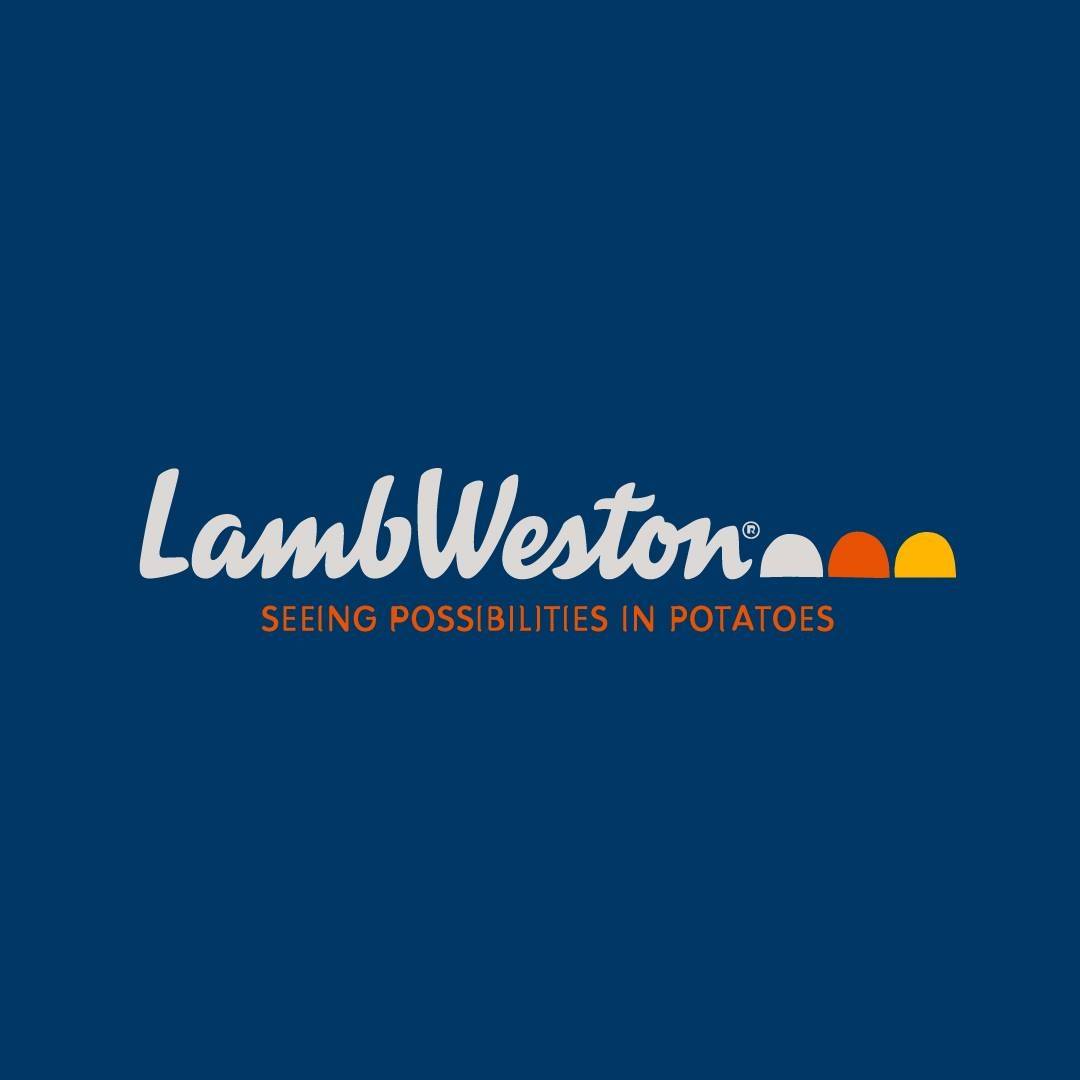
- Earnings Decline: Campbell's reported adjusted EPS of $0.51 for Q2 2026, missing the $0.57 estimate by 11%, while net sales fell 5% to $2.56 billion, indicating ongoing operational challenges.
- Guidance Cut: Management lowered full-year adjusted EPS guidance to $2.15-$2.25 from a previous high of $2.55, reflecting a pessimistic outlook on future performance amid declining sales.
- Market Share Erosion: The snacks division's operating earnings dropped to $67 million on $914 million in revenue, resulting in a 7.3% operating margin that is insufficient to justify the acquisition, highlighting integration issues.
- Stock Price Plunge: Over the past year, Campbell's stock has fallen more than 40%, with a market cap of approximately $6.9 billion, making it the second-lowest in the S&P 500 and raising concerns about its continued inclusion in the index.
Trade with 70% Backtested Accuracy
Stop guessing "Should I Buy CPB?" and start using high-conviction signals backed by rigorous historical data.
Sign up today to access powerful investing tools and make smarter, data-driven decisions.
Analyst Views on CPB
Wall Street analysts forecast CPB stock price to rise
15 Analyst Rating
2 Buy
10 Hold
3 Sell
Hold
Current: 20.630

Low
27.00
Averages
31.07
High
38.00
Current: 20.630
Low
27.00
Averages
31.07
High
38.00
About CPB
The Campbell's Company provides affordable food and beverages. The Company is focused on brand powerhouse, across two divisions: Meals & Beverages and Snacks. The Company's portfolio of approximately 16 brands includes Campbell's, Cape Cod, Chunky, Goldfish, Kettle Brand, Lance, Late July, Pace, Pacific Foods, Pepperidge Farm, Prego, Rao's, Snack Factory pretzel crisps, Snyder's of Hanover, Swanson and V8. It offers nutritious, convenient food for Canadian families. Its North American Foodservice division offers food, recipes, and tailored solutions for a range of segments, including healthcare facilities, restaurants and specialty coffee shops, schools, vending and micro-markets, and lodging throughout North America. Pacific Foods is a producer of organic broth and soup offering a range of organic and plant-based options, soups include Creamy Roasted Red Pepper & Tomato and new ready-to-serve canned soups.
About the author

Emily J. Thompson
Emily J. Thompson, a Chartered Financial Analyst (CFA) with 12 years in investment research, graduated with honors from the Wharton School. Specializing in industrial and technology stocks, she provides in-depth analysis for Intellectia’s earnings and market brief reports.

Dividend Stocks Show Strong Performance in 2026


- Dividend Stock Resurgence: In 2026, dividend stocks are off to a strong start, particularly in higher-yield sectors like consumer staples, utilities, and oil, indicating a shift towards income-generating investments that appeal to income-focused investors.
- Domino's Challenges: Domino's Pizza (DPZ) reported disappointing first-quarter results, leading to a 19% decline year-to-date, with a current P/E ratio of 17, the lowest in three years, suggesting it may now be viewed as a value stock despite its 14-year dividend growth streak.
- Mondelez's Growth Potential: Mondelez International (MDLZ) has risen 14% year-to-date with a dividend yield of approximately 3.3%, triple that of the S&P 500, and while facing low consumer confidence, it is projected to generate free cash flow equivalent to 13% of sales, supporting future dividend growth.
- Campbell's Risks and Opportunities: Campbell's (CPB) stock has fallen over 25% this year, yet its 7.5% dividend yield and 51 consecutive years of dividend payments make it appealing for risk-tolerant investors, although its high payout ratio of 85.3% raises concerns about future dividend sustainability.
See More

Domino's Pizza Announces 15% Dividend Increase
- Dividend Growth: Domino's Pizza raised its dividend by 15% in February, marking its 14th consecutive year of increases, despite a 19% decline in stock price due to disappointing Q1 results, indicating stability in its dividend payments.
- Market Performance: Mondelez International has shown strong performance in 2026 with a 14% stock price increase and a 3.3% dividend yield, maintaining a competitive edge in the consumer staples sector, although it faces challenges from low consumer confidence.
- Investment Opportunity: Campbell Soup Company's stock has dropped over 25%, yet its current 7.5% dividend yield appeals to risk-tolerant value investors, as the company leverages technology to adapt to market changes, potentially laying the groundwork for future growth.
- Long-Term Outlook: Experts predict Mondelez will generate free cash flow equivalent to 13% of sales, supporting high single-digit dividend growth over the next decade, despite uncertainties in the short-term market environment.
See More
Campbell Acquires 49% Stake in La Regina to Boost Rao's Growth
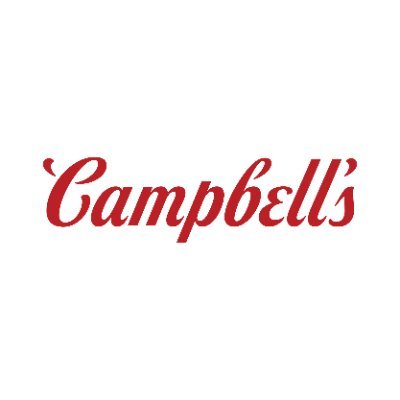
- Strategic Partnership Strengthened: Campbell has completed the acquisition of a 49% stake in La Regina, solidifying its long-term partnership with the Romano family, which is expected to fuel Rao's Homemade's continued growth and enhance brand competitiveness in the market.
- Sales Milestone Achieved: Rao's Homemade recently surpassed $1 billion in trailing 12-month net sales, becoming the fourth billion-dollar brand in Campbell's portfolio, indicating strong market performance and increased consumer loyalty.
- Commitment to Craftsmanship: Campbell's CEO Mick Beekhuizen stated that this investment aims to preserve the artisanal craftsmanship of Rao's sauces, emphasizing the brand's uniqueness and high-quality ingredients, which further enhances consumer loyalty.
- Financial Impact Outlook: Campbell expects the transaction to be neutral to its fiscal 2026 adjusted EPS, reflecting the company's cautious financial management as it expands its brand portfolio.
See More
CAMPBELL'S FINALIZES PURCHASE OF 49% STAKE IN LA REGINA
- Acquisition Details: Campbell has completed the acquisition of a 49% interest in a large Regina facility.
- Strategic Importance: This acquisition is part of Campbell's strategy to expand its presence and capabilities in the region.
- Market Impact: The move is expected to enhance Campbell's operational efficiency and market competitiveness.
- Future Plans: Campbell aims to leverage this acquisition to drive growth and innovation in its product offerings.
See More
SpaceX IPO Expected to Trigger S&P 500 Reshuffle

- Market Valuation Impact: SpaceX's IPO is targeting a valuation of approximately $1.75 trillion, which will position it as the largest industrial stock globally and among the top ten companies in the U.S., highlighting its significant market presence.
- S&P 500 Reshuffle Risk: The IPO will necessitate a major reshuffle of the S&P 500, with EPAM Systems likely to be ousted due to its market cap of around $6 billion, which could create short-term downward pressure on its stock price and affect its liquidity and institutional ownership.
- Institutional Investor Reaction: As the SpaceX IPO approaches, institutional investors may begin to reposition their portfolios in anticipation of the S&P 500 rebalancing, potentially leading to increased selling pressure on stocks like EPAM, exacerbating their market performance decline.
- Industry Impact Analysis: While removal from the S&P 500 does not equate to absolute failure, EPAM Systems has already faced significant declines due to a sell-off in SaaS stocks, and its outlook appears more precarious compared to consumer staples amid rising inflation concerns.
See More

SpaceX IPO Set to Reshape S&P 500 Index
- S&P 500 Restructuring: SpaceX's upcoming IPO is projected to achieve a valuation of approximately $1.75 trillion, making it the largest industrial stock globally, which will necessitate a significant reshuffle of the S&P 500, with EPAM Systems likely facing removal and downward pressure on its stock price.
- EPAM Systems at Risk: Currently valued at around $6 billion, EPAM Systems is the most vulnerable candidate for exclusion due to its poor performance amid a significant sell-off in SaaS stocks, which could lead to a decline in investor confidence and stock price.
- Impact on Index Funds: The removal of EPAM from the index will compel index funds tracking the S&P 500, such as the Vanguard S&P 500 ETF and State Street SPDR S&P 500 ETF Trust, to sell their shares, potentially causing short-term price drops and reducing liquidity and institutional ownership.
- Market Reaction Anticipation: While exclusion from the S&P 500 does not guarantee failure, it typically results in decreased analyst coverage and trading volume, necessitating caution for EPAM Systems investors given its precarious position in light of the impending IPO.
See More
Dividend Stocks Show Strong Performance in 2026
- Dividend Stock Resurgence: In 2026, dividend stocks are off to a strong start, particularly in higher-yield sectors like consumer staples, utilities, and oil, indicating a shift towards income-generating investments that appeal to income-focused investors.
- Domino's Challenges: Domino's Pizza (DPZ) reported disappointing first-quarter results, leading to a 19% decline year-to-date, with a current P/E ratio of 17, the lowest in three years, suggesting it may now be viewed as a value stock despite its 14-year dividend growth streak.
- Mondelez's Growth Potential: Mondelez International (MDLZ) has risen 14% year-to-date with a dividend yield of approximately 3.3%, triple that of the S&P 500, and while facing low consumer confidence, it is projected to generate free cash flow equivalent to 13% of sales, supporting future dividend growth.
- Campbell's Risks and Opportunities: Campbell's (CPB) stock has fallen over 25% this year, yet its 7.5% dividend yield and 51 consecutive years of dividend payments make it appealing for risk-tolerant investors, although its high payout ratio of 85.3% raises concerns about future dividend sustainability.
See More
Domino's Pizza Announces 15% Dividend Increase
- Dividend Growth: Domino's Pizza raised its dividend by 15% in February, marking its 14th consecutive year of increases, despite a 19% decline in stock price due to disappointing Q1 results, indicating stability in its dividend payments.
- Market Performance: Mondelez International has shown strong performance in 2026 with a 14% stock price increase and a 3.3% dividend yield, maintaining a competitive edge in the consumer staples sector, although it faces challenges from low consumer confidence.
- Investment Opportunity: Campbell Soup Company's stock has dropped over 25%, yet its current 7.5% dividend yield appeals to risk-tolerant value investors, as the company leverages technology to adapt to market changes, potentially laying the groundwork for future growth.
- Long-Term Outlook: Experts predict Mondelez will generate free cash flow equivalent to 13% of sales, supporting high single-digit dividend growth over the next decade, despite uncertainties in the short-term market environment.
See More
Campbell Acquires 49% Stake in La Regina to Boost Rao's Growth
- Strategic Partnership Strengthened: Campbell has completed the acquisition of a 49% stake in La Regina, solidifying its long-term partnership with the Romano family, which is expected to fuel Rao's Homemade's continued growth and enhance brand competitiveness in the market.
- Sales Milestone Achieved: Rao's Homemade recently surpassed $1 billion in trailing 12-month net sales, becoming the fourth billion-dollar brand in Campbell's portfolio, indicating strong market performance and increased consumer loyalty.
- Commitment to Craftsmanship: Campbell's CEO Mick Beekhuizen stated that this investment aims to preserve the artisanal craftsmanship of Rao's sauces, emphasizing the brand's uniqueness and high-quality ingredients, which further enhances consumer loyalty.
- Financial Impact Outlook: Campbell expects the transaction to be neutral to its fiscal 2026 adjusted EPS, reflecting the company's cautious financial management as it expands its brand portfolio.
See More
CAMPBELL'S FINALIZES PURCHASE OF 49% STAKE IN LA REGINA
- Acquisition Details: Campbell has completed the acquisition of a 49% interest in a large Regina facility.
- Strategic Importance: This acquisition is part of Campbell's strategy to expand its presence and capabilities in the region.
- Market Impact: The move is expected to enhance Campbell's operational efficiency and market competitiveness.
- Future Plans: Campbell aims to leverage this acquisition to drive growth and innovation in its product offerings.
See More
SpaceX IPO Expected to Trigger S&P 500 Reshuffle
- Market Valuation Impact: SpaceX's IPO is targeting a valuation of approximately $1.75 trillion, which will position it as the largest industrial stock globally and among the top ten companies in the U.S., highlighting its significant market presence.
- S&P 500 Reshuffle Risk: The IPO will necessitate a major reshuffle of the S&P 500, with EPAM Systems likely to be ousted due to its market cap of around $6 billion, which could create short-term downward pressure on its stock price and affect its liquidity and institutional ownership.
- Institutional Investor Reaction: As the SpaceX IPO approaches, institutional investors may begin to reposition their portfolios in anticipation of the S&P 500 rebalancing, potentially leading to increased selling pressure on stocks like EPAM, exacerbating their market performance decline.
- Industry Impact Analysis: While removal from the S&P 500 does not equate to absolute failure, EPAM Systems has already faced significant declines due to a sell-off in SaaS stocks, and its outlook appears more precarious compared to consumer staples amid rising inflation concerns.
See More
SpaceX IPO Set to Reshape S&P 500 Index
- S&P 500 Restructuring: SpaceX's upcoming IPO is projected to achieve a valuation of approximately $1.75 trillion, making it the largest industrial stock globally, which will necessitate a significant reshuffle of the S&P 500, with EPAM Systems likely facing removal and downward pressure on its stock price.
- EPAM Systems at Risk: Currently valued at around $6 billion, EPAM Systems is the most vulnerable candidate for exclusion due to its poor performance amid a significant sell-off in SaaS stocks, which could lead to a decline in investor confidence and stock price.
- Impact on Index Funds: The removal of EPAM from the index will compel index funds tracking the S&P 500, such as the Vanguard S&P 500 ETF and State Street SPDR S&P 500 ETF Trust, to sell their shares, potentially causing short-term price drops and reducing liquidity and institutional ownership.
- Market Reaction Anticipation: While exclusion from the S&P 500 does not guarantee failure, it typically results in decreased analyst coverage and trading volume, necessitating caution for EPAM Systems investors given its precarious position in light of the impending IPO.
See More